Your Malaysian Food Journey
Let's talk about food. Not just any food, but the kind that hits you with a wave of scent from a street stall before you even see it. The kind where every bite feels like a little discovery. That's what a Malaysia meal is all about. It's not a single dish; it's an experience, a vibrant, noisy, sometimes messy, and always delicious journey. I remember my first real encounter with it. I was in Penang, hopelessly lost, following a trail of smoky satay aroma that led me to a crowded hawker centre. That first taste of peanut sauce – sweet, spicy, nutty, a bit smoky – it was a revelation. It made me realize Malaysian food isn't something you just eat; you explore it.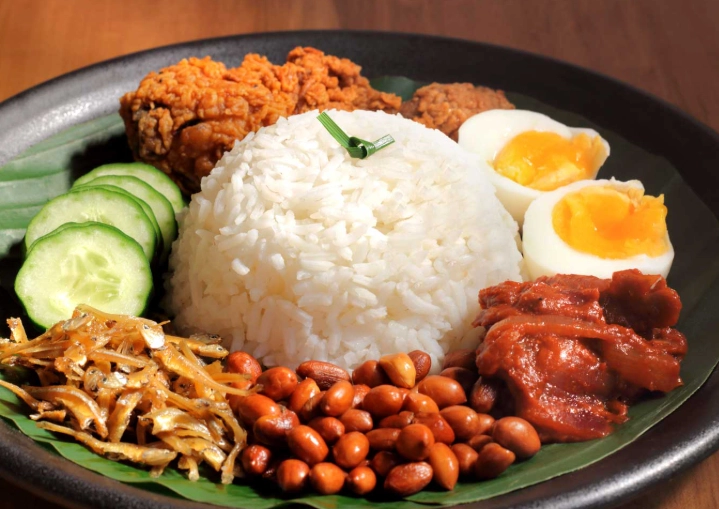
If you're here, you're probably curious. Maybe you saw a picture of vibrant yellow rice or a bowl of steamy, fragrant soup. Maybe you're planning a trip and want to eat like a local, not a tourist. Or perhaps you're just bored of your usual dinner rotation and want to cook something that's genuinely exciting. Whatever the reason, you've come to the right place. This isn't a dry list of dishes. Think of this as your friend's brutally honest, deeply enthusiastic guide to navigating the wonderful world of Malaysian eating.
So, what actually is a typical Malaysia meal? That's the first trick – there's no such thing as "typical." A breakfast in a Kuala Lumpur kopitiam (coffee shop) looks nothing like a dinner in a Kelantanese village. But that's the beauty. It's a cuisine built on layers – indigenous Malay traditions, centuries of Chinese influence, waves of Indian migration, and hints of Thai, Portuguese, and British colonial history. All of it mashed together on one incredibly flavorful plate.
The Heart of the Feast: Must-Try Dishes You Can't Miss
Alright, let's get to the good stuff. The dishes. Trying to list every great Malaysian dish is impossible, but some are absolute non-negotiables. These are the pillars, the ones you'll see everywhere, the ones that define the Malaysia meal experience.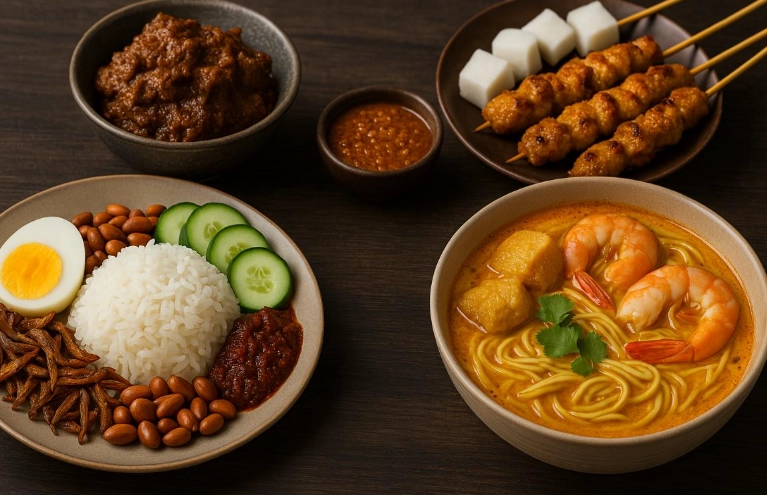
The National Icons
These are the heavy hitters, the dishes you simply must try at least once.
- Nasi Lemak: Don't call it just "coconut rice." That's an insult. This is Malaysia's unofficial national dish for a reason. Fragrant rice cooked in coconut milk and pandan leaf, served with a spicy sambal (chili paste), crispy anchovies (ikan bilis), roasted peanuts, a slice of cucumber, and a hard-boiled egg. The base is deceptively simple, but the magic is in the balance. You can get it wrapped in banana leaf for breakfast from a street vendor for a few ringgit, or in fancy restaurants topped with fried chicken or beef rendang. The Malaysia Tourism Board often highlights it as a culinary treasure, and for good reason. It's the perfect start to any day.
- Char Kway Teow: This is stir-fried rice noodle artistry. Flat rice noodles wok-fried at blistering heat with dark soy sauce, shrimp, bloody cockles (don't knock 'em till you've tried 'em), Chinese sausage, bean sprouts, and chives. The goal is "wok hei" – that elusive, smoky breath of the wok that infuses the noodles. A good plate is savory, slightly sweet, and has a unique charred aroma. A bad one is greasy and sad. Seek out the busy stalls with the long queues.
- Roti Canai: Malaysia's gift to the world of flatbreads. An Indian-influenced dish, it's a flaky, crispy, yet soft paratha, expertly flipped and stretched by a cook before being fried on a griddle. Served with dhal (lentil curry) or a variety of meat or fish curries. Tearing off a piece, dipping it, and savoring the combination is a ritual. For breakfast, you might get "Roti Telur" – one cooked with an egg inside. Simple, cheap, and incredibly satisfying.
I have a soft spot for a good Roti Canai. There's a place near my old apartment where the uncle making them had forearms like a blacksmith. Watching him work was a show in itself. The sound of the dough slapping on the counter, the precise folds... and the final product was always perfect. It's the kind of simple Malaysia meal that never gets old.
The Soups & Stews That Comfort
Malaysian food isn't all about the fry-up. The soups and stews are where deep, slow-cooked flavors really shine.
- Laksa: A term covering a few different dishes, but all are noodle soups with a rich, complex broth. The two big ones:
- Asam Laksa: From Penang. This is a love-it-or-hate-it dish (I adore it). The broth is a tangy, fish-based soup made with tamarind (asam), mackerel, lemongrass, and galangal. It's poured over thick rice noodles and topped with shredded cucumber, pineapple, onion, mint, and a thick shrimp paste (hae ko). It's sour, spicy, sweet, and pungent all at once. An absolute flavor bomb.
- Curry Laksa: More common in Kuala Lumpur and the south. A coconut milk-based curry broth with noodles, tofu puffs, shrimp, chicken, and bean sprouts. Rich, creamy, and spicy.
- Rendang: Often called a curry, but it's technically a dry stew. Meat (usually beef) is slow-cooked for hours in coconut milk and a paste of lemongrass, galangal, garlic, turmeric, ginger, and chilies until the liquid evaporates and the meat becomes incredibly tender, coated in a dark, caramelized, and intensely flavorful spice paste. It's a dish of patience and celebration. The BBC even did a feature on its cultural significance, which shows you how important it is.
Honestly, trying to choose favorites is hard. You could spend a year in Malaysia and still not try every variation of a Malaysia meal.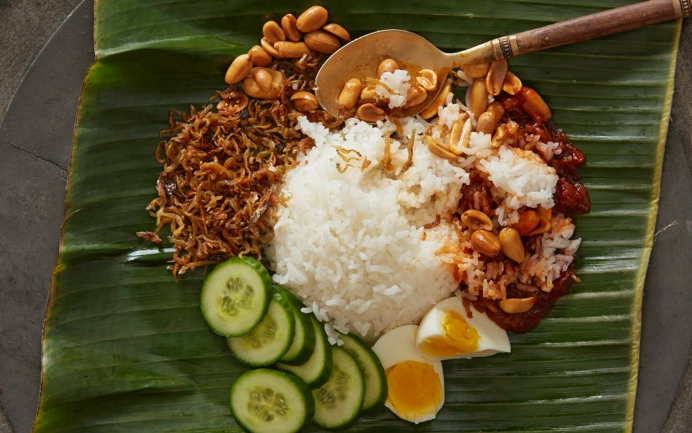
Navigating the Landscape: A Regional Food Map
Malaysia is split between Peninsular Malaysia and East Malaysia (Borneo), and the food changes as you move. Here's a quick, handy breakdown to know what to expect where.
| Region | Key Characteristics | Signature Dishes to Seek Out |
|---|---|---|
| Penang & Northern States | Strong Thai & Burmese influences. Lighter, often tangier flavors (tamarind, lime). Famous for street food. | Asam Laksa, Penang Hokkien Mee (spicy prawn noodle soup), Pasembur (salad with fried items), Cendol (shaved ice dessert). |
| Kuala Lumpur & Central | The melting pot. Everything is here. A mix of Malay, Chinese, Indian, and modern fusion. | Curry Laksa, Bak Kut Teh (herbal pork rib soup), Nasi Kandar (rice with multiple curries), all the classic street foods. |
| Malacca (Melaka) | Strong Peranakan (Nyonya) influence. A unique blend of Chinese ingredients with Malay spices. | Nyonya Laksa, Chicken Rice Balls, Cendol, Pongteh (braised chicken with fermented bean paste). |
| East Coast (Kelantan, Terengganu) | More traditional Malay cuisine. Sweeter flavors, liberal use of coconut. Less Chinese influence. | Nasi Kerabu (blue rice with herbs), Nasi Dagang (rice with tuna curry), Keropok Lekor (fish sausage), Ayam Percik (grilled coconut chicken). |
| East Malaysia (Sabah & Sarawak) | Distinct indigenous cuisines. Ingredients you won't find on the peninsula. | Sarawak Laksa (different from both Penang & Curry!), Midin fern stir-fry, Umai (raw fish salad), Tuak (local rice wine). |
Pro Tip: If you're traveling, don't just stick to one city's food. The regional differences are stark and wonderful. A Malaysia meal in Kota Bharu will feel completely different from one in Kuching.
How to Eat Like a Local: The Unwritten Rules
This is where guidebooks often fall short. Knowing the dishes is one thing; knowing how to navigate the eating culture is another. Let's demystify it.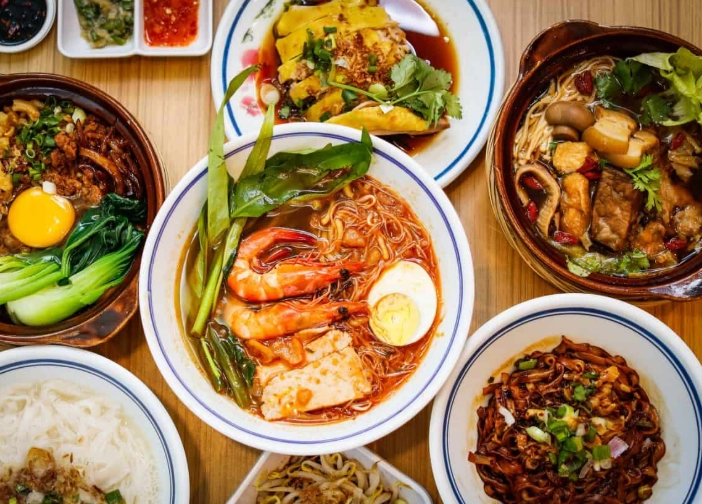
Where to Find the Best Food
Forget fancy restaurants for your first stops. The soul of a Malaysia meal is in these places:
- Hawker Centres (Medan Selera): Open-air complexes with dozens of stalls under one roof. Loud, chaotic, humid, and amazing. Grab a seat (sometimes you share tables), note your table number, walk around to see what looks good, order from different stalls, and give them your table number. The food will come to you. Payment is usually when the food arrives. Pudu Wai Sek Kai in KL or Gurney Drive in Penang are famous ones, but any local one near a housing area is usually great.
- Kopitiams: Old-school Chinese coffee shops. The heart of community life. They serve simple meals throughout the day – toast with kaya (coconut egg jam), soft-boiled eggs, noodles, rice dishes. Great for breakfast and a strong local coffee.
- Mamak Stalls: Muslim Indian eateries, often open 24 hours. The place for Roti Canai, Mee Goreng (fried noodles), and Teh Tarik ("pulled" milk tea). A cultural institution for late-night eats and watching football.
- Pasar Malam (Night Markets): Traveling street markets that set up in different neighborhoods each night. The ultimate food safari. Walk, point, eat, repeat. You'll find everything from Apam Balik (peanut pancakes) to grilled seafood on a stick.
A Reality Check: Hawker centres are not air-conditioned. You will sweat. The plastic stools might be wobbly. The tissue paper served as a napkin is comically thin. But this is part of the charm. Embrace the mess. The food is worth it.
The Art of Ordering & Eating
Some practical tips to avoid looking like a total newbie.
- Chopsticks, Fork & Spoon, or Hands? Noodles and Chinese dishes: chopsticks. Rice with curries and most Malay/Indian food: use your right hand or a fork (to push) and spoon (to eat). It's perfectly normal to use cutlery. Eating Nasi Lemak or Nasi Kerabu with your right hand is the traditional way and can be a fun, tactile experience.
- "Bungkus" or "Dapur"? "Bungkus" means takeaway (packed in a plastic bag or box). "Dapur" or "Makan sini" means eat here.
- Spice Level: Sambal and chili are often served on the side. You control the heat. If a dish is inherently spicy (like Asam Laksa), they'll usually ask if you can handle it. "Sedikit pedas" means a little spicy. "Biasa" means the normal, local level – which can be very hot for the uninitiated. Proceed with caution.
- Sharing is Caring: Meals are often communal. Order a few different dishes for the table and share. You get to try more that way.
I learned the hard way about spice levels. My first "Biasa" order of Mee Goreng left me gulping down two glasses of Teh O Ais (iced tea without milk). It was painful but memorable. Now I start with "Sedikit pedas" and work my way up.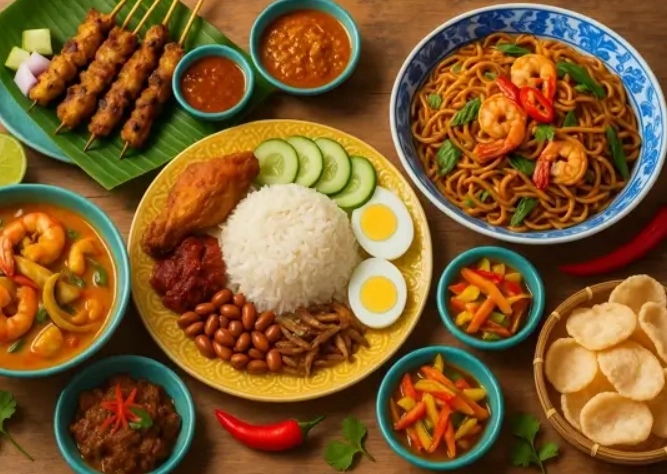
Bringing the Flavors Home: Cooking a Malaysia Meal
Maybe you're not traveling anytime soon. Maybe you caught the bug and want to recreate the magic in your own kitchen. It's totally doable, though it requires some key ingredients.
The Essential Pantry
You can't build these flavors without the foundation. Here's what you need to look for in an Asian grocery store:
- Aromatics Paste (Rempah): The base of countless dishes. A blend of shallots, garlic, ginger, galangal, lemongrass, and chilies, ground into a paste. You can buy pre-made versions, but making it fresh is best.
- Sambal: Chili paste. Sambal Belacan (with fermented shrimp paste) is the king. It's used as a condiment and a cooking ingredient.
- Coconut Milk: Get it in cans or cartons. Avoid the "light" versions for cooking; you need the fat for flavor and texture.
- Dark Soy Sauce & Light Soy Sauce: They're different. Dark is for color and a molasses-like sweetness. Light is for saltiness.
- Belacan: Dried, fermented shrimp paste. It smells... intense. But it's fundamental. Toast a small piece before using to mellow and deepen its flavor.
- Tamarind Paste/Concentrate: For that essential sour tang.
A Simple Recipe to Start: Nasi Lemak (Simplified Home Version)
Don't be intimidated. Let's break down the national dish.
- The Rice: Rinse 2 cups of jasmine or long-grain rice. Add it to your rice cooker with 2.5 cups of coconut milk (not water!), a pinch of salt, and 2 knotted pandan leaves (if you can find them). Cook as normal. The smell alone is worth it.
- The Sambal (Easy Version): In a pan, fry 3 tbsp of store-bought sambal oelek or blended fresh red chilies in a little oil for 2 minutes. Add 1 tbsp of tamarind paste mixed with 4 tbsp water, 1 tsp sugar, and salt to taste. Simmer until it thickens slightly. That's your basic spicy kick.
- The Toppings: Fry some small dried anchovies (ikan bilis) in a little oil until crispy. In the same pan, quickly roast a handful of raw peanuts. Slice some cucumber. Hard boil an egg.
- Assembly: Scoop the fragrant coconut rice onto a plate. Arrange a spoonful of sambal, the crispy anchovies, peanuts, cucumber slices, and egg quarter around it.
That's it. Your homemade Malaysia meal centerpiece is ready. It's not the full street vendor experience, but it captures the soul of the dish: the rich rice, the spicy-sweet sambal, and the crunchy textures.
Is it as good as the one from the grizzled auntie at the stall who's been making it for 40 years? Probably not. But it's yours, and it's delicious. For more detailed, authentic recipes, the website Nyonya Cooking is an fantastic resource with well-tested recipes and explanations of techniques.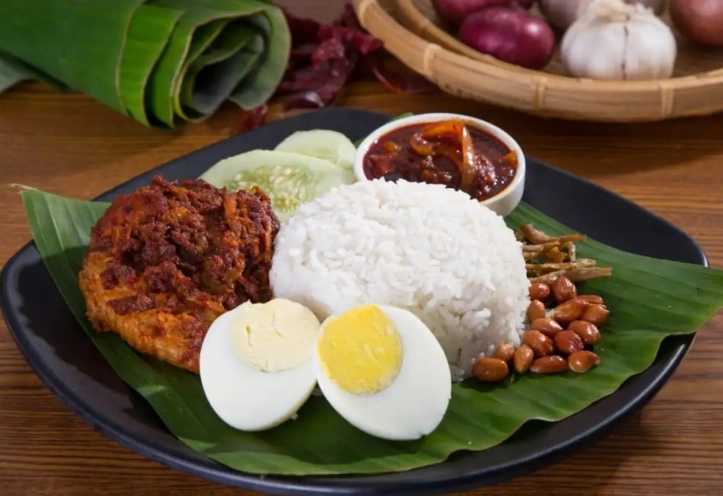
Answering Your Burning Questions (FAQ)
The Final Bite
Exploring a Malaysia meal is more than just filling your stomach. It's a direct line into the country's history, its people, and their way of life. It's noisy, vibrant, unpretentious, and deeply rewarding. It's about that first bite of charred satay, the comforting slurp of laksa, the shared joy of a table full of different dishes.
Start with the classics, be brave with the street food, don't fear the sambal, and most importantly, enjoy the ride. Your taste buds will thank you.
And if you ever get the chance, go. Book the ticket, land in Penang or KL, and just start eating. No plan is often the best plan. Follow your nose. Point at what the person next to you is having. You really can't go wrong. Every meal is a new chapter in the same delicious story.
Reader Comments