Your Rome Journey at a Glance
Let's be honest. Planning a trip to Rome can feel overwhelming. You've got a thousand years of history staring you in the face, a guidebook thicker than a brick, and everyone from your aunt to a random travel blogger has a different opinion on the "must-sees." I've been there, staring at a map dotted with pins, paralyzed by choice. The truth is, not all top Rome Italy attractions are created equal, and your time (and energy) is precious.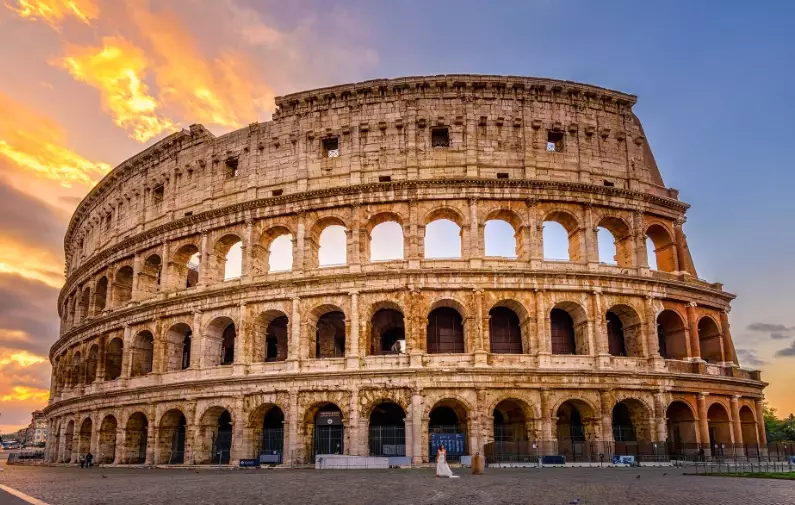
This isn't just another list. Think of it as a chat with a friend who's made the mistakes, stood in the wrong line, and found the quiet corners so you don't have to. We're going to break down the genuine essentials, the slightly overrated spots (I'll name names), and the practical, no-BS tips that turn a good trip into a great one. Forget the fluff. Let's talk about what it's actually like to visit these places.
The Non-Negotiables: Rome's Iconic Heavy Hitters
These are the postcard places. The ones you'll recognize instantly. They're popular for a reason, but that also means crowds. The key isn't avoiding them—it's outsmarting them.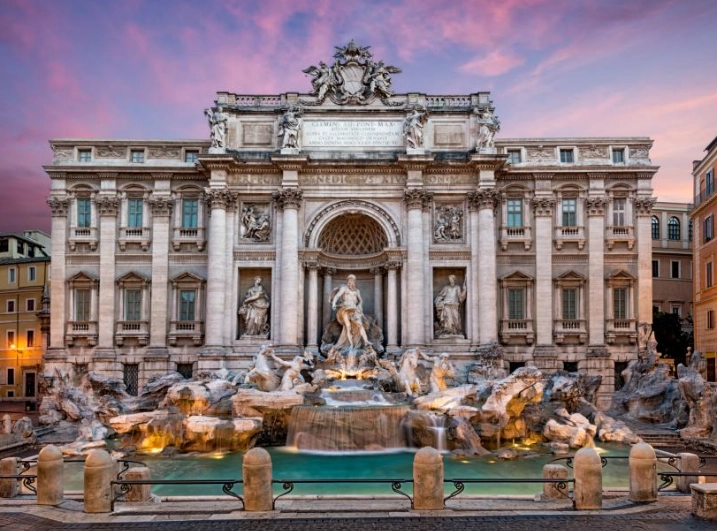
The Colosseum, Roman Forum & Palatine Hill
This is the big one. The symbol of Rome. Walking into the Colosseum is a surreal experience; you can almost hear the roar of the crowd. But here's my take: the interior, while massive, can feel a bit... empty. The real magic for me was understanding its context.
That's why the combo ticket with the Roman Forum and Palatine Hill is the only way to go. Wandering through the Forum, the ancient city's downtown, gives you the chills. You're walking the same stones as Caesar. Palatine Hill, the posh ancient neighborhood with killer views, offers a breather from the crowds below.
My personal low point? The summer heat in the Forum with little shade. Bring water. Lots of it.
Vatican City: St. Peter's Basilica & The Vatican Museums
Yes, it's a separate country. No, you don't need a passport for the day. This is a two-act play, and most people get it backwards.
Act 1: The Vatican Museums & Sistine Chapel. This is a marathon, not a sprint. The collection is mind-bogglingly vast. You'll see everything from Egyptian mummies to Raphael's frescoes, all funneling you towards Michelangelo's ceiling in the Sistine Chapel. A word of warning: the "Chapel" part is often forgotten. It's a sacred space, and guards will (loudly) shush people. It's crowded, hot, and everyone's neck is craned upwards. It's breathtaking, but it's not a peaceful meditation.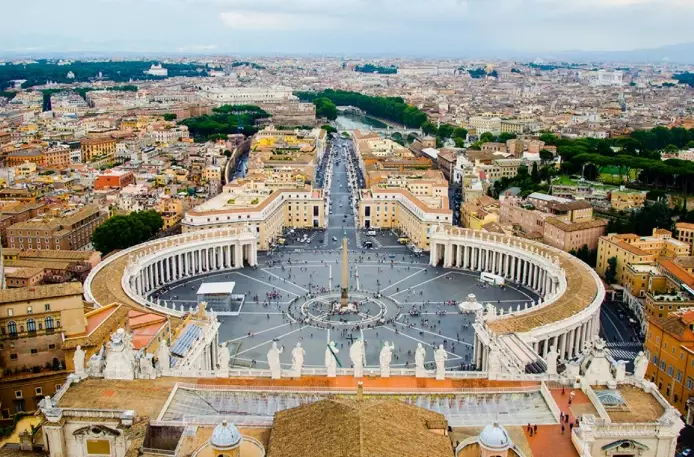
Act 2: St. Peter's Basilica. This is free to enter (though there's a charge for the dome climb). The scale is incomprehensible until you're inside, feeling tiny next to the marble pillars. Michelangelo's Pietà is behind glass now but still stunning. Here's the secret connector: There is a direct passage from the Sistine Chapel to St. Peter's, but it's only for guided tour groups. If you're on your own, you have to exit the museums and walk around the walls to the Basilica square—a 10-15 minute walk. Check the line for the Basilica security; sometimes it's short, sometimes it's long.
The dome climb? A brutal 551 steps if you do it all, but the view over Rome and down into the Basilica is one of the top Rome attractions for photography buffs.
The Pantheon
Good news: It's free! (As of my last visit, though there's been talk of a fee for years). This is my favorite building in Rome. From the outside, it's impressive. You walk inside, and your brain short-circuits. That dome, the oculus open to the sky, the perfect proportions—it's engineering and art fused, and it's been standing for nearly 1900 years. It rains inside sometimes. How cool is that?
It gets packed. Go early in the morning, right when it opens, or enjoy it from the outside with a gelato in the evening when the square has a nice buzz. The area around it is a fantastic spot to just wander.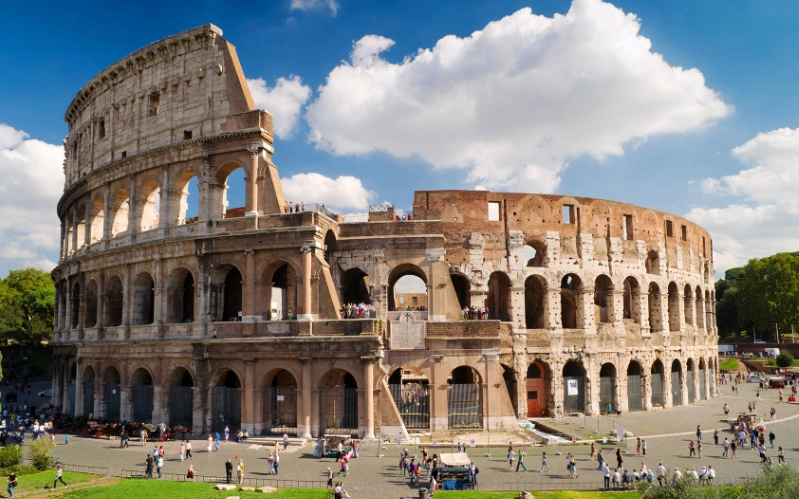
Trevi Fountain
It's beautiful. It's also a perpetual mosh pit of selfie sticks. The sculpture is dramatic and huge, and tossing a coin over your left shoulder with your right hand (the famous tradition) is fun. But managing your expectations is key. You will not have a serene, contemplative moment here during daylight hours. Visit late at night (past 11 PM) or at the crack of dawn if you want a photo without a hundred strangers in it. It's always lit, and night gives it a magical glow.
Beyond the Postcard: Gems That Make Rome Rome
If you only see the list above, you'll see an incredible Rome. But to feel Rome, you need to dig a little deeper. These spots offer less crowding and more character, and for many travelers, they become the highlight.
The Spanish Steps & Piazza di Spagna
Recently restored and with new rules—you can no longer sit on the steps. Guards will whistle at you if you try. So the classic lounging photo op is gone. But it's still a beautiful staircase and a great people-watching hub. The area is high-end shopping (Via dei Condotti) and the Keats-Shelley House is a neat little museum for literature fans. The real charm is the vibe of the piazza at the bottom.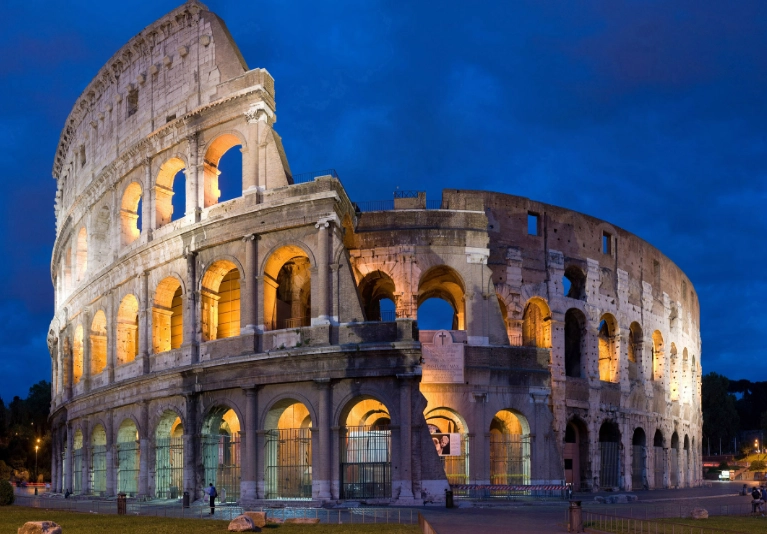
Piazza Navona
This is Rome's living room. An elegant, elongated square built over an ancient stadium (you can still see the shape). It's dominated by Bernini's dramatic Fountain of the Four Rivers. It's lined with cafes (overpriced, but the price is for the view), artists, and street performers. It's always lively. Grab a drink, find a spot on a fountain ledge, and just watch the world go by. It feels quintessentially Roman.
Trastevere
This isn't a single attraction; it's a neighborhood, and it's where I tell people to spend an evening. Cross the Tiber River, and you enter a maze of cobblestone streets draped with ivy and laundry lines. It feels less polished, more authentic. It's packed with trattorias, tiny piazzas, and buzzing bars. The Basilica of Santa Maria in Trastevere has stunning golden mosaics. Come for dinner, get lost in the streets, and experience Rome after dark like a local.
The Borghese Gallery & Gardens
For art lovers, this is a top-tier Rome Italy attraction that often gets overshadowed. Housed in a villa in the vast Villa Borghese park, it's a manageable, stunning collection. You'll see Bernini's sculptures like "Apollo and Daphne" up close—the detail is insane. The catch? You must book a timed entry ticket online well in advance. They only let a limited number of people in every two hours, so it never feels crowded. After your visit, rent a bike or a silly four-person pedal cart and explore the park. It's a green escape from the city stone.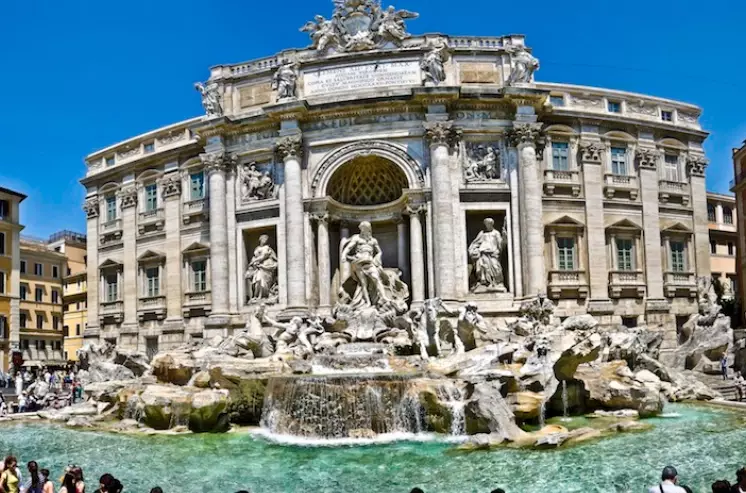
Quick Comparison: The Big-Ticket Attractions
Here’s a snapshot to help you prioritize your time and budget. This table cuts through the confusion.
| Attraction | Booking Necessity | Best Time to Visit | Time Needed | My "Worth-It" Factor |
|---|---|---|---|---|
| Colosseum/Forum | Essential (Book online) | Opening time or last 2 hrs | 3-4 hours (for all 3 sites) | 10/10 (The core of ancient Rome) |
| Vatican Museums | Critical (Book weeks ahead) | Early entry or late afternoon | 3-5 hours (it's vast) | 9/10 (Crowded, but unparalleled art) |
| St. Peter's Basilica | Not for entry (for dome, yes) | Early morning or near closing | 1-2 hours (add 1hr for dome) | 10/10 (Free and awe-inspiring) |
| Borghese Gallery | Mandatory (Timed slots) | Whenever you get a slot! | 2 hours (strictly timed) | 9/10 (For art lovers, a serene must) |
| Pantheon | No (for now) | First thing in the morning | 30-45 mins | 10/10 (Quick, free, and genius) |
Making It Work: Practical Logistics for Real People
Knowing what to see is half the battle. The other half is figuring out the how. This is where most generic guides fall short.
Tickets, Passes, and Saving Your Sanity
The golden rule of modern Rome tourism: book online in advance. I can't stress this enough. For the Colosseum and Vatican, it's the difference between a smooth visit and a day-ruining queue.
What about the Roma Pass or Omnia Card? They're combo passes that offer skip-the-line and transit. They can be worth it, but you need to do the math. If your itinerary is packed with their included attractions (like the Colosseum), and you'll use the transit, it might break even or save a few euros. But if you prefer a slower pace or want to visit non-included sites (like the Borghese), you might not get the value. They also don't always get you into the "fastest" line—there's still a security queue. For a first-timer with a busy list, they can simplify things. For everyone else, it's often just as easy to book the two or three big tickets individually.
Crafting Your Days: Sample Itinerary Ideas
Rome's attractions are clustered. Grouping by geography saves your feet.
The Ancient Rome Day: Colosseum (9 AM slot) → Roman Forum → Palatine Hill → Lunch in Monti → Capitoline Museums (optional) → Walk to the Pantheon (20 mins). A long but coherent day.
The Vatican & Trastevere Day: Vatican Museums (early entry) → Sistine Chapel → Walk to St. Peter's Basilica → Climb dome (if energy permits) → Late lunch → Cross river to Trastevere for evening exploration and dinner. A big cultural day followed by a lively night.
The Baroque & Dolce Vita Day: Spanish Steps → Trevi Fountain (early!) → Pantheon → Piazza Navona → Campo de' Fiori market (mornings) → Evening in the Centro Storico backstreets. A more relaxed, wandering day hitting several of the top Rome Italy attractions that are close together.
Getting Around
The historic center is very walkable. In fact, walking is the best way to stumble upon hidden piazzas and fountains. For longer hops (e.g., from Termini station to Vatican), the Metro (Line A and B) is efficient and cheap. Buy a BIT ticket from a tabacchi (newsstand) or machine. Buses cover more ground but can be confusing and stuck in traffic. Taxis are regulated—use only official white cabs with a meter, or book via an app like FREE NOW. Never get in an unmarked car offering a "taxi" service.
Answering the Real Questions You're Searching For
Based on what people actually ask online and what I wished I knew, here are some straight answers.
Common Q&A: Rome Travel Dilemmas Solved
The Takeaway: Your Rome, Your Way
Listing the top Rome Italy attractions is easy. The hard part is weaving them into a trip that feels personal and enjoyable, not like a frantic checklist. Rome has a way of throwing plans out the window anyway—a sudden rainstorm, a discovered trattoria, a line that's longer than expected.
So book your must-sees (Colosseum, Vatican, Borghese), then leave the rest loose.
Let yourself get lost between the big-ticket items. That's where you'll find your own Rome—in the quiet church around the corner, the perfect espresso, the golden light on an ancient wall. The attractions are the anchors, but the city in between is the soul. Prioritize, plan the logistics for the big ones, and then just walk. The best attractions in Rome are often the ones you stumble upon when you're not looking for them.
For the most current official information on opening hours and ticketing, always double-check the source. The official Rome Tourism Board site is a reliable starting point for general planning.
Reader Comments