Your Flavor Map
Let’s be honest. When you think of Thai food, pad Thai and green curry probably pop into your head first. I get it, they’re everywhere. But there’s a whole universe of flavor out there that most menus barely scratch the surface of. Thai traditional dishes are about balance—a wild, delicious dance between spicy, sour, salty, sweet, and sometimes bitter. It’s not just about heat; it’s about harmony.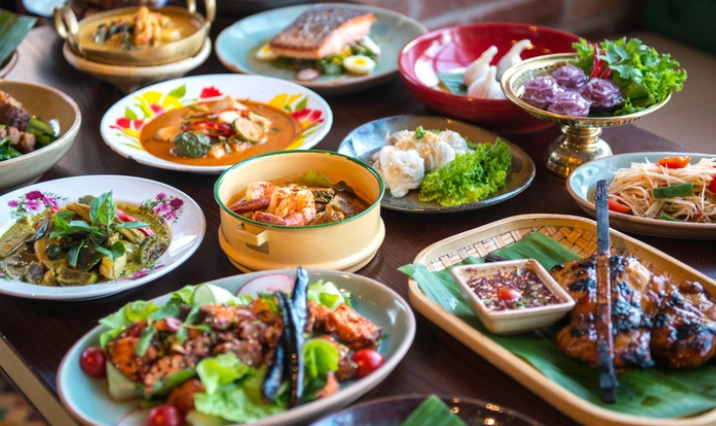
I remember my first real encounter with Thai food beyond the takeout box. It was a steaming bowl of Tom Yum Goong that literally made my nose run and my eyes water, but I couldn’t stop eating it. That’s the magic. It hurts so good. That experience sent me down a rabbit hole, from street stalls in Bangkok to family kitchens in Chiang Mai, trying to understand what makes this cuisine tick.
This guide is for you if you’re tired of the same old listings and want to know what you’re actually eating, why it tastes that way, and how to find the good stuff. We’re going deep on the classics, the regional secrets, and the street food heroes that define traditional Thai cuisine.
The Heart of the Meal: Core Thai Traditional Dishes You Must Know
Forget courses. A Thai meal is often a shared affair, with several dishes hitting the table at once. Here are the pillars you’ll keep coming back to.
Curries: More Than Just Color
The curry is a masterpiece of preparation. It all starts with the paste, krueng gaeng, pounded by hand in a mortar and pestle. The color tells you part of the story, but the ingredient list tells the rest. Green gets its hue and fresh kick from green chilies and herbs like cilantro root. Red uses dried red chilies. Massaman, with its Persian influences, is richer with spices like cardamom and cinnamon. Panang is thicker, sweeter, and often has roasted peanuts ground into the paste.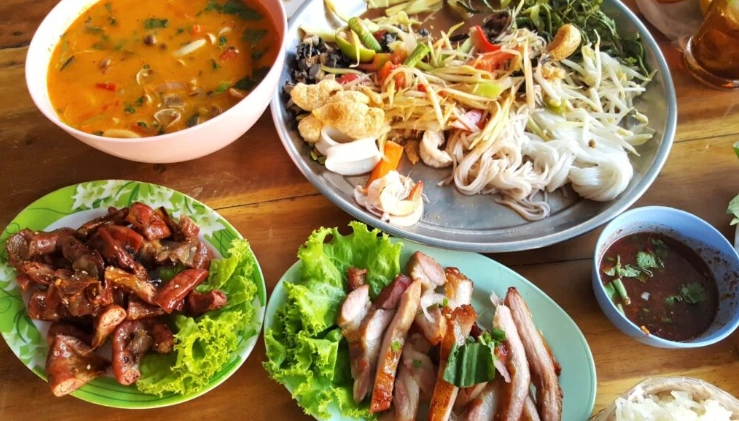
But here’s a personal take: not all restaurant green curries are created equal. Sometimes they’re too sweet, trying to cater to a foreign palate. A truly authentic one should slap you with herbal, aromatic heat first, then mellow out with the coconut milk.
The Soup Situation: Tom Yum & Tom Kha
Tom Yum is the national aroma. That sharp, sour, spicy, fragrant broth is unmistakable. The "Tom" means to boil, "Yum" refers to the spicy-sour salad style. Tom Yum Goong (with shrimp) is the superstar, flavored with lemongrass, galangal, kaffir lime leaves, chilies, and lime juice. The clear version (Tom Yum Nam Sai) is the purest form, while the creamy one (Tom Yum Nam Khon) has a dash of evaporated milk or coconut milk.
Then there’s its milder, richer cousin, Tom Kha Gai (chicken in coconut soup). "Kha" is galangal. This one is a creamy, coconut-milk-based hug in a bowl. It’s less about the fiery punch and more about the soothing, aromatic blend of galangal and lemongrass. It’s my go-to comfort food on a rainy day. The Tourism Authority of Thailand has a great page detailing the cultural significance of Tom Yum if you want to dive into its history.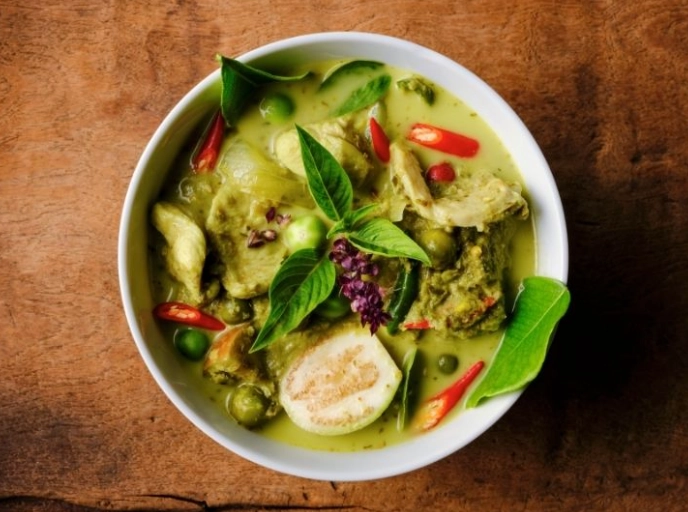
Salads (Yam): Where Flavor Explodes
Thai salads, or Yam, are anything but leafy and boring. They are vibrant, bold, and often the most exciting part of the meal. They perfectly embody the "Yum" principle—that spicy-sour mix.
- Som Tum: The green papaya salad from the Northeast (Isan). It’s a symphony of shredded unripe papaya, tomatoes, long beans, chilies, lime, fish sauce, and peanuts, all pounded in a mortar. The variations are endless: with salted crab (Som Tum Pu), with fermented fish sauce (Som Tum Pla Ra—not for the faint of heart!), or with mango instead of papaya.
- Yam Woon Sen: A glass noodle salad with minced pork, shrimp, and a tangy dressing. It’s lighter but packed with flavor.
- Yam Nua: A grilled beef salad with onions, mint, cilantro, and a fiery lime dressing. Simple, powerful.
Is Som Tum always painfully spicy? Not necessarily. You can ask for "mai pet" (not spicy), but honestly, a little kick is part of the experience. Just have a plate of sticky rice ready to cool your mouth down.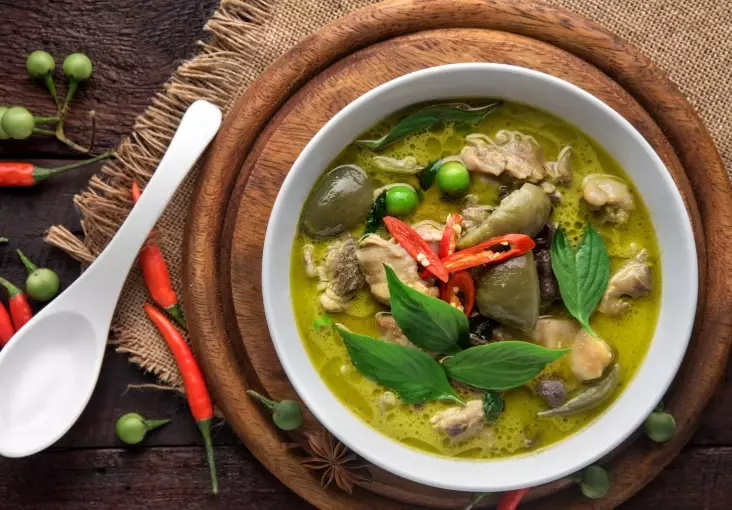
Stir-fries & Noodles: The Everyday Champions
Pad Thai might be the global ambassador, but in Thailand, it’s just one of many noodle options, often considered a bit of a tourist dish. For a more localized experience, try Pad See Ew—wide rice noodles stir-fried with dark soy sauce, Chinese broccoli, and egg. It’s savory, slightly sweet, and incredibly satisfying.
Khao Soi is a must-mention here, even though it’s a noodle soup. This northern Thai traditional dish is a beautiful contradiction: a creamy, coconut-based curry broth with both boiled and crispy fried egg noodles on top, served with pickled mustard greens, shallots, and lime. It’s a textural dream. You’ll find the best versions in Chiang Mai.
For a classic stir-fry without noodles, Pad Krapow (stir-fried basil) is the ultimate quick meal. Minced pork or chicken fried with lots of holy basil, chilies, garlic, and soy sauce, topped with a fried egg. Eaten over rice, it’s the definition of a flavor-packed, one-plate meal. Ask for "kai dao" (fried egg) on top. Trust me.
A Tour of Thailand on a Plate: Regional Traditional Dishes
Thailand isn’t a monolith. Its geography—central plains, mountainous north, arid northeast, tropical south—creates wildly different food cultures. This is where exploring Thai traditional dishes gets really interesting.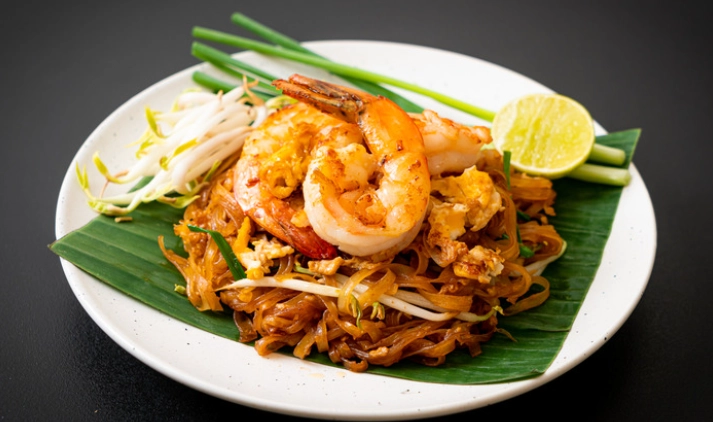
| Region | Flavor Profile & Characteristics | Signature Traditional Dishes |
|---|---|---|
| Northern Thailand | Milder, earthier, influenced by neighboring Myanmar and Laos. Less coconut milk, more herbs, roots, and fermented ingredients. Sticky rice is the staple. | Khao Soi (curry noodle soup), Sai Oua (herb-packed grilled sausage), Gaeng Hang Lay (Burmese-influenced pork belly curry with tamarind and ginger). |
| Northeastern Thailand (Isan) | Bold, spicy, sour, and salty. Known for grilled meats, fierce salads, and fermented fish. Sticky rice is essential for scooping. | Som Tum (papaya salad), Larb (minced meat salad with toasted rice powder), Gai Yang (grilled marinated chicken), Sticky Rice. |
| Central Thailand | The "classic" Thai taste most foreigners know. Balanced sweet, sour, salty, spicy. Uses coconut milk, fresh herbs, and river ingredients. | Tom Yum Goong, Green/Red Curry, Pad Thai, Hor Mok (steamed fish curry custard). |
| Southern Thailand | Intensely spicy, creamy with coconut milk, influenced by Malay and Indonesian cuisine. Features turmeric, seafood, and bitter notes. | Gaeng Som (sour orange curry with fish), Gaeng Tai Pla (extremely spicy and fermented fish kidney curry), Khao Yam (herb rice salad). |
If you visit, try to seek out a restaurant specializing in a specific region. The difference between a Central Thai green curry and a Southern Gaeng Som is like night and day.
The Soul of the Street: Unmissable Street Food Classics
Some of the best Thai traditional dishes are served on the sidewalk. Street food isn’t just fast food; it’s where culinary traditions are kept alive and accessible.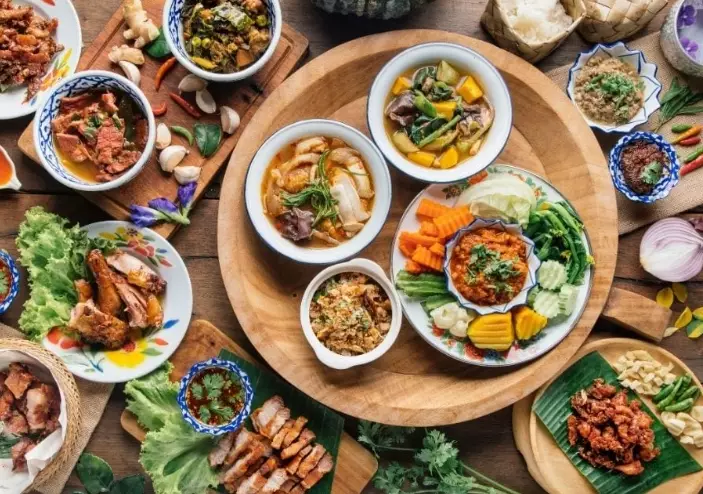
Moo Ping (grilled pork skewers) with sticky rice is the perfect breakfast or snack. The pork is marinated in coconut milk, coriander root, and garlic—sweet, savory, and smoky.
Khanom Buang, sometimes called Thai crepes, are crispy little shells topped with sweet or savory toppings. The classic sweet version has a meringue-like cream and shredded egg yolk threads. They’re a textural wonder.
And then there’s Guay Teow. This simply means noodle soup, and it’s a whole category. You choose your noodle (wide rice, thin rice, egg noodles), your protein (beef balls, pork, chicken, seafood), and your broth style. It’s the ultimate customizable, comforting meal, available at all hours. CNN Travel once did a great feature on Bangkok’s street food scene, highlighting how integral these stalls are to the city’s identity and food culture.
Some people worry about hygiene. My rule? Go where the locals line up. A high turnover means fresh food. Look for clean stalls where the cook handles money and food separately. I’ve eaten at hundreds of street stalls and rarely had an issue.
How to Actually Enjoy Thai Traditional Dishes
Knowing what to order is half the battle. The other half is knowing how to eat it.
First, share. Order a variety of dishes for the table: a curry, a soup, a salad, a stir-fry, and plenty of rice. Jasmine rice for central food, sticky rice for Isan food. Rice is your flavor moderator.
Second, embrace the condiments. The four companions on most tables are crucial: Nam Pla Prik (fish sauce with chilies), Prik Nam Som (vinegar with chilies), sugar, and dried chili flakes. Your dish not sour enough? Add the vinegar mix. Need more heat? Fish sauce chilies. It’s all about personalizing the balance.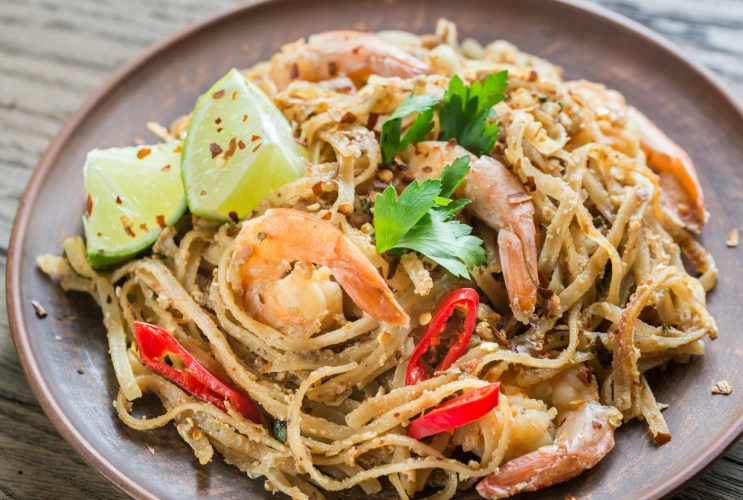
Third, manage the spice. Thai spice builds. If a dish is too hot, don’t drink water—it spreads the capsaicin. Eat more plain rice, cucumber, or a sweet bite. Asking for less spice is okay ("mai pet" or "pet nit noi"), but know that some dishes, like certain Southern curries, are meant to be fiery by design.
Want to try making it at home? Start with a good curry paste. Maesri or Mae Ploy brands (available in Asian stores or online) are solid, pantry-friendly foundations. For a truly from-scratch approach, the website of the Thai Cooking Academy offers authentic recipes that break down the paste-making process. It’s work, but the flavor difference is incredible.
Answers to Common Questions About Thai Traditional Dishes
Exploring Thai traditional dishes is a lifelong journey. There’s always a new herb to taste, a regional variation to discover, or a street vendor perfecting a single dish for decades.
The real joy is in the exploration itself. Start with a classic curry, then branch out to a fiery Isan salad, then comfort yourself with a bowl of Khao Soi. Each dish tells a story of its region, its people, and their connection to the land and sea.
So next time you look at a Thai menu, look past the pad Thai. Ask about the specials. Order something you can’t pronounce. Your taste buds will thank you. After all, understanding a culture often starts with sharing its food. And with Thai food, you’re in for one of the most vibrant, generous, and downright delicious conversations on the planet.
Reader Comments