Let's be honest. When you think of things to do in Washington DC, a predictable list pops up: the White House, the Lincoln Memorial, maybe the Smithsonian. And yes, those are essential. But treating DC as just a checklist of marble monuments is like reading only the table of contents of a great novel. You miss the story, the soul, the unexpected corners where the city truly lives. I've been exploring DC for over a decade, and the mistake I see most often is visitors spending their entire trip trudging up and down the National Mall, exhausted and missing the vibrant neighborhoods, incredible food, and layered history that exists just blocks away.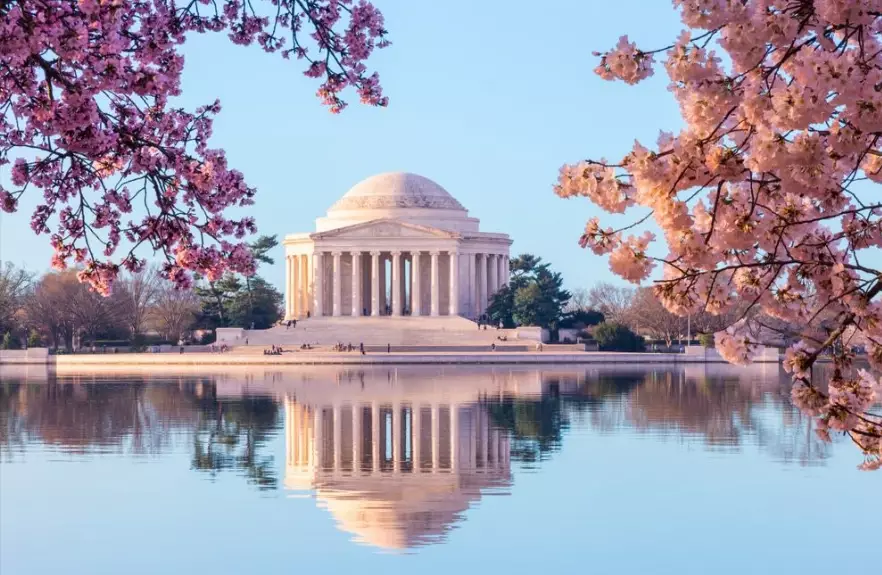
This guide is different. We'll cover the icons—you can't skip them—but we'll dive deeper. I'll show you how to see the monuments without the crowds, which museums are worth your limited time (and which you can skim), and where to find the DC that residents actually love. From practical logistics like Metro tips to hidden gardens and the best half-smoke in town, consider this your blueprint for a trip that's enriching, efficient, and genuinely fun.
Your Washington DC Adventure Awaits: Jump to Your Interest
The National Mall & Monuments: Seeing Them Right
The two-mile stretch from the Capitol to the Lincoln Memorial is the nation's front lawn. Everyone goes here. Few do it well. The classic error is attempting a midday summer marathon. You'll bake, the crowds will be thick, and the photos will be squinty.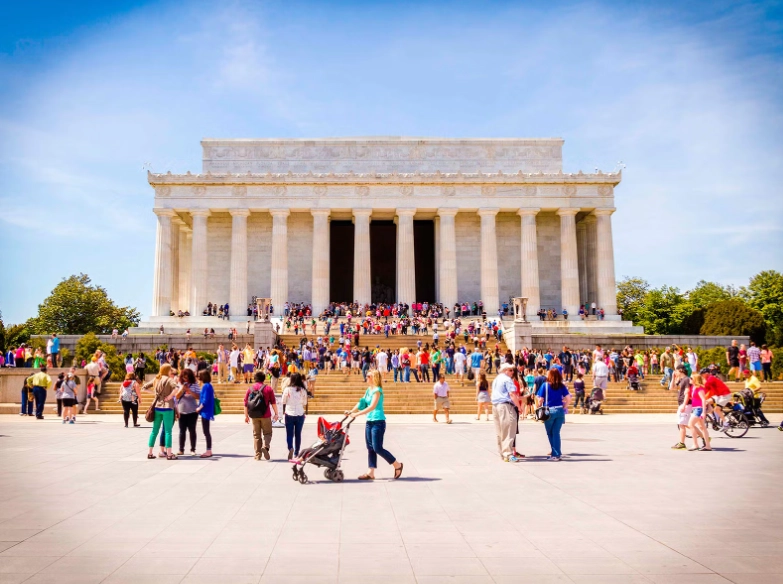
Must-Visit Icons & Practical Details
Here’s a breakdown of the core sites with the info you need to plan.
| Attraction | Address / Location | Key Details & Tips |
|---|---|---|
| Lincoln Memorial | 2 Lincoln Memorial Cir NW | Open 24 hours. Free. Look for the engraving where MLK Jr. stood for "I Have a Dream." The lower level museum is often overlooked. |
| Washington Monument | 2 15th St NW | Tickets (free) are required. Reserve online in advance via Recreation.gov for a $1 fee. Walk-up tickets are limited and vanish early. The view is worth it. |
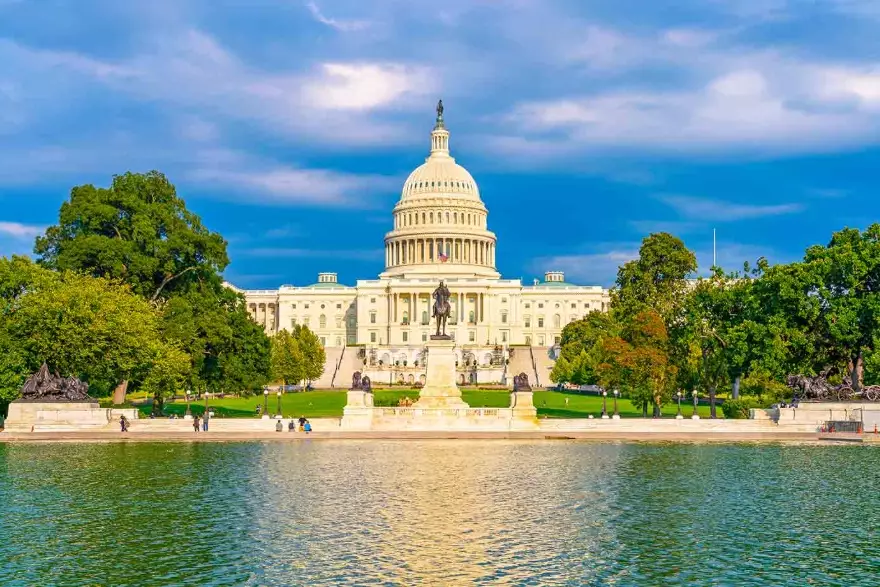
| U.S. Capitol & Library of Congress | First St SE | Free tours must be booked in advance through your Senator or Representative's office (the best way) or online. Don't miss the neighboring Library of Congress Jefferson Building—it's stunning and often quieter. |
| White House (Exterior) | 1600 Pennsylvania Ave NW | Public tours are extremely limited and require requests through your Member of Congress months ahead. Everyone can walk along Pennsylvania Ave and see the North Lawn. Lafayette Square offers a good view. |
| Tidal Basin & Memorials | Along the Tidal Basin | Home to the Jefferson, FDR, and MLK Memorials. Visit during the Cherry Blossom Festival (late March-early April) for iconic views, but expect massive crowds. Any other time is peaceful. |
Getting around the Mall: The Circulator Bus's National Mall route is a lifesaver for $1. The DC Metro stops at Smithsonian (on the Mall's center) and Archives (near the Capitol) are your best friends. Wear walking shoes—you'll easily log 5+ miles.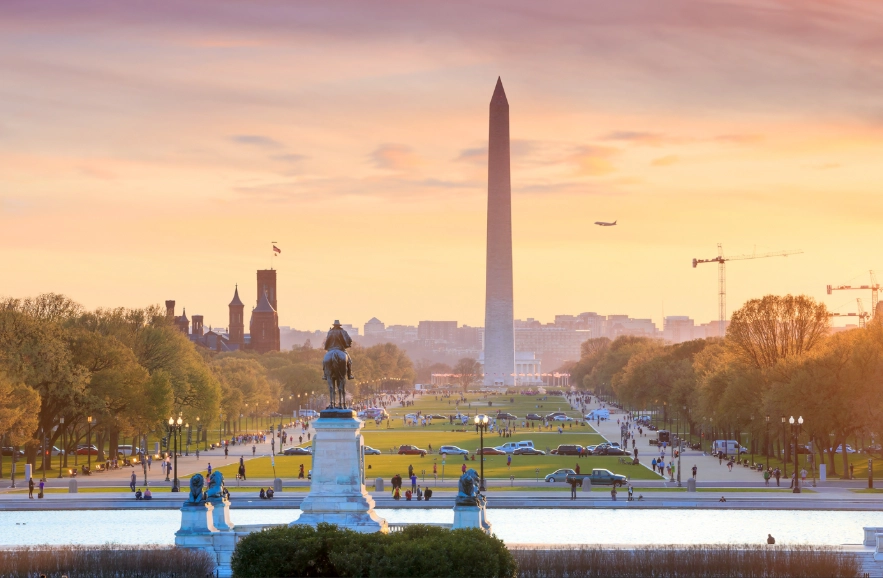
Museum Mastery: Navigating the Smithsonian & Beyond
All Smithsonian museums are free. That's amazing, but it can lead to "museum fatigue"—trying to see everything and enjoying nothing. You cannot do them all in one trip. Be selective.
A Local's Museum Strategy
Pick two "major" museums per day max. Start with the one you're most excited about when your energy is high. Use the museum's map to hit your top 3 exhibits, then wander. The cafeterias are expensive; pack a snack. And the often-forgotten National Museum of the American Indian has one of the best (and most ethically sourced) museum cafes in town—a great lunch stop even if you don't tour the galleries.
Top Smithsonian Picks for Different Interests
For History Buffs: The National Museum of American History is a must. See the Star-Spangled Banner, Dorothy's ruby slippers, and Julia Child's kitchen. It's vast, so focus.
For Air & Space Enthusiasts: The National Air and Space Museum on the Mall is undergoing renovations (check what's open). Many don't know the Steven F. Udvar-Hazy Center near Dulles Airport is part of the Smithsonian—it houses the Space Shuttle Discovery and a Concorde, and it's spectacular. Worth the trip if you have a car.
For Art Lovers: The National Gallery of Art (split into East and West buildings) is world-class and separate from the Smithsonian. Don't miss the sculpture garden. For modern art, the Hirshhorn Museum and its sculpture circle are fantastic.
A Hidden Gem: The National Building Museum (not free, ~$10) near Judiciary Square has a stunning Great Hall and fascinating exhibits on design and architecture. It's a cool, quiet escape.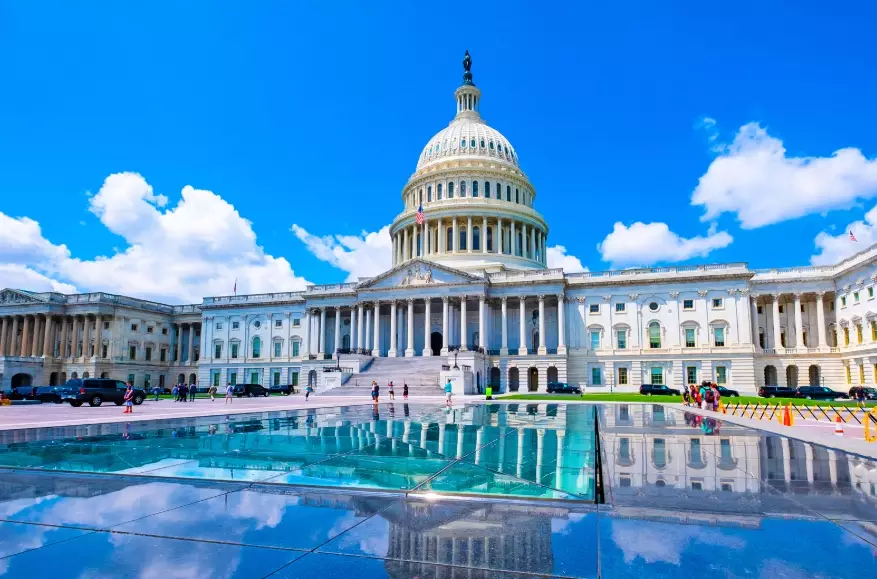
Beyond the Mall: Neighborhoods & Local Gems
This is where your trip goes from good to great. DC's neighborhoods each have a distinct personality.
Georgetown
Yes, it's famous, but avoid the packed M Street chain stores. Wander the cobblestone side streets like Prospect St. for gorgeous historic homes. Walk the C&O Canal towpath. Climb the Exorcist Steps. For a treat, get a cupcake from Baked & Wired (I prefer it over the tourist-magnet Georgetown Cupcake). Address: 1052 Thomas Jefferson St NW.
U Street & Shaw
The heart of DC's jazz history and Black culture. Visit the African American Civil War Memorial. See a show at the historic Lincoln Theatre or Howard Theatre. The food scene is incredible: get a half-smoke (DC's signature sausage) at the legendary Ben's Chili Bowl (1213 U St NW) or explore modern Ethiopian cuisine on 9th Street.
Eastern Market & Capitol Hill
South of the Capitol, this is a residential area with a vibrant weekend Eastern Market (7th St SE), a must-visit on Saturday or Sunday for local crafts, food, and produce. Stroll the tree-lined streets with colorful row houses.
The Wharf
A recently developed waterfront area with restaurants, shops, and live music venues like The Anthem. It's a nice place for an evening stroll or a seafood dinner. You can catch a water taxi to Georgetown or Old Town Alexandria from here.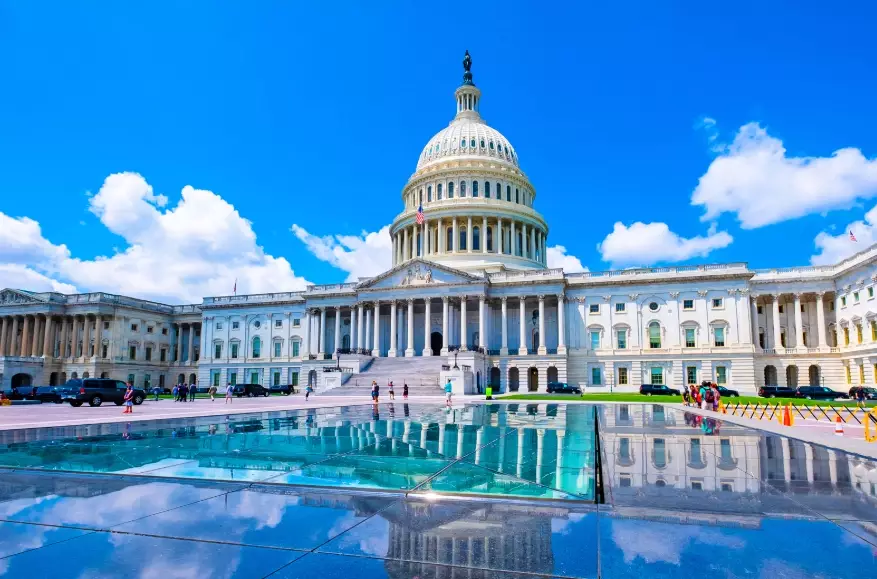
Crafting Your Perfect Washington DC Itinerary
Let's put it all together. Here’s a sample 3-day plan that balances icons with local flavor.
Day 1: Monuments & Mall Core
Morning: Dawn photo session at the Lincoln Memorial, walk to WWII and Reflecting Pool.
Late Morning: Timed entry to the Washington Monument.
Afternoon: Choose ONE Smithsonian museum (American History or Natural History).
Evening: Dinner in the Penn Quarter/Chinatown area (centrally located).
Day 2: Capitol, Culture & Neighborhoods
Morning: Pre-booked tour of the U.S. Capitol. Explore the Library of Congress.
Afternoon: Head to Eastern Market (lunch from vendors). Explore Capitol Hill streets.
Evening: Experience U Street. Dinner at Ben's Chili Bowl or a sit-down Ethiopian restaurant. Catch some live jazz.
Day 3: Choice Day
Option A (Arts & Gardens): National Gallery of Art, then afternoon in Georgetown for shopping and the canal.
Option B (Deep Dive): A second major museum (Air & Space or African American History & Culture—this one requires timed passes, plan ahead!), then relax at The Wharf.
Option C (Day Trip): Take the Metro to Old Town Alexandria (King Street station) for colonial charm and waterfront dining.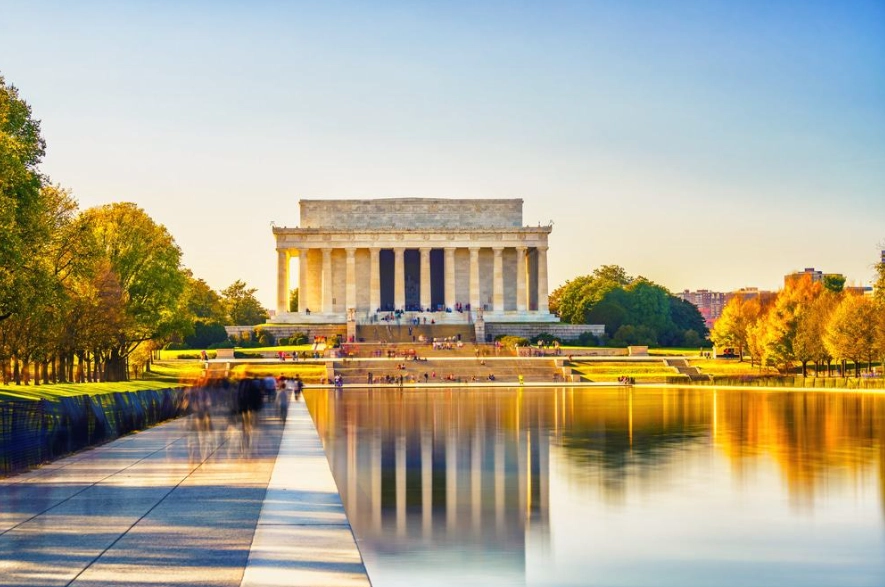
Your Washington DC Questions, Answered
 Where should I stay in Washington DC?