Figuring out what to visit in Boston can feel overwhelming. You've got the history, the museums, the universities, the food – it's a lot. Most lists just throw famous names at you. I've lived here for a decade, and I'm telling you, a great Boston trip isn't about checking every single box. It's about understanding the city's rhythm and picking the experiences that match your pace. This guide cuts through the noise. We'll cover the iconic spots you really shouldn't miss, some quieter gems, and the practical, no-BS details like ticket hacks and the best times to go to avoid the crowds. Let's get straight to it.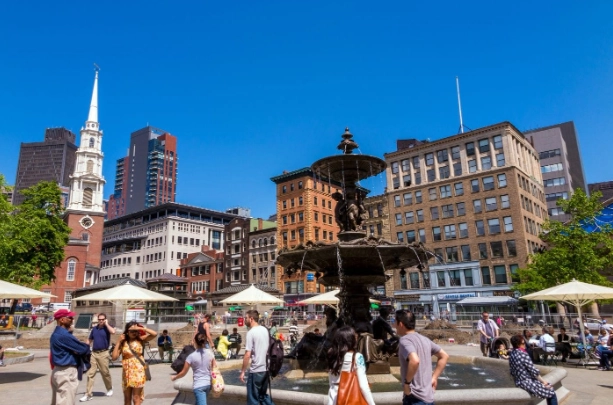
Your Boston Trip at a Glance
The Non-Negotiable Boston Attractions
These are the pillars. You can't talk about Boston without them. But here's the key – you don't have to do them all exhaustively. Sometimes seeing them is enough.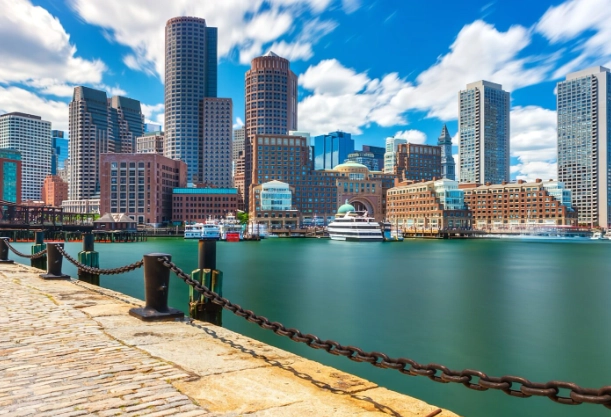
The Freedom Trail & Historic Heart
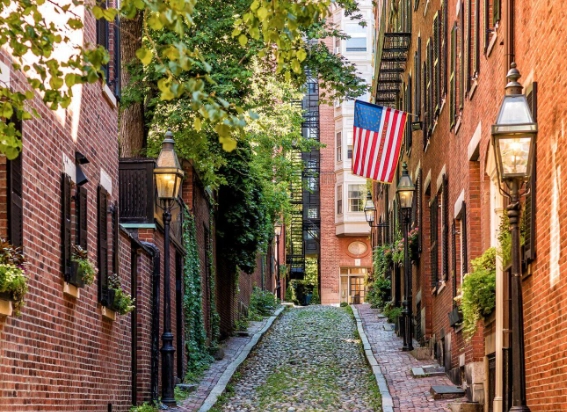
The 2.5-mile red brick line is Boston's spine. Walking it is the single best way to absorb the city's revolutionary history. Don't feel pressured to tour every single stop. The exteriors and the walk itself are 80% of the experience.
- Faneuil Hall Marketplace: Tourist central, but vibrant. The food hall inside (Quincy Market) is perfect for a quick, diverse lunch. Address: 4 S Market St, Boston, MA 02109. Hours: Marketplace 10 AM-9 PM (restaurants later). Tip: The National Park Service runs free 30-minute talks inside the Great Hall upstairs – a calm escape from the crowds below.
- Boston Common & Public Garden: The start of the Trail. The Common is a public park; the Garden is a manicured Victorian masterpiece. Ride the Swan Boats in the Garden (seasonal, ~$4.50). It's cheesy and wonderful. Address: Bordered by Beacon, Park, Boylston, Tremont, and Charles Sts. Subway: Park Street or Boylston on the Green/Red Lines.
- Granary Burying Ground: See the graves of Paul Revere, John Hancock, Sam Adams. It's a five-minute stop, but powerful. Free entry.
Culture, Art & Academia
Boston's brainpower is on full display here.
- Boston Public Library (BPL) Central Branch: My favorite free activity. It's a palace. See Bates Hall, the stunning reading room, and the courtyard. Address: 700 Boylston St. Hours: Mon-Thu 9am-8pm, Fri-Sat 9am-5pm, Sun 1pm-5pm. Free tours are available.
- Museum of Fine Arts (MFA): Massive and world-class. You need 3-4 hours minimum. Address: 465 Huntington Ave. Hours: Wed-Sun 10am-5pm, Thu-Fri until 10pm. Admission: ~$27 adults. Hack: Wednesdays after 4pm are by voluntary donation (suggested $5). The MFA website has current exhibits.
- Isabella Stewart Gardner Museum: An utterly unique Venetian-style palace built by a heiress to house her art. The 1990 art heist (still unsolved) adds intrigue. Address: 25 Evans Way. Hours: Mon, Wed, Fri-Sun 11am-5pm, Thu 11am-9pm. Admission: ~$20. Pro-tip: If your name is Isabella, you get in free for life.
- Harvard Square & Harvard Yard: Take the Red Line to Harvard. Wander the Yard (free), feel the Ivy League buzz. The Harvard Museum of Natural History (with its famous glass flowers) is worth the entry fee if you have time.
Can't decide? The MFA is for breadth (Egyptian, Impressionist, American). The Gardner is for atmosphere and a curated, personal collection. The MIT Museum (in Cambridge) is for science and tech innovation. Pick based on your mood.
| Attraction | Neighborhood | Key Tip & Cost | Best For |
|---|---|---|---|
| Freedom Trail Walk | Downtown/ North End | Free to walk. Guided tours cost $15-$20. Start early. | History buffs, first-timers |
| Faneuil Hall Marketplace | Downtown | Free entry. Budget $15-$25 for a food hall meal. | People-watching, quick eats |
| Museum of Fine Arts (MFA) | Fenway/Kenmore | $27. Worth the splurge. Allocate half a day. | Art lovers, rainy days |
| Boston Public Library | Back Bay | Completely free. Don't miss the courtyard. | Architecture, quiet break |
| New England Aquarium | Waterfront | $34. Can get crowded. Buy tickets online. | Families with kids |
| Fenway Park Tour | Fenway | ~$25. Even non-baseball fans enjoy the history. | Sports fans, unique Boston experience |
How to Plan Your Boston Itinerary: A Step-by-Step Guide
Boston is a walking city, but a poorly planned walk is just a long, tiring day. Geography is your friend. Group activities by neighborhood.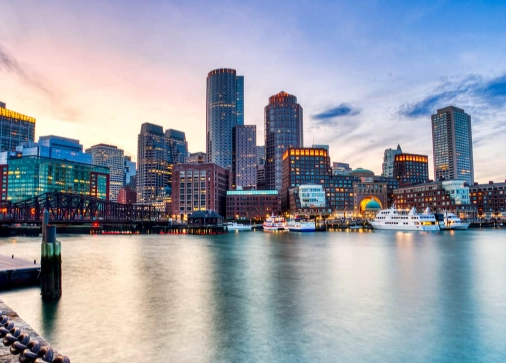
The Perfect 1-Day Boston Blitz
Ambitious, but doable if you start early and wear good shoes.
Morning (History): Start at Boston Common. Follow the Freedom Trail to Faneuil Hall. Grab a pastry in the North End (Modern Pastry is my pick over the hyped Mike's). See Paul Revere's House (small, quick) and the Old North Church.
Afternoon (Culture & Views): Walk across the Charlestown Bridge to see the USS Constitution (free!). Take a water taxi or Uber back to the Long Wharf area. Visit the Boston Public Library in Back Bay, then walk down Newbury Street for window shopping.
Evening (Dinner & Atmosphere): Dinner in the North End (reservations essential). End with a cannoli and a stroll along the Waterfront near the Aquarium.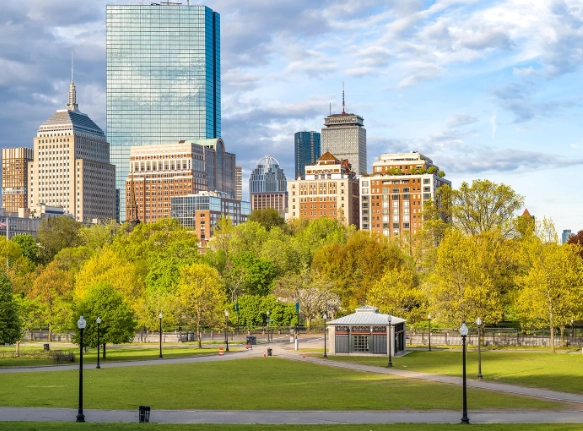
The Balanced 3-Day Weekend
This is the sweet spot.
Day 1: Freedom Trail Core. Do the walk from Common to Faneuil Hall/North End at a leisurely pace, actually going inside a site or two. Afternoon at the Gardner Museum.
Day 2: Museums & Back Bay. Morning at the MFA. Afternoon exploring Copley Square (Trinity Church, BPL, climb the Skywalk Observatory if you want a view). Walk the Charles River Esplanade.
Day 3: Cambridge & Waterfront. Morning in Harvard Square. Afternoon at the Museum of Science or New England Aquarium. Sunset drink with a view.
What Are the Hidden Gems in Boston?
Want to feel like you've cracked the code? Skip the crowds at these spots.
The Arnold Arboretum (Jamaica Plain): A 281-acre living museum of trees managed by Harvard. Free. Stunning in every season, especially fall and spring bloom. It feels miles away from the city. Take the Orange Line to Forest Hills.
Boston Public Market (Downtown Crossing): Not to be confused with Faneuil Hall. This year-round indoor market features only New England producers. Get fresh apple cider donuts, lobster rolls, oysters. It's where locals actually shop for gourmet goods. Address: 100 Hanover St.
Fort Point Channel Neighborhood: South of downtown, this old warehouse district is now home to the Institute of Contemporary Art (ICA) (great views from its waterfront deck), art galleries, and some of the city's best breweries (Trillium, Harpoon). Grittier, less polished, very cool.
Most visitors cluster on the Freedom Trail between the Common and the North End. Walking just 15-20 minutes south or west opens up a completely different Boston.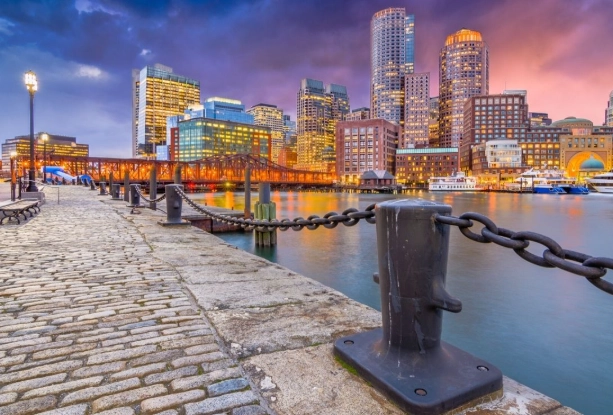
Practical Boston Travel Information
The stuff that makes or breaks your trip.
Getting Around: Ditch the Car
Seriously. Parking is a nightmare and expensive. Boston's subway, the “T” (MBTA), is your best friend. Get a CharlieCard (reusable plastic card) for cheaper fares than a paper ticket. A 7-Day LinkPass (~$22.50) is unlimited travel on subway and local buses. The core is very walkable. Rideshares are useful for cross-town trips or late at night.
Where to Stay: Neighborhood Breakdown
- Back Bay: Central, upscale, near shops/restaurants. (e.g., The Colonnade, The Eliot).
- Downtown/Waterfront: Most convenient for major sights, but can be pricey and noisy. (e.g., Boston Marriott Long Wharf).
- Cambridge (Harvard/Kendall Sq): Quieter, academic vibe. Easy T access. (e.g., The Charles Hotel, Royal Sonesta).
- Budget-Friendly: Look at hotels in Brookline (Coolidge Corner) or Somerville (Davis Sq) near a T stop. You'll save significantly.
Money-Saving Passes: Are They Worth It?
The Go Boston Pass or CityPASS can save you 30-40% if you plan to hit multiple paid attractions in a short time. Do the math: list the places you definitely want to pay for, add their individual ticket prices, and compare to the pass cost. For a relaxed trip with only 1-2 paid museums, they're often not worth it.
Common Tourist Mistakes to Avoid
I've seen these a thousand times.
Mistake 1: Underestimating walking distances. Google Maps says it's a 20-minute walk. That's 20 minutes of Boston sidewalks – uneven, crowded, sometimes hilly. Factor in fatigue.
Mistake 2: Not booking ahead for popular things. Want a tour of Fenway Park on a summer Saturday? A prime-time dinner in the North End? A specific timed entry to the Gardner? Book online, often weeks in advance.
Mistake 3: Only eating in Faneuil Hall. The food is overpriced and mediocre. Use it for a snack, not a culinary experience. Venture to the North End for Italian, the Seaport for seafood, or any neighborhood like South End or Jamaica Plain for fantastic local restaurants.
Mistake 4: Trying to drive everywhere. I cannot stress this enough. Your hotel stay will include parking fees that could have paid for a lot of Uber rides.
Your Boston Visit Questions Answered
The key to enjoying Boston is to not treat it like a checklist. Pick a theme—history, art, food, academia—and lean into it. Walk its streets, sit in its parks, and don't be afraid to wander down a side street that looks interesting. That's where you'll find the city's real character, far beyond the red brick line.
Reader Comments