Let's be honest. When you think about things to do in Arizona, the Grand Canyon is the first, second, and third thing that pops into your head. It should be. It's a world wonder for a reason. But if your Arizona itinerary starts and ends at the South Rim, you're missing about 90% of what makes this state incredible. I've spent years exploring every corner, from getting lost on backcountry trails to finding the perfect spot to watch a monsoon roll over the desert. Arizona isn't just a desert; it's a collection of wildly different worlds— alpine forests, slot canyons, cosmopolitan cities, and ancient ruins—all crammed into one state.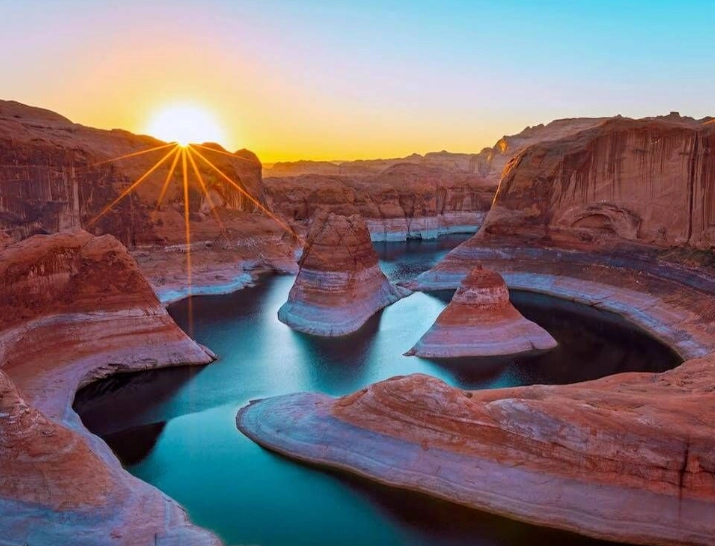
The real challenge isn't finding things to do, it's figuring out how to fit them all in without melting in the summer heat or spending your entire trip behind the wheel.
Your Arizona Adventure at a Glance
Navigating Arizona's Natural Wonders
This is where Arizona shines. But "see the Grand Canyon" is terrible advice. You need a game plan.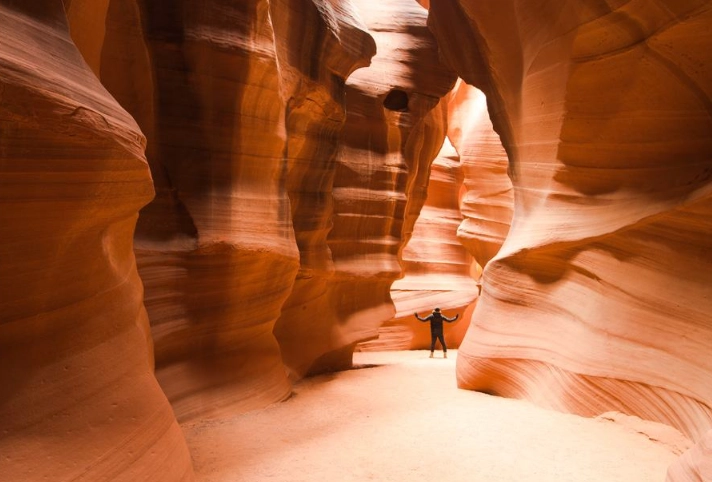
Conquering the Grand Canyon (The Right Way)
The South Rim (Grand Canyon National Park, AZ 86023) is open 24/7, but the visitor centers keep standard hours, typically 8 AM to 5 PM. The entry fee is $35 per vehicle, valid for 7 days. Everyone sees the view from Mather Point. It's stunning. It's also packed. Walk just half a mile east or west on the Rim Trail and the crowds thin dramatically.
Here's the non-consensus view most blogs won't tell you: The shuttle bus is your enemy if you want a real experience. The Hermit Road (Red Route) is closed to private vehicles for much of the year, forcing you onto buses. To escape, drive to Desert View Drive (open to cars year-round). Stop at Lipan Point for what I argue is the Canyon's best panoramic view, then continue to the less-visited Desert View Watchtower.
Want to hike in? Bright Angel Trail is the most famous, but also the most crowded and has little shade. For a tougher, quieter, and in my opinion, more beautiful descent, take the South Kaibab Trail. There's no water available, so you must carry all you need. A perfect day hike is down to Ooh Aah Point (1.8 miles round trip) or Cedar Ridge (3 miles round trip). Start at sunrise. I mean it. The light is magic, and you'll beat both the heat and the tour groups.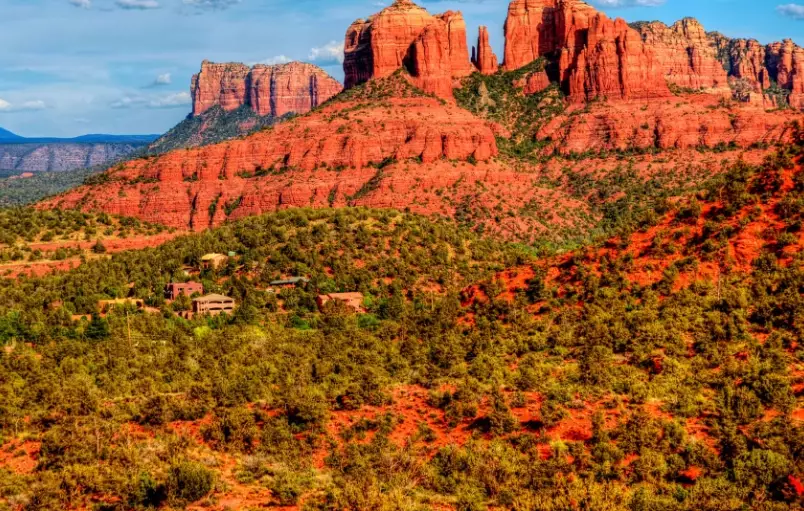
Grand Canyon Pro-Tip
Parking at the South Rim fills by 9 AM. Plan to arrive early, or use the free park-and-ride lot in the town of Tusayan (just south of the entrance) and take the National Park Service-endorsed shuttle into the park.
Sedona's Vortexes & Trails: More Than Just Red Rocks
Sedona is about 2 hours north of Phoenix. The town itself can feel touristy, but the surrounding Coconino National Forest is pure magic. The "vortex" sites (like Airport Mesa or Cathedral Rock) are said to be centers of spiritual energy. Whether you feel that or not, the hiking is undeniably phenomenal.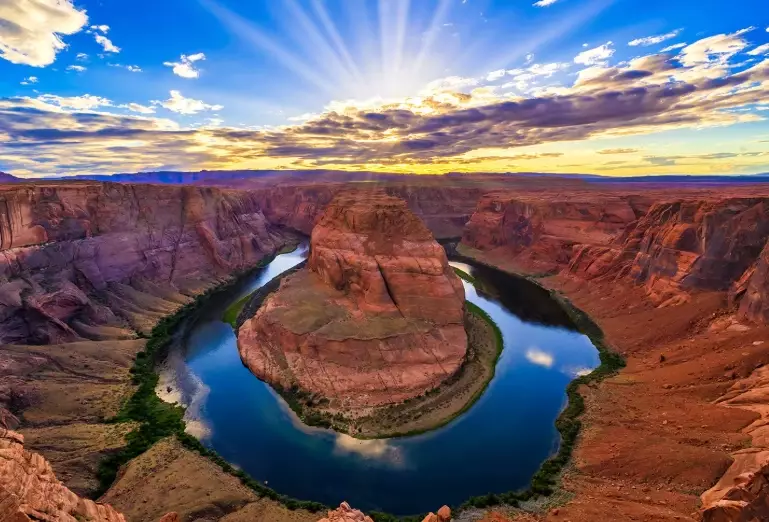
Cathedral Rock Trail is the iconic, steep scramble for that perfect photo. It's short (1.2 miles round trip) but strenuous. Get there before 7 AM to find parking at the trailhead (Back O' Beyond Road, Sedona, AZ 86336).
For a longer, more immersive hike, I always recommend Devil's Bridge Trail (4.2 miles round trip). It's the largest natural sandstone arch in Sedona. The parking lot on Dry Creek Road fills fast. If it's full, you'll have to add miles walking in on a rough road. Consider taking the Sedona Shuttle from the city's park-and-ride lot during peak seasons—it's a lifesaver.
My personal favorite is the West Fork of Oak Creek Trail (#108). It's a shaded, creek-crossing hike through a stunning canyon. It feels a world away from the desert. You need a Red Rock Pass ($5 daily) to park at the trailhead (Highway 89A, between Sedona and Flagstaff).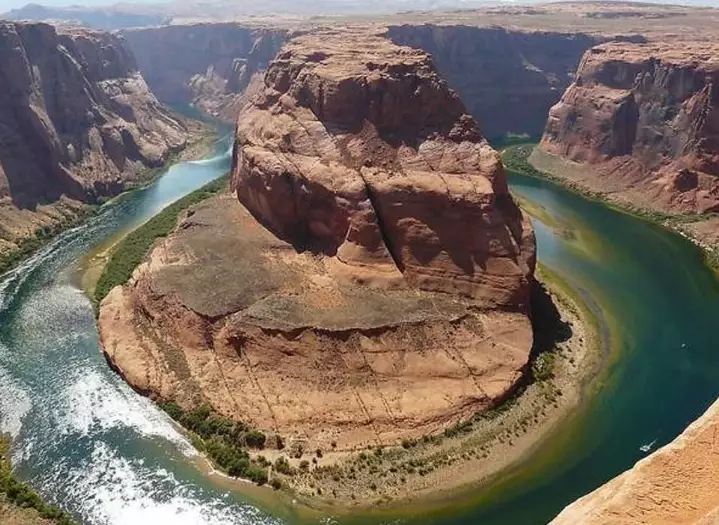
Monument Valley & The Navajo Nation
This isn't a national park; it's the Monument Valley Navajo Tribal Park (Highway 163, Oljato-Monument Valley, AZ 84536). The entrance fee is $8 per person. The classic 17-mile Valley Drive is a self-guided dirt loop you can drive in your own car (though a high-clearance vehicle is better). It takes you past the Mittens, Merrick Butte, and Elephant Butte.
But the self-drive loop only shows you a fraction. To truly understand this place, you must book a guided tour with a Navajo guide. They can take you to places like the iconic Totem Pole or Mystery Valley, and share stories and history you'd never get on your own. Sacred Monument Valley Tours and Goulding's Tours are reputable operators. Book in advance.
Sunrise and sunset here are religious experiences. The View Hotel is the only lodging within the park, and its balconies are perfectly oriented for the show. Rooms book up months in advance.
Discovering Urban Oases: Phoenix & Tucson
Flying into Phoenix and just driving out? Big mistake. The Valley of the Sun has a vibrant, evolving culture.
Phoenix: Museums, Food, and Desert Parks
Musical Instrument Museum (MIM) (4725 E Mayo Blvd, Phoenix, AZ 85050). This isn't your average museum. You get wireless headphones and hear the music as you stand in front of instruments from every country on earth. It's immersive and unexpectedly moving. Tickets are around $20. Budget at least 3 hours.
For a quick, accessible dose of desert landscape, Papago Park is right in the city. Hike up to the Hole-in-the-Rock formation for a great view of Phoenix. It's more of a short walk than a hike, perfect for a sunset.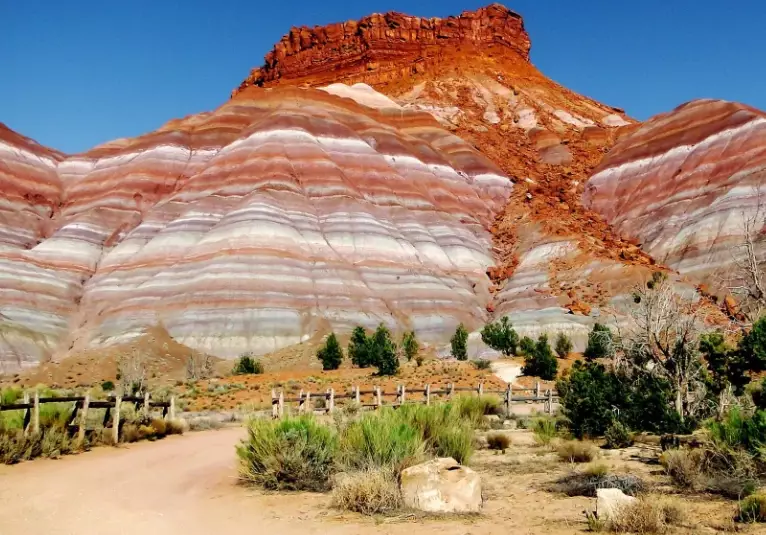
The food scene is where Phoenix really wins. Forget chain restaurants. Head to downtown Phoenix or the Roosevelt Row arts district. Pizzeria Bianco (623 E Adams St, Phoenix) is legendary for a reason—their wood-fired margherita pizza is simple perfection. Be prepared for a wait. For a more modern, eclectic menu, FnB in Old Town Scottsdale focuses on local Arizona ingredients in a tiny, bustling space.
Tucson: A UNESCO City of Gastronomy
Tucson feels grittier and more historic than Phoenix. Its downtown is walkable and full of character.
The Arizona-Sonora Desert Museum (2021 N Kinney Rd, Tucson, AZ 85743) is misnamed. It's primarily a brilliant, naturalistic zoo and botanical garden showcasing Sonoran Desert life. You'll see mountain lions, hummingbirds, and walk through a hummingbird aviary. It's about 20 minutes west of downtown. Tickets are around $25.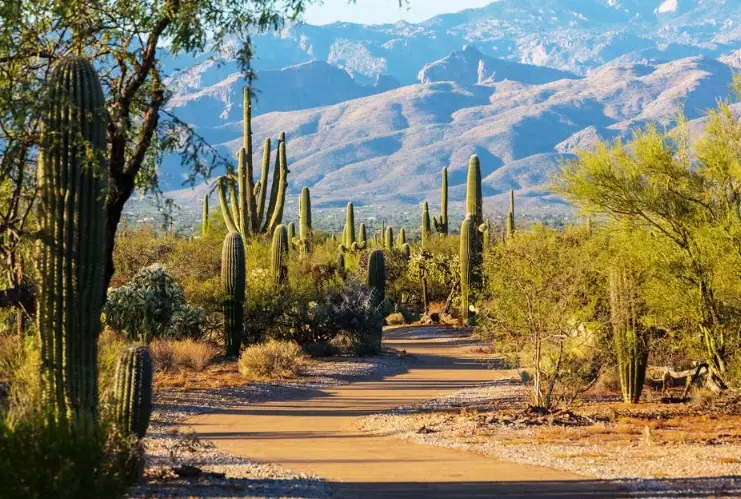
Tucson is the first UNESCO City of Gastronomy in the U.S. You have to eat Mexican food here. El Charro Café, downtown, claims to be the oldest Mexican restaurant in the U.S. run by the same family. Their carne seca (sun-dried beef) is unique. For a more local, no-frills experience, find a Sonoran hot dog cart—a bacon-wrapped dog stuffed into a bolillo roll and loaded with beans, onions, tomatoes, and condiments. It's messy, delicious, and essential.
Planning Iconic Road Trips & Itineraries
Arizona demands a road trip. Here’s how to structure your time based on your focus.
| Trip Focus | Sample 5-Day Route | Key Stops & Tips |
|---|---|---|
| The Classic Highlights | Phoenix → Sedona → Grand Canyon → Page → Phoenix | Sedona (1 night), Grand Canyon (1-2 nights), Page for Antelope Canyon/Horseshoe Bend (1 night). This is packed but hits the big icons. Book Antelope Canyon tours months ahead. |
| Desert & Small Towns | Tucson → Tombstone → Bisbee → Chiricahua → Tucson | Explore "Arizona's Other Side." Tombstone for kitschy history, Bisbee for artsy mountain charm, Chiricahua National Monument for "Wonderland of Rocks." Relaxed pace. |
| The Northern Loop | Flagstaff → Grand Canyon → Page → Monument Valley → Sedona → Flagstaff | Start in cool, pine-filled Flagstaff. Hits all the northern wonders. Long driving days between Monument Valley and Sedona, but the scenery is the attraction. |
A crucial piece of advice: Don't underestimate distances. Google Maps will tell you it's 4 hours from Phoenix to the Grand Canyon. It is, if you don't stop for gas, food, construction, or the inevitable traffic slowdown on the two-lane roads up to the rim. Add a buffer.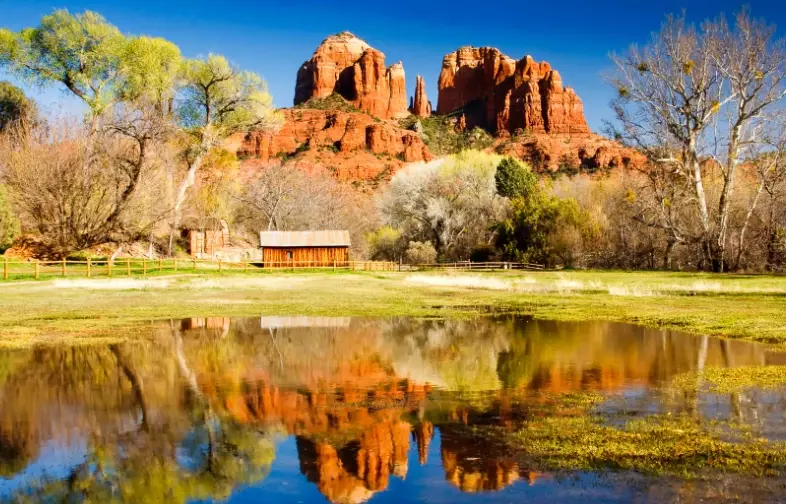
What About Antelope Canyon and Horseshoe Bend?
They're in Page, AZ, near the Utah border. Antelope Canyon is on Navajo land and requires a guided tour. Upper Antelope is more famous for its light beams (best mid-April to early Oct, around 11 AM). Lower Antelope involves climbing ladders and is less crowded. Tours sell out daily. Book directly with operators like Adventurous Antelope Canyon Tours or Antelope Canyon Navajo Tours well in advance.
Horseshoe Bend is now a managed site by the city of Page. There's a $10 parking fee, a large lot, and a 0.75-mile paved walk from the lot to the overlook. It gets brutally hot and crowded at midday. Go for sunrise (fewer people) or late afternoon. The view is breathtaking, but there are no rails—keep a firm grip on kids and phones.
Arizona Travel FAQs: The Real Questions Answered
Arizona defies easy summary. It's the shock of seeing the Grand Canyon for the first time, the quiet peace of a Sedona vortex, the taste of a perfect Sonoran hot dog, and the deep red glow of Monument Valley at dusk. It challenges you with its heat and distances, then rewards you with moments of pure, stark beauty you can't find anywhere else. Ditch the checklist mentality. Pick a couple of anchors—maybe the Canyon and a few days in Sedona—and let the desert roads in between show you the rest.
Reader Comments