So you want to eat Korean food. Great choice. But staring at a menu covered in Hangul or scrolling through endless restaurant listings can quickly turn excitement into analysis paralysis. Is it all just kimchi and BBQ? What's the deal with all those little side dishes? And where do you even start in a city like Seoul?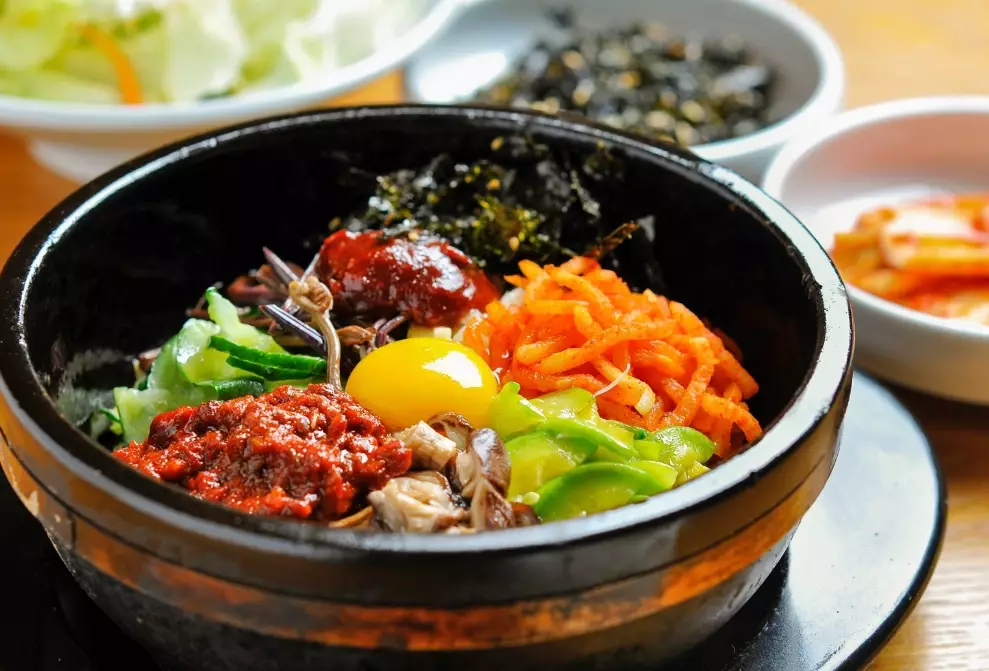
Let's skip the fluff. I've spent years eating my way through Korea, from back-alley pojangmacha (tent stalls) to high-end hanwoo (Korean beef) grills. This isn't a list of every dish ever made. It's a curated guide to the essential Korean dishes you should try first, paired with specific, tried-and-tested places to find them. Think of it as your cheat sheet.
What's Inside This Korean Food Guide?
The Non-Negotiable Must-Eat List
If you only have a few meals, make sure these are on the table. Forget ranking them 1 to 10. Each serves a different purpose.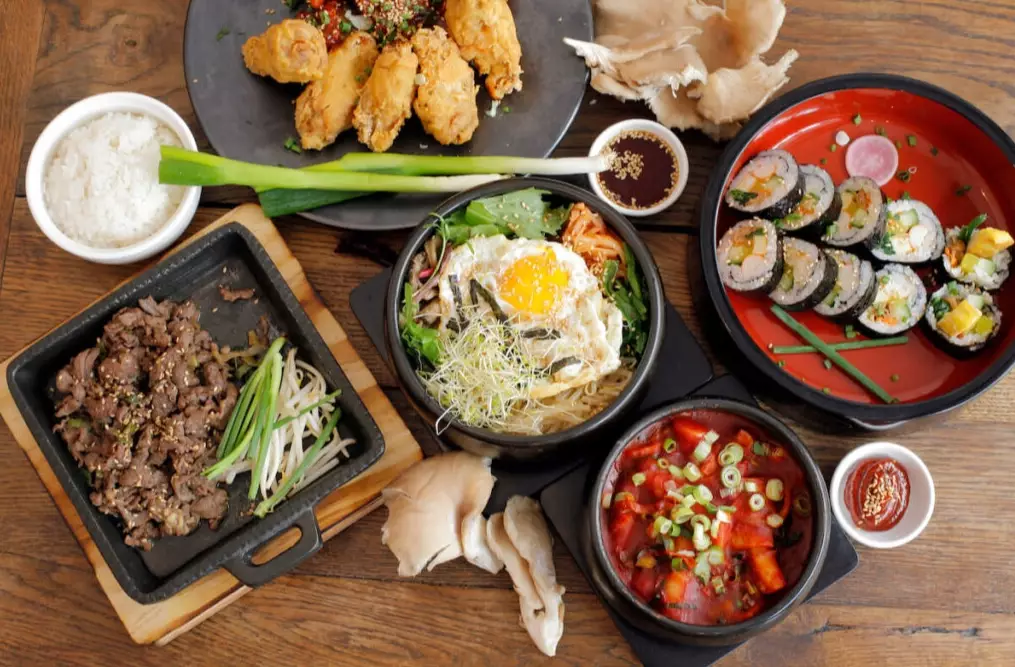
The Social Feast: Korean Barbecue (Gogi-gui)
Yes, it's obvious. But doing it wrong is a common tragedy. It's not just about the meat; it's the ritual. The sizzle, the smoke, the wrapping of lettuce leaves (ssam).
What to order: Don't get just one thing. Samgyeopsal (thick, unmarinated pork belly) is the crowd-pleasing workhorse. For beef, Galbi (marinated short ribs) is sweet and savory, while Chadolbagi (thinly sliced brisket) cooks in seconds. The real move? After grilling the meat, ask for bokkeumbap—fried rice cooked in the leftover meat juices and bits on the grill. It's the best part.
A mistake I see? People grilling all the meat at once. Grill a few pieces, eat, talk, then grill more. It stays hot that way.
The Comfort Bomb: Army Stew (Budae-jjigae)
Born from post-war scarcity using American army surplus, this is chaotic deliciousness in a pot. It's a spicy, savory stew packed with instant noodles, sliced sausage, Spam, baked beans, tofu, and gochujang (red chili paste) broth. It's not fancy. It's profoundly satisfying, especially on a cold day or after a few drinks.
Key tip: Let it simmer for a few minutes after it arrives. The flavors need to meld. And yes, you're supposed to eat the processed meats—that's the whole point.
The Perfect Meal-in-a-Bowl: Bibimbap
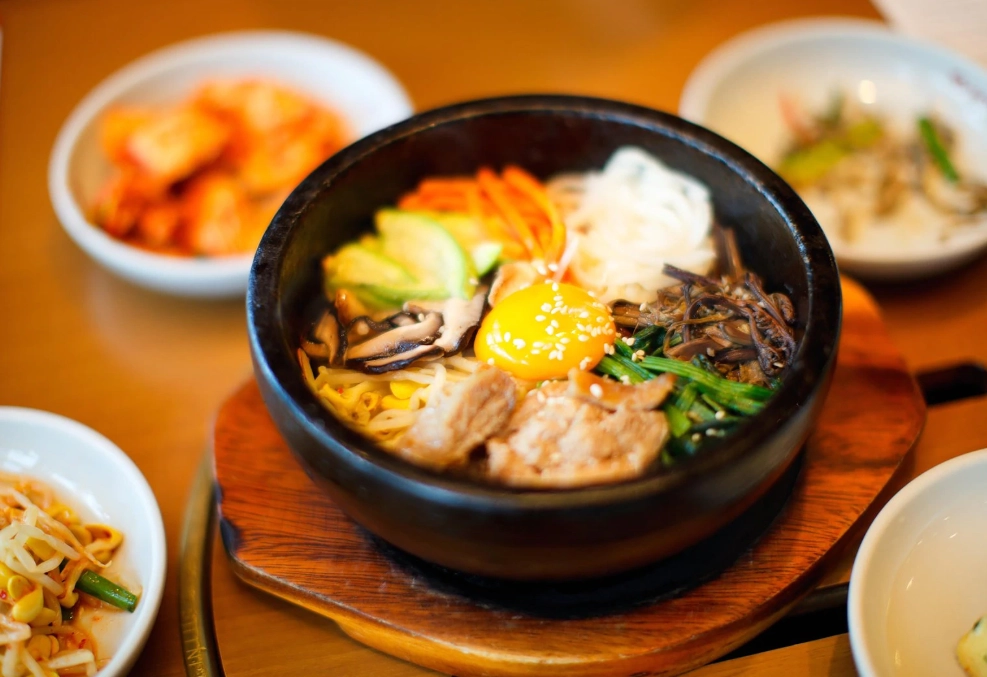
Often mistranslated as "mixed rice," it's more like a balanced, edible painting. A bowl of warm rice is topped with an array of seasoned vegetables, maybe some meat, a fried egg, and a dollop of gochujang. The magic happens when you mix it all vigorously. The dolsot (stone pot) version is superior—it creates a layer of crispy, scorched rice at the bottom.
It's the ideal introductory dish: customizable, not overly spicy if you control the sauce, and it feels healthy(ish).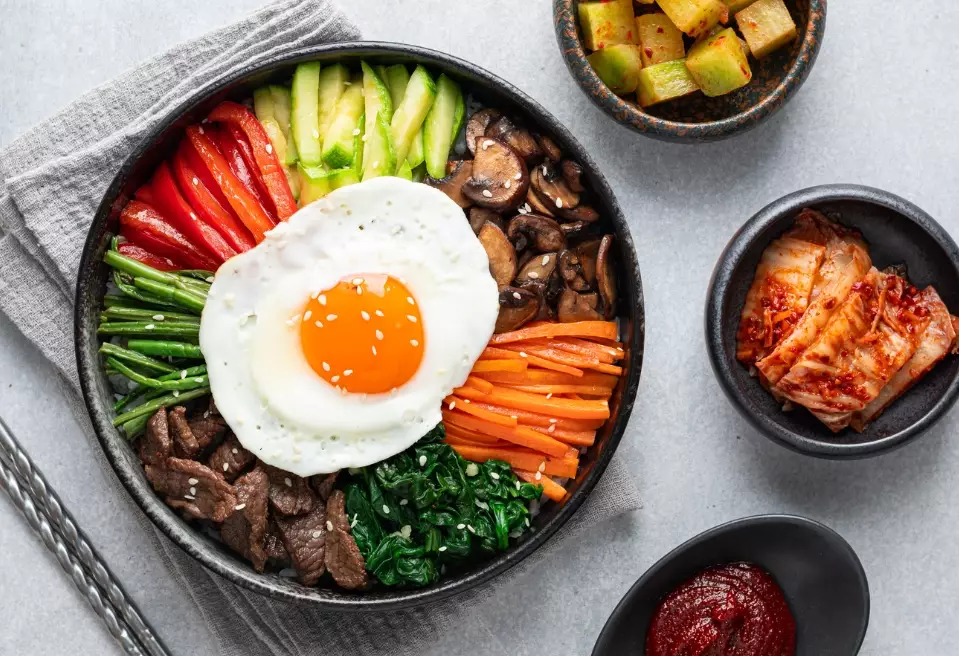
Where to Eat in Seoul: No-Fail Picks
Location, specialty, and vibe. Here are specific spots that deliver on the promise.
| Restaurant | Specialty | Address / Area | Price Point & Notes |
|---|---|---|---|
| Maple Tree House Itaewon | Korean BBQ (High-Quality Beef) | 124 Itaewon-ro, Yongsan-gu. (Itaewon Station Exit 2). | $$$. Consistently excellent, English-friendly. Famous for their hanwoo (premium Korean beef). Expect a wait. Open 11:30 AM - 11 PM. |
| Yoogane Myeongdong | Dak-galbi (Spicy Stir-fried Chicken) | Multiple floors in Myeongdong shopping district. Look for the bright signs. | $. Lively, efficient, and addictive. They stir-fry marinated chicken with cabbage, rice cakes, and sweet potato at your table. Great for groups. Open 10:30 AM - 10 PM. |
| Tosokchon Samgyetang | Samgyetang (Ginseng Chicken Soup) | 5 Jahamun-ro 5-gil, Jongno-gu. (Gyeongbokgung Station). | $$. An institution. Whole young chicken stuffed with rice, ginseng, jujube, and garlic, simmered in a milky broth. Healing food. Always a long line, moves fast. Open 10 AM - 10 PM. |
| Gwangjang Market Food Stalls | Street Food & Bindaetteok (Mung Bean Pancakes) | Inside Gwangjang Market, Jongno-gu. (Jongno 5-ga Station). | $. Pure, chaotic food energy. Sit at a stall for crispy bindaetteok, mayak gimbap ("drug" kimbap), and soondae (blood sausage). No specific stall—pick one packed with locals. Daytime hours best. |
My personal hidden gem? For the best budae-jjigae, I head to Nolboo Budae-jjigae in Hongdae. It's a chain, but the Hongdae branch (near the main shopping street) gets the broth depth just right—spicy, savory, and slightly sweet. They also give you a choice of cheese topping, which I initially resisted but now fully endorse.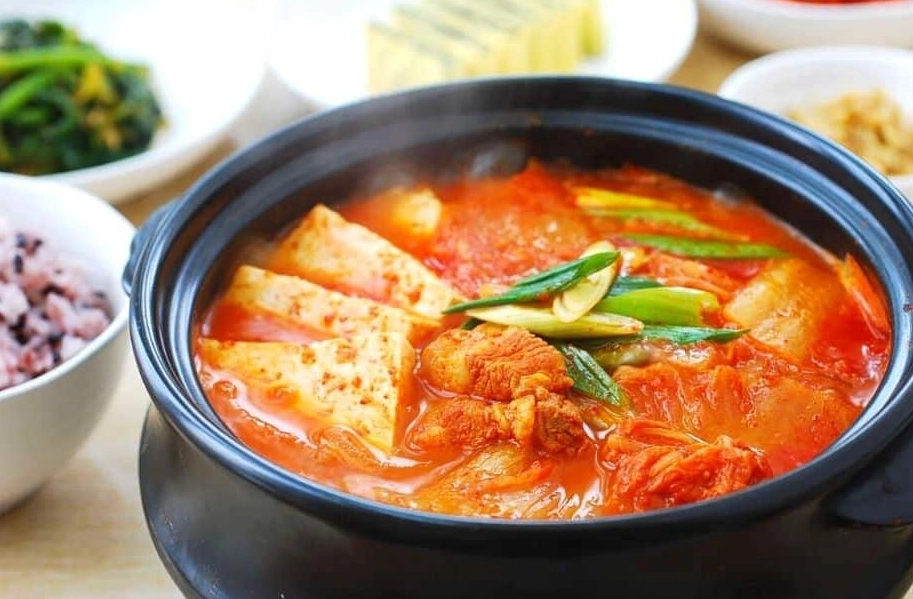
Ordering Like a Pro: Rules They Don't Tell You
The food is half the experience; knowing how to navigate the meal is the other half.
The Banchan (Side Dishes) Are Free, But... They're not just appetizers; they're integral to the meal, used to wrap meat or cleanse the palate. You can ask for refills (jae soo chuseyo), but it's polite to finish most of what's there first. Don't treat them like a free buffet you need to max out.
Drinks: Soju is the default. Pour for others, receive with two hands. It's meant to be drunk in shots, not sipped. Makgeolli (milky rice wine) is a fantastic, less potent alternative with savory food.
Getting the Bill: In most local places, you don't get the bill brought to the table. You need to call the server (say "yeogiyo" politely) and ask for the bill ("gyesanseo juseyo"). Often, you pay at the counter near the entrance.
One subtle error? Using your main spoon or chopsticks to take food from shared stews. Use the serving spoon provided. If there isn't one, use the clean end of your personal spoon.
What to Try Next (Beyond the Basics)
Once you've checked off the big three, dive deeper.
- Jjajangmyeon: Black bean sauce noodles. It's a Korean-Chinese fusion, deeply savory, and the ultimate comfort delivery food. Watch the sauce coat every strand.
- Haemul Pajeon: A massive, crispy seafood and green onion pancake. Perfect with a bowl of makgeolli on a rainy day. The texture—crispy edges, soft center—is everything.
- Sundae: Not ice cream. Korean blood sausage stuffed with glass noodles and barley. Don't be put off. It's savory, chewy, and best dipped in salted shrimp sauce. A Gwangjang Market staple.
- Bossam: Boiled pork belly served with raw oysters, kimchi, and a fermented shrimp sauce. You wrap it all in a lettuce leaf. It's a complex, briny, spicy, fatty explosion. A true test of a restaurant's ingredient quality.
Your Korean Dining Questions, Answered
These are the real questions I get asked, not the generic ones.
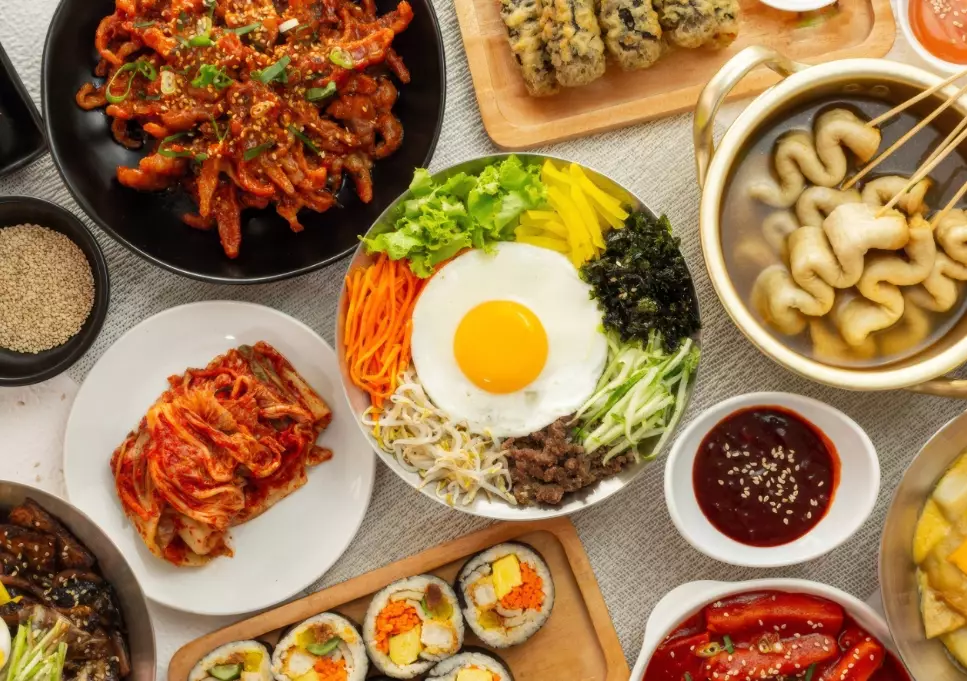 The goal isn't to know everything. It's to feel confident enough to walk into a place, point at something, and enjoy the experience. Korean food is about warmth, sharing, and bold flavors. Start with the sizzle of the grill, find your favorite banchan, and go from there. Your next great meal is waiting.
Reader Comments