Guide at a Glance
Let's be honest. When you type "places to see in Montana" into Google, you get a flood of lists. Ten best, twenty must-dos, fifty hidden gems. It's enough to make your head spin. You don't just want another list. You want to know what it's actually like. Which spots are worth the long drive on a gravel road? Which ones are stunning but packed with people in July? Where can you find that quiet moment that makes you feel like you've discovered something secret?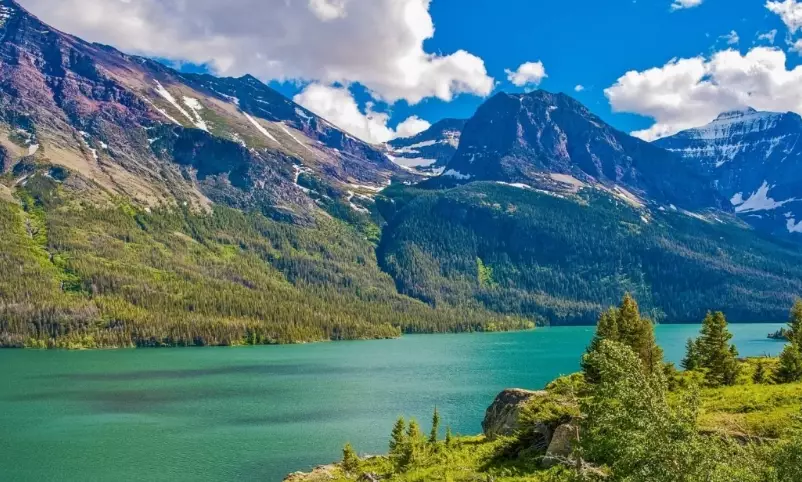
I've spent years poking around Big Sky Country, from the obvious postcard locations to the dusty corners no one talks about. This guide is my attempt to cut through the brochure-speak and give you the real picture. We'll talk about the heavy hitters like Glacier and Yellowstone, of course. But we'll also dig into the small towns with character and those off-the-map spots that often deliver the most memorable experiences. Think of this as a chat with a friend who's been there, not a lecture from a tour guide.
Montana in a Nutshell: What You're Really Getting Into
Before we dive into specific places to see in Montana, let's set the stage. Montana is big. Fourth-largest state in the U.S. big. Driving from one amazing place to another can take half a day. The weather can swing from sunny to snowy in the mountains faster than you can say "Going-to-the-Sun Road." And the beauty here isn't always gentle. It's raw, vast, and humbling. That's the magic. If you're looking for a quick, easy checklist, you might be in the wrong state. But if you're up for an adventure where the journey is as important as the destination, you're going to love it.
The Crown Jewels: Montana's National Parks
You can't talk about places to see in Montana without starting here. These are the blockbusters, and for good reason.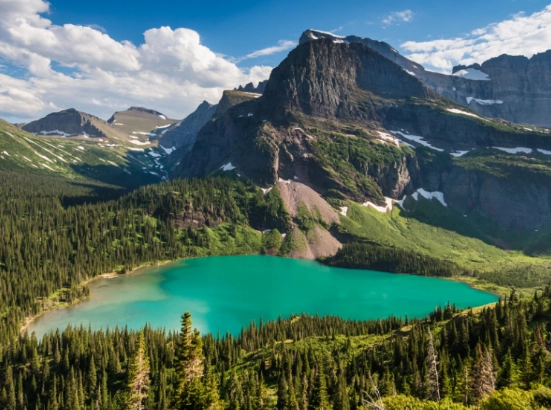
Glacier National Park: The Crown of the Continent
Glacier is the reason many people come to Montana. That iconic image of Going-to-the-Sun Road winding between jagged peaks? It's real, and it's even more impressive in person. But here's the thing everyone should know: it's getting popular. I mean, really popular. If you roll up to Logan Pass at noon in July hoping for a parking spot, you're going to have a bad time.
The key is strategy. Go early. I'm talking sunrise early. Not only will you beat the crowds, but the light on those mountains is something else. Hike the Highline Trail if you're up for it—the views are ridiculous. For something shorter but still stunning, Avalanche Lake is a classic. And don't just stare at the mountains; the lakes like Lake McDonald and Saint Mary Lake have water so clear and colorful it looks fake.
My personal, slightly grumpy take? The west side feels more accessible but gets more traffic. The east side, around Many Glacier, feels wilder. The Many Glacier Hotel itself is a historic gem, and the boat tours on Swiftcurrent Lake are a relaxing way to see the scenery. For official updates on road status, trails, and permits, always check the National Park Service page for Glacier. The park's ecosystem is fragile, so tread lightly.
A memory that sticks with me: Sitting on a rock by Hidden Lake at dusk, long after the day-trippers had left. The only sound was the wind and a distant pika. That quiet, immense solitude is what you're after. You have to work a little harder to find it now, but it's still there.
Yellowstone National Park (The Montana Slice)
Yes, most of Yellowstone is in Wyoming. But the north entrance, through Gardiner, and the famous Lamar Valley are in Montana. This is often called the "Serengeti of North America" for its incredible wildlife viewing. We're talking bison herds that stretch to the horizon, pronghorn, elk, and if you're incredibly lucky, wolves and grizzly bears.
The Mammoth Hot Springs terraces, right near the north entrance, are otherworldly. They're constantly changing, and walking the boardwalks feels like being on another planet. The drive through the Lamar Valley at dawn is a wildlife photographer's dream. Just pull over safely, use binoculars or a spotting scope, and watch the world wake up.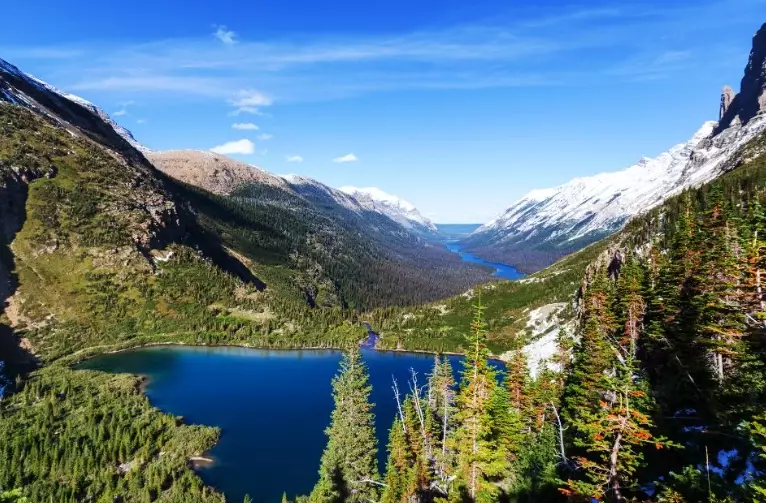
Is it crowded? Parts of Yellowstone certainly can be. But the Montana sections, especially early in the morning, often feel more spread out than the geyser basins down south. It's a different vibe—more about wide-open spaces and animals than waiting for Old Faithful to erupt (though that's cool too).
Park Strategy 101
Dealing with crowds is the number one headache for visiting these iconic places to see in Montana. Here's my blunt advice:
- Shoulder Seasons are King: Aim for late May/June or September. Fewer people, cooler temps, and the fall colors in September are insane.
- Reservations are Non-Negotiable: For Glacier's Going-to-the-Sun Road vehicle reservation, for campgrounds, for historic hotels. Book these months in advance. No joke.
- Go Vertical: Most visitors stick to the roads and easy trails. Even a moderately challenging hike will leave 90% of the crowd behind.
Beyond the Parks: Montana's Signature Towns & Drives
If you only see the parks, you're missing half the story. Montana's character is etched into its old mining towns, rustic ranching communities, and the endless roads connecting them.
Bozeman & The Gateway to Paradise
Bozeman isn't just an airport (though it's a major one). It's a vibrant college town with a surprising food and beer scene. It's your best bet for gear shops, a great meal, and a dose of culture at the Museum of the Rockies (their dinosaur collection is world-class). But its real value is as a basecamp. From here, you can shoot north to Glacier, south to Yellowstone, or west into the Madison and Gallatin River valleys. Hyalite Canyon, just south of town, is a local favorite for hiking, fishing, and in winter, ice climbing.
Missoula & The Northern Rockies Vibe
Missoula has soul. Wrapped by mountains and split by the Clark Fork River, it's an outdoorsy, artsy hub. Float the river on a summer afternoon, check out the massive Saturday farmers market, or catch some live music. It feels less like a tourist gateway and more like a place where people live the Montana life. It's also your launch point for exploring the Seeley-Swan Valley or heading up towards the remote Bob Marshall Wilderness.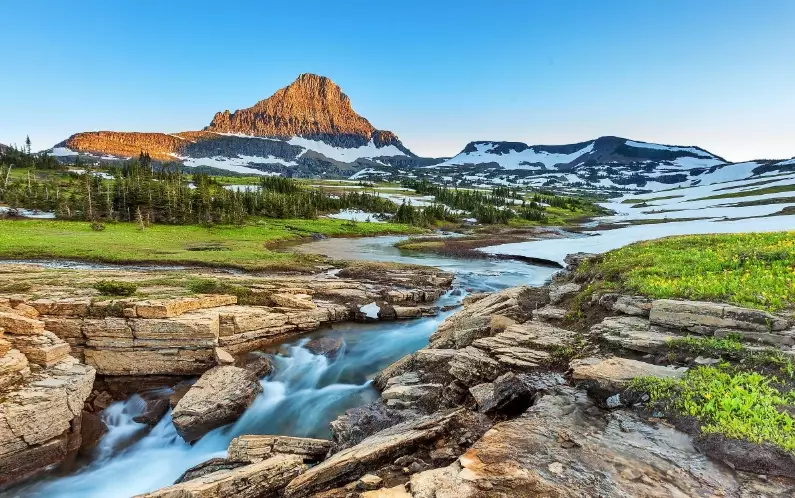
The Beartooth Highway (US-212)
Calling this a "drive" is like calling the Pacific Ocean "damp." Running from Red Lodge to the northeast entrance of Yellowstone, the Beartooth Highway is often called the most beautiful drive in America. I'm not arguing. It's a series of switchbacks that climb above the tree line to a vast, rocky plateau dotted with alpine lakes. The views are, frankly, overwhelming. It's usually open from late May to mid-October, depending on snow. Check conditions before you go, fill up the tank, and bring a jacket—even in August, it can be freezing at the top.
Red Lodge itself is a cool little town at the base of the highway, worth a stop for a coffee or a burger.
The Hidden Gems: Off-the-Beaten-Path Places to See in Montana
This is my favorite part. These are the places to see in Montana where you might not see another soul for hours.
The Missouri River Breaks
Eastern Montana is a different world. It's high plains, badlands, and big sky without the mountain backdrop. The Missouri River Breaks, protected as a National Monument, is a lonely, beautiful landscape of sandstone cliffs and river bends. This is Lewis and Clark country. You can canoe sections of the wild Missouri, see ancient Native American rock art at sites like the Bear Gulch Pictographs (access may be restricted, do your research), and feel a sense of space that's hard to find anywhere else. Towns out here are tiny. Fort Benton is a historic gem, calling itself the "Birthplace of Montana."
It's not for everyone. Services are few and far between. But if you want to understand the scale and history of the American West, you need to see this side of the state.
Big Hole National Battlefield
Montana's beauty is intertwined with a complex and often tragic history. Big Hole, near Wisdom, is a somber but essential place. It's the site of the 1877 battle between the U.S. Army and the Nez Perce people during their flight for freedom. The battlefield is quietly maintained by the National Park Service. Walking the trails here, reading the accounts from both sides, is a powerful, humbling experience. It adds a crucial layer of depth to your trip beyond the scenic overlooks. The surrounding Big Hole Valley is stunning ranchland, often called "the land of 10,000 haystacks."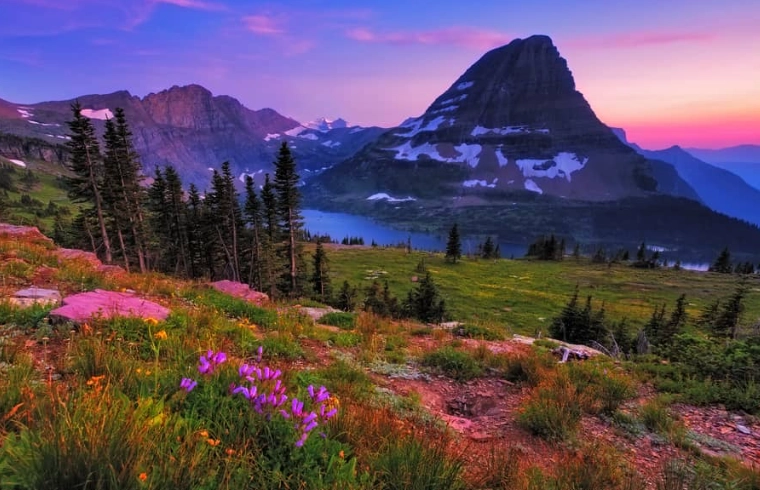
Polebridge & The North Fork of the Flathead
Want to feel like you've reached the edge of the world? Drive the bumpy dirt road north of Columbia Falls to Polebridge. It's not in Glacier National Park, but it borders it. There's basically the historic Polebridge Mercantile (famous for its huckleberry bear claws) and a few cabins. That's it. No cell service. No crowds. From here, you can enter Glacier's remote North Fork area, hike to Bowman and Kintla Lakes, or just sit on the porch and listen to the quiet. It's rustic, it's remote, and it's absolutely magical. Just make sure you have a full gas tank and a spare tire.
| Region | Vibe & Best For | Considerations |
|---|---|---|
| Glacier & NW Montana | Alpine majesty, iconic hikes, pristine lakes. The postcard image. | Extremely crowded in peak summer. Requires planning. Mountain weather is unpredictable. |
| Yellowstone Region | Wildlife watching, geothermal wonders, vast valleys. | Crowds at major features. Wildlife requires safe distance (seriously, give bison space!). |
| Southwest (Bozeman/Big Sky) | Outdoor activity hub, great food, river activities, access. | Can feel more developed/expensive. A gateway, not a remote escape. |
| Western Valleys (Missoula, Seeley-Swan) | Local flavor, river culture, forested mountains, less touristy. | Less "iconic" scenery than Glacier, but more authentic daily life. |
| Eastern Plains & Missouri River | Solitude, big sky, history, badlands beauty. The "other" Montana. | Very remote. Long drives between services. Not mountainous. |
Practical Stuff: Making Your Montana Trip Actually Work
Alright, you're inspired. Now how do you piece it together? Here’s the real talk on planning.
When to Go: It Makes All the Difference
Summer (July-August) is peak. Everything is open, all roads are clear, wildflowers are blooming. It's also when everyone else is here. I personally prefer the shoulders.
- June: Lush, green, higher trails in the mountains might still have snow. Fewer bugs early in the month.
- September: My top pick. Crowds thin, temperatures are perfect, the aspens and larches turn gold. Some services start closing after Labor Day.
- Winter: A completely different, challenging, and beautiful experience. For cross-country skiing, snowshoeing, and solitude. Many roads (including Going-to-the-Sun) are closed.
Getting Around: The Car is King
There is no real way around this. Public transport between these places to see in Montana is virtually non-existent. You need a car. An SUV or something with decent clearance is helpful for forest service roads (like to Polebridge), but a regular sedan will get you to 95% of places. Just be prepared for long drives. Distances are deceptive on the map. Google Maps times are usually accurate—add extra for photo stops, wildlife jams, and just gawking at the view.
I once spent an hour parked on the side of the road in the Lamar Valley watching a wolf pack miles away through a scope. The schedule went out the window. That's the point. Build in buffer time.
Where to Stay: From Rustic to Refined
Options run the gamut.
- National Park Lodges: (Many Glacier, Lake McDonald Lodge). Historic, incredible locations. Book a year in advance. No, really.
- Camping: The best way to immerse yourself. National Park campgrounds are competitive. Look at National Forest Service campgrounds outside the parks—often first-come, first-served, cheaper, and quieter.
- Small Town Motels & Airbnbs: In towns like Whitefish, Red Lodge, or Ennis. More availability, good local character.
- Ranches & Guest Farms: For a true Western experience, often with meals included. Check out the Montana Office of Tourism's official site for vetted listings.
Your Montana Questions, Answered
Pulling It All Together: A Sample Framework
Don't just copy this, but use it as a skeleton. Let's build a 10-day trip focusing on classic and lesser-known places to see in Montana.
Days 1-4: Glacier & the Wild West. Fly into Kalispell (FCA). Acclimate in Whitefish, maybe bike the Whitefish Trail. Spend three full days exploring Glacier. One for Going-to-the-Sun Road and a hike like Avalanche Lake. One for the Many Glacier area (boat tour, Grinnell Glacier trail if you're fit). One for something quieter, like the Two Medicine area or a drive up the North Fork to Polebridge.
Days 5-6: The Swan & Seeley Valleys. Drive south from Glacier, not on the main highway, but down the scenic Swan Highway (MT-83). Stop at Holland Lake for a hike. Spend a night in Seeley Lake or the Clearwater Valley. It's a forested, lakeside corridor most tourists blow right past.
Days 7-8: Missoula & History. Roll into Missoula. Soak up the town vibe, float the river, visit the Rocky Mountain Elk Foundation. On your way out, head south and east towards the Big Hole Valley. Visit the Big Hole National Battlefield, then stay in a rustic cabin near Wisdom or Jackson.
Days 9-10: Yellowstone's Wild Side & Departure. Drive through the stunning Big Hole into West Yellowstone, or head up through Ennis and over to the north entrance at Gardiner. Spend a day exploring the Lamar Valley at dawn and Mammoth Hot Springs. Fly out of Bozeman (BZN).
See? That mixes the famous with the quiet, mountains with valleys, scenery with history.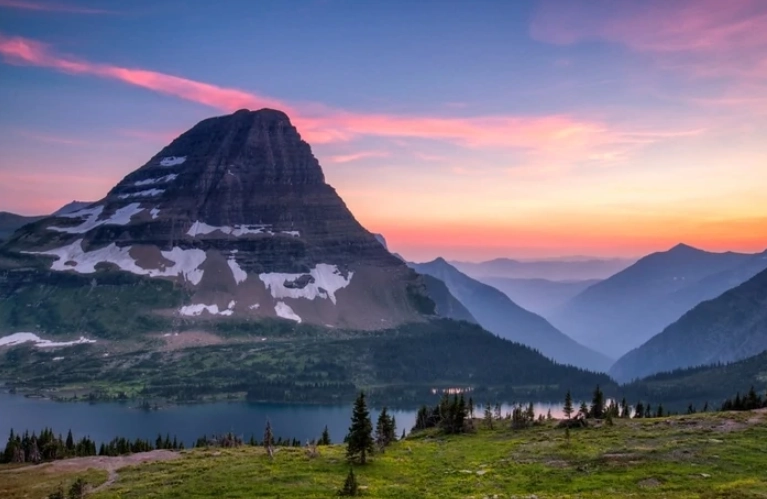
Finding the best places to see in Montana isn't about checking off a list. It's about embracing a pace. It's about that moment when you round a bend and the view literally makes you pull over and catch your breath. It's in the small-town café where the coffee is just okay but the conversation is genuine. It's in the vast silence of the eastern plains.
Do your planning—you have to, especially for the parks. Book those critical lodgings early. But once you're there, leave room for the unplanned. Follow that forest service road that looks interesting. Stop for the roadside historical marker. Talk to the waitress at the diner about her favorite local spot.
Montana rewards curiosity and punishes hurry. So take a deep breath of that clean, pine-scented air, and go find your own version of Big Sky Country. It's out there waiting.
Reader Comments