Your Seoul Exploration Map
Let's be real. Planning a trip to Seoul can feel overwhelming. You've got ancient palaces next to skyscrapers, serene temples tucked behind bustling markets, and enough street food to make your head spin. Where do you even start? I remember my first time landing at Incheon Airport, guidebook in hand, feeling totally lost. I ended up seeing some amazing stuff, but I also missed some gems because I just didn't know.
This guide is what I wish I had. We're not just going to list places. We're going to talk about what it's actually like to be there, how to navigate the crowds, and how to find those moments that make a trip special. Whether you have three days or three weeks, there are some essential things to see in Seoul Korea that belong on your list. And some you might want to skip if you're short on time.
We'll break it down into chunks. The big-hitter landmarks everyone talks about, the neighborhoods that give the city its soul, the food experiences you can't miss, and the practical stuff that makes or breaks a day of sightseeing.
The Heart of History: Seoul's Royal Palaces
You can't talk about things to see in Seoul without starting with the palaces. They're the postcard image for a reason. But visiting all five can be a lot. They have different vibes.
Gyeongbokgung Palace: The Main Event
This is the big one. Built in 1395, it was the main royal palace of the Joseon dynasty. The name means "Palace Greatly Blessed by Heaven," which feels about right when you walk through the massive Gwanghwamun gate. The scale is impressive.
My advice? Get there right when it opens. The tour groups descend like locusts by 10:30 AM. Watching the changing of the guard ceremony at the main gate is cool for about five minutes—it's very colorful and precise—but then I'd recommend moving on quickly before the crowd thickens. The real magic is in the back sections, like the Hyangwonjeong pavilion perched over a pond. It's quieter there.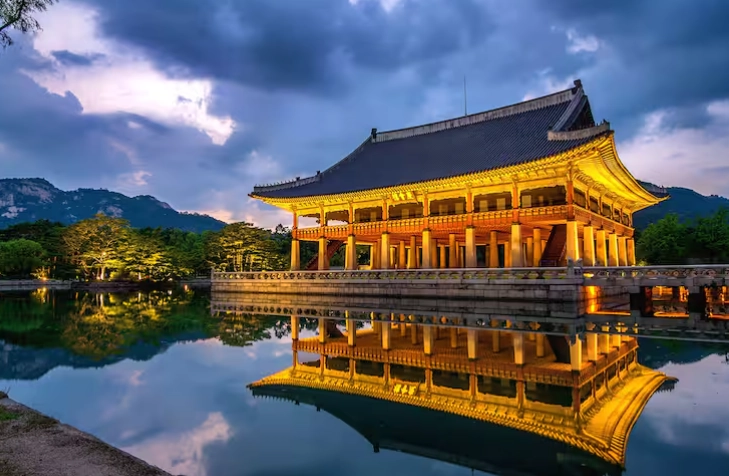
Pro Tip: Your ticket to Gyeongbokgung gets you free entry into the National Palace Museum of Korea and the National Folk Museum on the same day. Both are on the palace grounds and are fantastic for context. The Folk Museum has great exhibits on traditional Korean life that make the palace itself make more sense.
The palace was largely destroyed during Japanese occupation and the Korean War, so much of what you see is a meticulous reconstruction. Some purists grumble about that, but I think the work is incredible. It's a symbol of resilience.
Changdeokgung Palace & The Secret Garden
This is my personal favorite. If Gyeongbokgung is about imperial power, Changdeokgung feels more intimate, more lived-in. The buildings are arranged more naturally with the topography, following Confucian principles. It's a UNESCO World Heritage site, and you can feel why.
The absolute must-do here is the Huwon (Secret Garden) tour. You can only enter with a guided tour (book in advance on the Official Royal Palace Website), but it's worth the hassle. The garden is a 78-acre masterpiece of ponds, pavilions, and ancient trees. Our guide pointed out a tree that was over 300 years old. It's a peaceful escape right in the city center.
Honestly, if you only have time for one palace, make it this one. The Secret Garden tour is one of the most unique things to see in Seoul.
The Other Palaces: Quick Takes
Changgyeonggung: Connected to Changdeokgung, it's smaller and often less crowded. It has a beautiful greenhouse—Korea's first—which is a nice contrast.
Deoksugung: Unique because it's right in the middle of the modern cityscape (across from City Hall). It has a mix of Korean and early 20th-century Western-style buildings. Great for a quick visit, especially if you catch the shorter guard ceremony.
Gyeonghuigung: The smallest and most low-key. It's more of a reconstructed site than a full palace experience, but it's free and peaceful.
Palace Strategy: Don't try to do them all. You'll get "palace fatigue." Pick one or two. Gyeongbokgung for grandeur, Changdeokgung (with the Secret Garden) for beauty and depth. Wear comfortable shoes—you'll be walking on a lot of gravel and uneven stone paths.
Beyond the Palaces: Cultural & Historical Gems
The palaces are just the beginning. Seoul's history is layered, and some of the best things to see are in the spaces between.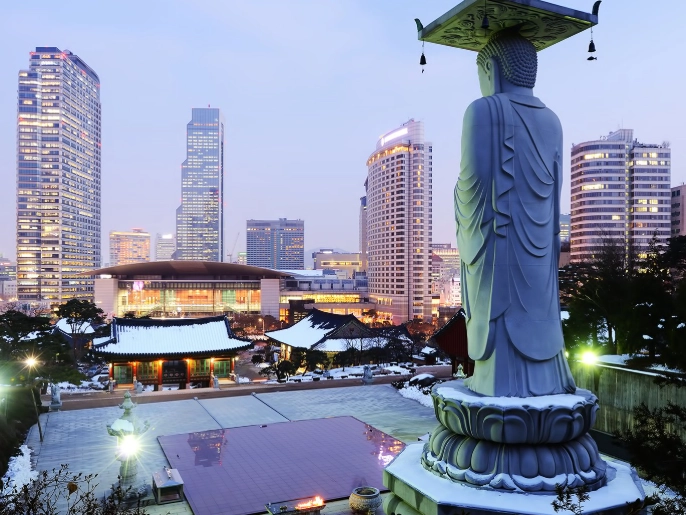
Bukchon Hanok Village
This is the famous area of traditional Korean houses (hanok) nestled between Gyeongbokgung and Changdeokgung. The photos of narrow alleys with tiled roofs against a backdrop of modern Seoul are iconic.
Here's the thing. It's beautiful, but it's also a real neighborhood where people live. The number one rule is be quiet. I saw tourists yelling and posing in front of houses, and it was just disrespectful. Stick to the main designated alleys, keep your voice down, and remember it's not a theme park.
For a better experience, consider booking a stay in a hanok guesthouse or doing a traditional craft workshop in the area. It gives you a reason to be there beyond just snapping photos.
Jongmyo Shrine
This one is often overlooked, which is a shame. It's a Confucian shrine dedicated to the memorial tablets of Joseon kings and queens. It's another UNESCO site. The atmosphere is profoundly solemn and serene—a stark contrast to the bustling city just outside its walls.
You also need a guided tour to see the main shrine buildings, but they run frequently. The architecture is austere and powerful. It's not "fun" in the traditional sense, but it's deeply moving and offers a different perspective on the Joseon era's spiritual life.
The Fortress Walls of Seoul (Hanyangdoseong)
Seoul was a walled city. Large sections of the 18.6 km fortress wall have been restored, snaking over the city's four main mountains (Bugaksan, Naksan, Namsan, and Inwangsan). Hiking a section is one of the best active things to see in Seoul.
The most popular and accessible section is the Naksan Trail. It's relatively gentle, offers fantastic city views, and takes you through the Ihwa Mural Village. The Bugaksan section (behind the Blue House) is more strenuous and requires ID check and a brief security procedure, but the views are arguably the best.
I did a couple hours on the Naksan trail one autumn morning. Seeing the old stone walls weave through a modern neighborhood, with leaves changing color, was a highlight. It connects you to the city's geography in a way museums can't.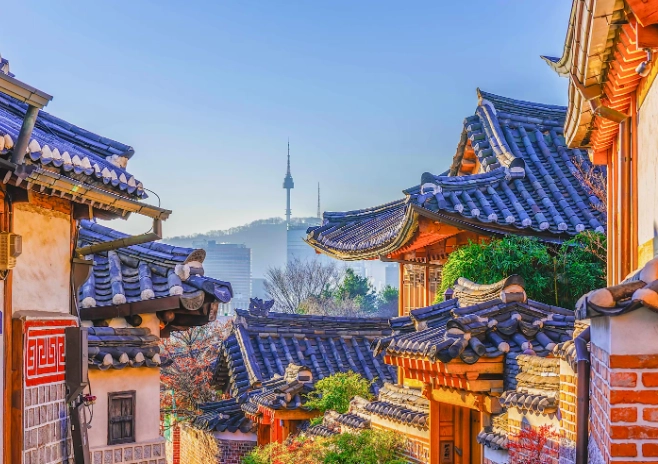
The Pulse of Modern Seoul
Seoul isn't just about history. Its energy is 21st-century, fast-paced, and endlessly creative.
Dongdaemun Design Plaza (DDP)
This is architecture as spectacle. Designed by the late Zaha Hadid, it looks like a giant, curving spaceship landed in the middle of Dongdaemun. It's all flowing, futuristic lines with no right angles. Love it or hate it, you have to see it.
Inside, it hosts design exhibitions, fashion shows, and events. Even if you don't go in, walking around the structure at night is an experience. It's lit up beautifully, and the surrounding plaza is a social hub. The nearby Dongdaemun History & Culture Park excavation site, which you can view from walkways, shows ancient ruins right beneath this ultra-modern building—a perfect Seoul juxtaposition.
Lotte World Tower & Seoul Sky
At 555 meters, it's the tallest building in South Korea. The Seoul Sky observation deck on floors 117-123 is, obviously, about the view. On a clear day, you can see forever. They have a glass floor section if you're feeling brave.
Is it touristy? Absolutely. Is it worth it? I think so, once. Go just before sunset so you can see the city in daylight, watch the sunset, and see the lights come on. Book your ticket online in advance to skip the longest queues. The lower floors house a massive luxury mall (Lotte World Mall) and an aquarium, which is great for families but can be skipped if you're tight on time.
Gangnam District
Yes, that Gangnam. The district immortalized by Psy's song is a vast area of gleaming office towers, high-end boutiques, and plastic surgery clinics. The Gangnam Style Statue near Exit 11 of Gangnam Station is a silly photo op.
More interesting is the Bongeunsa Temple, a major Buddhist temple sitting literally across the street from the COEX mall. Seeing monks perform ceremonies with the Starfield COEX skyscraper in the background is a surreal and powerful image of modern Seoul. It's one of those unexpected things to see in Seoul Korea that captures the city's duality perfectly.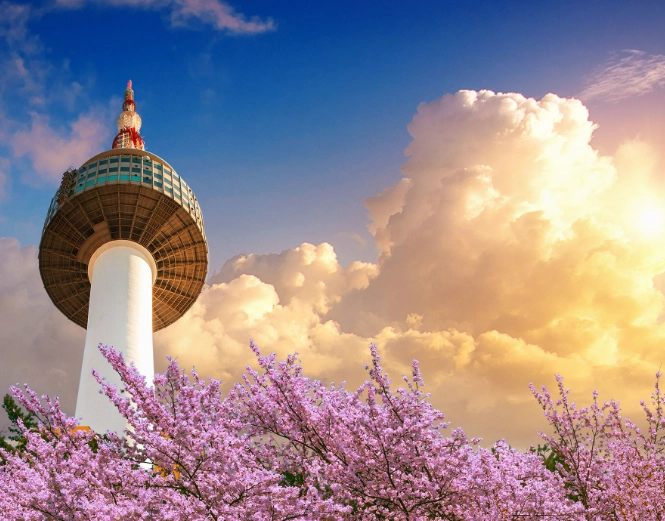
Neighborhoods to Get Lost In
This is where you find the soul of the city. Forget the checklist for a day and just wander.
Insadong
The main street, Insadong-gil, is the go-to for traditional Korean crafts, antiques, art galleries, and tea houses. It can feel a bit commercial, but venture down the side alleys. You'll find tiny, wonderful shops selling handmade paper (hanji), brushes, and ceramics. Ssamziegil is a quirky multi-story market with indie designer shops arranged in a gentle spiral ramp—no stairs.
Must-stop: 옛날찻집 (Old Tea House) on a side street. It's dark, quiet, and serves a huge variety of traditional teas in a setting that feels frozen in time. Perfect after a morning of palace touring.
Hongdae
Centered around Hongik University, this area is the epicenter of youth culture, indie music, and street fashion. At night, it's electric. Street performers (especially on weekends) draw huge crowds. The energy is infectious. The shopping here is more trendy and affordable than in Myeongdong—lots of unique local brands.
My personal favorite thing here isn't a shop or club, but just walking the backstreets and looking at the incredible street art and graffiti. The creativity on display is staggering. For a curated look, the Hongdae Mural Street (near Hongik University Station Exit 9) is a good start.
Ikseon-dong Hanok Village
Think of this as Bukchon's cooler, younger sibling. It's also a maze of traditional hanok houses, but instead of being purely residential, they've been converted into hip cafes, boutiques, cocktail bars, and noodle shops. It's less about quiet contemplation and more about discovering a hidden cafe in a 100-year-old building. It gets very crowded on weekends, so try for a weekday visit.
A Note on Itaewon: Itaewon has historically been the international district, famous for its nightlife and diverse food. It's undergoing significant change and redevelopment. While it still has great international restaurants, its character is shifting. For a more stable, local-vibe nightlife and food scene, Hongdae or even parts of Seongsu-dong might be better bets currently.
The Markets: Sensory Overload in the Best Way
No guide to things to see in Seoul is complete without the markets. They're theaters of daily life.
Gwangjang Market
One of the oldest and largest traditional markets. The first floor is food heaven. You'll see the famous mayak gimbap ("drug" kimbap, because it's addictive), bindaetteok (mung bean pancakes), and live octopus (sannakji) if you're adventurous. Sit at a stool at one of the food stalls and point at what looks good. It's loud, chaotic, and delicious.
Upstairs is a massive fabric and linen section—a remnant of its original purpose. The Netflix effect is real here—it got featured and is now packed with tourists—but the food is still authentic and fantastic.
Noryangjin Fisheries Wholesale Market
This is an experience. It's a massive, wet, bustling wholesale fish market that's open 24/7 (best from 1 AM - 6 AM for the auction action, but fine for visitors during the day). You walk through aisles of every conceivable sea creature, many still alive and swimming in tanks.
The drill: Pick your seafood from a vendor on the first floor. They'll clean and prepare it. Then take it upstairs to one of the many restaurants, who will cook it for you (for a small fee) and provide side dishes. The freshest seafood meal you'll ever have. Not for the squeamish, but unforgettable.
Namdaemun Market
More of a general goods market than a food market (though it has a food section). It's sprawling and great for cheap souvenirs, clothes, kitchenware, and just about everything else. It feels more like a working market for locals than Gwangjang. Haggle politely.
Essential Practical Info for Seeing Seoul
Knowing what to see is half the battle. Here's how to actually do it.
Getting Around: The Seoul Metro is Your Best Friend
It's clean, safe, efficient, and signs are in English. Get a T-money card at any convenience store (CU, GS25, 7-Eleven) as soon as you land. You can load money onto it and tap for subway, buses, and even taxis. Saves you from buying single-journey tickets every time.
Google Maps works decently, but for real-time subway navigation and best walking routes, locals use Naver Map or KakaoMap. Download one of them. They're a bit clunky in English at first, but far more accurate in Korea.
When to Go & How Long
Spring (April-May) and Autumn (late September-early November) are glorious. Mild weather and beautiful foliage/flowers. Also the most crowded.
Summer (June-August) is hot, humid, and has monsoon season (July). Can be unpleasant for lots of walking.
Winter (December-February) is cold and dry, but Seoul looks magical with snow on the palaces. Christmas lights are fantastic. Pack warmly.
How many days? A solid 4-5 full days lets you hit the major highlights without being a marathon. A week allows for deeper neighborhood exploration and a day trip.
Money & Budgeting
South Korea is very much a card (and increasingly, phone) society. You can use foreign cards at most places, but having some cash for markets, small food stalls, and topping up your T-money card is wise. ATMs are everywhere (look for "Global ATM" signs).
Seoul can be as expensive or as affordable as you make it. Street food and casual meals are very reasonable. Fine dining and high-end shopping are pricey. Attraction entry fees are generally modest compared to many Western cities.
| Attraction Type | Estimated Cost (per person) | Notes |
|---|---|---|
| Major Palace Entry | 3,000 KRW (~$2.20 USD) | Changdeokgung Secret Garden tour is 5,000 KRW extra. |
| Museum Entry | Often Free - 5,000 KRW | Many national museums are free. Special exhibitions cost extra. |
| Observation Deck (Seoul Sky) | ~27,000 KRW (~$20 USD) | Online discounts available. |
| Street Food Snack | 2,000 - 8,000 KRW | e.g., Tteokbokki, Hotteok, Gimbap. |
| Casual Restaurant Meal | 8,000 - 15,000 KRW | e.g., Bibimbap, Korean BBQ for one. |
Common Questions About Seeing Seoul
Final Thoughts: Making Your Seoul List
So, what are the essential things to see in Seoul Korea? It depends on you.
For the first-timer, I'd build a core around: One major palace (Changdeokgung with Secret Garden), Bukchon Hanok Village (quietly), a market feast (Gwangjang), a modern icon (DDP or Lotte Tower), and a deep dive into one neighborhood (Insadong for tradition or Hongdae for energy).
Don't try to see everything. Seoul rewards slowing down. Spend an hour in a quiet tea house. Get lost in a side alley. Follow your nose to a food stall that's packed with locals. The best things to see in Seoul are often the unplanned moments—the contrast of old and new, the kindness of a local who helps you read a menu, the stunning view from a fortress wall you just decided to climb.
The city is a fascinating dialogue between its past and its hyper-fast future. Your job as a visitor is just to listen in for a while. And eat everything. Definitely eat everything.
One Last Local Secret: For a stunning, free panoramic view that rivals Seoul Sky, go to the Namsan Seoul Tower... but don't pay for the observatory. Just take the cable car or hike up to the base of the tower. The view from the public plaza around it is spectacular enough for most people. Go in the evening. You're welcome.
Reader Comments