A Taste of Thailand: Quick Navigation
- The Unshakeable Icons: Street Food Legends & National Treasures
- The Heart of the Meal: Curries, Soups & Relishes
- Regional Gems: Favorite Thai Dishes Beyond the Central Menu
- The Supporting Cast & Sweet Finale
- Your Thai Food FAQ: Answering the Real Questions
- Bringing It Home: How to Start Your Own Exploration
Let's be honest. When someone says "Thai food," a few specific images probably flash in your mind. A steaming plate of noodles tangled with peanuts and lime. A bowl of soup so aromatic it clears your sinuses from across the room. The creamy, spicy hug of a coconut curry. I've been obsessed with figuring out what makes these favorite Thai dishes tick for years, ever since my first overly ambitious attempt to cook a green curry that turned out more swamp-water than sublime. It's a cuisine that balances extremes with a grace that still blows my mind—sweet against sour, fiery heat cooled by creamy coconut, funky fermented notes brightened by handfuls of fresh herbs.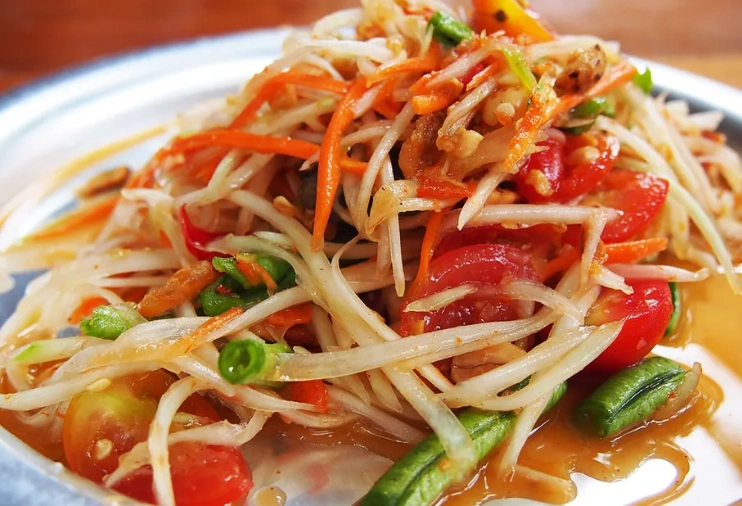
This isn't just a list. It's a map. A guide to understanding the soul behind the spoonful. We're going to wander from the chaotic, glorious street food stalls of Bangkok to the nuanced, complex plates found in homes across Isaan. We'll unpack the history hiding in your takeout container, demystify the pantry staples, and I'll even share a few hard-learned lessons on how to actually order and eat these dishes without looking like a total newbie (though, trust me, looking like a newbie is part of the fun).
The Core Idea: Thai cuisine isn't a monolith. It's a vibrant conversation between regions—the central plains, the fiery northeast (Isaan), the seafood-heavy south, and the milder, influenced north. Your favorite Thai dishes often tell you which part of the country you're tasting.
The Unshakeable Icons: Street Food Legends & National Treasures
These are the heavy hitters. The dishes that have crossed borders and become global ambassadors. But there's always more to the story than what's on the international menu.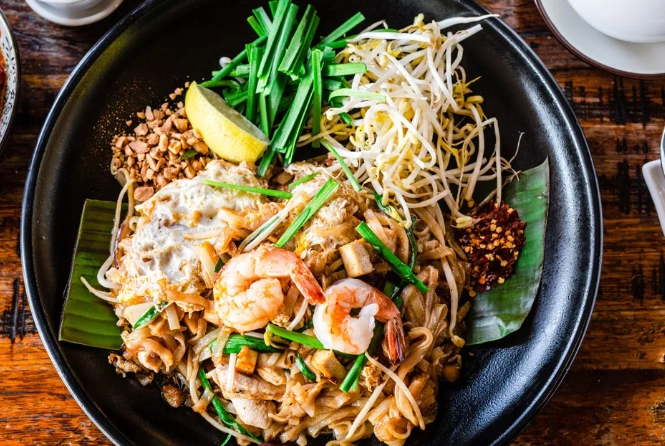
Pad Thai: The National Noodle That Wasn't Always
Ah, Pad Thai. It's arguably the world's most famous Thai dish. But here's a twist I found fascinating: its status as a *national* dish is relatively modern. During a period of nationalism in the mid-20th century, it was promoted as a culinary flagship. That doesn't make it any less delicious, just more interesting. The magic is in the balance of the tam arhat—the Thai ideal of the perfect flavor profile.
A good Pad Thai is a dry-fried noodle symphony. Rice noodles get tossed in a searing hot wok with a sauce built from tamarind (sour), palm sugar (sweet), and fish sauce (salty/umami). Then come the proteins—often shrimp or tofu—eggs scrambled into the mix, and a final avalanche of bean sprouts, garlic chives, and crushed peanuts. A wedge of lime on the side is non-negotiable.
Is it overhyped? Sometimes. But when done right, it's a perfect, satisfying one-plate meal. It's a staple favorite Thai dish for a reason—it's accessible, customizable, and delivers a direct hit of those classic Thai flavors.
Tom Yum Goong: The Soup That Packs a Punch
If Pad Thai is the friendly ambassador, Tom Yum Goong is the charismatic, unpredictable rockstar. This hot and sour soup is a bracing wake-up call. The broth is an infusion of lemongrass, galangal (a knobby root similar to ginger, but sharper and more citrusy), makrut lime leaves, and bird's eye chilies. It's sour from fresh lime juice, savory from fish sauce, and usually brimming with plump shrimp (goong).
There are two main styles: Tom Yum Nam Sai (clear broth) and Tom Yum Nam Khon (creamy broth, with a splash of evaporated milk or coconut milk). I'm a clear-broth purist—I love seeing all the herbs swirling in the clear, fiery liquid. The creamy version is richer and tames the heat a bit, which many people prefer.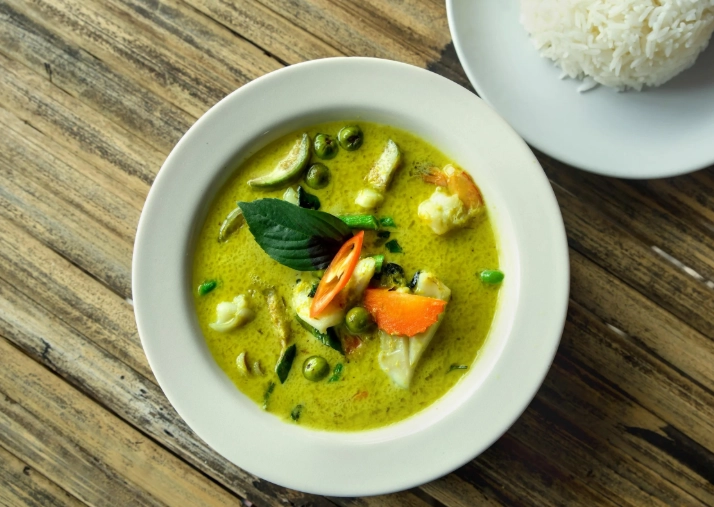
What's the secret to not burning your tongue off? Spoon the broth over the rice. The starch cools the heat and lets you savor the layers of flavor beyond just the chili fire.
Som Tum (Green Papaya Salad): The Isaan Powerhouse
This is not a gentle salad. Originating from the northeastern Isaan region, Som Tum is an aggressive, exhilarating flavor assault. Shredded unripe papaya is pounded in a mortar with garlic, chilies, long beans, tomatoes, lime juice, fish sauce, and palm sugar. The final, defining touch? A handful of salted black crabs and a generous pour of pla ra (fermented fish sauce). This adds a deep, funky umami that is absolutely essential to the authentic experience, though it can be an acquired taste.
It's crunchy, explosively spicy, sour, salty, and sweet all at once. It's almost always served with sticky rice (khao niao) and grilled chicken (gai yang). This combination is a masterpiece of contrast—the cool, chewy rice soothes the palate from the salad's fire.
Pro-Tip for Ordering: If you're not used to extreme heat, you must say "mai phet" (not spicy) or "phet nit noi" (a little spicy). A default Som Tum can be tear-inducingly hot. I learned this the hard way on my first trip to a proper Isaan-style restaurant.
The Heart of the Meal: Curries, Soups & Relishes
Move beyond the single-plate stars, and you find the heart of Thai family-style eating. These are the dishes meant to be shared, spooned over rice, and mixed and matched to create your perfect bite.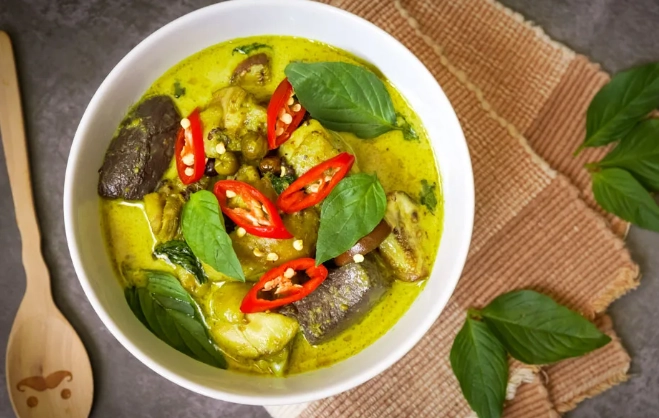
A World in a Bowl: Understanding Thai Curries
Thai curries are a universe of their own. Each color signifies a different paste, a different mood. Forget the generic "Thai curry" powder; here, the paste is freshly pounded, a complex foundation of herbs, spices, and aromatics.
| Curry | Key Paste Ingredients | Flavor Profile & Character | Best Paired With |
|---|---|---|---|
| Green Curry (Gaeng Keow Wan) | Fresh green chilies, lemongrass, galangal, makrut lime, cilantro root, shrimp paste | The hottest of the common curries. Vibrantly spicy, herbal, and fresh. "Keow Wan" means "sweet green," referring to the color, not taste. | Chicken, fish balls, eggplant, Thai basil. The creaminess of coconut milk is essential. |
| Red Curry (Gaeng Phet) | Dried red chilies, garlic, shallots, lemongrass, galangal, shrimp paste | Deep, rounded heat. Robust and savory from the dried chilies. More versatile and widely used than green. | Almost anything: duck, beef, pork, pumpkin, bamboo shoots. A true workhorse. |
| Massaman Curry (Gaeng Massaman) | Dried red chilies, cinnamon, cardamom, cloves, nutmeg, cumin, coriander, shrimp paste | Rich, aromatic, and mildly spicy. Shows clear Persian/Indian influence. Sweet, savory, and nutty. | Beef, chicken, or tofu. Always with potatoes and roasted peanuts. A celebratory dish. |
| Panang Curry (Gaeng Phanaeng) | Similar to red curry paste, but with roasted peanuts ground in, and less makrut lime. | Thicker, richer, and slightly sweeter than red curry. Less liquid, more of a clinging sauce. Nutty and aromatic. | Pork or beef, often as a minced meat dish. Served with shredded makrut lime leaf on top. |
My personal favorite? It depends on the day. A well-made Green Curry is a thing of beauty, but the warm, comforting spices of a Massaman on a rainy day are hard to beat. The key with all of them is the quality of the paste. A pre-made jar from the supermarket will get you a shadow of the real thing. For those wanting to dive deeper into authentic curry pastes, resources like BBC Good Food often have reliable guides on key ingredients, and for the truly dedicated, the Thai Table website offers traditional recipes directly from Thai cooks.
Tom Kha Gai: The Comforting Cousin
Often confused with Tom Yum, Tom Kha Gai is its creamier, more soothing sibling. "Tom" means to boil, "Kha" is galangal, and "Gai" is chicken. The broth is coconut milk-based, infused with galangal, lemongrass, and makrut lime leaves. It's sour from lime juice, but the coconut milk rounds out the edges, creating a fragrant, silky, and deeply comforting soup. It's less about explosive heat and more about aromatic warmth. For me, this is the ultimate sick-day food (though you don't need to be sick to enjoy it).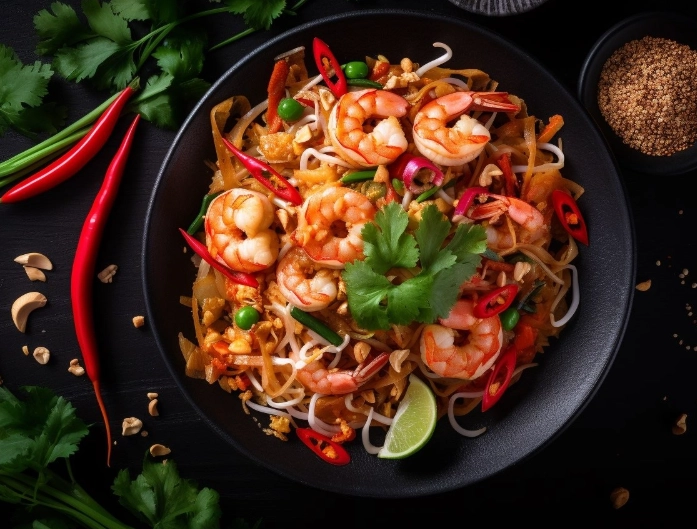
Nam Prik: The Humble Relish That Rules the Table
This might be the most underrated category of favorite Thai dishes for foreigners. Nam prik refers to a variety of chili-based relishes or dips. They are the ultimate condiment, served with a platter of fresh and steamed vegetables (cucumber, cabbage, long beans, eggplant), herbs, and sometimes fried fish or crisps.
A simple Nam Prik Pla Too, made with mashed grilled mackerel, chilies, and lime, is a staple home meal. It's messy, interactive, and incredibly healthy. It showcases the Thai philosophy of eating: a perfect bite often involves combining something pungent and powerful (the relish) with something fresh and crisp (the vegetables) and neutral (the rice).
Regional Gems: Favorite Thai Dishes Beyond the Central Menu
Any Thai restaurant worth its salt will have Pad Thai and Green Curry. But to really explore, you need to seek out the regional specialties. This is where the adventure truly begins.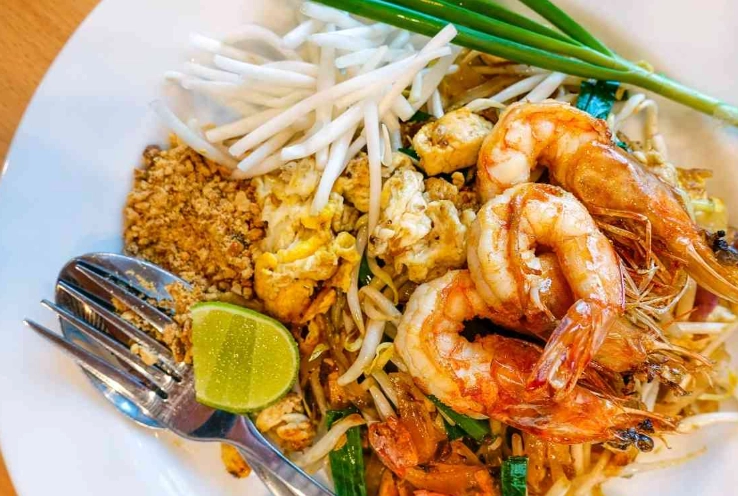
How to Find Them: Look for restaurants that specify a region ("Isaan," "Northern Thai," "Southern Thai"). The menu will often be more adventurous, and you'll see dishes you won't find elsewhere.
Khao Soi: Northern Thailand's Curry Noodle Love Letter
Hailing from Chiang Mai, Khao Soi is a dish that inspires pilgrimages. It's a rich, creamy, and mildly spicy coconut curry broth, brimming with soft egg noodles. The crowning glory? A handful of crispy deep-fried egg noodles on top for texture. It's usually served with chicken or beef, and comes with a side plate of pickled mustard greens, raw red onions, and a wedge of lime to customize each bite. The contrast of creamy, crunchy, sour, and savory is pure genius. It's less about searing heat and more about deep, aromatic complexity from curry paste and coconut milk.
Gaeng Som (or Gaeng Leung): The Sour Orange Curry of the South
This is a curry for sour lovers. Gaeng Som ("sour curry") has a vibrant orange-yellow broth, its tang coming from tamarind or sometimes sour pineapple. The paste is heavy on turmeric and chilies. It's much thinner than coconut-based curries, almost like a sour, spicy soup. It's typically loaded with vegetables like green beans, cauliflower, and cabbage, and a protein like fish or shrimp. It's a bracing, healthy, and incredibly flavorful dish that's a staple in southern Thai homes.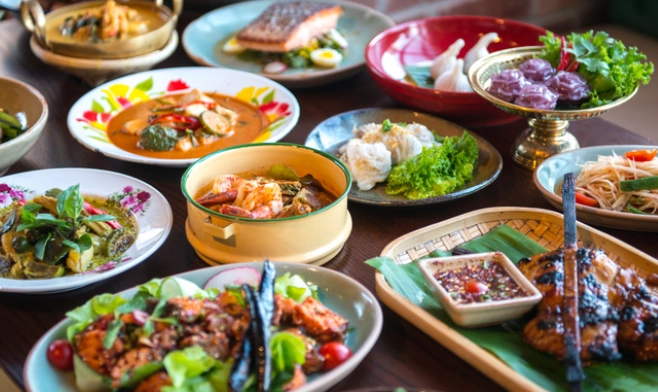
It's a world away from a Massaman.
Larb (Laab): The Iconic Isaan Minced Meat Salad
We mentioned Som Tum, but its frequent partner in crime is Larb. This is a minced meat salad (usually pork, chicken, duck, or fish) that's cooked with a potent dressing of lime juice, fish sauce, roasted ground rice (for nuttiness and texture), and an abundance of dried chili flakes and fresh herbs like mint and cilantro. It's salty, sour, herbal, and savory all at once. Like Som Tum, it's served with sticky rice and is meant to be eaten with your hands, rolling little balls of rice to scoop up the meat.
The version you get outside Thailand often tones down the funk, but the authentic one has a distinct, earthy aroma that comes from pla ra (that fermented fish sauce again) or sometimes fresh offal. It's an acquired taste, but a cornerstone of Isaan cuisine and a true favorite Thai dish for those in the know.
The Supporting Cast & Sweet Finale
No Thai meal is complete without its foundation and a touch of sweetness.
Rice: The Essential Canvas
Jasmine rice (khao hom mali) is the fragrant, slightly sticky queen of the central table. Sticky rice (khao niao) is the staple of the north and northeast—eaten with the hands, it's the perfect tool for scooping up spicy salads and relishes. Fried rice (khao pad) is a simple, glorious meal in itself, often flavored with a touch of fish sauce, garlic, and egg, and served with a wedge of lime and cucumber slices.
Mango with Sticky Rice (Khao Niew Mamuang)
This is the dessert. Ripe, golden mango slices, almost creamy in texture, paired with warm, sweetened coconut sticky rice and a generous drizzle of rich coconut cream. It's simple, seasonal (best during Thai summer, around April-June), and utterly divine. The contrast of warm rice, cool mango, and creamy sauce is perfection. No heavy cakes or pastries—just the pure essence of fantastic ingredients.
Your Thai Food FAQ: Answering the Real Questions
After countless meals, conversations with Thai friends, and a few kitchen disasters, here are the answers to the things people really want to know.
Bringing It Home: How to Start Your Own Exploration
You don't need a plane ticket to start exploring these favorite Thai dishes (though it helps!).
- Find an Authentic Restaurant: Look for places where Thai people eat. A simple, sometimes sparse interior with a menu full of untranslated specials is often a great sign.
- Order Adventurously: Go with a group and order one "safe" dish everyone knows, and two or three you've never tried. Share everything.
- Try Cooking: Start with a simple dish like Pad Thai or a curry using a quality store-bought paste (like Mae Ploy or Maesri brands). Fresh herbs make all the difference. Websites like Eating Thai Food offer incredibly detailed, authentic recipes and market guides.
- Visit a Thai Grocery: Wander the aisles. Smell the herbs. Buy a bag of sticky rice and a mango. It's a sensory education.
The journey never really ends.
That's the beautiful thing about Thai food. Just when you think you have a handle on your favorite Thai dishes, you discover a new regional specialty, a family recipe with a subtle twist, or a street food snack you've never seen before. It's a cuisine of incredible depth, balance, and soul. It's fiery and gentle, complex and simple, street-side and royal, all at once. So put down that single-menu takeout order. Be brave. Ask questions. Get your hands sticky. The world of flavor waiting for you is more than worth it.