Here’s What We’ll Cover
- The Heartbeat of the Kitchen: Must-Try Bhutanese Dishes
- Beyond the Datshi: The Supporting Cast
- Ezay: The Fiery Condiment That Steals the Show
- What Does a Typical Bhutanese Meal Look Like?
- Where to Experience Authentic Bhutanese Food
- Can You Cook Bhutanese Food at Home? A Realistic Guide.
- The Final Bite: Why Bhutanese Food Stays With You
You know, I get asked this a lot. People hear about Bhutan, this mystical kingdom in the Himalayas, and the next thing they want to know is—what do people eat up there? Is it just like Indian or Tibetan food? I used to wonder the same thing before my first trip. Let me tell you, it’s a world of its own. Bhutanese food isn't trying to be anything else. It’s hearty, it’s honest, and boy, does it have a personality. Mostly, it’s built around a few simple, powerful ideas: red rice, chilies (not just as a spice, but as the vegetable itself), and cheese. Sounds simple, right? But the magic is in how they put it all together.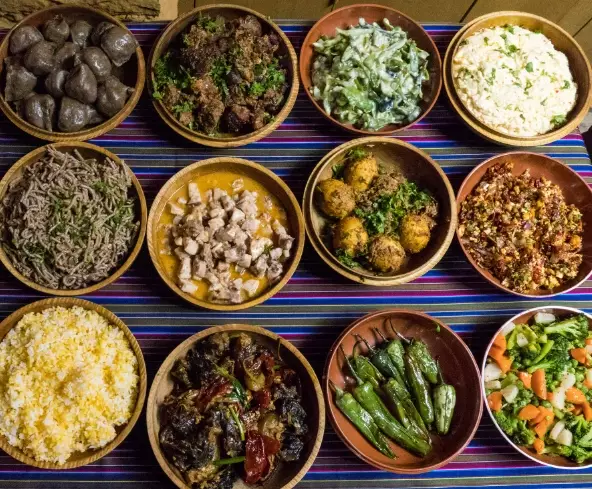
Here’s the thing they don’t always tell you: If you don’t like spicy food, you’re going to have a… challenging time. Chilies are the soul of Bhutanese food. But it’s not just about heat. There’s a depth there, a smokiness, especially when they’re dried. You learn to appreciate it, or at least respect it.
The Heartbeat of the Kitchen: Must-Try Bhutanese Dishes
Okay, let’s talk about the stars of the show. You can’t understand Bhutanese cuisine without meeting these dishes. They’re on every menu, in every home. It’s comforting, familiar food.
Ema Datshi: The National Dish (And For Good Reason)
This is the one. Ema Datshi is to Bhutan what pizza is to Italy. “Ema” means chili, “Datshi” means cheese. It’s literally chilies in a cheese sauce. Now, before you imagine a gooey cheddar dip, stop. The cheese is a local, soft, slightly tangy cow or yak cheese called *datshi*. The sauce is more of a broth or gravy, often with tomatoes, garlic, and a bit of oil. The chilies are the main event—big, green, and sometimes brutally spicy. You eat it with red rice, using the rice to soak up the sauce and temper the fire. It’s creamy, fiery, and utterly addictive. I’ve had versions that made me cry (in a good way… mostly) and others that were just warmly spicy. It’s never boring.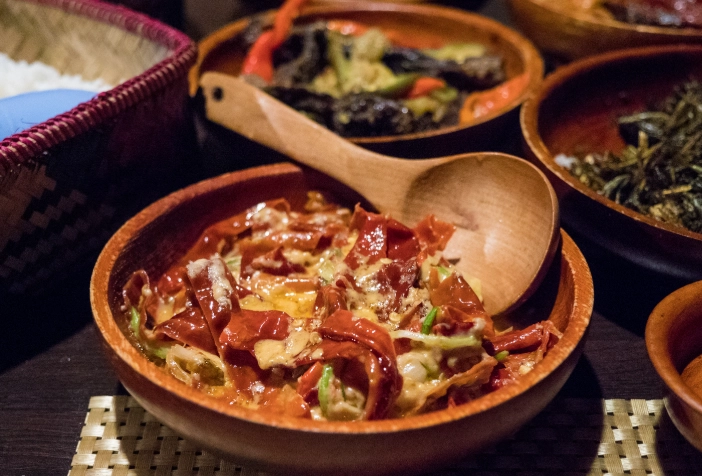
Kewa Datshi: The Comforting Cousin
Think of this as the slightly milder, more comforting sibling. Kewa Datshi replaces the chilies with potatoes (“kewa”). Sliced potatoes are stewed in that same cheesy, tomatoey sauce. It’s less about the explosive heat and more about creamy, starchy goodness. If ema datshi is the exciting friend, kewa datshi is the one you want on a rainy day. It’s often the gateway dish for visitors who are chili-shy.
Shakam Datshi & Other Variations
The “Datshi” formula is genius, and they apply it to everything. Shakam Datshi uses dried beef (“shakam”), which is like jerky. It rehydrates in the cheesy sauce, becoming wonderfully savory and chewy. There’s also Shamu Datshi with mushrooms. It’s a versatile, brilliant system.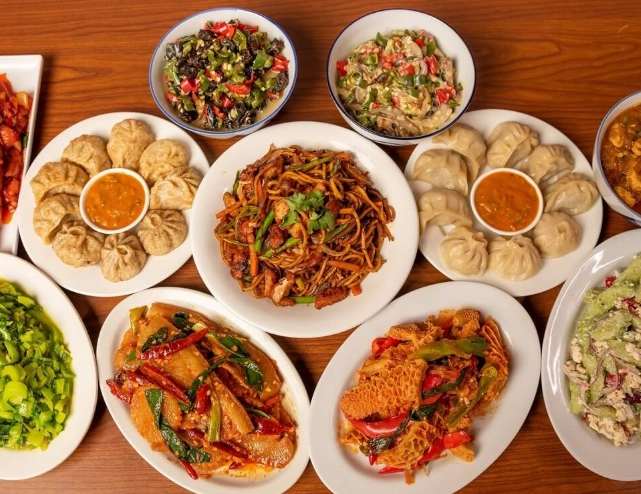
Personal take: I found the dried beef version a bit too tough for my liking sometimes. It’s an acquired texture. But the mushroom one? Absolutely fantastic, especially with the wild mushrooms they forage.
Beyond the Datshi: The Supporting Cast
A meal isn’t just one dish. Here’s what else fills a Bhutanese food plate.
Red Rice: The Nutty Foundation
This isn’t your average white rice. Bhutanese red rice is a short-grain, slightly sticky rice with a reddish-brown hue and a distinct, nutty flavor. It’s grown in the Paro valley and is packed with more nutrients than white rice. It’s the perfect, slightly chewy base for all those saucy dishes. It doesn’t get mushy, and it holds its own against the strong flavors.
Suja: Butter Tea (Yes, Really)
This is a cultural experience. Suja is tea churned with salt and… yak butter. It’s savory, rich, and tastes nothing like any tea you’ve had. The first sip is a shock. It’s more of a soup than a drink. But in the cold mountain climate, it makes perfect sense—it’s warming and calorie-dense. I’ll be honest, I never fully learned to love it, but I respected its purpose. It’s an essential part of hospitality.
Momos: The Himalayan Dumpling
While common across the Himalayas, Bhutanese momos are a staple. These steamed dumplings are usually filled with minced beef, pork, or cheese and vegetables. They’re served with a side of ezay (a fresh chili relish) for dipping. A perfect snack or side dish.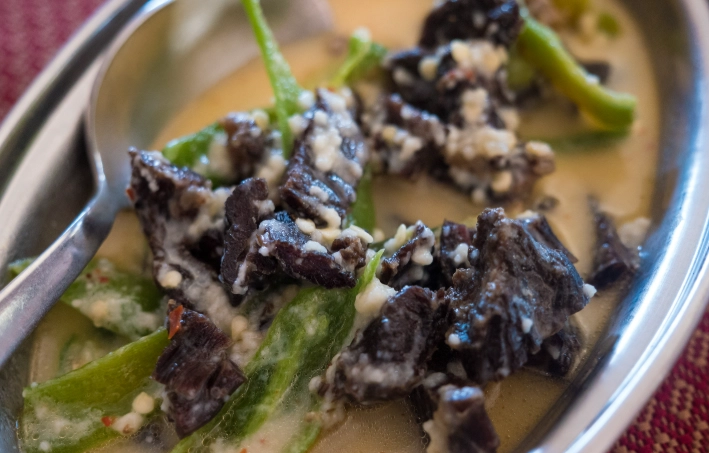
Ezay: The Fiery Condiment That Steals the Show
This deserves its own section. Ezay is a fresh, chopped chili relish. It’s made with fresh or dried chilies, tomatoes, cilantro, onion, and sometimes a bit of local cheese or farmer’s cheese. It’s crunchy, fresh, and incendiary. They put it on the table like ketchup. You add a spoonful to your rice and ema datshi for an extra kick. It’s addictive. Making a good ezay is a point of pride in homes.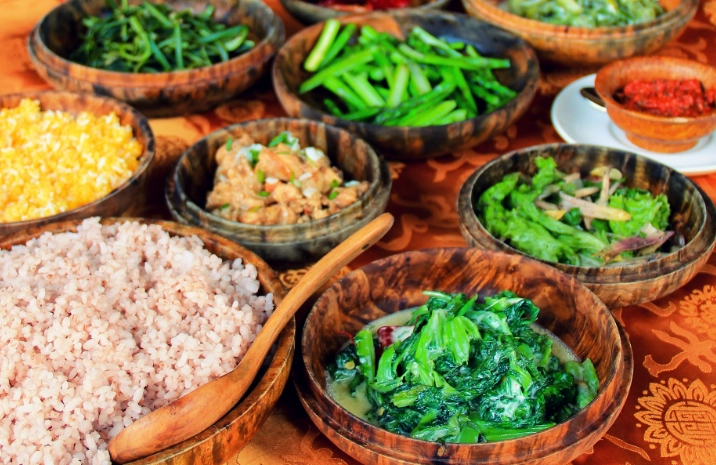
What Does a Typical Bhutanese Meal Look Like?
It’s not courses. It’s a spread. Traditionally, food is served in small, individual wooden bowls called bangchung. A typical lunch or dinner might include:
- A bowl of red rice.
- A bowl of ema datshi (or another datshi variation).
- A side dish of seasonal greens, like fern fronds (nakey) or spinach.
- Maybe some shakam (dried beef) or sikam (dried pork fat – very chewy, very rich).
- A small bowl of ezay.
- A cup of suja or regular tea.
You take a bit of rice, top it with a bit of everything else, and eat. It’s communal, wholesome, and deeply satisfying.
Handy tip for travelers: Don’t be shy to ask for less spice when ordering. They often tone it down for tourists automatically, but it’s always good to communicate. “Tsiphu met” means “not too spicy.”
Where to Experience Authentic Bhutanese Food
This is crucial. You won’t find a true Bhutanese restaurant on every corner outside Bhutan. The experience is tied to the place.
- In Bhutan: Your hotel will serve it. Ask for a traditional meal. Also, visit local restaurants in Thimphu like Bukhari at the Taj Tashi or more casual spots like Zombala. For a truly local experience, if you have Bhutanese friends, a home-cooked meal is unbeatable. The Tourism Council of Bhutan website can be a resource for planning.
- Outside Bhutan: It’s rare. Some Nepalese or Tibetan restaurants in major cities might have one or two Bhutanese dishes on the menu, like ema datshi. Your best bet is communities with a Bhutanese diaspora, like parts of the USA (e.g., Ohio, after resettlement programs) or Australia. Even then, it’s niche.
That’s why learning a bit about Bhutanese cuisine before you go, or even trying to cook it, is so rewarding.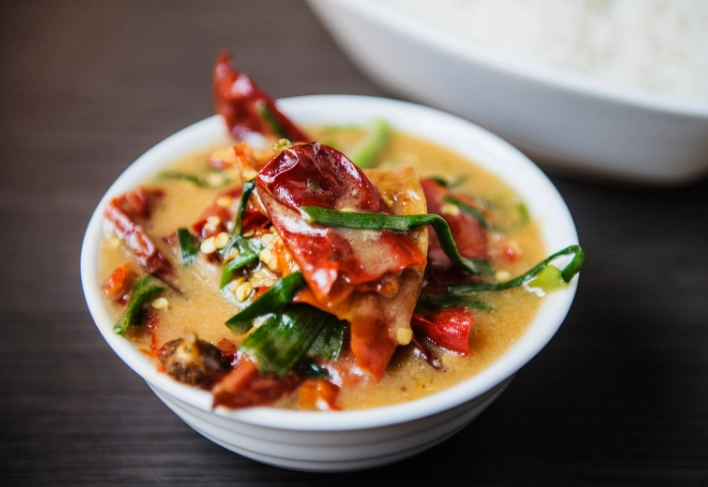
Can You Cook Bhutanese Food at Home? A Realistic Guide.
Absolutely. The core ingredients are the challenge, but there are workarounds. I’ve tried, with mixed success.
The Ingredient Hurdles & Substitutions
| Bhutanese Ingredient | What It Is | Realistic Substitute | Where to Find |
|---|---|---|---|
| Datshi Cheese | Soft, mild, tangy, melts into a sauce. | Mix of farmer’s cheese (paneer) and a mild feta. Or Danish Havarti. The goal is mild tang and meltability. | Cheese counter, Indian grocery (for paneer). |
| Green Chilies (for Ema Datshi) | Large, fleshy, spicy green chilies. | Serrano peppers (hotter) or Cubanelle/Anaheim peppers (milder but better texture). Jalapeños can work but are smokier. | Most supermarkets. |
| Red Rice | Himalayan red rice. | Bhutanese red rice is sold online! Or use a short-grain brown rice or Wehani rice for a similar nuttiness. | Online retailers, specialty food stores. |
A Simplified Ema Datshi Recipe (Home Kitchen Version)
Don’t overcomplicate it. Here’s how I make it when I’m craving that Bhutanese food flavor.
- Get your chilies: Take 10-12 large green Anaheim peppers. Slice them lengthwise, keeping them whole or in big pieces. Remove seeds if you’re worried about heat.
- Sauté the base: In a pot, heat some oil. Sauté a chopped onion until soft. Add 3-4 minced garlic cloves and a tablespoon of chopped ginger. Cook for a minute.
- Add tomatoes and chilies: Throw in 2 chopped tomatoes and all your green chilies. Stir and cook for 5 minutes until the tomatoes break down.
- Cheese time: Add about 1.5 cups of water. Bring to a simmer. Crumble in 200g of a mix of farmer’s cheese and a small amount of crumbled feta (maybe 50g feta to 150g farmer’s cheese). Stir until it melts into a creamy, brothy sauce. Don’t boil hard.
- Season: Add salt to taste. That’s it. The cheese provides the saltiness and tang. Simmer for 10 more minutes.
- Serve: Ladle it over cooked red rice. Be prepared for a flavor adventure.
Is it 100% authentic? No. But does it capture the spirit of a warm, cheesy, chili-filled bowl of comfort? Absolutely. It’s a fun weekend project.
The Final Bite: Why Bhutanese Food Stays With You
Bhutanese food isn’t about delicate presentation or complex techniques. It’s about sustenance, flavor, and community. It reflects the landscape—robust, direct, and beautiful in its simplicity. It warms you from the inside out, which is exactly what you need in the Himalayas.
It might challenge your palate at first. The spice, the butter tea, the textures. But that’s the point of travel, isn’t it? To taste something real, something that tells a story of the place and its people. The story of Bhutanese cuisine is one of making a lot out of a little, of turning a simple chili into a national icon. And that’s a story worth tasting for yourself.
So, if you get the chance, dive in. Order the ema datshi. Be brave with the ezay. Sip the suja. Your taste buds will thank you, eventually. And if you’re just curious from afar, try cooking it. It’s a delicious way to connect with a truly unique corner of the world. For more cultural context, resources from the Bhutan Cultural Atlas are fascinating.