Your Snake Fruit Journey
- Getting Past the Skin: What Does Salak Actually Taste Like?
- How to Eat Salak Snake Fruit (It's Easier Than It Looks)
- Is Salak Snake Fruit Good for You? Let's Look at the Facts.
- From Market to Kitchen: How to Pick and Store Salak
- Thinking of Growing Your Own Snake Fruit Tree? Read This First.
- Answering Your Salak Snake Fruit Questions
- Wrapping It Up: The Final Verdict on Snake Fruit
Let's be honest, the first time you see a salak, it doesn't exactly scream "eat me." It looks more like a large, reddish-brown bug or a weird pinecone than something you'd find in the fruit aisle. That scaly, snake-like skin is where it gets its common name, snake fruit. I remember picking one up at a market in Bali, turning it over in my hand, and thinking, "How on earth do you even get into this thing?" But that moment of hesitation is where the adventure begins. Once you get past the intimidating exterior, you find one of the most interesting and underrated fruits from Southeast Asia.
This isn't just another tropical fruit to tick off a list. Salak has a cult following for a reason. It's crunchy, it's sweet-tart, and it has a history and a set of uses that go far beyond just a snack. People get hooked. I did. But there's also a lot of confusion. Is it like a lychee? Is it super sour? Can you grow it outside of Indonesia? I'm here to walk you through everything, from that first intimidating glance to picking the perfect fruit, enjoying it, and even trying to grow your own. Forget the dry, encyclopedia entries. Let's talk about the real salak snake fruit experience.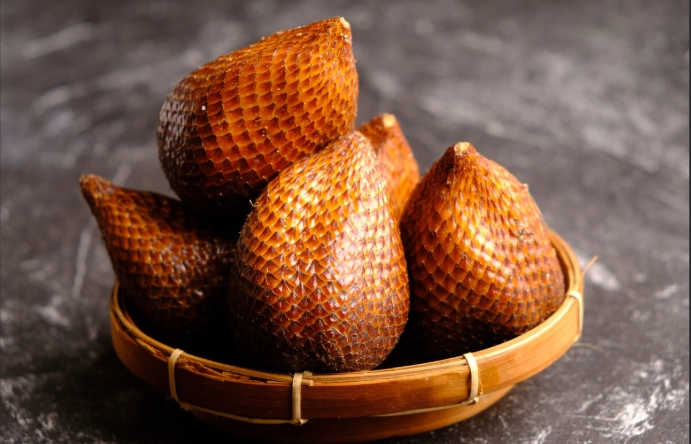
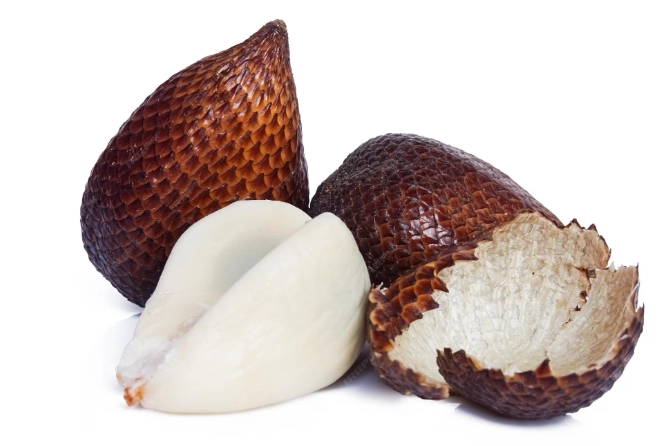
Quick Take: Salak (Salacca zalacca) is a palm fruit native to Indonesia. It's famous for its reddish-brown, scaly skin that resembles snake scales. Inside, you'll find creamy-white lobes that are crisp like an apple but with a unique sweet-and-sour flavor often compared to a mix of pineapple, apple, and a hint of citrus.
Getting Past the Skin: What Does Salak Actually Taste Like?
This is the million-dollar question, right? You see the pictures, you hear the name, but the flavor is hard to pin down from descriptions. I find a lot of the comparisons online are a bit off. Some say it's just like a super-apple. Others claim it's intensely sour. The truth is, it depends wildly on the variety and ripeness.
The texture is the first surprise. Bite into a fresh, crisp salak, and you get a satisfying crunch. It's not juicy like a mango or orange; it's dry and crisp, closer to an apple or a slightly underripe pear. That texture alone makes it a fantastic, refreshing snack in hot weather.
Now, the flavor profile. A good, ripe salak from the common 'Pondoh' variety has a dominant sweet-tartness. The closest single-fruit comparison I can make is to a less-juicy, more fibrous pineapple, but with honeyed notes. There's a subtle astringency that can dry your mouth a little, similar to a strong black tea or a persimmon, but in a pleasant way. It's not unpleasant bitterness; it's more of a tannic quality that makes you want to take another bite. Some varieties, like 'Bali,' are significantly sweeter and less astringent.
Pro-Tip for First-Timers: Don't judge all salak by your first one! If your first taste is unpleasantly sour or puckeringly astringent, you might have gotten an unripe fruit or a more sour variety. Seek out a 'Bali' or a 'Madu' (which means 'honey') variety for a much sweeter, more beginner-friendly introduction to snake fruit.
Here’s the thing they don’t always tell you: the aroma. Peel a salak, and you get this faint, almost floral or musky scent. It's not strong, but it's part of the whole experience. It’s earthy and sweet at the same time.
And then there's the aftertaste. A good salak leaves a lingering sweetness that makes it incredibly moreish. You finish one lobe and immediately want to start on the next. It's that combination of crisp bite, balanced sweet-sour punch, and clean finish that makes it so addictive.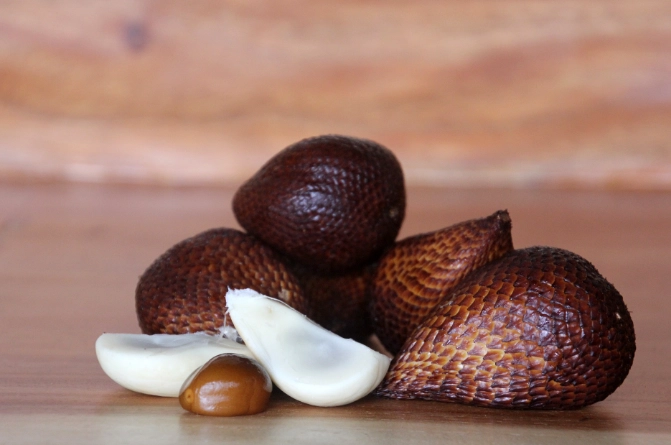
Salak Showdown: A Quick Guide to Common Varieties
Not all snake fruits are created equal. The taste, size, and texture can vary a lot depending on the cultivar. Knowing these can save you from a disappointing first try. Based on my own tastings and chats with growers, here’s a rough breakdown.
| Variety Name | Common Origin | Flavor Profile | Best For | Note |
|---|---|---|---|---|
| Salak Pondoh | Yogyakarta, Java | Classic sweet-tart, noticeable astringency, crisp. | The authentic, most common experience. | Can be hit-or-miss in sweetness. The "default" salak. |
| Salak Bali | Bali | Generally sweeter, less astringent, slightly softer crunch. | First-timers, those who dislike tartness. | Often larger and has a more vibrant, reddish skin. |
| Salak Madu (Honey) | Various (a cultivar) | Very sweet, minimal sourness, often smaller. | Desserts, eating out of hand if you have a sweet tooth. | "Madu" means honey. Highly sought after for its sugar content. |
| Salak Gula Pasir (Sand Sugar) | Bangkalan, Madura | Exceptionally sweet, fine-grained texture. | A premium sweet treat. | Considered one of the best and often more expensive. |
If you're buying from a specialty store or an online exotic fruit vendor, ask for the variety. It makes all the difference. Starting with a Salak Bali or Madu is like getting training wheels for the world of snake fruit.
How to Eat Salak Snake Fruit (It's Easier Than It Looks)
Okay, you've bought some. Now what? That armor-like skin is your first challenge. Don't try to bite into it—you'll regret it. The scales are tough and fibrous.
The classic method is to find the tip of the fruit (the end opposite the stem). Pinch it firmly between your thumb and forefinger and give it a twist and pull. You should feel a bit of the inner flesh give way, and you can start to peel a section of the skin back, almost like peeling a hard-boiled egg. Sometimes it comes off in one satisfying piece; other times you work it off in sections. The skin is thin but surprisingly tough.
Inside, you'll find two to three creamy-white lobes. These are the edible parts. They're usually fused together around a central core. Gently separate the lobes. You'll see a dark brown, inedible seed inside each lobe. You can eat around it, much like you would with a peach pit, or cut the flesh away. The seed is large and hard, so just nibble the crisp flesh off it.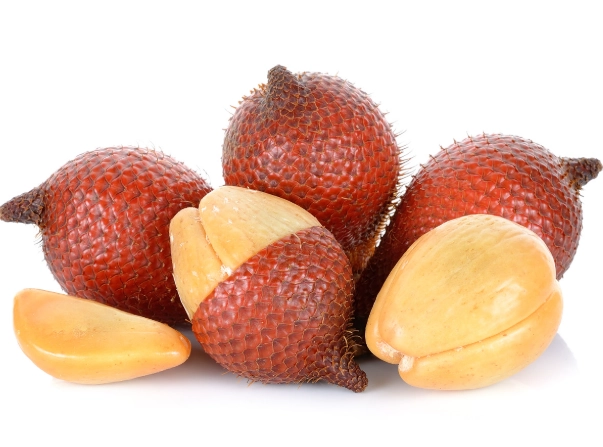
Watch Out: The inside of the skin and the area immediately around the seed can sometimes have tiny, needle-like spines (especially in some varieties). They're not always present, but they can be annoying if you bite down on one. Just be mindful when you're eating close to the seed or scraping the last bits off the skin.
Once peeled, you can eat it straight. But don't stop there. Salak is incredibly versatile.
- In Salads: Its crunch holds up beautifully. Dice it and toss it into a green salad or a tropical fruit salad for a surprising texture.
- Pickled or Preserved: In Indonesia, you often find salak in sweet syrups (manisan salak) or pickled (asinan). The tart varieties work particularly well for this, balancing the sugar or vinegar.
- Cooked: It can be used in curries or stir-fries, though it softens considerably. Think of it like water chestnut—it adds a different element.
- Candied or Dried: Dried salak chips are a fantastic snack. They become chewy and intensely sweet, like a natural fruit candy.
My personal favorite way, besides fresh, is to slice it thin and add it to a plate of cheese and crackers. The sweet-tart crunch cuts through rich cheese like a charm.
Is Salak Snake Fruit Good for You? Let's Look at the Facts.
Beyond the novelty, is there any substance? Turns out, yes. Salak packs a decent nutritional punch. It's not a superfood miracle, but it's a very healthy snack option.
First off, it's rich in dietary fiber. That crisp texture isn't just for show. The fiber content is excellent for digestive health and can help promote a feeling of fullness. For a fruit, it's also relatively high in certain minerals. I was surprised to learn it contains notable amounts of potassium, which is crucial for heart function and blood pressure regulation, and iron. It also provides vitamin C, though not in astronomical amounts like a guava or orange.
One of the most talked-about aspects is its antioxidant content. The flesh, and especially the skin (which we don't eat), contains compounds like flavonoids and polyphenols. Antioxidants help combat oxidative stress in the body, which is linked to aging and various diseases.
There's also a traditional belief, particularly in Java, that consuming salak can help with diarrhea due to its tannin content (which is responsible for that astringent feeling). While I wouldn't use it as medicine, the idea has some basis—tannins can have a binding effect. The high fiber can also help regulate digestion overall. For detailed, scientific nutrient breakdowns of fruits, resources like the USDA FoodData Central are invaluable, though specific data for salak can be less common than for apples or bananas.
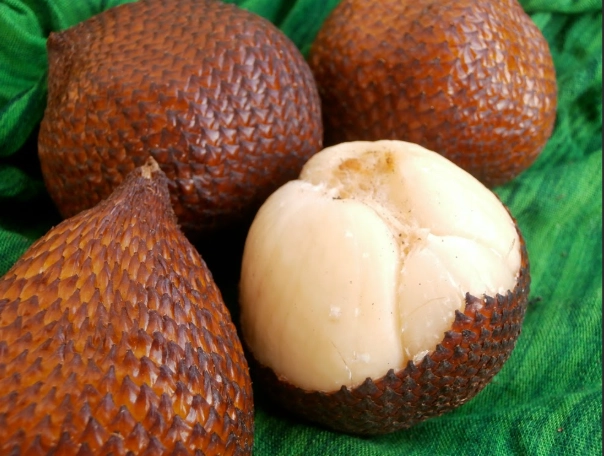 So, it's a healthy choice. But remember, the sweetened, syrupy preserved versions will pack a lot of added sugar.
A Quick Nutritional Snapshot (Per 100g of fresh fruit, estimated)
- Energy: Around 80-100 calories (a moderate amount for fruit).
- Carbohydrates: Primarily natural sugars and complex carbs (fiber).
- Fiber: High – can be over 3-4 grams, which is great.
- Key Minerals: Potassium, Calcium, Phosphorus, Iron.
- Vitamins: Vitamin C, some B vitamins, and beta-carotene.
It's also naturally fat-free and low in sodium. A pretty clean snack, all things considered.
From Market to Kitchen: How to Pick and Store Salak
This is where you can really elevate your snake fruit game. Choosing the right fruit is 90% of the battle.
Selecting: Go for fruits that feel heavy for their size—this usually indicates juicier, denser flesh. The scales should be intact and tight, not cracked or overly dry-looking. Color isn't a perfect indicator of ripeness across varieties, but generally, avoid fruits with lots of green on the scales; they're likely underripe and will be very sour and astringent. A uniform reddish-brown or dark brown is safer. Give it a gentle squeeze. It should have a slight give, like a ripe pear, not be rock hard. Rock-hard salak is unripe.
Storing: Salak is not like a banana that ripens dramatically on your counter. It's a non-climacteric fruit, meaning it doesn't continue to sweeten much after picking. It might soften a little, but the sugar content is largely set. Store them at room temperature for a few days if you plan to eat them soon. For longer storage (up to a week or two), pop them in the crisper drawer of your fridge. The cold helps retain their crispness. The skin protects them well from drying out.
Do not peel them until you're ready to eat. Once peeled, the flesh oxidizes and browns quickly (like an apple) and will also dry out. If you must prepare ahead, submerge the peeled lobes in a little water with a squeeze of lemon or lime juice to prevent browning.
Thinking of Growing Your Own Snake Fruit Tree? Read This First.
I get it. After tasting a great salak, the dream of having your own tree is tempting. I had the same thought. But let's be real—this is a project for dedicated gardeners in very specific climates.
The salak palm (Salacca zalacca) is a tropical plant through and through. It thrives in hot, humid conditions with consistent rainfall. We're talking USDA hardiness zones 11+ essentially. It can't handle frost at all. If you live in Florida (southern parts), Hawaii, or similar tropical climates, you might have a shot. For everyone else in temperate zones, it's a strict container plant that you'll need to bring indoors for most of the year, and it's unlikely to ever fruit indoors due to its size and pollination needs.
The plant itself is striking. It's a low, clumping palm with enormous, pinnate leaves that can be several meters long. The catch? The leaves and stems are fiercely armed with long, sharp spines. This isn't a gentle plant. You need serious gloves and care when handling it. They call it "snake fruit" for the skin, but the plant itself is pretty beastly.
It's also dioecious, meaning you need both a male and a female plant to get fruit. And it can take 3-4 years from seed to even have a chance at flowering. You're in it for the long haul.
If you're still determined, start with seeds from a very fresh fruit. Clean the seed thoroughly and plant it in a warm, moist, well-draining potting mix. Germination can be slow and erratic. Once it sprouts, it needs bright, indirect light and constant warmth and humidity. Think of creating a mini rainforest in a pot.
Honestly, for most people, enjoying the fruit is reward enough. Growing it is a serious horticultural challenge. I tried with a seedling in a greenhouse setup, and the constant battle with humidity and scale insects made me appreciate the farmers in Indonesia a whole lot more.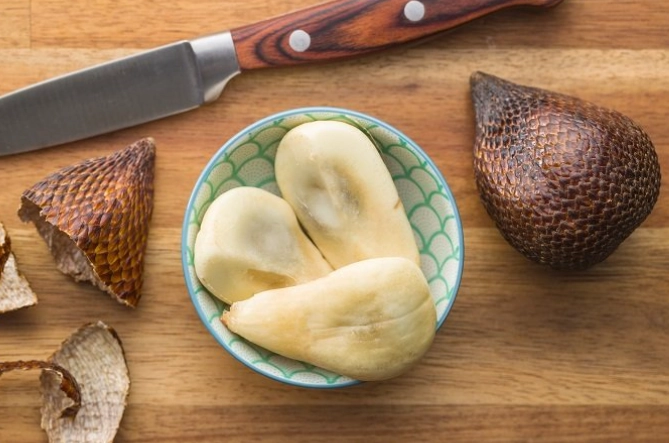
Answering Your Salak Snake Fruit Questions
 The bottom line? Don't be scared of its looks. Salak is a rewarding fruit to explore.
Wrapping It Up: The Final Verdict on Snake Fruit
Salak snake fruit is a perfect example of why you shouldn't judge a book by its cover—or a fruit by its skin. Behind that intimidating, reptilian exterior lies a uniquely crisp, refreshing, and complex tropical treat. It's an adventure for your taste buds, offering a combination of sweetness, tartness, and astringency you won't find anywhere else.
Is it for everyone? Maybe not. If you only love supersweet, juicy fruits, the dry crunch might throw you. But if you enjoy exploring textures and flavors—the apple-eaters, the pear-lovers, the folks who seek out strange fruit in the market—then salak needs to be on your list.
Start with a sweeter variety, master the simple peel, and enjoy it fresh. Appreciate it for what it is: a wonderfully weird, healthy, and delicious gift from the Southeast Asian tropics. It's more than just a novelty; it's a staple for a reason. Once you get past the scales, you might just find your new favorite snack.
And if you ever get the chance to try it fresh from a market in Bali or Java, do it. The difference in flavor from a fruit that traveled across the world is night and day. It’s an experience that makes the whole journey of discovering salak snake fruit completely worth it.
Reader Comments