What's Inside: A Quick Look
Let's be honest, Korean food isn't just a trend anymore—it's a global sensation. You see it everywhere, from buzzing city food halls to that cozy spot down your street. But with so much hype, it's easy to get lost. What's actually worth trying? What's overrated? And how do you navigate a menu without pointing randomly?
I remember my first real encounter with a proper Korean spread. It was overwhelming in the best way. Dozens of little dishes (those are banchan, by the way), sizzling pots arriving at the table, and flavors I'd never quite experienced before. It was sour, spicy, savory, and sweet all at once. I was hooked. But I also made a lot of mistakes, ordering things I wasn't ready for.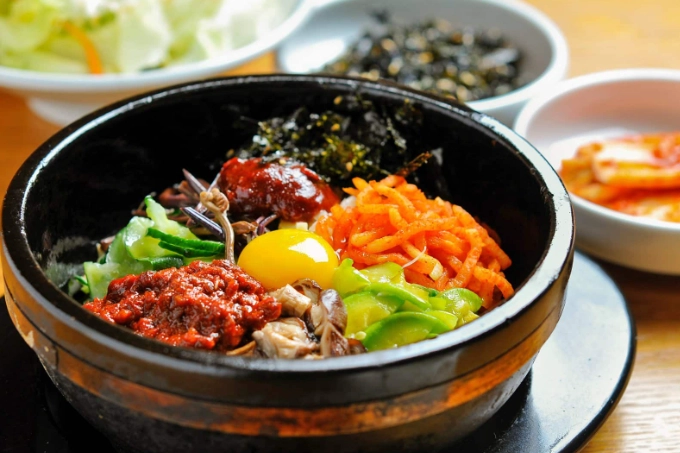
This guide is the one I wish I'd had. We're going beyond the Instagram pics and diving into what makes these dishes tick. We'll talk about the iconic stuff, the underrated gems, and yes, we'll even tackle that notorious fermented cabbage. Whether you're planning a trip to Seoul or just want to impress at your local Korean BBQ joint, consider this your roadmap.
Why Is Korean Food So Darn Popular Anyway?
It's not an accident. There's a reason Korean dishes have shot to the top of the global food charts. First off, it's the balance. Korean cuisine has this magic way of hitting all five taste senses—sweet, sour, salty, bitter, and umami—often in a single meal. Think about it: the tangy kick of kimchi, the deep savory broth of a stew, the sweet glaze on some grilled meat. It's a party for your palate.
Then there's the health angle. With all the fermented foods (like kimchi and doenjang), loads of vegetables, and lean proteins, it gets a lot of praise from nutritionists. Studies, like those highlighted by resources from PubMed, often point to the potential benefits of fermented foods for gut health. Of course, it's not all salads and smoothies—there's plenty of grilled meat and frying too—but the foundation is pretty solid.
But for me, the biggest draw is the experience. Korean dining is social, interactive, and often theatrical. Cooking your own meat at the table, sharing a massive stew, the endless refills of banchan... it's designed for connection. In a world where we're often stuck on our phones, a Korean meal forces you to engage, to share, to cook for each other. That's powerful stuff.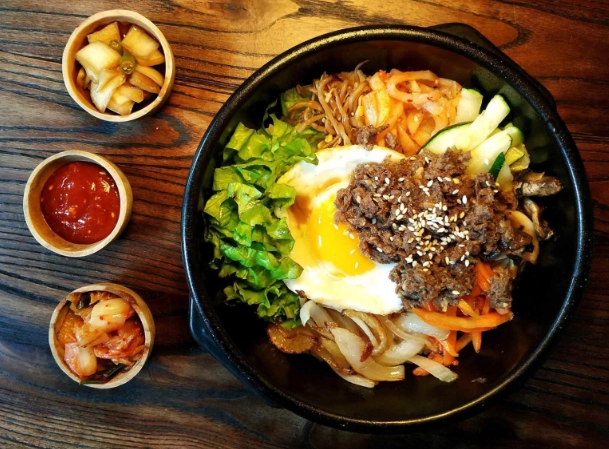
And let's not forget the Hallyu wave—the global spread of Korean culture through K-pop and K-dramas. When you see your favorite actor happily slurping a bowl of jjajangmyeon, you suddenly need to know what it tastes like. The Korea Tourism Organization has brilliantly tapped into this, promoting food trails and culinary experiences. It's a full-sensory export.
The Heavy Hitters: A Run-Down of Must-Try Popular Korean Food
Alright, let's get to the main event. Here's a breakdown of the dishes that define the term "popular Korean food." This isn't just a ranking; it's a field guide.
Kimchi: The Heartbeat of the Cuisine
You can't talk about Korean food without starting here. It's the national dish, the constant sidekick, and a culinary project in every Korean household. At its core, kimchi is fermented vegetables, most famously napa cabbage, seasoned with chili powder, garlic, ginger, and jeotgal (salted seafood).
But here's what most guides don't tell you: there are hundreds of types. Baechu kimchi (the classic cabbage) is just the beginning. There's kkakdugi (cubed radish kimchi), yeolmu kimchi (young summer radish), and even bossam kimchi (wrapped kimchi). The flavor evolves over time. Fresh kimchi is crisp and bright, while well-fermented kimchi is sour, fizzy, and deeply complex. It's an acquired taste for some, I won't lie. My first try was a shock—sour, spicy, cold, and funky all at once. Now I can't imagine a meal without it.
Bibimbap: The Perfect Bowl
This is arguably the most approachable and visually stunning of all popular Korean food. The name means "mixed rice," and that's exactly what you do. A bowl of warm rice is topped with an array of seasoned vegetables (namul), some meat (usually beef), a fried egg, and a dollop of gochujang (red chili paste).
The magic happens when you mix it all together. The runny egg yolk creates a rich sauce, the gochujang provides heat and sweetness, and the various vegetables offer different textures. It's a complete, balanced meal in a bowl. The version served in a hot stone pot (dolsot bibimbap) is the ultimate experience—the rice at the bottom gets crispy and golden.
I love bibimbap for its versatility. It's a clean-out-the-fridge dish at home, but also a restaurant staple. It feels healthy, satisfying, and endlessly customizable. For vegetarians, just skip the meat and egg—it's still fantastic.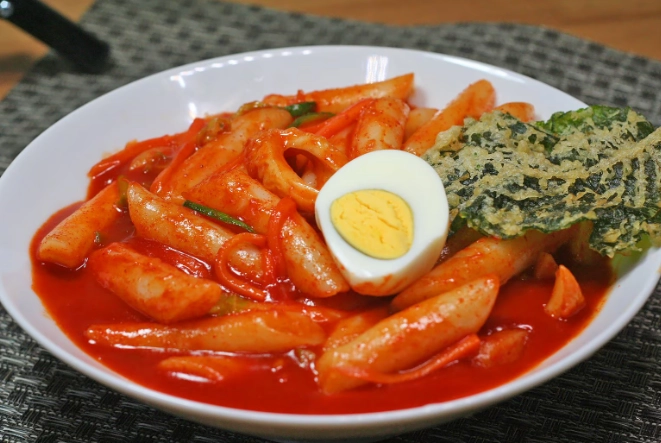
Korean BBQ (Gogi-gui): The Interactive Feast
This is the king of social dining. You sit at a table with a built-in grill, order cuts of meat (most commonly pork belly/samgyeopsal or beef galbi), and cook it yourself. It's fun, engaging, and deliciously smoky.
The ritual is key. You don't just eat the meat plain. You take a piece of lettuce or perilla leaf (ssam), add a piece of meat, maybe some grilled garlic or kimchi, a dab of ssamjang (a thick, savory paste), wrap it up, and eat it in one bite. The combination of hot, juicy meat with cool, crisp lettuce and pungent sauces is incredible.
Jjigae & Jeongol: The Soul-Warming Stews
If BBQ is the party, jjigae is the comforting hug. These are hearty, boiling stews served in a shared pot at the center of the table. They're perfect for cold weather or when you need something deeply nourishing.
- Kimchi Jjigae: The most famous. Sour, fermented kimchi, pork, tofu, and vegetables in a spicy broth. It's bold, tangy, and addictive.
- Doenjang Jjigae: Made with fermented soybean paste (doenjang). It's less spicy than kimchi jjigae, with a deep, savory, almost earthy flavor from the paste. Packed with vegetables and tofu.
- Sundubu Jjigae: A personal favorite. Soft, silken tofu in a spicy, seafood-based broth, often with an egg cracked in at the end. It's creamy, fiery, and comforting all at once.
Jeongol is like jjigae's fancier cousin—more of a hot pot with a wider variety of ingredients like seafood, mushrooms, and noodles. Both are meant to be shared, making your meal a communal experience.
Street Food & Snacks: The Flavorful Quick Bites
The world of popular Korean food isn't confined to restaurants. Some of the best eating happens on the street. Here's a quick hit list:
- Tteokbokki: Chewy rice cakes simmered in a sweet, spicy, and sticky red sauce. It's the ultimate comfort snack. Often paired with fish cakes and boiled eggs.
- Hotteok: A sweet pancake filled with melted brown sugar, cinnamon, and nuts. Crispy on the outside, gooey on the inside. Perfect in winter.
- Kimbap: Often called "Korean sushi," but it's really its own thing. Rice and various fillings (like spinach, carrot, pickled radish, and ham or tuna) rolled in seaweed and sliced. It's the go-to picnic and travel food.
- Bungeoppang: Fish-shaped pastry filled with sweet red bean paste. Adorable and delicious.
Walking through a market like Seoul's Gwangjang Market and just grazing on these snacks is a food adventure in itself.
Navigating the Menu: A Practical Guide
So you're at a Korean restaurant. The menu is long, and you're not sure what to order. Let's break it down by situation.
| If You Want... | Order This | Good for... | Watch Out For |
|---|---|---|---|
| Something Familiar & Safe | Bibimbap, Kimbap, Japchae (glass noodle stir-fry), Bulgogi (marinated beef) | First-timers, kids, less adventurous eaters | Bibimbap's gochujang can be spicy—ask for it on the side. |
| A Social, Interactive Meal | Korean BBQ (Samgyeopsal, Galbi), Jeon (savory pancakes) to share | Groups, dates, fun dinners | BBQ often has a minimum order (usually 2 portions of meat per grill). |
| Comfort Food / Cold Day | Any Jjigae (Kimchi, Doenjang, Sundubu), Kalguksu (knife-cut noodle soup) | Solo dining, small groups, when you need warmth | Stews are served boiling hot. Be careful! |
| To Be Adventurous | Samgyetang (ginseng chicken soup), Sannakji (live octopus*), Hongeo-hoe (fermented skate) | Foodies seeking unique experiences | These have very strong, acquired flavors and textures. Not for everyone. |
| A Quick, Cheap & Tasty Bite | Tteokbokki, Mandu (dumplings), Ramyeon (Korean instant noodles, often upgraded) | Lunch, snacks, late-night eats | Street food tteokbokki can be very spicy. |
*A note on Sannakji: Yes, it's a thing. Small pieces of live octopus that still move on the plate. It's chewy, fresh, and the suction cups can stick to your mouth. It's a wild experience, but you must chew thoroughly. It's not as scary as it sounds, but it's definitely not a beginner dish.
Beyond the Plate: How to Eat It (The Real Way)
Knowing what to order is half the battle. The other half is knowing how to eat it. Korean dining has its own etiquette, but don't stress—it's mostly about enjoyment.
Banchan, those little side dishes, are free refills. If you finish one, it's perfectly okay to ask for more ("jeogeuseyo" or just point and smile). They're not just appetizers; you eat them throughout the meal to complement the main dishes.
With rice and soup, it's common to hold the bowl in your left hand. For BBQ, use the lettuce wrap (ssam) technique—it's not just cute, it balances the rich meat. And if you're drinking with elders, turn your head to the side when you take a sip of soju or beer. It's a sign of respect.
But honestly? Koreans are incredibly welcoming to foreigners. They'll be thrilled you're trying their food. If you use chopsticks clumsily or forget a rule, no one will mind. The most important rule is to enjoy it.
Where to Find the Best Popular Korean Food
In Korea:
If you're making the pilgrimage, you have to get off the main tourist trail. Myeongdong and Hongdae have great spots, but some are overpriced. Follow the locals.
- Seoul: Gwangjang Market for street food. Mapo-gu or Seongsu-dong for trendy, modern interpretations. Any packed alleyway (pojangmacha) for late-night eats and soju.
- Busan: Jagalchi Fish Market for the freshest seafood. Millak Waterside Park for raw fish (hoe) with a view.
- Jeonju: The birthplace of bibimbap. The Jeonju Hanok Village is a must for the classic version.
The Michelin Guide has also recognized Seoul's dining scene in a big way, highlighting everything from street food stalls to high-end temples of cuisine. It's a great resource for finding exceptional meals.
Outside Korea:
Look for neighborhoods with a dense Korean population. In LA, it's Koreatown. In New York, it's Flushing or Manhattan's K-Town. In these areas, you'll find the most authentic, no-frills restaurants serving food to homesick Koreans. That's always a good sign.
Answering Your Burning Questions (FAQ)
Is all Korean food spicy?
This is the biggest misconception. No, it's not all spicy! While gochujang (red chili paste) and gochugaru (chili powder) are foundational, many beloved dishes are mild. Bulgogi, japchae, kimbap, samgyetang, pajeon, and most soups based on doenjang or clear broth have little to no heat. You can always ask for less spice or for the sauce on the side.
I'm vegetarian/vegan. Is Korean food friendly?
It can be tricky, but it's possible. Buddhism influenced a lot of temple cuisine, which is strictly plant-based. Dishes like bibimbap (ask for no meat/egg), japchae (check for meat), pajeon (scallion pancake), and doenjang jjigae (ask if the broth is anchovy-free) are often adaptable. The main challenge is that many stocks and sauces use anchovy or shrimp. Be clear and ask. More and more vegan Korean restaurants are popping up globally.
What's the difference between Kimchi and Sauerkraut?
Both are fermented cabbage, but that's where the similarity ends. Sauerkraut is just cabbage and salt, resulting in a sour, salty taste. Kimchi has a complex seasoning paste (chili, garlic, ginger, fish sauce/shrimp paste) and ferments for a shorter time at warmer temperatures. The result is spicy, tangy, umami-rich, and often fizzy. They're completely different beasts.
What should I drink with Korean food?
Soju is the classic spirit—clean, slightly sweet, and potent. It's usually drunk as shots. Makgeolli is an unfiltered rice wine, milky, slightly sweet and sour, and lower in alcohol. It pairs amazingly with pancakes and spicy food. For non-alcoholic options, barley tea (boricha) is served free at most restaurants and is great for cleansing the palate. Sweet rice drinks like sikhye are a popular dessert beverage.
Is it healthy?
The foundation is fantastic: fermented foods, vegetables, lean proteins, soups. However, like any cuisine, it has its indulgences—fried foods, sugary sauces, and high sodium levels (especially in soups and stews). The key is balance, as with any diet. The high vegetable and fiber content is a huge plus.
Final Thoughts: Dive In
Exploring popular Korean food is a journey. It might start with a cautious bite of bulgogi, lead to a love affair with kimchi jjigae, and maybe even culminate in a brave attempt at sannakji. The landscape is rich, varied, and deeply satisfying.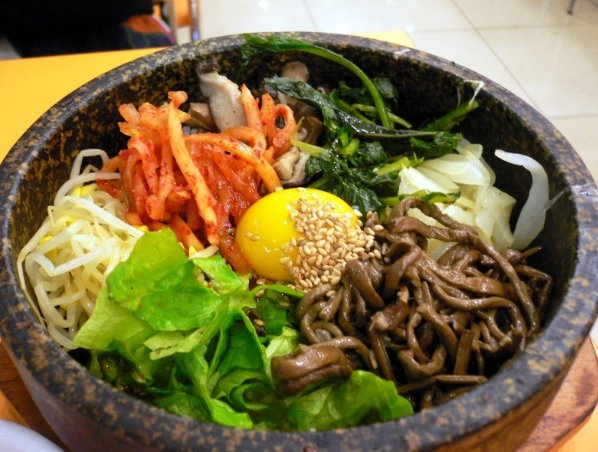
The best advice I can give? Be curious. Ask questions. Point at what the next table is having. Order too much. Get your hands messy with BBQ. That shared pot of stew, the sizzle of the grill, the explosion of flavors in a simple bowl of bibimbap—it's more than just eating. It's an experience that connects you to a vibrant culture.
So, what are you waiting for? Go find your new favorite dish.
Reader Comments