Quick Guide
Let's talk about food that has soul. I'm not just talking about something to fill your stomach. I'm talking about meals that tell a story, that have been perfected over generations, that balance flavors in a way that just makes sense once you taste it. That's what you get with classic Korean dishes.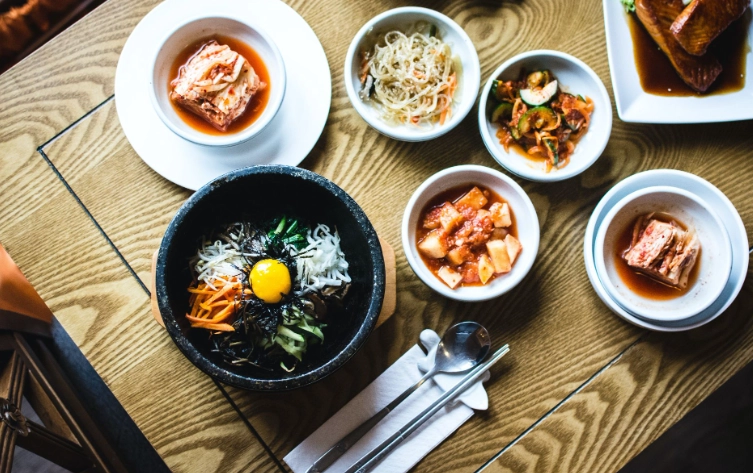
I remember my first real encounter with Korean food. It wasn't in a fancy restaurant. It was at a friend's house, and their mom had spent the whole afternoon cooking. The table was covered—I mean covered—with small plates of colorful, strange-looking things. There was this pungent, fermented smell in the air that was oddly inviting. And then came the main event: a sizzling stone bowl of bibimbap. Mixing that bright red gochujang sauce into the rice, vegetables, and egg... it was a revelation. It was spicy, savory, crunchy, soft, hot, and cool all at once. I was hooked.
Since then, I've eaten my way through a lot of Korean menus. Some dishes blew my mind. Others? Honestly, some were an acquired taste that took a few tries. But that's the beauty of it. Korean cuisine isn't afraid to be bold. It's built on a foundation of fermented flavors, fiery peppers, and soothing broths. It's food that's meant to be shared, to be experienced with all your senses.
So, whether you're a complete newbie staring at a menu full of Hangul you can't read, or you're a kimchi veteran looking to deepen your knowledge, this guide is for you. We're going beyond the basic list. We're digging into the classic Korean dishes that define the cuisine, why they work, how to eat them properly, and even how to spot a good version versus a mediocre one. Forget the trendy fusion stuff for a minute. Let's get back to the classics.
The Core Philosophy: What Makes a Dish a "Classic"?
Before we jump into the specific foods, it helps to understand the mindset. A classic Korean dish isn't just old. It's a staple that has stood the test of time because it perfectly embodies key principles of the cuisine.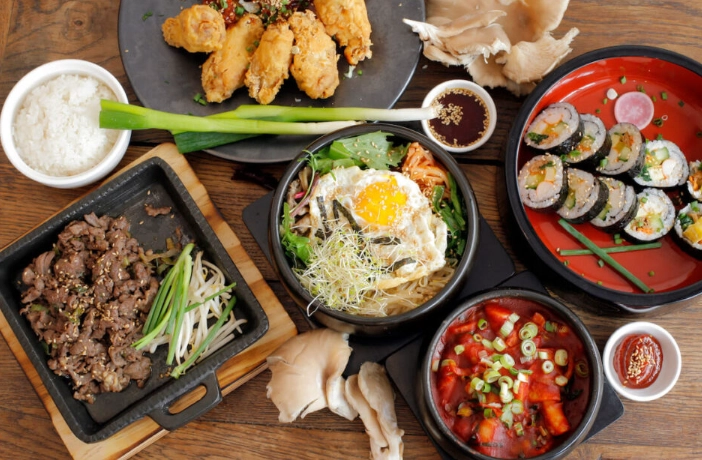
First, there's balance. Not just flavor balance, though that's huge—the famous concept of "eum-yang" (yin-yang) shows up on the plate. It's also about texture (soft rice against crispy seaweed, chewy noodles in a smooth broth), temperature (scorching hot stew with cool, crisp side dishes), and color. A Korean table is meant to be a rainbow.
Then there's fermentation. This isn't a gimmick; it's preservation and flavor science. Kimchi is the superstar, but fermentation gives us soy sauce, doenjang, gochujang, and fermented seafood used for seasoning. These ingredients add a complex, savory depth (that's the umami) you just can't get from fresh ingredients alone.
Finally, there's communal eating. Most classic Korean dishes are designed for sharing. A big pot of stew in the middle of the table. A platter of grilled meat everyone cooks together. Even the side dishes (banchan) are for the table. It's social food.
With that in mind, let's meet the all-stars.
The Undisputed Hall of Famers (The Must-Try List)
If you have limited time or are just starting out, these are the non-negotiable, foundational classic Korean dishes. You'll find these in virtually every Korean restaurant worth its salt, from Seoul to San Francisco.
Kimchi (김치) – More Than Just a Side Dish
Okay, let's get this out of the way. Kimchi is not just spicy cabbage. Calling it that is like calling wine fermented grape juice—technically true, but missing the entire point. It's the heart and soul of the cuisine. It's a category of its own, with hundreds of regional and seasonal varieties (radish kimchi, cucumber kimchi, water kimchi).
The classic napa cabbage kimchi (baechu kimchi) is a labor of love. Salted cabbage is slathered with a paste of gochugaru (Korean red chili flakes), garlic, ginger, fish sauce, and sometimes fermented shrimp, then left to ferment. The result is crunchy, spicy, sour, salty, and utterly addictive. It's served at almost every meal as a banchan, but its true power is as an ingredient.
My take? The store-bought stuff in jars is fine in a pinch, but it's often too sour and one-dimensional. Fresh, homemade kimchi from a Korean market or restaurant has a brighter, more complex flavor and better crunch. The best kimchi has a slight fizz from active fermentation—that's how you know it's alive.
Bulgogi (불고기) – The Sweet and Savory Gateway
If kimchi is the soul, bulgogi might be the friendly ambassador. Thinly sliced beef (usually sirloin or ribeye) is marinated in a sweet-savory blend of soy sauce, sugar or pear juice (for tenderizing), sesame oil, garlic, and black pepper. It's then grilled or pan-fried. The name literally means "fire meat."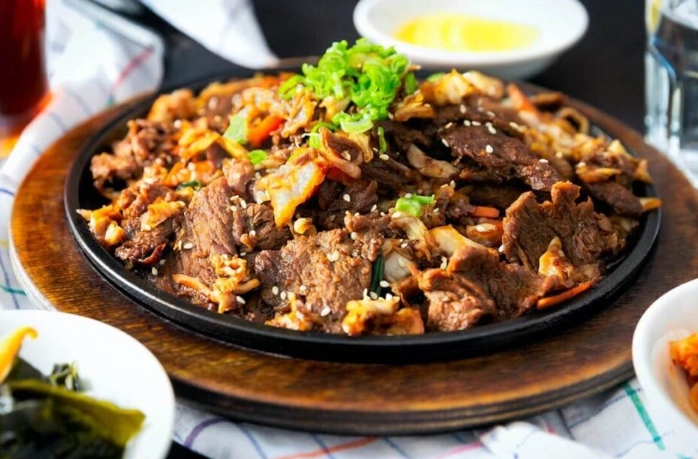
The genius of bulgogi is in its accessibility. The flavors are familiar yet distinct—sweet, salty, garlicky, with a hint of smoke. It's rarely overly spicy, making it a perfect introduction. You eat it wrapped in a fresh lettuce leaf (ssam) with a bit of rice, maybe some garlic or ssamjang (a thick dipping paste), and of course, kimchi.
Watch out for: Cheap versions can be cloyingly sweet and use tough cuts of meat. Good bulgogi should have a balance where you can still taste the soy and sesame, and the meat should be tender, not chewy.
Bibimbap (비빔밥) – The Harmony Bowl
This is the dish that first won me over. "Bibim" means mixed, "bap" means rice. It's a colorful bowl of warm rice topped with an array of seasoned vegetables (namul)—like spinach, bean sprouts, carrots, mushrooms, and zucchini—a bit of meat (often bulgogi), a fried or raw egg, and a dollop of gochujang. The version served in a hot stone bowl (dolsot bibimbap) is superior, in my opinion. The bowl crisps the rice at the bottom into a delicious, crunchy layer called nurungji.
You get a bowl that's a complete meal: carbs, protein, veggies, and flavor. The act of mixing it all together is part of the fun and the point—creating your own perfect blend of flavors and textures in every bite.
Kimchi Jjigae (김치찌개) – The Ultimate Comfort Stew
This is my personal favorite, especially on a cold day. It's a robust, fiery stew built around well-fermented (sour) kimchi. The kimchi is sautéed with pork (usually pork belly or shoulder), then simmered in its own juices and broth, often with tofu, onions, and green onions added. It's served bubbling hot in a stone pot.
The flavor is intense, spicy, sour, and deeply savory. It's not a subtle dish. It's a punch in the face of flavor that somehow feels incredibly nurturing. You eat it with rice, using the rice to temper the heat. The key ingredient is old kimchi. Fresh kimchi won't give you the same depth of sour, funky flavor that makes the stew special.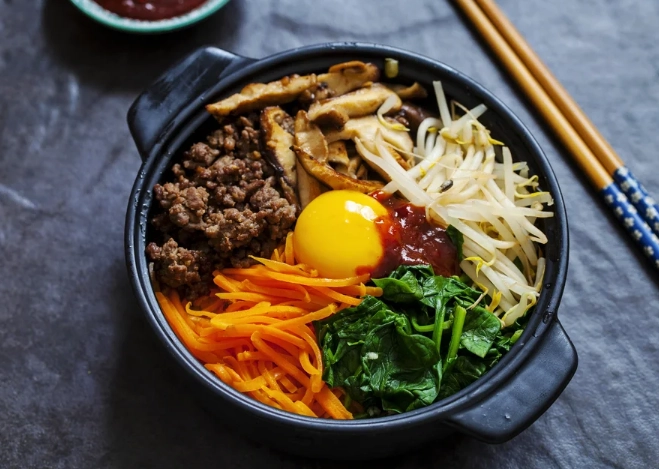
Pro tip: Don't wear a white shirt. The red broth has a tendency to splatter when you're digging in with your spoon.
Japchae (잡채) – The Celebratory Noodle Dish
If bulgogi is the grilled ambassador, japchae is the elegant diplomat. These are sweet potato starch noodles (dangmyeon) that have a wonderful, uniquely chewy and slippery texture. They're stir-fried with a mix of colorful vegetables (spinach, carrots, onions, mushrooms) and sometimes beef, all seasoned with soy sauce and sesame oil.
It's a dish often served at holidays and celebrations because it's a bit more time-consuming to prepare. The flavor is more subtle and refined—savory, slightly sweet, with a wonderful nuttiness from the sesame oil. The noodles are meant to symbolize longevity. They're also served at room temperature, which makes them great for parties.
These five are just the tip of the iceberg, but they form the core vocabulary of classic Korean dishes. Master these, and you'll be able to navigate any menu with confidence.
Beyond the Basics: Deep Cuts and Regional Stars
Once you're comfortable with the big names, the world of Korean food opens up. These dishes might not be on every single menu, but they are just as important to understanding the cuisine's breadth.
Samgyeopsal (삼겹살) – Grill-It-Yourself Pork Belly
This isn't just food; it's an event. Thick, unseasoned slices of pork belly are grilled at the table by you. The lack of marinade lets the pure, rich flavor of the pork shine. You snip the cooked strips with scissors, wrap them in lettuce or perilla leaves with garlic, grilled kimchi, and ssamjang. It's interactive, social, and deeply satisfying. The fat renders out and crisps up, and the meat stays juicy.
Sundubu Jjigae (순두부찌개) – Soft Tofu Stew
The cousin to kimchi jjigae, but with a completely different personality. This stew features extra-soft, uncurdled tofu (sundubu) in a spicy, seafood-based broth. It's often loaded with clams, shrimp, or oysters, and a raw egg is cracked into the bubbling pot at the end to cook gently. The texture is the star here—the silken tofu practically melts in your mouth against the briny, spicy broth. It's lighter than kimchi jjigae but no less flavorful.
Haemul Pajeon (해물파전) – Seafood Scallion Pancake
A savory pancake that's crispy on the outside, chewy and soft inside. It's packed with green onions (pa) and an assortment of seafood (haemul) like squid, shrimp, and clams. It's not a breakfast pancake; it's a hearty appetizer or a perfect dish to eat with makgeolli (Korean rice wine) on a rainy day—there's actually a saying about that. Dip it in a soy-vinegar sauce for a hit of acidity.
Let's organize some of these core and deep-cut dishes to see how they fit into a meal.
| Dish Name | Main Ingredient | Flavor Profile | Best For | My Personal Rating |
|---|---|---|---|---|
| Kimchi Jjigae | Fermented Kimchi, Pork, Tofu | Fiery, Sour, Deeply Savory | A cold day, comfort food craving | 10/10 - My go-to |
| Bibimbap | Rice, Assorted Veggies, Egg, Meat | Balanced, Customizable, Nutty (if dolsot) | A complete, healthy-ish meal | 9/10 - Always satisfying |
| Bulgogi | Marinated Beef | Sweet, Salty, Garlicky, Smoky | Introducing someone to Korean food | 8/10 - Can be too sweet sometimes |
| Samgyeopsal | Pork Belly | Rich, Meaty, Smoky (from grilling) | A social dining experience | 9/10 - Fun and delicious |
| Sundubu Jjigae | Soft Tofu, Seafood | Spicy, Briny, Silky Texture | When you want something spicy but lighter | 9/10 - Texture heaven |
| Japchae | Sweet Potato Noodles, Veggies | Slightly Sweet, Nutty, Savory | A side dish or celebratory meal | 8/10 - Unique noodle texture |
See? It's not just about "spicy." There's a huge range. And we haven't even gotten to the soups, the noodles, the street food...
The Supporting Cast: Banchan (반찬) and Essentials
You can't talk about classic Korean dishes without honoring the supporting actors. A Korean meal is defined as much by the main course as by the array of small side dishes called banchan that accompany it. They're refilled for free, and they're meant to provide contrast, texture, and extra nutrition.
- Kimchi: Obviously, the king of banchan.
- Kongnamul muchim: Seasoned soybean sprouts. Crunchy, savory, with a fresh bean flavor.
- Sigeumchi namul: Blanched spinach seasoned with sesame oil and garlic. Simple, healthy, and delicious.
- Miyeok muchim: Seasoned seaweed salad. Often sweet, tangy, and slippery.
- Gamja jorim: Braised potatoes in a sweet soy glaze. A crowd-pleaser.
- Jeon: Savory pancakes (like a smaller version of pajeon), often made with zucchini or kimchi.
The quality and variety of banchan are often a good indicator of the care a restaurant puts into its food. A place that gives you three sad, store-bought banchan is not the same as one that brings out eight fresh, house-made ones.
Then there are the essential condiments and bases:
- Gochujang (고추장): The red chili paste. Thick, sweet, spicy, fermented. It's in everything.
- Doenjang (된장): Fermented soybean paste. The base for many stews (like doenjang jjigae). It's saltier, funkier, and more complex than Japanese miso.
- Ssamjang (쌈장): The ultimate dipping sauce. A mix of doenjang, gochujang, sesame oil, garlic, and other goodies. Used for wrapping meat.
- Rice (밥): Not just a side. It's the anchor of the meal, used to temper spicy foods and fill the stomach.
Navigating a Korean Restaurant Menu & Common Questions
Staring at a menu can be overwhelming. Here's a quick decoder and answers to questions I get asked all the time.
Bringing It Home: How to Start Your Journey
You don't need a plane ticket to Seoul to explore these classic Korean dishes.
- Find a reputable local restaurant. Look for places filled with Korean customers—that's usually a good sign. Don't be afraid of holes-in-the-wall.
- Start with a safe bet. Order bulgogi or bibimbap on your first visit. Get a feel for the flavors and the banchan.
- Be adventurous on visit two. Go for the kimchi jjigae or samgyeopsal. Share with friends so you can try more.
- Visit a Korean grocery store (H-Mart, etc.). It's an experience. You can buy banchan, marinated meats to grill at home, and all the staples. The Wikipedia page for Korean cuisine is actually a well-sourced starting point for understanding the history and taxonomy of dishes, which can help you make sense of what you see on the shelves.
- Try cooking one simple dish. Maybe it's just buying good kimchi and making kimchi fried rice. Or marinating some beef for bulgogi. It demystifies the process.
The world of classic Korean dishes is deep and rewarding. It's a cuisine built on bold contrasts, thoughtful balance, and shared experience. It has fiery stews that warm you from the inside out, delicate noodles that celebrate texture, and grilled meats that turn dinner into a party.
Some dishes will click instantly. Others might challenge your palate. That's okay. The journey is part of the fun. So go on, find a restaurant, order something that sounds unfamiliar, and dig in. Your next favorite meal might just be a bowl of something spicy, sour, and bubbling away, waiting to be discovered.
Just remember to take small bites of the kimchi at first.