Quick Navigation
Let's be honest. When you first think about things to do in Seoul Korea, your mind probably jumps to K-pop, maybe some palaces, and a lot of neon lights. That's what I thought too before I spent a significant amount of time wandering its streets. But Seoul is a city that constantly surprises you. It's this incredible, sometimes chaotic, blend of the deeply traditional and the wildly futuristic, all packed into a metropolis that feels like it's moving at light speed. You can be bowing in a 600-year-old Joseon Dynasty palace in the morning and sipping a perfectly crafted latte in a robot-staffed cafe in the afternoon. Figuring out the best things to do in Seoul isn't just about ticking off landmarks; it's about learning to navigate and appreciate these layers.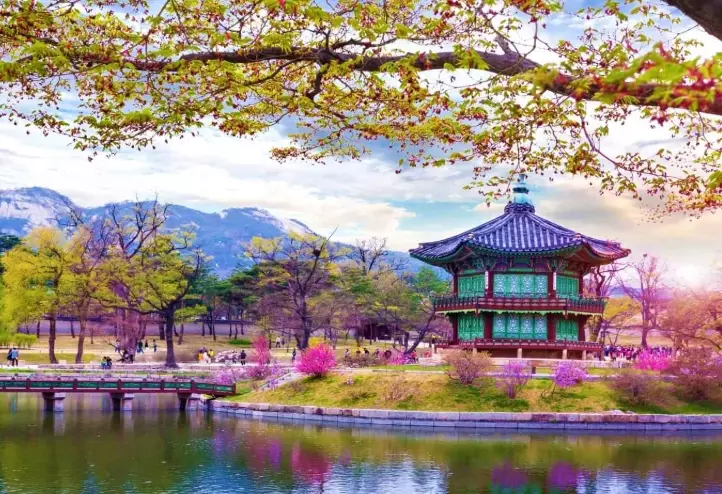
I remember my first visit, overwhelmed by the subway map and the sheer scale of it all. I made all the classic tourist mistakes. I went to Myeongdong at the worst possible time, got utterly lost in Namdaemun Market, and tried to see all five major palaces in one day (a terrible idea, by the way). Over time, and through many return trips, I've pieced together a more nuanced picture. This guide is my attempt to save you from those initial blunders and help you dive straight into the good stuff. We'll cover the iconic, can't-miss spots, for sure. But we'll also venture into the alleys and neighborhoods where the city's real heartbeat is strongest. Whether you're a history buff, a food fanatic, a shopaholic, or just someone who loves to soak up a city's vibe, there are endless things to do in Seoul Korea waiting for you.
The Classic Hits: Must-See Seoul Attractions
You can't talk about what to do in Seoul without mentioning these places. They're popular for a reason, and even if they're crowded, they offer a foundational understanding of the city's soul. My advice? Don't skip them, but be smart about when you visit.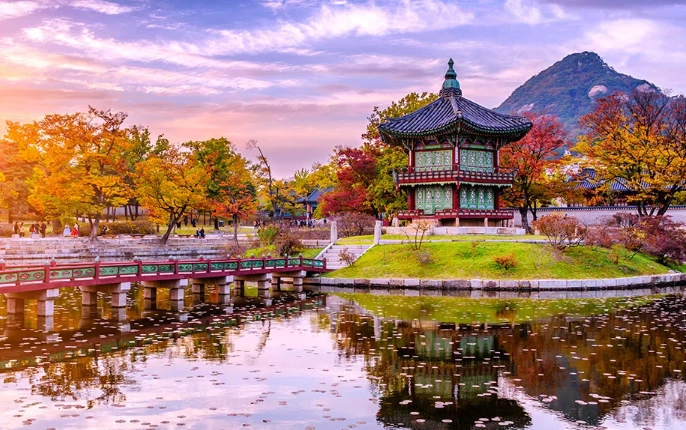
Palaces of the Joseon Dynasty
Seoul's palaces are the anchor to its history. The Joseon Dynasty ruled for over 500 years, and these sprawling complexes were their administrative and residential centers. Walking through the gates feels like stepping into a different, more serene Korea.
You might be wondering, with five major palaces, which ones are worth your time?
Here's my take:
- Gyeongbokgung (Gyeongbok Palace): The grandest of them all. This is the main palace, and its scale is breathtaking. The changing of the guard ceremony at Gwanghwamun Gate is a classic photo op. Pro tip: rent a hanbok (traditional Korean dress). Not only is it a fun experience, but it also gets you free admission to all the palaces! Seeing the palace grounds while wearing one adds a whole other layer to the visit.
- Changdeokgung (Changdeok Palace): A UNESCO World Heritage site and, in my opinion, the most beautiful. Its secret weapon is the Huwon (Rear Garden), a massive, meticulously designed garden that feels like a secret forest in the middle of the city. You need a separate guided tour ticket for the Huwon, and they sell out fast, so book online in advance through the official Korea Tourism Organization site. It's worth the extra planning.
- Changgyeonggung: Often overlooked, which is its charm. It connects to Changdeokgung and has a more relaxed, park-like feel. The greenhouse on the grounds is a beautiful, quiet spot.
Deoksugung is unique for its mix of Korean and Western-style buildings, and it's famous for its stone-wall road, a romantic walking path. Gyeonghuigung is smaller and quieter, often used as a peaceful escape by locals.
Insadong & Bukchon Hanok Village
These two areas, nestled between the major palaces, are where tradition feels alive, not just preserved.
Insadong is the main street for traditional Korean arts, crafts, and antiques. It can feel touristy, especially on weekends when the main street becomes pedestrian-only and packed. But venture down the tiny alleys (golmok) branching off it. That's where you'll find quieter teahouses, smaller galleries, and workshops. Ssamyzip is a famous spot for making your own traditional paper (hanji) crafts. And you must try the hot, flaky hotteok (sweet pancake) from a street vendor here—it's the best.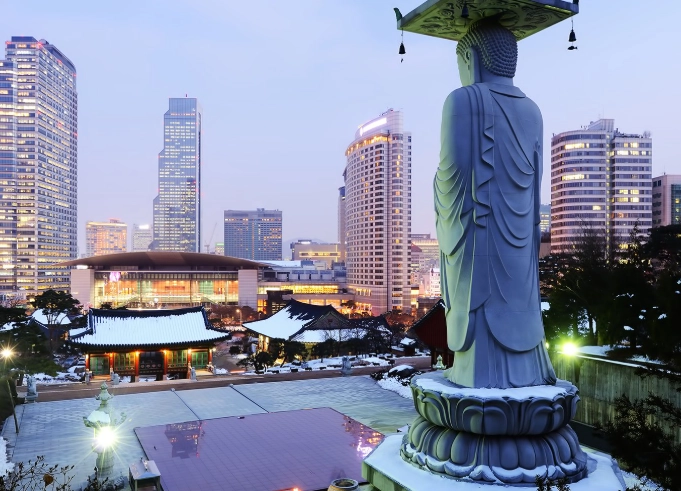
Just up the hill is Bukchon Hanok Village. This is a residential area filled with hundreds of traditional Korean houses called hanok. It's stunningly picturesque, with winding alleys and tile-roofed houses against a backdrop of modern Seoul skyscrapers. But here's my personal, slightly negative take: it has become a victim of its own beauty. The noise from tourists can be overwhelming for the actual residents who live there. Please be respectful. Keep your voice down, don't peer into windows, and stay on the main designated paths. It's a neighborhood, not a museum.
The magic of Bukchon isn't just in seeing the hanok; it's in experiencing one. Book a night's stay in a hanok guesthouse or sign up for a traditional craft workshop held inside one. That's how you connect with the space.
N Seoul Tower (Namsan Tower)
Yes, it's on every list of things to do in Seoul. And yes, the observation deck offers that iconic, panoramic postcard view. Taking the cable car up Namsan Mountain is part of the fun. But my favorite part is the walk up through Namsan Park itself. It's a lush, green lung in the city center, popular with locals for hiking and exercise. You'll see people of all ages power-walking up the paths. The tower base is also famous for the thousands of "love locks" attached to the fences. It's cheesy, but kind of sweet.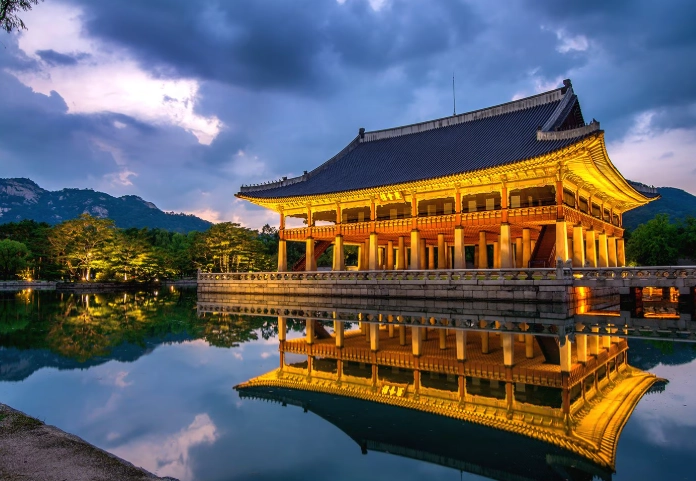
Is the paid observation deck necessary? If the weather is crystal clear, maybe. But you can get fantastic views for free from the public terraces around the base. Go just before sunset, watch the city lights begin to twinkle on, and then see the tower itself light up. That's the moment that sticks with me.
Beyond the Guidebook: Seoul's Neighborhoods & Hidden Gems
This is where your exploration of things to do in Seoul Korea gets really interesting. Once you've seen the classics, dive into the districts that define contemporary Seoul life. Each has its own distinct personality.
Hongdae: Youthful Energy & Street Culture
Centered around Hongik University (an art school), Hongdae is the epicenter of Seoul's youth culture. It's loud, vibrant, and endlessly creative. By day, explore the quirky indie designer shops, comic book cafes (manhwa bang), and themed cafes (there's one with meerkats, I'm not kidding). By night, the streets fill with buskers—some genuinely talented K-pop hopefuls, others just having fun. The club scene is huge here, but even if clubbing isn't your thing, the energy is infectious. Check out the Hongdae Free Market on Saturdays for handmade goods.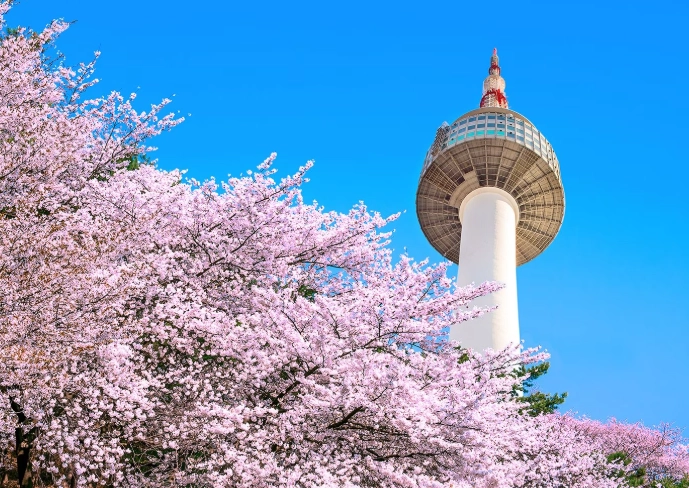
Itaewon: The International Melting Pot
Itaewon has transformed dramatically. Historically known as the foreigner district near the U.S. army base, it's now Seoul's most cosmopolitan and trendy neighborhood. The main strip is lined with international restaurants, pubs, and boutiques. But the real gems are in the alleys behind. Gyeongnidan-gil and HBC (Haebangchon) are hillside neighborhoods filled with fantastic, small, chef-owned restaurants, wine bars, and cafes with amazing rooftop views. It's less frantic than Hongdae and has a more sophisticated, global vibe. The National Museum of Korea in nearby Yongsan is also a world-class institution if you want a deep dive into Korean history and art.
Ikseon-dong & Seongsu-dong: The New Cool
These two areas represent the cutting edge of Seoul's cool.
Ikseon-dong is a maze of narrow, winding alleys filled with traditional hanok that have been converted into some of the city's most unique cafes, bars, and shops. It's like a more intimate, less crowded version of Bukchon, but with a hipster twist. You'll find a hanok serving artisan pizza next to one selling vintage clothing. It's perfect for an afternoon of aimless wandering and coffee-hopping.
Seongsu-dong, once a gritty industrial shoe manufacturing district, is now dubbed "Seoul's Brooklyn." Raw concrete spaces have been transformed into minimalist cafes, flagship stores for cool Korean brands, and art galleries. The Seoul Forest park nearby is a massive, wonderful place to relax. The vibe here is trendy but quieter, focused on design and aesthetics.
The Soul of Seoul: Food, Markets & Nightlife
Let's talk about the real reason many people come here. The food. Listing things to do in Seoul is pointless if it doesn't center around eating. Korean cuisine is an adventure in itself.
Must-Try Food Experiences
Forget fancy restaurants for a minute. The heart of Korean food is in shared meals, street stalls, and bustling markets.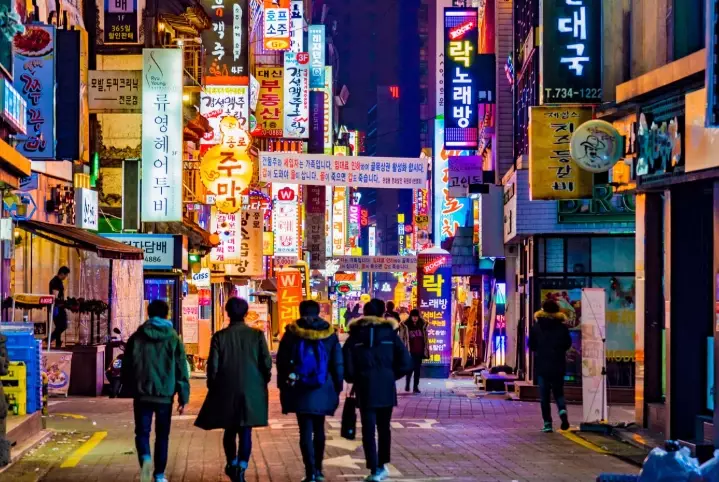
- Korean BBQ (Gogigui): More than a meal, it's an event. You grill marinated meats (like samgyeopsal - pork belly) right at your table. Wrap it in a lettuce leaf with garlic, kimchi, and ssamjang paste. Don't miss the Kimchi Jjigae (kimchi stew) that often comes with it.
- Street Food Tour in Myeongdong: Myeongdong can be a shopping zoo, but its street food alley is legendary. Tteokbokki (spicy rice cakes), twigim (fried everything), odeng (fish cake skewers in broth), and giant ice cream cones. Go hungry.
- A Traditional Market Meal: Head to Gwangjang Market, one of the oldest. Sit at a stall and order bindaetteok (mung bean pancake) and mayak gimbap ("drug" kimbap – it's addictive!). The atmosphere is pure, unfiltered Seoul. The Seoul Metropolitan Government's site has great info on all the major markets.
- Chimaek: Chicken and Beer. This is a national pastime. The combination of crispy, double-fried Korean fried chicken and a cold draft beer is perfection. Any neighborhood will have a great chimaek place.
- Live Octopus (San-nakji): For the brave. At Noryangjin Fish Market, you can pick a live octopus and have it served minutes later, still wriggling. It's a wild experience (chew carefully!).
The World of Markets
Markets are theatres of daily life. Namdaemun Market is open 24/7 and sells everything under the sun, from clothes to kitchenware to army surplus. It's overwhelming and fantastic. Dongdaemun Market is a fashion mecca, with wholesale buildings open late into the night. For food, aside from Gwangjang, Mangwon Market is a local favorite that's less touristy and has amazing, affordable eats.
Nightlife Beyond the Club
Seoul truly comes alive at night. Beyond the clubs of Hongdae and Itaewon, consider:
- Noraebang (Karaoke): A private room where you and your friends can belt out K-pop and Western hits. It's not optional; it's essential.
- Pojiangmacha (Tent Bars): These are the small, often red or blue, plastic tents you see on sidewalks. They serve simple food and soju. They're disappearing due to regulations, but finding an authentic one is a special, local experience.
- A Riverside Walk at Banpo Hangang Park: Locals picnic here day and night. You can rent a mat, order fried chicken delivered right to your spot, and watch the stunning Banpo Bridge Moonlight Rainbow Fountain show. It's a chill, beautiful way to spend an evening.
Practical Seoul: Making Your Trip Smooth
All these amazing things to do in Seoul Korea need a bit of logistical planning. Here's the real-world advice you need.
Getting Around: T-Money is Your Best Friend
Seoul's subway system is clean, efficient, and has English signs everywhere. Buy a T-Money card at any convenience store (CU, GS25, 7-Eleven), load it with cash, and tap for subways, buses, and even taxis. It saves you from buying single-journey tickets every time.
When to Visit & What to Pack
| Season | Weather | Pros | Cons & Tips |
|---|---|---|---|
| Spring (Apr-May) | Mild, flowers blooming | Cherry blossoms, perfect walking weather | Most crowded & expensive. Book everything far in advance. |
| Summer (Jun-Aug) | Hot, humid, rainy monsoon (July) | Festivals, vibrant greenery | Can be oppressively hot. Bring an umbrella and prepare for sudden downpours. |
| Fall (Sep-Nov) | Cool, crisp, clear skies | Stunning foliage, great hiking, comfortable | Also very popular. My personal favorite time to visit. |
| Winter (Dec-Feb) | Cold, dry, can be very cold | Cheaper, festive lights, skiing nearby | Bone-chilling wind. Pack serious thermal layers. But the city has a cozy charm. |
Money, Connectivity & Etiquette
Cash is still king in markets and small restaurants, but cards are widely accepted. Get a portable WiFi egg or a local SIM card for seamless navigation with Naver Maps or KakaoMap (Google Maps is unreliable here).
A few quick etiquette notes that will make your life easier: Accept things with two hands. Don't stick your chopsticks upright in your rice (it's a funeral rite). Pour drinks for others, not yourself. And while Seoul is modern, modest dress is appreciated when visiting temples and palaces.
Putting It All Together: Sample Itineraries
How do you actually structure your days with so many things to do in Seoul? Here are two sample ideas based on trip length.
The 3-Day Blitz (The Highlights):
Day 1: Gyeongbokgung Palace, Bukchon Hanok Village, lunch in Insadong, Changdeokgung & Huwon (booked in advance), dinner and night in Hongdae.
Day 2: Morning at Namsan/N Seoul Tower, lunch in Myeongdong (street food!), afternoon shopping or at the War Memorial, evening Korean BBQ and noraebang.
Day 3: Gwangjang Market for breakfast, explore Ikseon-dong, afternoon free (maybe Namdaemun Market), farewell dinner in Itaewon or by the Han River.
The 5-Day Deep Dive:
Do the 3-day plan, but slower. Add a day for a day trip (the DMZ is a profound, unique experience – book with a licensed tour). Add another day to explore a trendy district like Seongsu-dong or a relaxed day at Seoul Forest and a museum like the Leeum Samsung Museum of Art.
The key is balance.
Don't pack every hour. Leave room to sit in a cafe and people-watch, to get lost in an alley, to follow your nose to a food stall that isn't in any guide. That's often where you find the best things to do in Seoul Korea—the moments you didn't plan for.
Seoul is a city that demands engagement. It's not always easy or immediately understandable, but that's what makes discovering it so rewarding. It challenges you, feeds you incredibly well, and leaves you with memories that are a vibrant mix of ancient sounds and futuristic lights. Start with this guide, but let the city itself be your final map.