Trail Quick Guide
- Which Way In? Choosing Your Kaena Point Trail Adventure
- What You're Really Going to See (And Step On)
- Your Survival Kit: What to Pack for the Kaena Point Trail
- The Not-So-Pretty Stuff: Hazards & How to Handle Them
- Answering Your Burning Questions (The FAQ Section)
- Making it More Than Just a Hike: The Cultural Layer
- My Final, Unvarnished Take
Let's cut to the chase. You've probably seen pictures of Kaena Point—that dramatic, windswept corner of Oahu where the cliffs meet the wild Pacific, with albatrosses soaring overhead. It looks incredible. And it is. But between that dreamy Instagram shot and actually doing the hike, there's a whole lot of reality that most guides gloss over. I've hiked the Kaena Point Trail more times than I can count, in every kind of mood and weather. I've gone unprepared and paid for it, and I've had days so perfect they felt like a dream. This isn't just a list of facts. It's everything I wish someone had told me before my first time.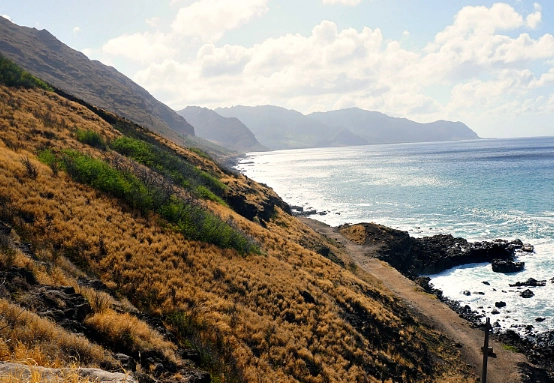
The biggest thing to get straight? This isn't a stroll in a manicured park. Kaena Point is a protected natural area reserve, a remote feeling spot that demands respect. You're hiking to the literal westernmost tip of Oahu. There's a raw power here that's humbling.
Which Way In? Choosing Your Kaena Point Trail Adventure
This is your first big decision. There are two main entrances to the Kaena Point Trail, from the North Shore (Mokuleia side) and from the leeward coast (Waianae side). They meet at the point itself. You cannot drive all the way through; the road ends and the footpath begins. Which one you choose changes the whole flavor of the day.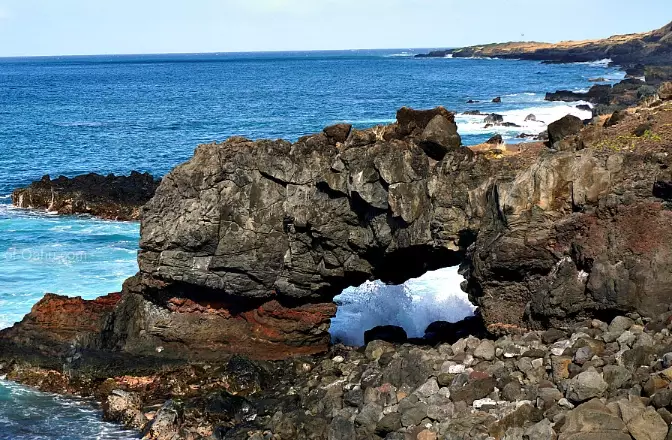
I have a strong personal preference, but let's break them down honestly.
The North Shore (Mokuleia) Approach
This is the more popular route, and for good reason. The trailhead is at the end of Farrington Highway, past Dillingham Airfield. You'll see cars parked along the road—that's your sign. The path here is mostly a wide, old dirt road that follows the coast. It's relatively flat, which makes it accessible.
But "flat" doesn't mean easy. It's exposed. Completely. There's zero shade for almost the entire 2.5 miles (one way) to the point. You're a walking solar panel. The views, though? Stunning. Turquoise water crashing against dark lava rock, little secluded coves, and the endless ocean. On a clear day, you might even spot Kauai in the distance.
I once made the mistake of starting this hike at 11 AM. Never again. The heat was brutal, and I went through my two liters of water before I even reached the gate to the sanctuary.
The Waianae (Yokohama Bay) Approach
This side feels wilder, less traveled. The trailhead is also at the end of Farrington Highway, but on the west side. The initial part of the trail is rougher—more rock scrambling over old lava flows. It's a bit more technical underfoot, but also more interesting in my opinion. You get these amazing, otherworldly landscapes of eroded rock.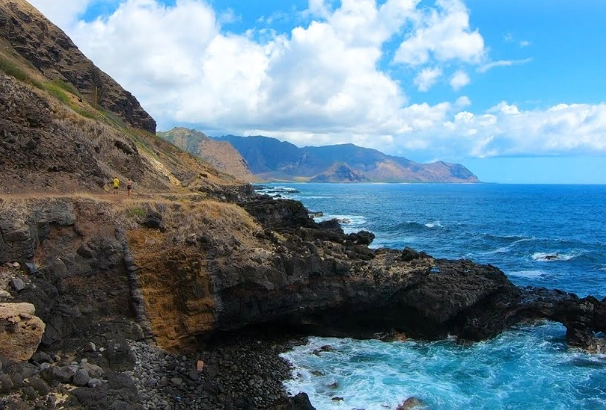
It's slightly shorter, about 2 miles one way, but don't let that fool you into thinking it's quicker. The uneven terrain can slow you down. The payoff is a sense of solitude you don't always get on the north side. Fewer people choose this route.
So, which is better? For first-timers, families, or anyone wanting a more straightforward walk, the North Shore side is the safe bet. For those wanting a more rugged, adventurous feel with potentially fewer people, try the Waianae side. You really can't go wrong with either end of the Kaena Point Trail; they both lead to the same incredible place.
What You're Really Going to See (And Step On)
Okay, so you're walking. What's the deal? The landscape changes. It starts off kind of scrubby and dry. You'll see naupaka shrubs and ilima flowers. Then you hit the gate.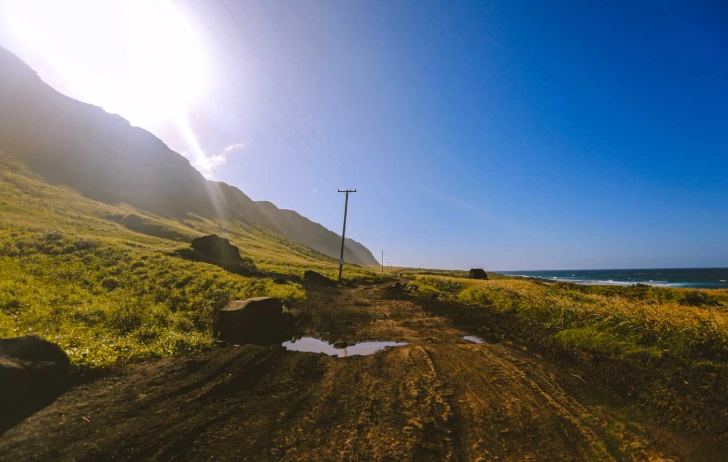
Passing through the predator-proof fence is like entering another world. This is the Kaena Point Natural Area Reserve, managed by the Hawaii Department of Land and Natural Resources (DLNR). The fence is there to keep out mongoose, cats, and dogs, creating a safe haven for ground-nesting seabirds. Please close every gate tightly behind you.
Suddenly, you're not alone on the trail.
The Stars of the Show: Wildlife on the Kaena Point Hike
This is why the hike is so special. From November through July, this place is a nursery.
- Laysan Albatross (Moli): These are the big ones. Huge wingspan, goofy on land. You'll see them sitting on nests, doing their clacky bill dances with their mates, or awkwardly taking off. They are incredible. Stay on the trail and give them a wide, respectful berth. Their nests are just shallow scrapes in the dirt, often right next to the path.
- Wedgetail Shearwaters (Ua'u kani): You'll hear these guys before you see them. They make these crazy, almost ghostly moans and cackles from their burrows in the ground. At dusk, they come in from the sea in huge numbers. If you see a burrow (a hole in the dirt), don't stick your hand in it!
- Hawaiian Monk Seals (Ilio-holo-i-ka-uaua): This is a big maybe, but a glorious one. These are critically endangered, and they sometimes haul out on the remote beaches near the point. If you're lucky enough to see one, count your blessings. Stay back at least 150 feet. Use your zoom lens. The NOAA Fisheries website has great guidelines on respectful viewing.
Beyond the big names, listen for the native birds in the shrubs, like the pueo (Hawaiian short-eared owl) that sometimes hunts in the afternoon, and watch for green sea turtles bobbing in the tidal pools.
Your Survival Kit: What to Pack for the Kaena Point Trail
Packing wrong can turn this amazing hike into a miserable slog. Here’s my tried-and-true list, born from experience (and past mistakes).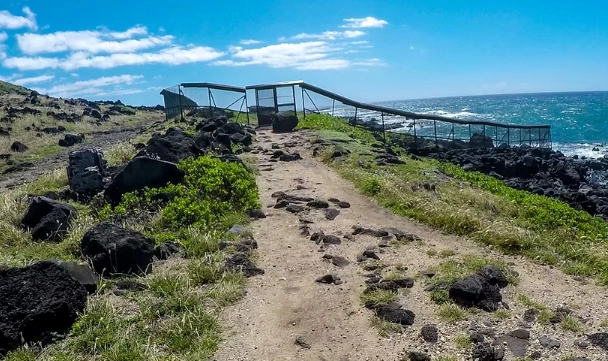
| Item | Why It's Non-Negotiable | My Personal Note |
|---|---|---|
| Water (2-3 Liters) | There is NO fresh water source on the trail. The sun and wind dehydrate you fast. | I carry a 3L hydration bladder. Drinking constantly is better than guzzling at the end. |
| Sturdy Shoes | Rocks, dirt, hot sand. Flip-flops are a one-way ticket to blisters or a twisted ankle. | Trail runners or hiking sandals with good tread are perfect. I've seen people in sneakers do okay. |
| Sun Protection | Hat, sunscreen (reef-safe!), sunglasses, long-sleeve sun shirt. | The sun reflects off the ocean and the pale dirt. You can get burned even on a cloudy day. |
| Food & Snacks | You'll burn energy. Bring lunch, trail mix, fruit. | Eating a snack while watching the albatross at the point is a core memory. Pack out all trash. |
| Windbreaker/Jacket | It's called "Kaena" ("the heat") for a reason, but the wind can be fierce and chilly. | A light, packable layer is perfect. When those trade winds pick up, you'll be glad you have it. |
| Fully Charged Phone | For photos, and for safety. Service is spotty but exists in higher spots. | Put it in airplane mode to save battery. Download an offline map of the area just in case. |
What not to bring? Drones. They are prohibited in the Natural Area Reserve as they disturb the wildlife. Also, please leave your dog at home. They are not allowed past the predator fence for the safety of the birds.
The Not-So-Pretty Stuff: Hazards & How to Handle Them
I love this hike, but I don't romanticize it. It has teeth. Being aware is what keeps you safe and lets you enjoy it.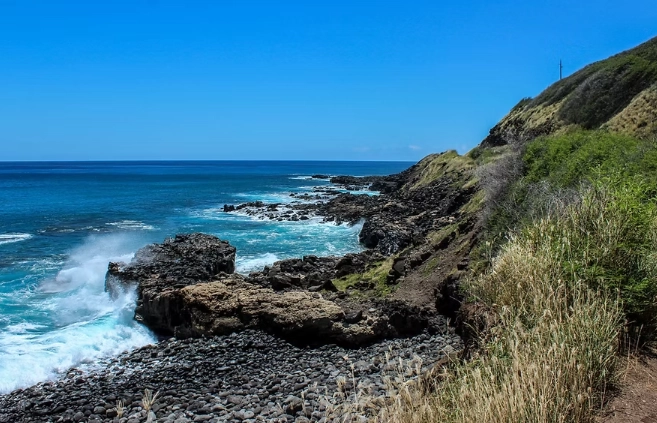
Biggest Dangers on the Kaena Point Trail:
- Heat & Sun Exposure: This is the number one danger. Heat exhaustion is real. Hike early, drink constantly, wear a hat, know the signs (dizziness, nausea, headache).
- High Surf & Slippery Rocks: Never turn your back on the ocean. "Sneaker waves" are a real thing on this coast. Don't climb on wet rocks near the water's edge.
- The Wind: It can be so strong it literally pushes you around. Hold onto your hat, secure loose items, and be careful near cliff edges.
- Unprepared Hikers: This sounds harsh, but it's true. The most common rescues are for people who ran out of water, wore improper footwear, or started too late in the day.
One more thing about the coast—the currents here are notoriously strong and unpredictable. Swimming at Kaena Point is not recommended. Those beautiful tidal pools might look inviting, but getting in and out can be treacherous. Admire the power of the ocean from a safe distance.
Answering Your Burning Questions (The FAQ Section)
I get asked these questions all the time. Here's the straight talk.
Making it More Than Just a Hike: The Cultural Layer
Walking the Kaena Point Trail, you're walking on history. In Hawaiian tradition, Kaena Point is considered a leina a ka uhane—a "leaping place of souls." It was believed to be one of the places where the spirits of the departed would jump off into the afterlife. That gives the raw, powerful energy of the place a deeper context.
You might see rock structures or alignments. These could be remnants of fishing shrines (ko'a) or other cultural sites. Look, but don't touch or move anything. This isn't just a park; it's a wahi pana (storied place). Treading lightly means respecting its physical and cultural landscape. The National Park Service's site on Hawaiian culture offers great insight into this deeper connection to the land.
My Final, Unvarnished Take
The Kaena Point Trail is one of my favorite hikes on Oahu. It's not because it's easy or comfortable. It's because it feels real. It's not sanitized or built for tourists. It's a place where nature is very much in charge—the wind, the sun, the ocean, the birds. You go there as a visitor on their terms.
If you go prepared—with water, sun protection, realistic expectations, and respect—you will have an unforgettable experience. You'll come back with stories about the goofy albatross dance you saw, the sheer force of the wind, the color of the water against the black rock.
If you go unprepared, you'll come back with a sunburn, a headache, and a story about a miserable walk.
The choice is pretty simple. Do your homework, pack that bag the night before, set that alarm for a painfully early hour, and go experience the wild edge of Oahu. The Kaena Point Trail is waiting, and it's absolutely worth the effort.
Just watch your step near those albatross nests.