Your Seoul Travel Highlights
- The Big Picture: Understanding Seoul's Layered Soul
- The Unmissable Icons: What Everyone Talks About
- Beyond the Postcards: The Vibrant Districts That Define Modern Seoul
- The Food: A Core Part of What is in Seoul
- The Hidden Gems & Local Favorites
- Practical Seoul: Navigating Like a Pro
- Answering Your Burning Questions (FAQ)
- Wrapping It Up: What is in Seoul, Really?
So you're planning a trip and asking yourself, "What is in Seoul?" Let's cut right to the chase. Seoul isn't just a city; it's a feeling. It's the hum of neon in Gangnam, the serene silence of a 600-year-old palace gate, the sizzle of pork belly on a grill in a tiny alleyway restaurant. It's ancient history slamming headfirst into hyper-modernity, and somehow, it works. Beautifully. If you're looking for a simple list of tourist spots, you can find those anywhere. But if you want to know what really makes Seoul tick, what's worth your time, and how to navigate it all without losing your mind, you're in the right place. I've spent a lot of time there, gotten lost more than once, and had some of the best (and a couple of underwhelming) meals of my life. This guide is my attempt to save you the confusion and point you straight to the good stuff.
Think of this as your friendly, no-BS handbook.
The Big Picture: Understanding Seoul's Layered Soul
First things first, forget the idea of a single "downtown." Seoul is a sprawling megacity of distinct districts, each with its own personality. To truly grasp what is in Seoul, you need to think in terms of these neighborhoods. The Han River cuts the city roughly in half, creating a natural divider between the historical north (Gangbuk) and the more modern, commercial south (Gangnam). Your experience will be completely different depending on which side of the river you're on, and honestly, you need to spend time on both.
One of the most common mistakes visitors make is sticking solely to the ultra-popular, Instagram-famous spots. Myeongdong is fun for its energy and street food, but it's also packed with tourists and chain stores. Itamaraty? Sometimes you just want a quiet moment, you know? The real magic often lies in the spaces between the major attractions. The secret to unlocking what is in Seoul is embracing both the iconic and the intimate.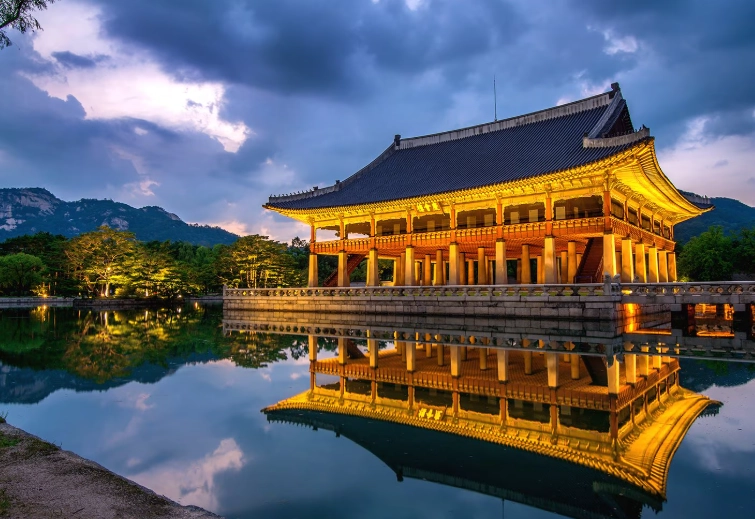
The Unmissable Icons: What Everyone Talks About
Let's get the classics out of the way. These are the places you've seen in pictures, and yes, you should probably see them in person. But I'll give you the real scoop on how to enjoy them, not just check them off a list.
Gyeongbokgung Palace & The Palace Circuit
This is the big one. Gyeongbokgung is the largest and most important of Seoul's Five Grand Palaces. The main gate, Gwanghwamun, is imposing, and the throne hall (Geunjeongjeon) is stunning. But here's my take: it can feel a bit like a beautiful, open-air museum—immaculate but sometimes lacking soul if you just walk the main axis.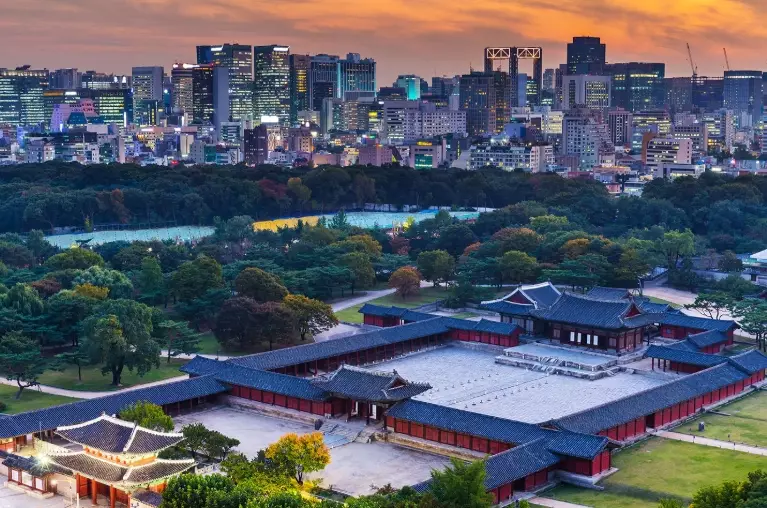
The trick? Time your visit for the changing of the guard ceremony (happens at the main gate at 10am and 2pm most days), which adds a layer of spectacle. Then, wander into the quieter corners like the Hyangwonjeong pavilion by the pond. Better yet, rent a hanbok (traditional Korean dress). Not only do you get free entry to the palaces, but it also transforms the experience. You feel less like a spectator and more like you're part of the scene. The other palaces—Changdeokgung (especially its secret garden, Huwon, which requires a separate guided tour), Changgyeonggung, and Deoksugung—each have a different vibe. Deoksugung, right in the city center, is particularly beautiful at dusk with city lights framing its traditional roofs.
Bukchon Hanok Village
This is the famous neighborhood of traditional Korean houses (hanok) nestled between Gyeongbokgung and Changdeokgung palaces. The postcard-perfect alleyways are stunning. But let's be real: it's a living residential area, not a theme park. The main uphill alleys are often choked with tourists trying to get the perfect shot, which can be frustrating for both visitors and residents.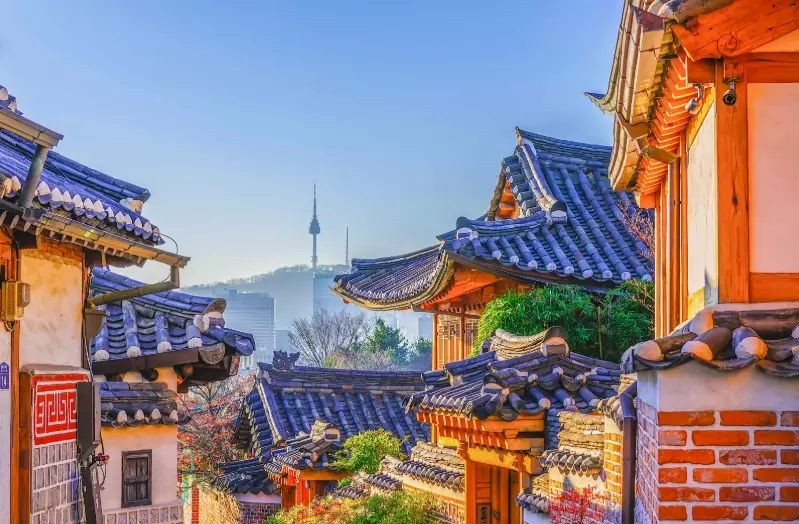
My advice? Go early in the morning, like 8 or 9 am, to have some peace. Respect the "Quiet Zone" signs. Instead of just walking the main routes, book a stay in a hanok guesthouse or sign up for a traditional craft workshop (like making hanji paper or learning to play the *janggu* drum) to experience the culture more deeply. That's how you move past the surface and understand what is in Seoul on a cultural level.
N Seoul Tower (Namsan Tower)
Perched on top of Namsan Mountain, the tower offers the definitive panoramic view of Seoul's insane urban sprawl. The observation deck is cool, but honestly, the cable car ride up and the walk around the base of the tower are just as enjoyable. The famous "Locks of Love" fences are everywhere—a bit kitschy but a fun testament to visitors' hopes.
Is it touristy? Absolutely. Is it still worth it? For the view at sunset, when the city starts to light up, I'd say yes. Consider taking the Namsan Oreumi (escalator) partway up or even hiking one of the many trails through Namsan Park if you're feeling active. It makes the arrival feel more earned.
Beyond the Postcards: The Vibrant Districts That Define Modern Seoul
This is where Seoul truly lives. The districts are the key to answering "what is in Seoul" for the modern traveler.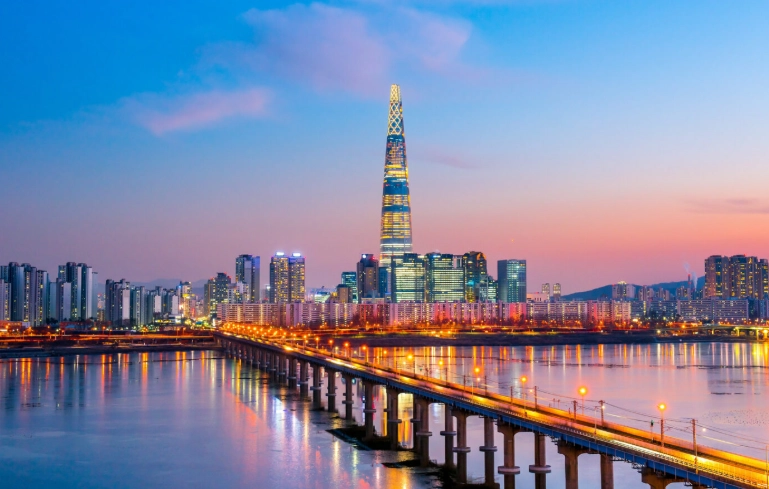
Hongdae: Youth, Art, and Nightlife
Centered around Hongik University (famous for fine arts), Hongdae is the epicenter of youth culture, indie music, street art, and nightlife. It's chaotic, creative, and endlessly energetic. By day, explore quirky cafes (some with raccoons or sheep!), vintage shops, and independent design stores. By night, the streets fill with buskers, club promoters, and students. The food here is fantastic and affordable—think trendy dessert cafes next to old-school *pojangmacha* (tent bars).
Personal favorite? Just wandering the back alleys off the main drag. You'll find tiny galleries and hole-in-the-wall bars you'd never see otherwise. It can get overwhelmingly crowded on weekend nights, though. That's the trade-off.
Insadong: Tradition Meets Commerce
This is the go-to district for traditional Korean crafts, antiques, and tea. The main street, Insadong-gil, is lined with shops selling hanji, ceramics, folk art, and more. Ssamziegil is a quirky multi-story marketplace with small indie shops arranged in a gentle spiral ramp—a great place to find unique souvenirs.
Stop at a traditional teahouse. I'm partial to ones tucked away on the second floor, with floor seating and a view of the bustling street below. Order a bowl of *sujeonggwa* (cinnamon-persimmon tea) or *omija* (five-flavor berry tea). It's a moment of calm. While it's commercial, the quality of goods here is generally high compared to more tourist-trap areas.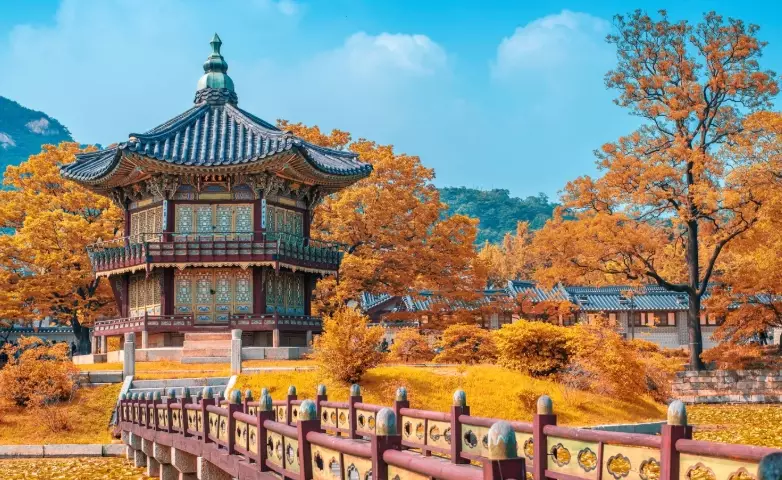
Gangnam: The Glamorous Side
Made famous by Psy's song, Gangnam is the symbol of South Korea's economic miracle: sleek, wealthy, and fast-paced. This is where you find luxury brand flagship stores, towering office buildings, high-end plastic surgery clinics, and some of the city's most expensive real estate. COEX Mall is a massive underground complex with an aquarium, library (the famous Starfield Library), and cinema.
Is it essential? To understand modern Korea's aspirations, yes. To find the "soul" of Seoul? Maybe not as much. It feels more generic-global than uniquely Korean at times. But a walk through the trendy, tree-lined streets of Apgujeong or a coffee in one of its designer cafes is an experience in itself.
Itaewon: The International Melting Pot
Itaewon has historically been the foreigner district, near the U.S. army base. It's transformed dramatically and is now the epicenter of Seoul's most diverse dining, nightlife, and LGBTQ+ friendly scene. You can find authentic food from virtually any country here. The main street is a party on weekends.
After a tragic incident in 2022, the area has been through a lot, and the vibe has shifted somewhat, with more focus on community and safety. The backstreets, like the famous "Hooker Hill" and "Homo Hill," are where you'll find a huge concentration of niche bars and restaurants. It's lively, open-minded, and completely different from any other district.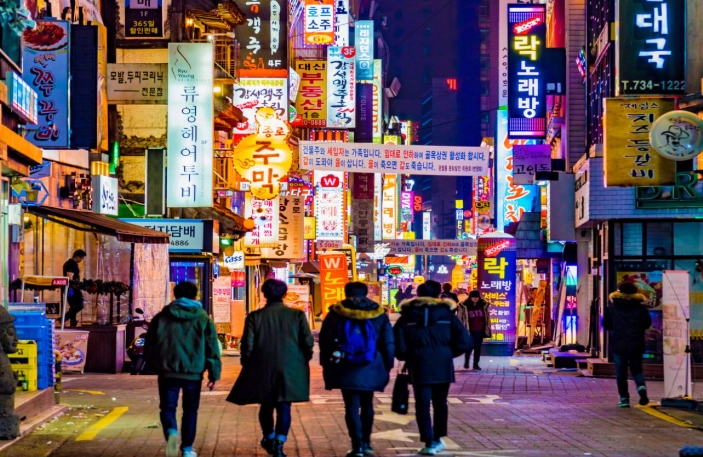
The Food: A Core Part of What is in Seoul
You cannot talk about Seoul without talking about food. It's a central pillar of life here. This isn't just about eating; it's a social activity, a comfort, an adventure.
Street food is a universe of its own. Myeongdong is the most famous spot, with stalls selling *tteokbokki* (spicy rice cakes), *odeng* (fish cakes on a stick), *hotteok* (sweet filled pancakes), and more. It's a spectacle. But for a more local vibe, try the markets like Gwangjang Market (featured on Netflix's "Street Food") or Mangwon Market. At Gwangjang, sit down at a stall for *bindaetteok* (mung bean pancakes) and *mayak gimbap* ("drug" kimbap—they're addictively good).
For a sit-down meal, you have to try Korean BBQ. It's not just a meal; it's an event. Places in Mapo-gu are famous for quality. Samgyeopsal (pork belly) is the classic. Don't forget the *soju*! A more unique experience is *hanwoo* (Korean premium beef) BBQ, which is pricier but melt-in-your-mouth incredible.
Then there are the stews (*jjigae*), like *kimchi jjigae* or *budae jjigae* (army stew), noodles like *naengmyeon* (cold buckwheat noodles) or *jajangmyeon* (black bean sauce noodles), and the endless world of *banchan* (side dishes). My personal can't-miss? A proper bowl of *seolleongtang* (ox bone soup) for breakfast. It's milky, rich, and restorative.
Let's break down some must-try dishes in a more digestible way.
| Dish | What It Is | Best Place to Try | Personal Rating |
|---|---|---|---|
| Samgyeopsal (삼겹살) | Grilled pork belly, DIY style with lettuce wraps. | Any bustling local BBQ joint in Mapo or Hongdae. | 10/10. The quintessential group meal. |
| Tteokbokki (떡볶이) | Chewy rice cakes in sweet & spicy gochujang sauce. | Street food stalls, especially in Sindang-dong Tteokbokki Town. | 8/10. Comfort food, but can be very spicy! |
| Bibimbap (비빔밥) | Mixed rice with vegetables, meat, egg, and gochujang. | Jeonju-style for the classic, or at a temple for a vegan version. | 9/10. Healthy, balanced, and customizable. |
| Jjajangmyeon (짜장면) | Wheat noodles with a thick black bean sauce. | Chinese-Korean restaurants. Often ordered for delivery. | 7/10. Heavier, but a cultural staple. |
| Patbingsu (팥빙수) | Shaved milk ice dessert with sweet red beans and toppings. | Dessert cafes in summer. Modern versions have mango, cheesecake, etc. | 9/10. Essential for surviving the humid summer. |
The Hidden Gems & Local Favorites
Okay, you've seen the palaces and hit the big districts. Now, what is in Seoul that most tourists miss? These are the places that gave me my favorite memories.
Seoul Forest (서울숲)
Think of it as Seoul's answer to Central Park, but perhaps even more diverse. It's massive, with areas dedicated to a deer enclosure, insect garden, wetlands, and art parks. It's where families picnic, couples bike, and friends lounge on the grass. Rent a bicycle and cruise the paths. It offers a completely different, relaxed pace and shows you how Seoulites enjoy their green spaces.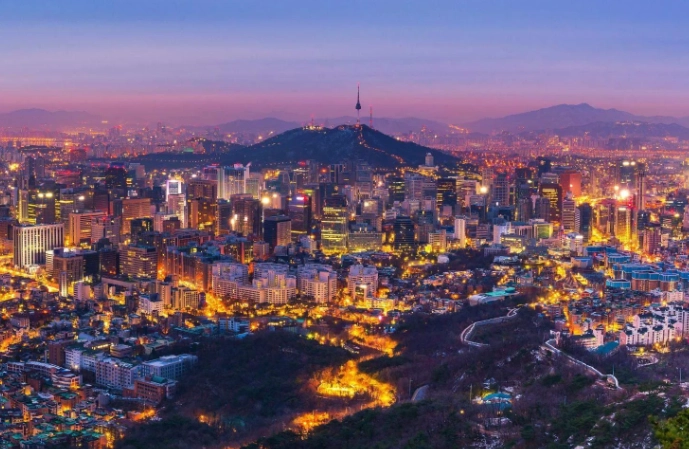
Ikseon-dong Hanok Village (익선동)
If Bukchon feels too museum-like, head to Ikseon-dong. This is a hanok village that has been transformed by young entrepreneurs into a maze of ultra-hip cafes, cocktail bars, sushi spots, and craft shops—all housed in traditional buildings. The alleyways are narrow and winding, and every door opens to a surprise. It's a perfect fusion of old and new and feels much more organic and lively than Bukchon. Finding a tiny bar here for a craft *makgeolli* (rice wine) is a top-tier Seoul evening.
Haneul Park (하늘공원) on World Cup Park
Built on a former landfill, this is an environmental success story. The highlight is Haneul Park (Sky Park) at the top, famous for its vast fields of tall silver grass (*pampas grass*). You can either walk up the 291 steps or take a shuttle. The view over the Han River and the city skyline, especially during the autumn grass festival or at sunset, is breathtaking and far less crowded than Namsan. It's a powerful reminder of Seoul's ability to reinvent itself.
Mullae-dong (문래동)
Once an industrial steelworks area, Mullae-dong is now Seoul's emerging artist district. Small metal workshops exist side-by-side with indie art studios, gritty live music venues, and no-frills bars favored by the artists themselves. It has none of the polished sheen of Hongdae—it's raw, authentic, and incredibly cool. Walk around and you'll see sculptures made from scrap metal and galleries in old garages. This is the cutting edge of Seoul's urban culture.
Practical Seoul: Navigating Like a Pro
Knowing what is in Seoul is one thing. Getting to it smoothly is another. Seoul has one of the world's best public transportation systems. It's clean, safe, efficient, and signs are in English.
Subway & Buses: Get a T-money card (available at convenience stores in the airport or any subway station). Tap in and tap out. Google Maps works decently, but for real-time navigation and best routes, use Naver Map or KakaoMap. They are far more accurate for Korea.
Taxis: They are affordable compared to many Western cities. Regular (silver/orange) taxis are fine. For a more comfortable experience with likely English-speaking drivers, look for the "International Taxi" service or use the Kakao T app (you'll need a Korean number to register, which is a hurdle).
Language: Basic English is understood in tourist areas, hotels, and younger crowds. Learning a few Korean phrases goes a VERY long way. "Annyeonghaseyo" (Hello), "Kamsahamnida" (Thank you), and "Juseyo" (Please/give me) will earn you smiles. Download Papago for translation; it's better than Google Translate for Korean.
Connectivity: Rent a portable Wi-Fi egg (pocket router) or buy a local SIM card at the airport. Having constant internet for maps and translation is non-negotiable for a stress-free trip.
Answering Your Burning Questions (FAQ)
Wrapping It Up: What is in Seoul, Really?
So, what is in Seoul? It's not a simple list of places. It's a dynamic, layered experience. It's the awe of standing before a ancient palace gate. It's the thrill of discovering a hidden cocktail bar in a 100-year-old hanok. It's the simple joy of sharing a sizzling plate of BBQ with new friends. It's the quiet contemplation in a forest park built on a landfill.
It's a city that respects its past while sprinting fearlessly into the future. It can be overwhelming, sure. The pace is fast, the crowds can be dense, and not every experience will be perfect (I'm looking at you, over-hyped restaurant with the two-hour line). But that's part of its charm. It's real, it's alive, and it's endlessly fascinating.
Your trip will be what you make it.
Don't just chase photos. Linger in a cafe. Get lost in a market. Strike up a conversation. Try the food that looks weird. Let the city's rhythm—its *heung* (a Korean word for joyous energy)—pull you along. That's when you'll stop asking "what is in Seoul" and start feeling what Seoul is. And trust me, that feeling stays with you long after you've left.