Let's be honest. When you think of Italy tourist spots, your mind floods with images: the Colosseum, the Leaning Tower, gondolas in Venice. They're iconic for a reason. But planning a trip around them can feel overwhelming. Which ones are truly worth the hype? How do you actually visit them without spending half your vacation in a queue? I've been traveling to Italy for over a decade, and I've made every mistake so you don't have to. This guide isn't just a list of places. It's your playbook for experiencing the best of Italy, from navigating the ancient streets of Rome to finding quiet corners in the Cinque Terre.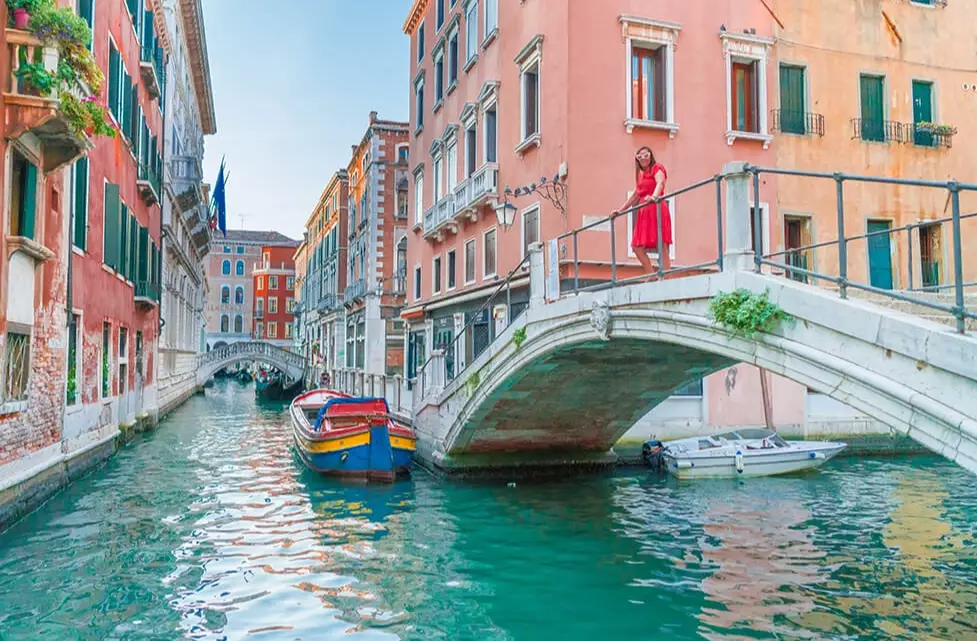
Your Quick Guide to Italian Adventures
Rome: The Eternal City's Core Attractions
Rome is chaos and beauty in equal measure. It's loud, it's hectic, and it's utterly magnificent. Trying to see everything in two days is the fastest route to burnout. Focus on the ancient core and the Vatican, and let the city's vibe wash over you.
The Colosseum, Roman Forum & Palatine Hill: One Ticket, Three Sites
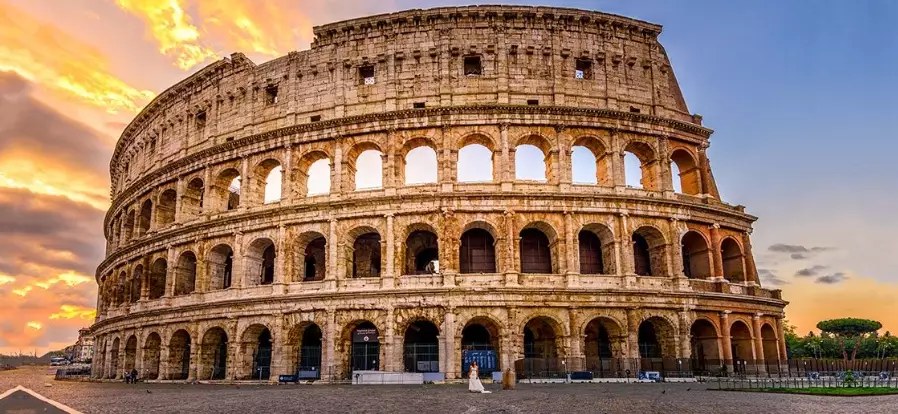
This is the big one. The Colosseum is more impressive in person than any photo suggests. But here's the non-negotiable tip: you MUST book your ticket online in advance. The on-site line is a soul-crushing waste of a Roman morning. A standard ticket (€18 full price, €4 for EU citizens 18-25) gives you access to all three sites. They're interconnected, so plan at least 4-5 hours.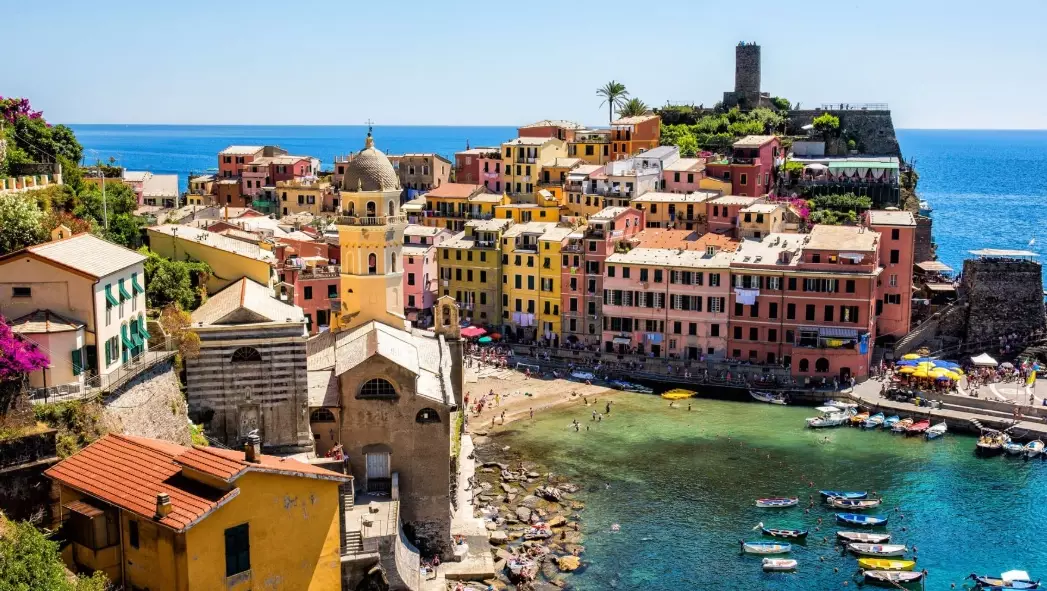
How to Visit the Colosseum Without the Crowds
Address: Piazza del Colosseo, 1, 00184 Roma RM.
Best Time: First entry slot (8:30 AM) or the last two hours before closing. The light is gorgeous then, too.
Getting There: Metro line B, 'Colosseo' station. You'll walk out of the station and it's right there.
Skip-the-Line Reality Check: "Skip-the-line" tickets are just pre-booked tickets. Everyone still goes through security. The difference is you bypass the ticket-buying queue, which can save 1-3 hours.
Most people rush through the Roman Forum. Don't. This was the center of public life. Walk up to the Palatine Hill for the best panoramic view over the Forum. It's quieter up there, a nice break.
The Vatican Museums & St. Peter's Basilica
Another place requiring military-grade planning. The Vatican Museums house the Sistine Chapel. You book online through the official Vatican website. A Friday evening ticket (usually available April-Oct) is a fantastic, less crowded option.
St. Peter's Basilica is free to enter, but the line is often enormous. Going early (before 8:30 AM) or late (after 4 PM) is key. If you're fit, climb the dome (€8 for stairs, €10 for elevator+stairs) for that iconic view over St. Peter's Square.
Florence: The Beating Heart of the Renaissance
Florence is denser, more walkable than Rome. The entire historic center is a UNESCO site. You can stumble upon masterpieces by just turning a corner.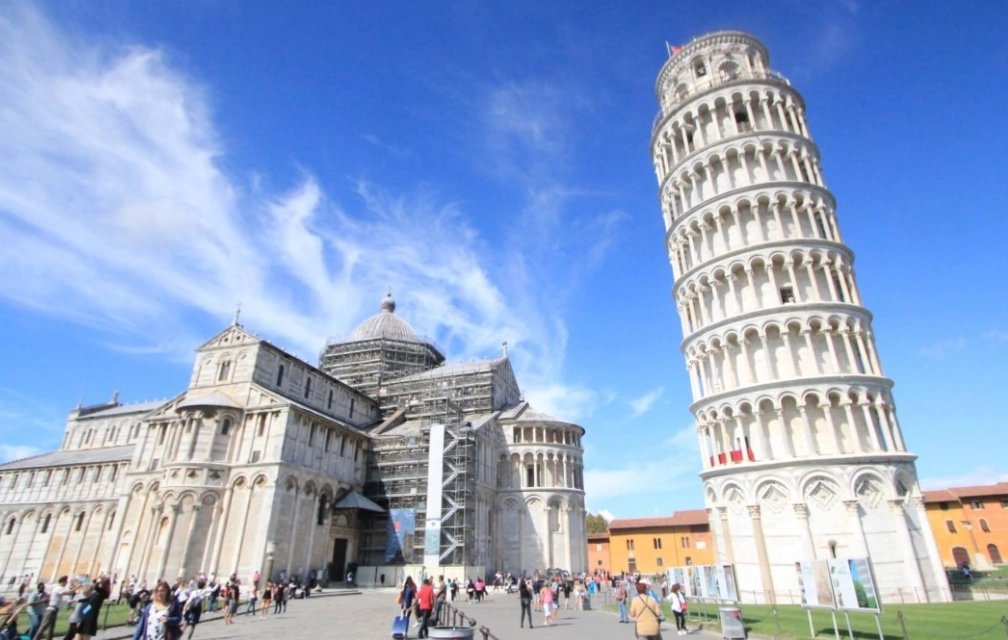
Uffizi Gallery & Accademia Gallery (David)
You need reservations for both. The Uffizi is vast. Don't try to see every room. Head for Botticelli's "Birth of Venus" and "Primavera," then Leonardo da Vinci's "Annunciation." The Accademia is smaller, almost entirely about Michelangelo's David. It's breathtaking. Book a timed entry slot to walk right in.
| Attraction | Key Info | Pro Tip |
|---|---|---|
| Uffizi Gallery | Address: Piazzale degli Uffizi, 6. Ticket: ~€25-€30 (varies by season). Open Tue-Sun, 8:15 AM-6:30 PM. | Use the second-floor cafe terrace for a stunning, crowd-free view of the Palazzo Vecchio. |
| Accademia (David) | Address: Via Ricasoli, 58/60. Ticket: ~€16-€20. Open Tue-Sun, 8:15 AM-6:50 PM. | Look at David from all angles. The detail in the hands and veins is astonishing from the side. |
| Florence Cathedral (Duomo) | Address: Piazza del Duomo. Cathedral free, complex pass €30. | Climbing Brunelleschi's Dome requires a separate, timed reservation. Book weeks ahead. |
The Duomo complex includes the Cathedral, the Dome climb, the Baptistery, and the Museum. The Brunelleschi Pass covers it all. The Dome climb is 463 steps, narrow, and not for the claustrophobic, but the view is unmatched.
Venice: Navigating the Canal Maze
Venice is a living museum. The main mistake? Never leaving the stretch between St. Mark's Square and the Rialto Bridge. It's a beautiful, expensive, crowded corridor.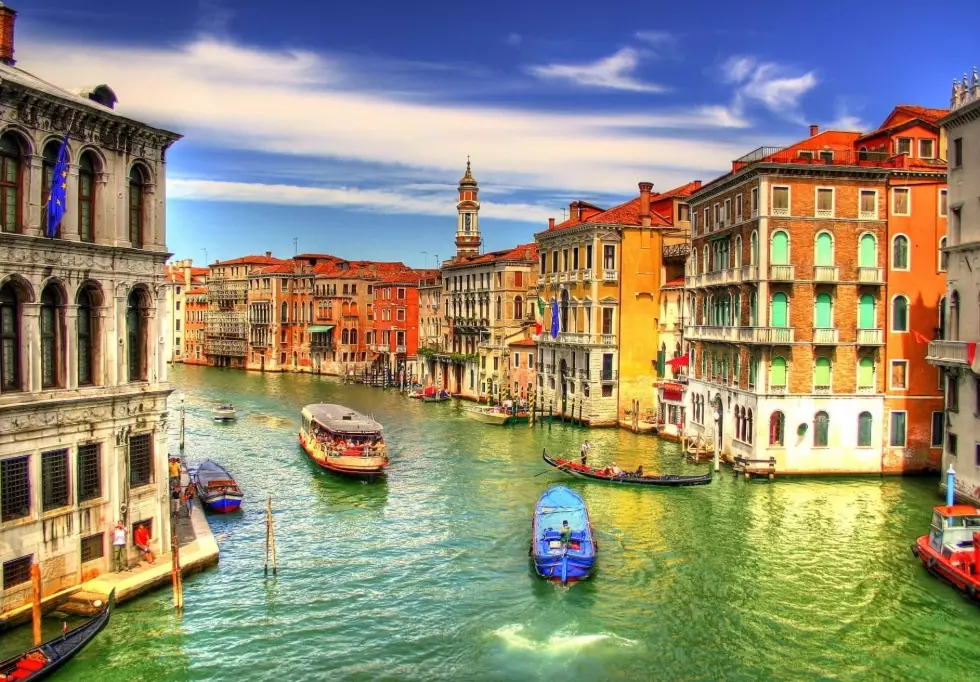
St. Mark's Square & Basilica
The Basilica is free, but the line snakes across the square. Book a timed entry online (a small fee of around €3-€5) to skip the main queue. The interior is a shimmering cave of gold mosaics. The Doge's Palace next door is worth it if you're interested in Venetian history and want to walk over the Bridge of Sighs from the inside.
For a better view than the crowded Campanile, take the elevator up the Torre dell'Orologio (Clock Tower). The tours are limited and need booking, but you get a unique perspective right over the square.
Getting Lost in the *Sestieri*
This is the real Venice. Put away Google Maps for an afternoon. Wander into the districts (*sestieri*) of Dorsoduro or Cannaregio. You'll find quiet canals, local *bacari* (wine bars) serving cicchetti (small snacks), and a sense of daily life. The Jewish Ghetto in Cannaregio is historically profound and feels miles away from the tourist core.
Venice transport is by vaporetto (water bus). A single ticket is pricey (€9.50). If you'll take more than two trips in a day, a 24/48/72-hour travel pass pays for itself. Remember to validate it before your first ride.
Beyond the Classics: Italy's Hidden Treasures
If you have more time, or are on a second trip, these spots offer incredible experiences with fewer crowds.
The Amalfi Coast's Less-Trodden Path: Instead of staying in Positano (beautiful but packed and pricey), base yourself in Atrani. It's a 5-minute walk from Amalfi town but feels like a secret, with a tiny square and beach. Or stay up in Ravello for stunning gardens and views.
Puglia's Trulli and White Cities: In the south, Alberobello is famous for its cone-shaped trulli houses. It's unique, but can be touristy. Pair it with the stunning white city of Ostuni and the coastal beauty of Polignano a Mare for a more rounded Puglian experience.
Sicily's Ancient Power: The Valley of the Temples near Agrigento is arguably a more powerful Greek site than many in Greece itself. Go at opening or near sunset. In Syracuse, the Neapolis Archaeological Park and the Ortigia island district blend Greek, Roman, and Baroque history effortlessly.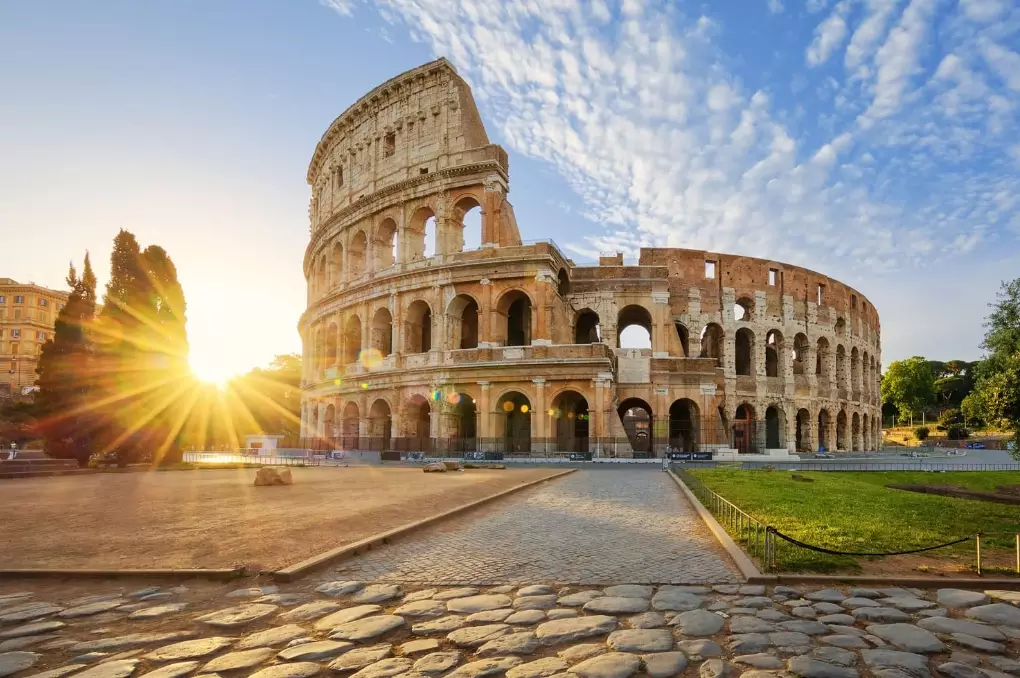
Your Italy Travel Questions, Answered
Is it worth buying skip-the-line tickets for every major Italy tourist spot?
For the big three—Colosseum, Vatican Museums, Uffizi/Accademia in Florence—100% yes. The time and stress saved are worth the extra few euros. For places like the Pantheon (free) or St. Peter's Basilica (free entry), your strategy should be about timing, not tickets. Go at opening or late afternoon.
What's the biggest mistake first-time visitors make in Venice?
Only experiencing Venice during the day. The magic happens after the day-tripper crowds leave on the last train. St. Mark's Square at night, with cafe orchestras playing and the crowds gone, is a completely different, serene experience. Spend at least one night there.
 I have 10 days in Italy. Is Rome, Florence, Venice, and the Amalfi Coast too much?
It's the classic itinerary, but it's a sprint. You'll spend a significant chunk of time on trains and checking in/out of hotels. For a more relaxed trip with deeper immersion, cut one. Do Rome (4 nights), Florence (3 nights with a day trip to Siena or Chianti), and the Amalfi Coast (3 nights). Save Venice for a dedicated trip with maybe the Dolomites or Milan.
How do I avoid tourist trap restaurants near major Italy tourist spots?
The golden rule: walk at least 3-4 blocks away from the main entrance of any major attraction. Look for menus in Italian (not with pictures), a clientele that sounds Italian, and no one outside trying to hustle you in. In Rome, head to Trastevere. In Florence, go across the Arno to the Oltrarno district.
Is driving in Italy a good idea for seeing tourist spots?
Between major cities, trains are faster, easier, and often cheaper when you factor in fuel, tolls, and parking. Rent a car only for specific regions: the rolling hills of Tuscany, the Amalfi Coast (if you're brave), Puglia, or Sicily. In cities like Rome or Florence, a car is a massive liability.
Reader Comments