Italy isn't just a country; it's a living museum, a culinary masterpiece, and a landscape painting all rolled into one. Every corner holds a place of interest, from world-famous icons to hidden village squares. But let's be honest, staring at a map of Italy can be overwhelming. Do you follow the crowds to the Colosseum, or chase the sunset on the Amalfi Coast? Having spent years exploring (and occasionally getting lost in) this beautiful country, I've learned that the magic lies in balancing the must-sees with smart, crowd-beating strategies. This guide cuts through the noise, giving you the essential information to plan a trip that's both deeply rewarding and surprisingly manageable.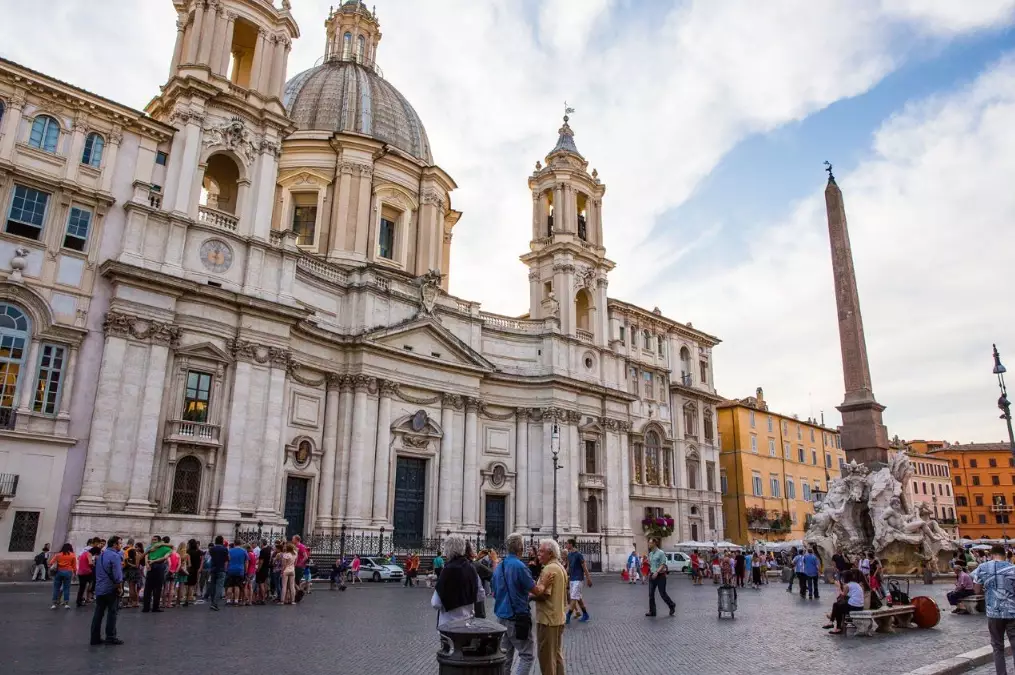
Your Quick Guide to Italy's Treasures
The Non-Negotiable Core Attractions
Some places of interest in Italy are famous for a reason. You can't skip them, but you can visit them smarter.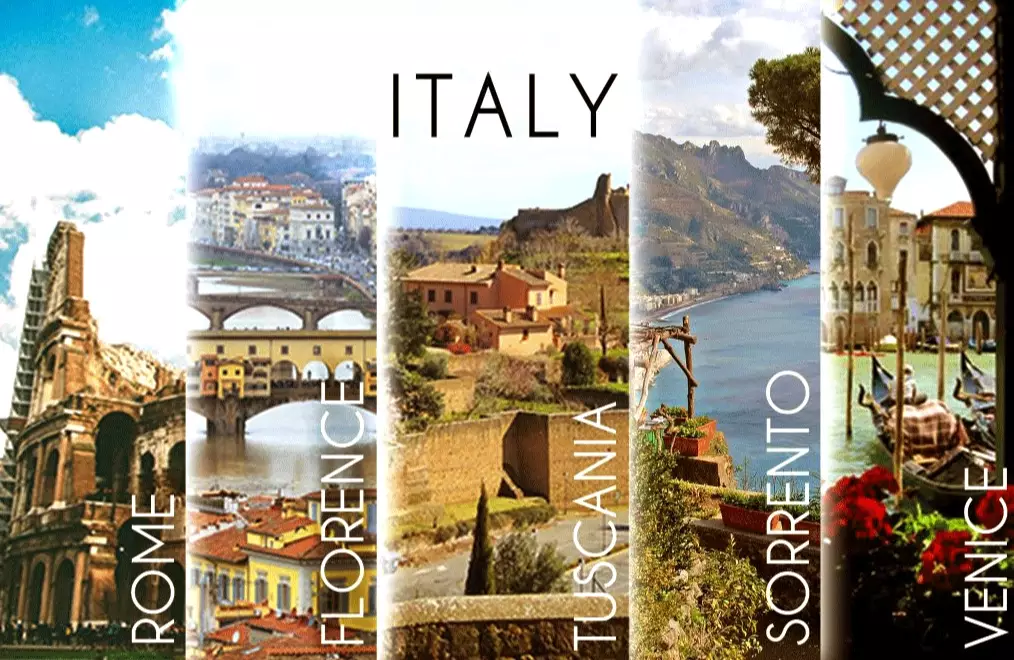
Rome: The Eternal City's Heart
The Colosseum, Roman Forum & Palatine Hill
Address: Piazza del Colosseo, 1, 00184 Roma RM, Italy.
The Deal: This combined ticket is your golden key to ancient Rome. The Colosseum is the star, but the Forum and Palatine Hill offer a more sprawling, atmospheric experience. A common mistake? Rushing the Colosseum and skipping the Forum. The Forum was the center of Roman public life – it's where history feels tangible.
Ticket Tip: Book the "Full Experience" ticket online well in advance on the official CoopCulture site. It includes the arena floor and underground, which standard tickets don't. Price is around €24. The first Sunday of the month is free but insanely crowded – I'd avoid it.
Getting There: Metro B line, Colosseo station. Exit and it's right there.
The Vatican Museums and St. Peter's Basilica are a separate kingdom. Book a skip-the-line tour that includes early morning access. Trust me, being in the Sistine Chapel with only a handful of people is worth the extra cost. The view from St. Peter's Dome is a climb, but it frames Rome perfectly.
Florence: Cradle of the Renaissance
The Uffizi Gallery and the Accademia (home to Michelangelo's David) require advance bookings. The official website is your friend. Personally, I find the Pitti Palace and Boboli Gardens across the Ponte Vecchio offer a more relaxed, regal Florentine experience.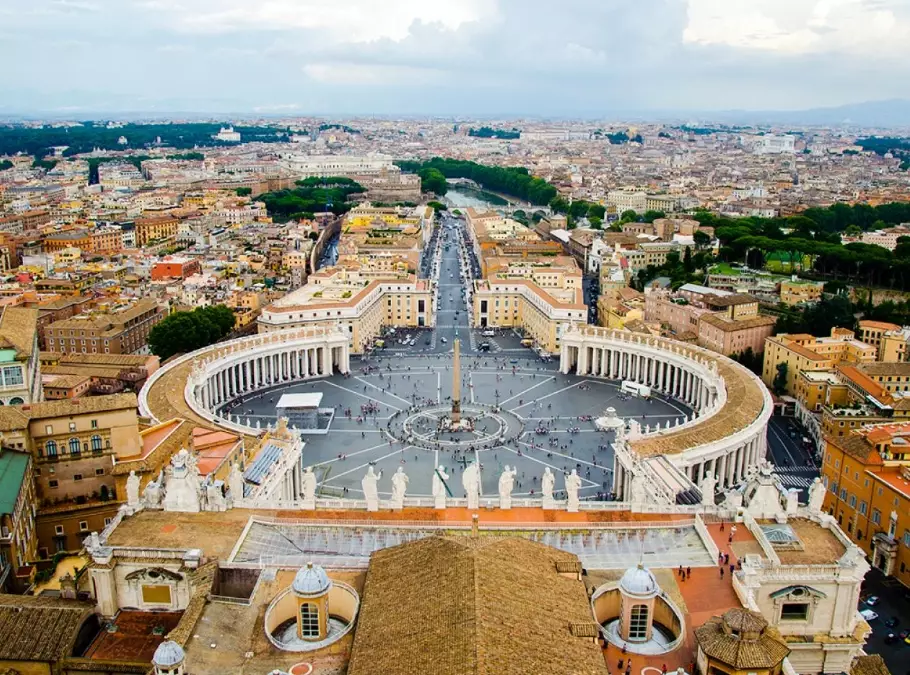
Venice: The Floating Marvel
St. Mark's Square & Basilica, Doge's Palace
Address: Piazza San Marco, 30124 Venezia VE, Italy.
The Deal: The square is free, but the Basilica and Palace are not. The connected museums are often overlooked. The real Venice, though, isn't here. It's in getting lost in the alleyways between Cannaregio and Dorsoduro.
Ticket Tip: Consider the "San Marco Plus" pass for combined entry. Book a timed slot for the Basilica online to bypass the monstrous queue.
Getting There: Vaporetto (water bus) lines 1 or 2 to "S. Marco - Vallaresso" stop.
How to Plan Your Visit: Tickets, Timing & Transport
Italy's top places of interest are victims of their own success. Planning isn't a suggestion; it's a requirement.
The Golden Rule: For any major museum, archaeological site, or church with a famous artwork (like Milan's "The Last Supper"), assume you need to book online at least 2-4 weeks in advance, especially from April to October. Official sites often release tickets 30-60 days ahead. Set a calendar reminder.
Timing is everything. Sites are quietest first thing in the morning (be there before opening) or in the last 2 hours before closing. Midday, especially in summer, is a furnace of bodies. For cities, late afternoon light is magical for photography.
Transport between cities is excellent. High-speed trains (Frecciarossa, Italo) connect Rome, Florence, Venice, and Milan efficiently. Book train tickets early on Trenitalia or Italo for the best prices. For regional gems, renting a car becomes essential, but never drive into historic city centers (ZTL zones) unless you want a hefty fine.
Going Beyond the Checklist: Regional Gems
If you only see Rome, Florence, and Venice, you're missing at least half of Italy's soul. Here are places where the crowds thin and the authenticity thickens.
The Amalfi Coast is stunning, but Positano is packed. Consider staying in quieter Praiano or Atrani. The Path of the Gods hike delivers the views without the price tag.
Tuscany isn't just Chianti. The hill towns of San Gimignano (medieval skyscrapers) and Montepulciano (noble wine) are spectacular. Siena's Piazza del Campo feels more genuinely medieval than any Florentine square.
In the north, Lake Como is glamorous, but Lake Garda offers more variety for active travelers – windsurfing in Riva del Garda, Roman ruins in Sirmione. Down south, the ancient Greek temples of Valley of the Temples, Agrigento (Sicily) are as impressive as anything in Greece, often with far fewer visitors.
And then there's Pompeii and Herculaneum. Pompeii is vast; Herculaneum is smaller, better preserved, and usually less crowded. Both are easy day trips from Naples. Go with a guidebook or audio guide – the context is crucial.
Practical Italy Itinerary Ideas
Tailor your trip to your pace. Rushing is the enemy of enjoyment in Italy.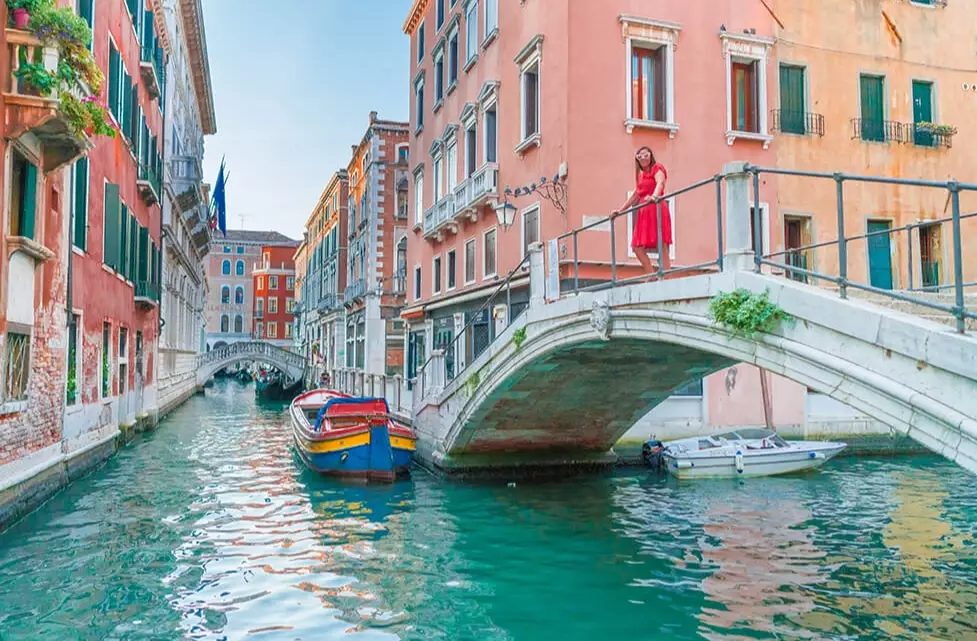
The Classic 10-Day Introduction: Rome (4 days) → Florence (3 days, with a day trip to Siena) → Venice (3 days). This covers the big three efficiently using high-speed trains.
The 14-Day Deep Dive: Rome (4 days) → Naples/Pompeii (2 days) → Travel to Sorrento, explore Amalfi Coast (3 days) → Train to Florence (3 days) → Venice (2 days). Adds history and stunning coastline.
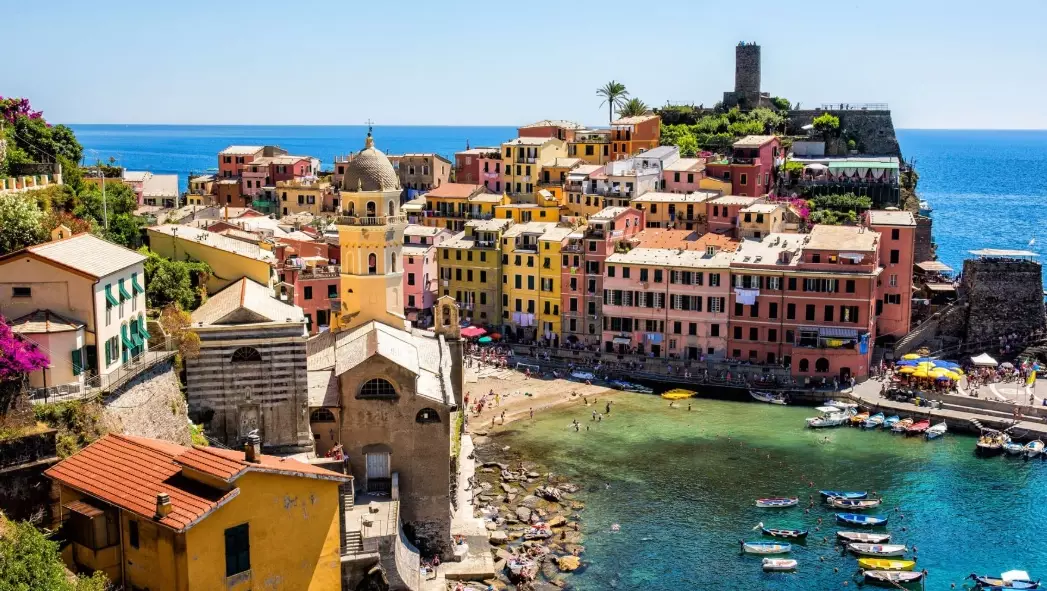
The Off-the-Beaten-Path 10 Days: Bologna (2 days for food) → Rent a car, explore hill towns of Emilia-Romagna/Tuscany (San Gimignano, Volterra) (4 days) → Lucca & Pisa (2 days) → Cinque Terre (2 days). Focuses on landscapes, food, and smaller cities.
The Insider's Playbook for Avoiding Crowds
This is where experience pays off. The single best piece of advice? Travel in the shoulder seasons (April-May, September-October). The weather is still good, prices are lower, and towns feel more like themselves.
In cities, explore early. Have breakfast at a bar like a local, then be at the site's door for opening time. Spend midday enjoying a long, leisurely lunch away from the tourist hubs, or exploring a quieter neighborhood. Re-emerge in the late afternoon.
Seek out the "secondary" sites. In Rome, the Capitoline Museums are sublime and far quieter than the Vatican. In Florence, the Bargello Museum holds incredible Renaissance sculpture without the Uffizi queues. In Venice, the Scuola Grande di San Rocco is filled with Tintoretto masterpieces and is rarely packed.
Finally, embrace getting lost. Turn down a narrow alley. Follow a staircase. Some of my favorite memories aren't of the places of interest I checked off a list, but of the quiet courtyard, the local market, or the family-run trattoria I stumbled upon by accident.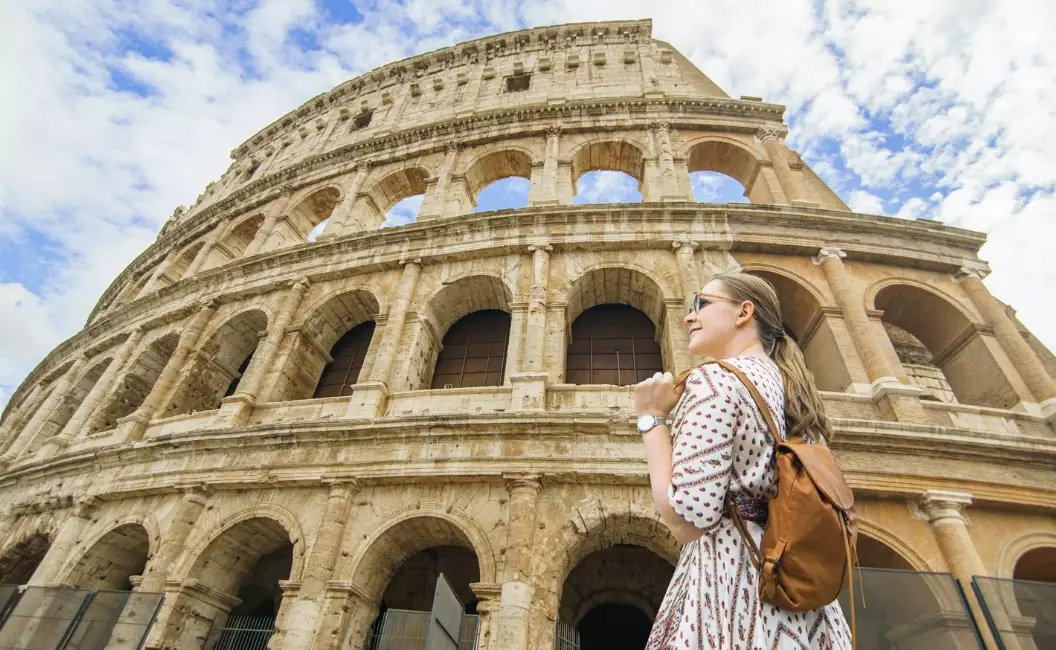
Your Italy Travel Questions Answered
 Is it worth buying a city tourist pass for places of interest in Italy?
Reader Comments