You’ve seen the photos. The whitewashed cubes clinging to volcanic cliffs, the water so blue it looks edited. The Greek islands promise paradise, and they deliver. But here’s the thing most generic guides won’t tell you: picking the wrong island can turn that dream into a crowded, overpriced slog. With over 200 inhabited islands, Greece isn’t a single destination. It’s a sprawling, diverse archipelago where your experience hinges entirely on which dot on the map you choose. This guide isn’t just another list. It’s a blueprint for matching your travel DNA—whether you crave nightlife, seclusion, history, or food—with the island that feels like it was made for you. We’ll dive deep into three iconic examples, strip away the Instagram filter, and give you the practical, actionable details to plan a trip that’s authentically yours.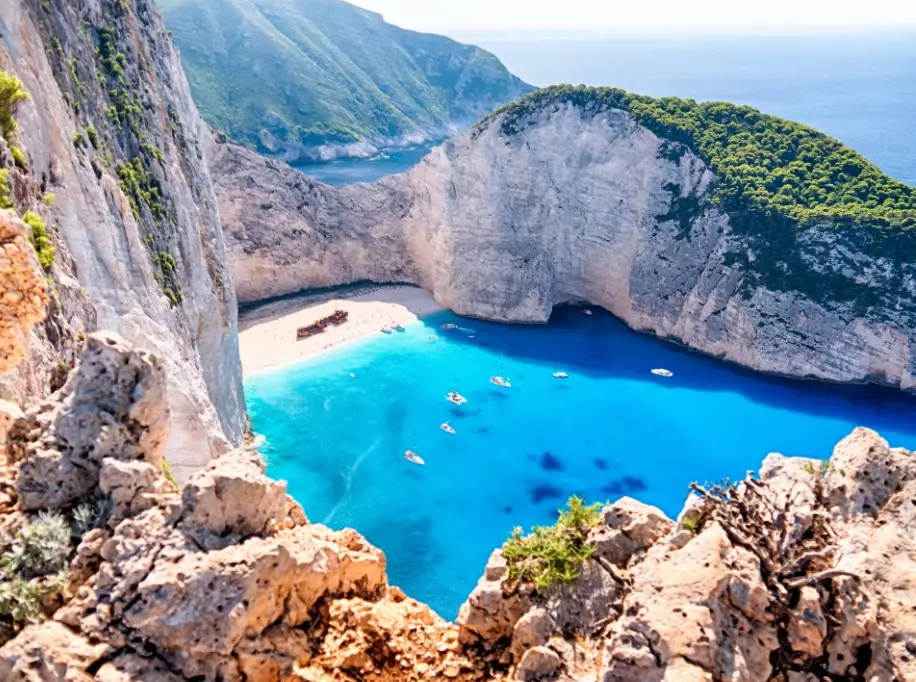
Your Island-Hopping Blueprint
The Greek Islands Are Not a Monolith
Let’s be honest. When you think "Greek island," you’re probably picturing Santorini or Mykonos. They’re famous for a reason. But limiting yourself to these two is like judging all of Italian cuisine by spaghetti and meatballs. The archipelago is grouped into several chains, each with a distinct character. The Cyclades give you the classic, windmill-dotted, blue-dome aesthetic. The Ionian Islands, like Corfu, are lush and green with Venetian architecture. The Dodecanese, including Rhodes, are steeped in medieval history. The North Aegean islands are quieter, more local. The mistake most first-timers make is trying to cram islands from different groups into a short trip. The ferry connections might be terrible, or non-existent. Picking one island group and exploring within it is almost always a smarter, more relaxed play.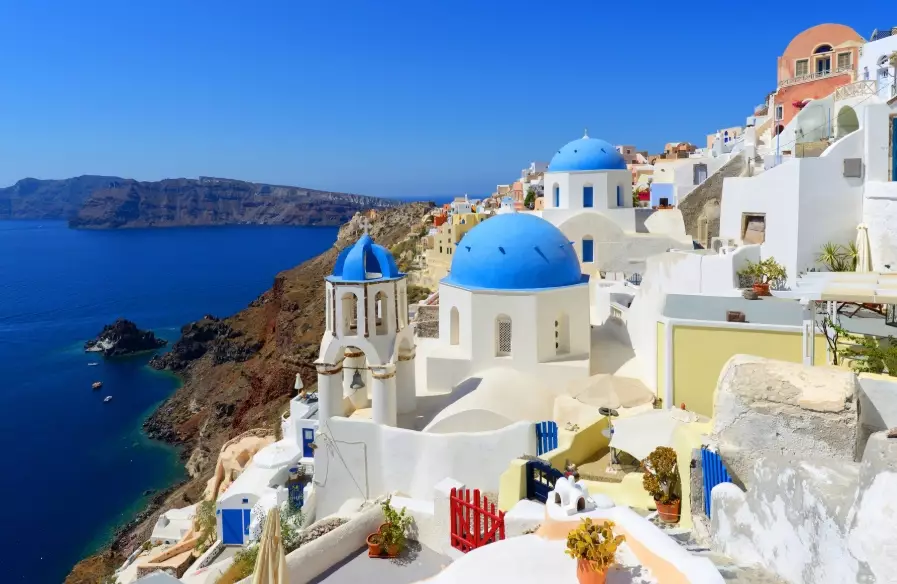
How to Choose Your Greek Island: A Personality Test
Forget "best." The question is "best for whom?" This quick comparison table cuts through the noise. It’s based on over a decade of island-hopping and watching where people look happiest (or most miserable).
| Island Vibe | Top Island Picks | Ideal For | Potential Drawbacks |
|---|---|---|---|
| Iconic & Romantic | Santorini, Mykonos | First-timers, honeymooners, luxury seekers, photographers. | Extremely crowded (especially in Oia at sunset), very expensive, can feel inauthentic. |
| Cultural & Lush | Crete, Corfu, Naxos | History buffs, foodies, families, travelers who want variety (mountains, beaches, cities). | Larger islands require a car to see properly; not the classic "postcard" look everywhere. |
| Chill & Authentic | Milos, Folegandros, Sifnos | Escaping crowds, connecting with local life, slow travel, stunning but lesser-known landscapes. | Fewer direct international flights, more limited nightlife, some amenities may be basic. |
| Party & Glamour | Mykonos, Ios, Paros | Young crowds, all-night dancing, beach clubs, seeing and being seen. | Noise, high prices for drinks/food, not relaxing. |
See? It’s about alignment. If you hate crowds but book a July trip to Mykonos for the "vibe," you’ve set yourself up for frustration. Now, let’s get specific with three islands that show this range.
Island Deep Dives: Beyond the Brochure
Here’s where we move from theory to practice. Concrete details you can actually use to plan your day.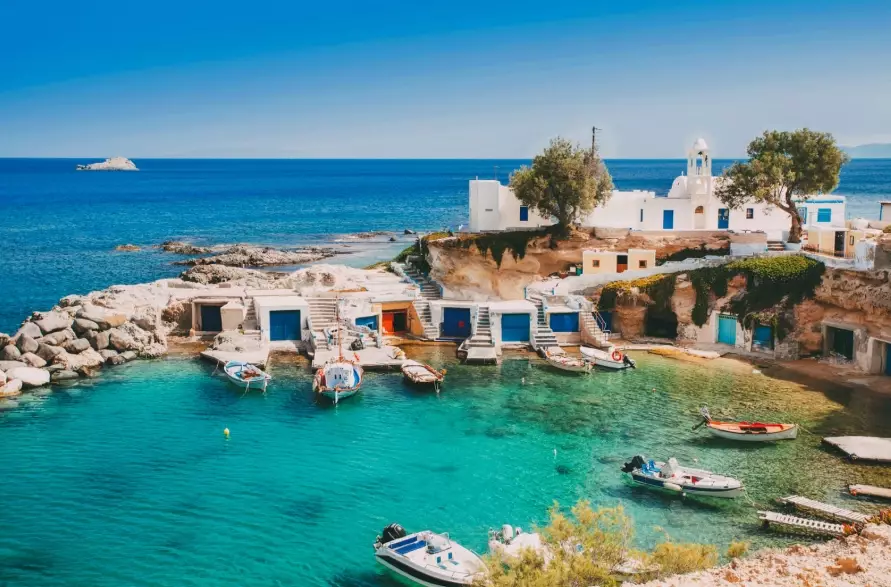
Santorini: Mastering the Icon
Yes, it’s crowded. Yes, it’s expensive. But the caldera view is a geological wonder that genuinely takes your breath away. The key to enjoying Santorini is strategy, not surrender.
The Sunset Secret: Everyone herds to Oia. Don’t. The view is just as spectacular from the clifftop path in Imerovigli, often called the "balcony to the Aegean." You’ll have space to breathe. The sunset in Oia is a 5,000-person shoulder-to-shoulder spectacle. In Imerovigli, it’s a personal experience.
Do This: Visit the ancient site of Akrotiri (a Minoan settlement preserved in volcanic ash, often called the "Greek Pompeii"). Entry is €12. It opens at 8 AM; go at opening to avoid the heat and tour groups. Then, head to the nearby Red Beach for a swim (access is via a short, rocky path—wear sturdy shoes).
Eat Here: For a caldera view without a hotel price tag, book a table at Metaxi Mas in the inland village of Exo Gonia. It’s a local favorite for authentic grilled meats and meze. No caldera view, but the food is the real deal. A meal for two costs around €40-50.
Crete: The Continent-Island
Crete is a world unto itself. You come for the beaches but stay for the mountains, the gorges, and the fierce local culture and cuisine. Renting a car is non-negotiable here. I once tried to rely on buses to see the Samaria Gorge and missed the last one back, leading to an expensive taxi ride from a very amused local driver.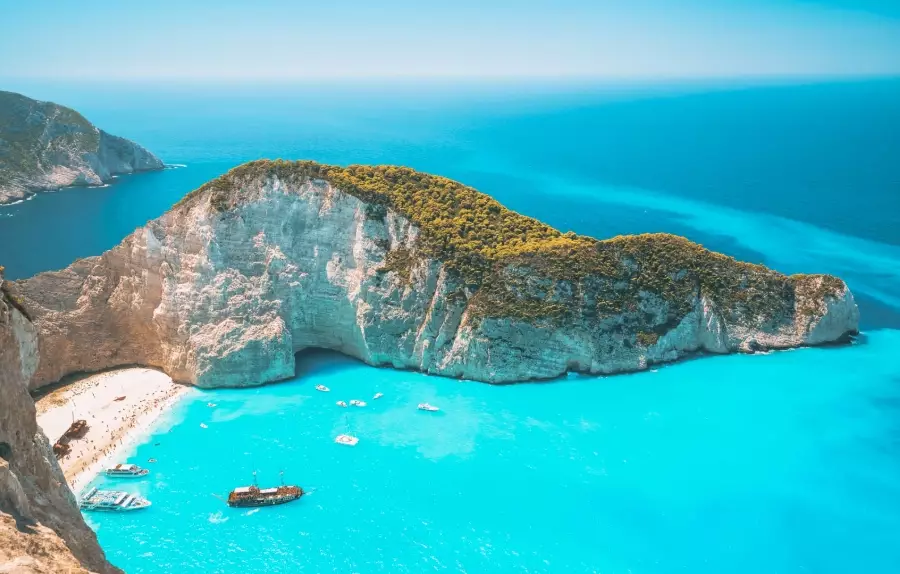
Must-Visit Site: The Palace of Knossos. It’s the heart of Minoan civilization. The site is vast. Buy a combined ticket with the superb Heraklion Archaeological Museum (€20 total) to understand the artifacts in context. Go early or late to avoid the cruise ship crowds that descend mid-morning.
Beach Break: Elafonissi Beach, with its pink sand and shallow, turquoise lagoon, is famous for a reason. It’s a 1.5-hour drive from Chania. Get there by 9 AM to claim a good spot before the day-trippers arrive. There are sunbed rentals (€10-15 for two) and a basic canteen.
Food Pilgrimage: In Chania’s old town, find To Maridaki (Sourmelis 17). It’s tiny, with maybe eight tables, and focuses on ultra-fresh fish and seafood. Tell them your budget, and they’ll suggest what’s best that day. Expect to pay €25-35 per person. It’s not fancy, just perfect.
Mykonos: The Glamorous Paradox
Mykonos is less about "Greek island" and more about a globalized party scene on a beautiful Aegean platform. The shopping is high-end, the yachts are massive, and the beach clubs are temples of hedonism. If that’s your scene, you’ll love it. If not, you’ll find it absurdly overpriced. I fall into the latter camp, but I appreciate its energy.
Escape Valve: The island’s iconic windmills and the maze of Little Venice are beautiful at dawn. Have the place to yourself before the first ferry arrives. By 11 AM, it’s a pedestrian traffic jam.
Beach Club Reality:
Spending a day at Scorpios or Nammos is an experience. But know this: a sunbed can cost over €100 on a weekend, and a cocktail €25. You’re paying for the scene, not just the seat. For a more local (and free) swim, try Ftelia Beach on the north coast, popular with windsurfers.
Where to Stay: Mykonos Town is for nightlife. For a slightly quieter (but still expensive) base, look at the hotels around Ornos Beach or Agios Ioannis. The Myconian Collection hotels in Ornos are well-regarded for service and views. Expect rates from €300-€800+ per night in peak season.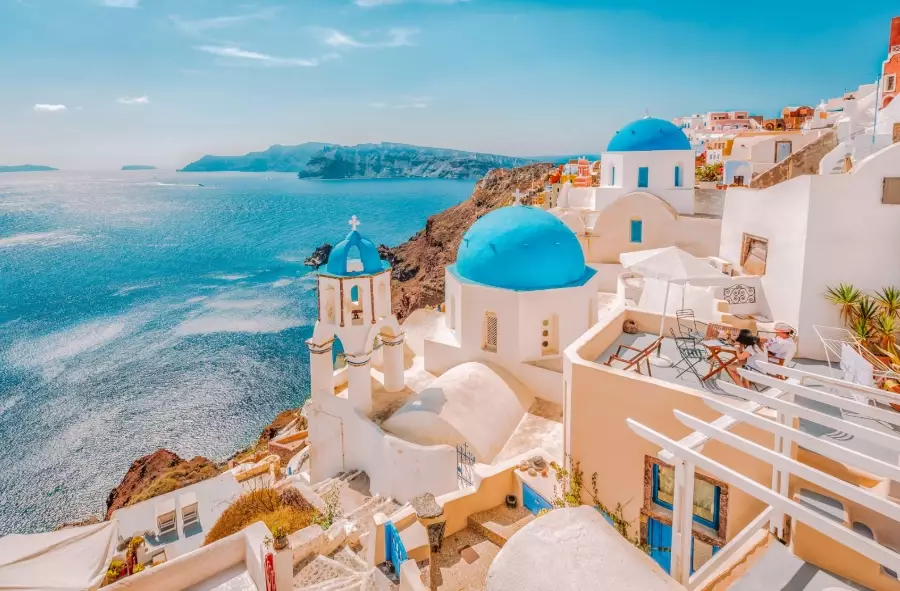
The Nuts and Bolts of Island Travel
This is the glue that holds a good trip together.
Ferries vs. Flights: Book ferries well in advance in summer. Use Ferryhopper for schedules and tickets. The fast catamarans (SeaJets, Hellenic Seaways) are quicker but pricier and more prone to cancellation in high winds. The slower, larger Blue Star Ferries are more stable, cheaper, and you can enjoy the deck. For longer hops (e.g., Athens to Crete/Rhodes), consider a domestic flight with Aegean or Sky Express. It’s often faster and similarly priced.
The Accommodation Sweet Spot: The best value is usually a small, family-run pension or studio in a village a 10-minute drive from the main port or famous beach. You get authenticity, better prices, and quiet nights. Websites like Booking.com have filters for these. Always check the location on a map, not just the island name.
Getting Around: On larger islands (Crete, Rhodes, Naxos), a rental car is essential for freedom. Book months ahead for summer. On smaller islands (Mykonos, Santorini), ATVs or scooters are popular but can be dangerous on busy roads. Local buses are reliable and cheap on most major islands—research the central bus station (KTEL) location upon arrival.
Your Greek Island Questions, Honestly Answered
We’re a family with young kids. Which Greek island is actually suitable?
Look beyond the party islands. Crete is the top choice. It has shallow, sandy beaches (like Elafonissi), kid-friendly attractions like the Dinosauria Park, and the Aquaworld Aquarium in Hersonissos. Naxos is another winner, with its long, sandy Agios Prokopios beach and the Temple of Apollo ruin that kids love to run around. Both have a wide range of self-catering apartments and villas, which make family life much easier than a hotel room.
I have 10 days and want to see a few islands. What’s a realistic itinerary that doesn’t feel rushed?
The classic, manageable first-timer circuit is in the Cyclades. Fly into Santorini, spend 3 nights. Take a morning ferry to Naxos (about 2 hours), stay for 3 nights to enjoy the beaches and mountain villages. Then, a short ferry to Paros (45 mins) for another 3 nights, exploring Naoussa and Antiparos. Fly out of Santorini or Athens from Paros. This gives you a mix of iconic views, culture, and beaches with minimal ferry travel. Trying to add Mykonos or Crete to this would turn it into a marathon.
What’s the biggest mistake people make with Greek island food?
Eating on the waterfront. Those tavernas with the perfect view of the fishing boats are almost always tourist traps with mediocre, overpriced food. Walk two streets back, away from the seafront promenade. Look for places where the menu is in Greek first, where locals are eating, and where you might see the owner’s mother in the kitchen. That’s where you’ll find the real moussaka, the fresh grilled octopus, and the house wine that costs €4 for a half-liter carafe.
When is the absolute best time to visit to avoid crowds but still have good weather?
Late May to mid-June, and September to early October. These are the sweet spots. The sea is warm enough for swimming (warmer in September), the weather is reliably sunny but not scorching, and the crowds are a fraction of July/August levels. Accommodation prices are also significantly lower. April can be chilly and windy, and many island businesses don’t fully open until Orthodox Easter (which can be in April or May).
Reader Comments