Let's be honest. You search "what to do in Toronto," and you get a list: CN Tower, Ripley's, the ROM. It's helpful, but it feels like a tourist checklist. Having lived here for a decade, I know Toronto's magic isn't just in ticking off landmarks. It's in the feeling of standing on the glass floor of the CN Tower, the taste of a perfect peameal bacon sandwich in a historic market, and the surprise of finding a tiny, world-class taco shop in a graffiti-covered alley. This guide is about both—the iconic sights you can't miss and the local experiences that will make you feel like you've cracked the city's code.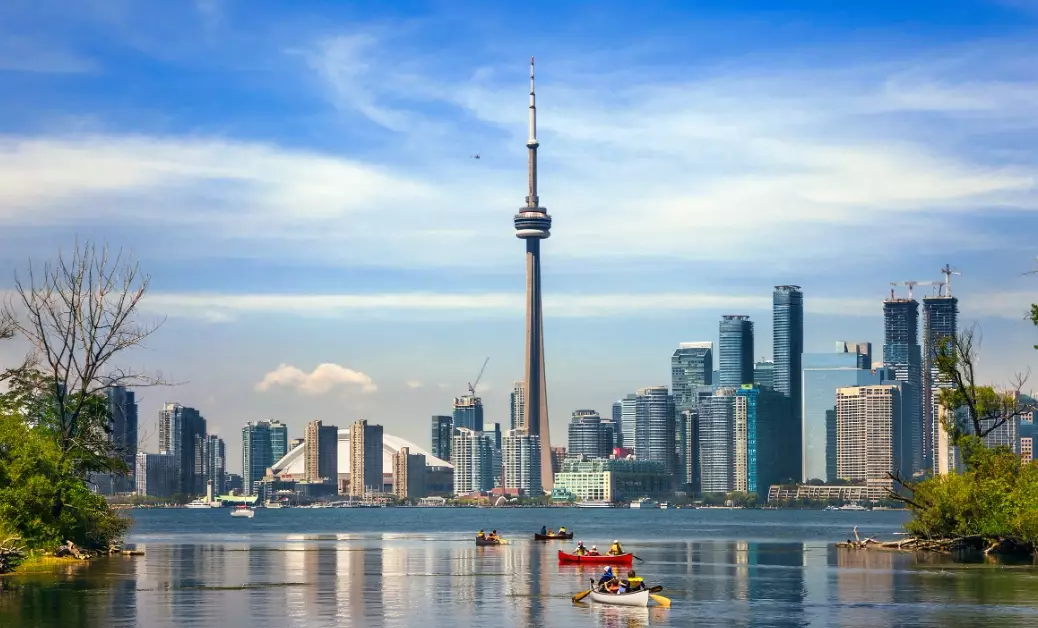
Your Toronto Adventure at a Glance
Iconic Toronto Landmarks You Can't Skip
Yes, you should see these. But here's how to do them right, avoiding the biggest rookie mistakes.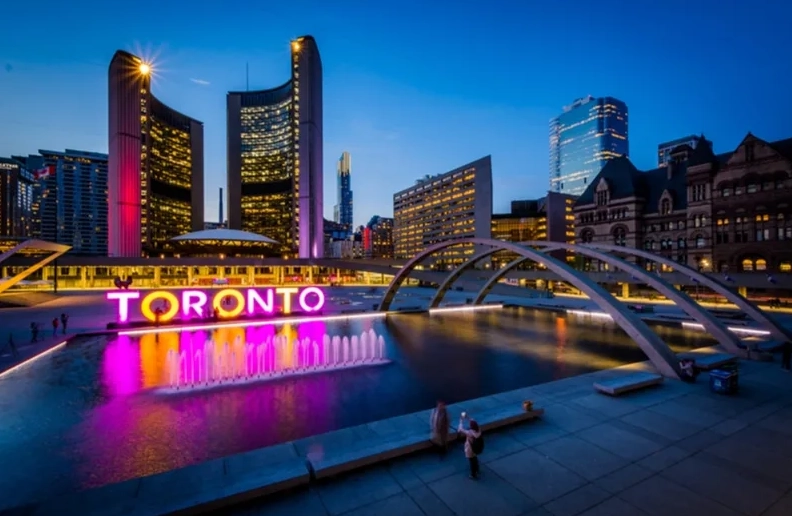
CN Tower: More Than Just a View
The address is 301 Front St W. It's open 9 AM - 10:30 PM most days, but check for seasonal changes. Getting there is easy: take the subway to Union Station and it's a 5-minute walk. The standard LookOut admission is around $43 CAD. My take? The view is unbeatable, but the real mistake is going on a cloudy day. You'll see nothing but grey. Plan your visit for clear weather, ideally late afternoon so you can see the city transition from day to night. For the thrill-seekers, the EdgeWalk (walking hands-free around the tower's rim) is a massive adrenaline rush, but book weeks in advance.
Ripley's Aquarium of Canada & the Waterfront
Right next to the CN Tower at 288 Bremner Blvd. Open 9 AM - 11 PM. Adult tickets are about $44. It's spectacular, especially the moving glidepath through the shark tunnel. Honestly, the price is steep. If you're on a tight budget or not fascinated by marine life, you might skip it. But if you have kids, it's a guaranteed win. Combine it with a stroll along the revitalized Harbourfront Centre. In summer, there are free concerts, outdoor markets, and you can rent kayaks or paddleboards right there.
Royal Ontario Museum (ROM) & Art Gallery of Ontario (AGO)
Two world-class institutions. The ROM (100 Queen's Park) is for natural history and world cultures—think dinosaurs and Egyptian mummies. General admission is $26. The AGO (317 Dundas St W) houses an incredible Group of Seven collection and Henry Moore sculptures. It's $30 for adults. Here's the non-consensus advice: don't try to do both in one day. You'll get museum fatigue. Pick one based on your interest. The ROM is bigger and more chaotic (in a fun way); the AGO feels more serene and architectural.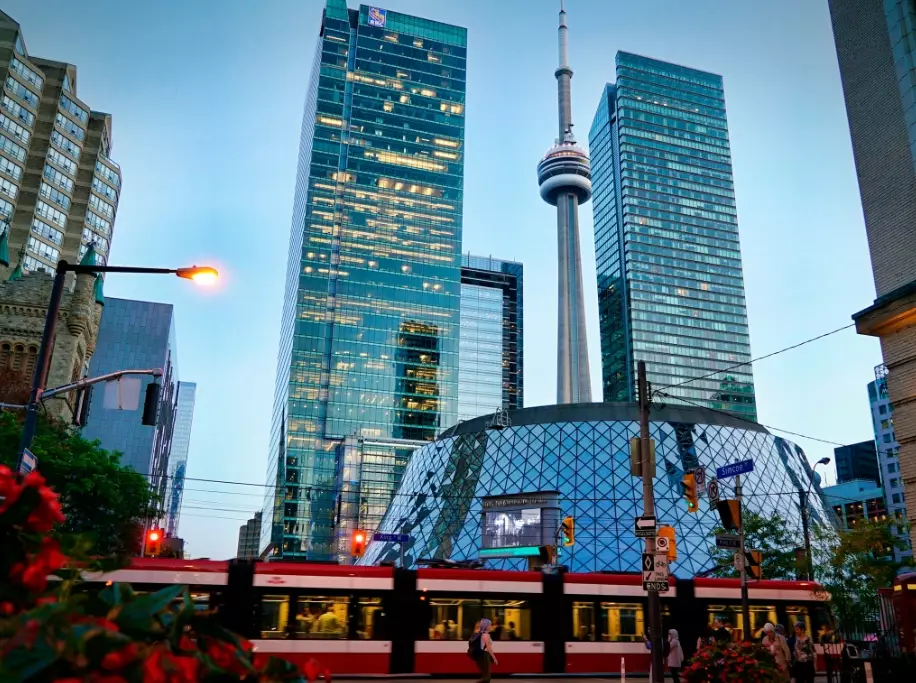
A Food Lover's Guide to Toronto
Toronto's food scene is its true heart. Forget generic chains; this is where to eat.
For a mind-blowing, messy, and authentic taco, head to Seven Lives Tacos in Kensington Market (69 Kensington Ave). The Gobernador (shrimp and cheese) is legendary. Expect to pay $7-9 per taco and to eat standing up. It's worth it.
Toronto's Chinatown (along Spadina Ave) offers incredible value. Swatow (309 Spadina Ave) is a no-frills institution for garlicky shrimp and noodles. You can feast for under $20 per person.
Feeling fancy? Book a table at Alo (163 Spadina Ave), consistently ranked one of Canada's best restaurants. The tasting menu is an investment (over $200), but for a special occasion, it's unforgettable.
Exploring Toronto's Unique Neighborhoods
This is where "what to do in Toronto" gets interesting. Leave the downtown core.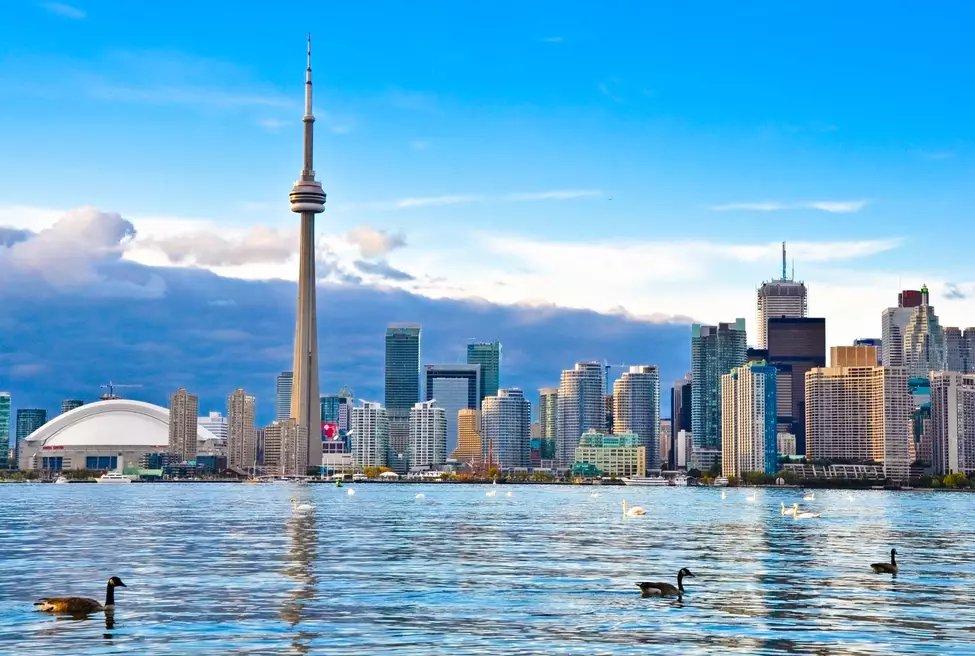
The Distillery District (55 Mill St) is a pedestrian-only village of Victorian industrial buildings now housing art galleries, boutiques, and cafes. It's beautifully preserved and feels like stepping into another time. Go for the atmosphere, a coffee at Balzac's, and the Christmas market if you're here in winter.
Kensington Market is the opposite: gritty, colorful, and wonderfully chaotic. It's a National Historic Site that feels like a bohemian village. Spend an afternoon getting lost. Browse vintage clothing stores, buy exotic spices, and grab a pint on a patio. My personal favorite stop is Global Cheese Shoppe for a sample of anything.
Queen Street West (from University Ave to about Bathurst St) is for shopping and street art. You'll find everything from high-end design shops to quirky independent stores. The graffiti alley behind Richmond St is a constantly evolving outdoor gallery.
A Practical 3-Day Toronto Itinerary
Here’s a blueprint you can adapt. It mixes the big sights with neighborhood flavor.
| Day | Morning | Afternoon | Evening | Food & Drink Notes |
|---|---|---|---|---|
| Day 1: Downtown Icons | CN Tower (pre-book tickets for 10 AM). | Ripley's Aquarium or Harbourfront stroll. | Catch a Blue Jays game at the Rogers Centre (if in season) or see a show in the Entertainment District. | Lunch at the Steam Whistle Biergarten next to the CN Tower. Dinner near King St West. |
| Day 2: Culture & Markets | Royal Ontario Museum (ROM). | Walk through Yorkville (high-end shops), then head to St. Lawrence Market for a snack. | Explore the Distillery District, all lit up in the evening. | Lunch in Yorkville. Dinner at a Distillery District restaurant like Cluny or El Catrin. |
| Day 3: Neighborhood Vibes | Kensington Market exploration. Get coffee and wander. | Walk down to Graffiti Alley, then shop along Queen Street West. | Head to the waterfront at Sugar Beach or HTO Park for sunset. | Lunch at Seven Lives Tacos in Kensington. Dinner on Ossington Ave (between Dundas and Queen) for a hip local strip. |
This schedule has breathing room. Don't rush. The best Toronto moments often happen when you deviate from the plan.
Toronto Travel: Your Questions Answered
 How can I experience Toronto on a budget?
Toronto isn't a city that reveals itself all at once. It's a collection of moments—a great meal, a surprising street, a friendly conversation. Use this guide as a starting point, then go make your own discoveries. That's the real answer to what to do in Toronto.
Reader Comments