Let's be honest. When you think of places to go in Boston, the Freedom Trail instantly comes to mind. It's iconic for a reason. But after living here for a decade, I've realized that sticking only to the 2.5-mile red brick road is the biggest mistake first-time visitors make. Boston's soul is a layered thing—revolutionary history yes, but also world-class art tucked in university courtyards, innovative food halls, and serene riverfronts that offer a break from the urban buzz. This guide cuts through the generic lists. I'll give you the essential historic stops, but more importantly, I'll show you how to weave in the cultural and local experiences that transform a good trip into a great one. You'll get specific details on tickets, the best times to visit, and how to get around without the headache.
Your Boston Trip at a Glance
The Historic Core: Non-Negotiable Stops
You can't skip the history. But you can be smart about it. The key is not to feel obligated to see all 16 official Freedom Trail sites. Focus on the highlights that offer the most impactful stories and settings.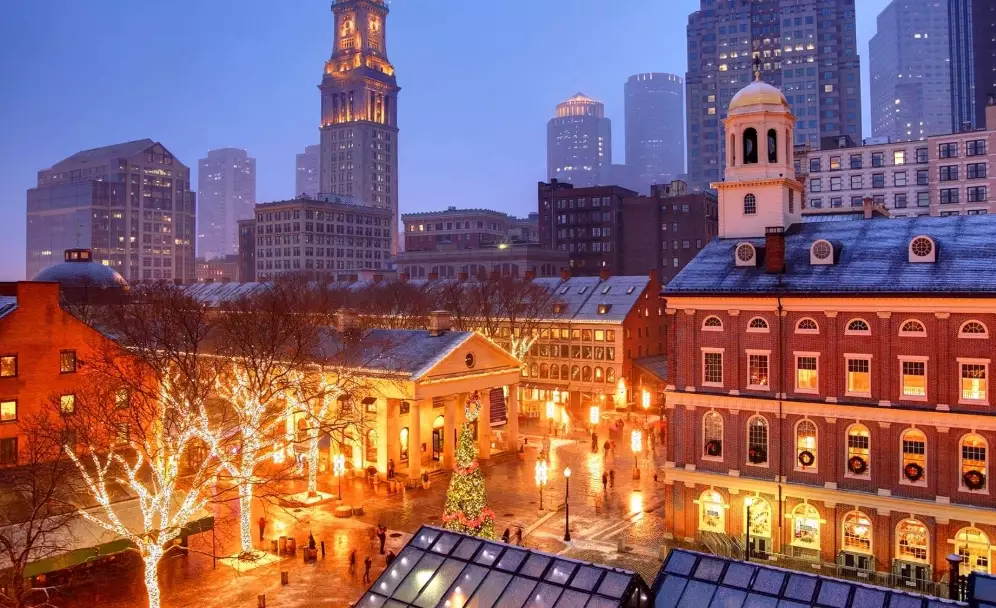
The Freedom Trail Strategy
Walking the trail is free. The sites along it often are not. Start at the Boston Common Visitor Center (139 Tremont St) to grab a map. I recommend the paid, 90-minute Walk Into History Tour led by the Freedom Trail Foundation's costumed guides. It's worth the $17 for the context alone. If you go solo, prioritize these three stops:
- Granary Burying Ground: (Tremont St). Free. Opens at 9 AM. Stand before the graves of Paul Revere and John Hancock. The sheer density of history here is palpable.
- Old North Church: (193 Salem St). Admission $8.50. Open daily. Seeing the steeple where the lanterns were hung is a powerful "you are here" moment in the American story.
- USS Constitution & Museum: (Charlestown Navy Yard). Free to board the ship, suggested donation for the museum. Take the MBTA ferry from Long Wharf for a scenic approach. Watching the active-duty sailors give tours on "Old Ironsides" is uniquely impressive.
Near the trail's end in Charlestown, climb the Bunker Hill Monument (Monument Sq). It's 294 steps, no elevator, and completely free. The view is your reward. Most people just look at it; climbing it makes the history tangible.
Faneuil Hall Marketplace: More Than Shopping
Yes, it's touristy. Overpriced t-shirts abound. But dismissing it outright is a mistake. Faneuil Hall (4 S Market St) itself is a historic meeting hall—free to enter the first floor. Upstairs, the museum and chamber require a ticket. The real local move? Treat Quincy Market (the long building in the middle) as a spectacular, chaotic food hall. Don't buy a full meal from one stall. Grab a clam chowder in a bread bowl from Boston Chowda Co., then a cannoli from Modern Pastry (ignore the rivalry, both are great), and people-watch. It's an experience.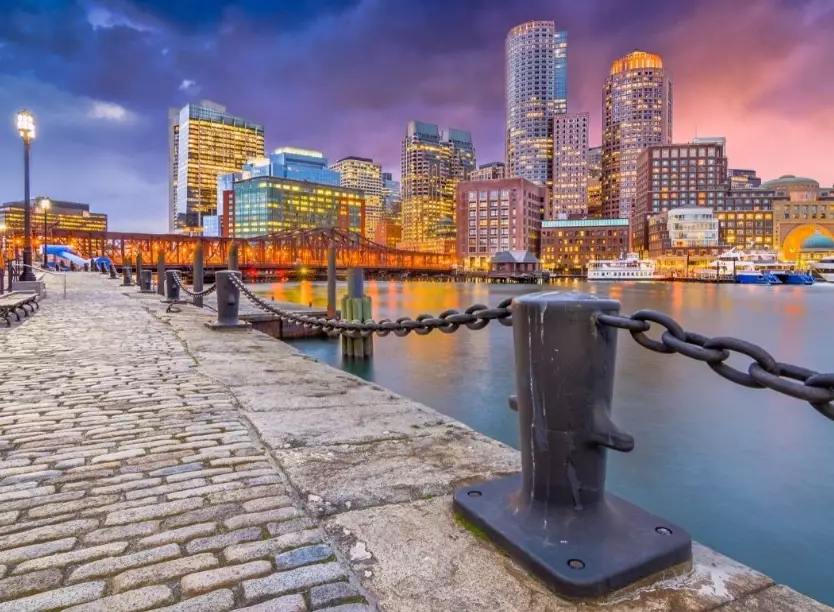
Cultural Oasis & Academic Havens
This is where Boston shines beyond its 18th-century roots. The city's intellectual energy fuels incredible, often underrated, public spaces.
| Attraction | Key Info & Address | Why It's Worth Your Time |
|---|---|---|
| Isabella Stewart Gardner Museum | 25 Evans Way, Boston. Tickets: $20 online. Open Wed-Mon. Closed Tues. | It feels like a secret Venetian palace. The stunning courtyard, the mysterious art theft (empty frames still hang), and Isabella's eccentric vision make it utterly unique. Book ahead. |
| Museum of Fine Arts, Boston (MFA) | 465 Huntington Ave. Tickets: $27. Open daily. | One of the most comprehensive art museums in the Americas. Its Ancient Egyptian and French Impressionist collections are world-class. It's vast—pick a wing or two to focus on. |
| Harvard University & Museums | Harvard Yard, Cambridge. Access via Red Line to Harvard Sq. | Wandering the Yard is free and inspiring. Don't just take a photo at the John Harvard statue (it's not really him). Visit the Harvard Museum of Natural History (26 Oxford St) for the breathtaking Glass Flowers exhibit. |
A personal favorite is the Boston Public Library Central Branch (700 Boylston St). Free. Walk into Bates Hall—the grand reading room with green lamps—and feel the quiet majesty. Their courtyard is a perfect spot for a coffee break. Most tourists walk right past it.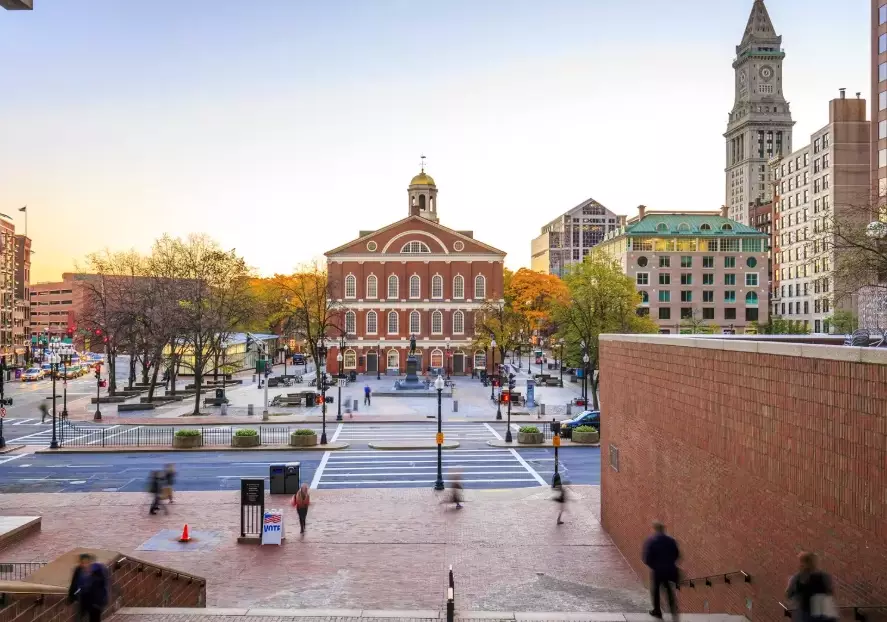
Modern Icons & Waterfront Views
Boston isn't stuck in the past. Its modern skyline and revitalized waterfront offer some of the best perspectives and relaxing strolls.
The Skywalk Observatory vs. The Prudential Center: A common point of confusion. The Skywalk Observatory is on the 50th floor of the Prudential Tower (800 Boylston St). It's a 360-degree, enclosed observation deck (tickets ~$21). The "Top of the Hub" restaurant is gone. For a free, nearly-as-good view, go to the Prudential Center's second-floor balcony outside the Eataly restaurant. You get a stunning westward view over Back Bay for the price of a coffee.
For waterfront vibes, the Seaport District has exploded. It's sleek and new. The Institute of Contemporary Art (ICA) (25 Harbor Shore Dr) is worth it for the building and harbor views alone. Their Watershed annex across the harbor in East Boston (free with ICA ticket) is a brilliant, offbeat trip via water shuttle.
But for pure, simple relaxation, walk the Charles River Esplanade. Rent a Bluebike or just stroll from the Hatch Shell towards the Harvard Bridge. On a sunny day, with sailboats on the river, it's the city's best decompression zone.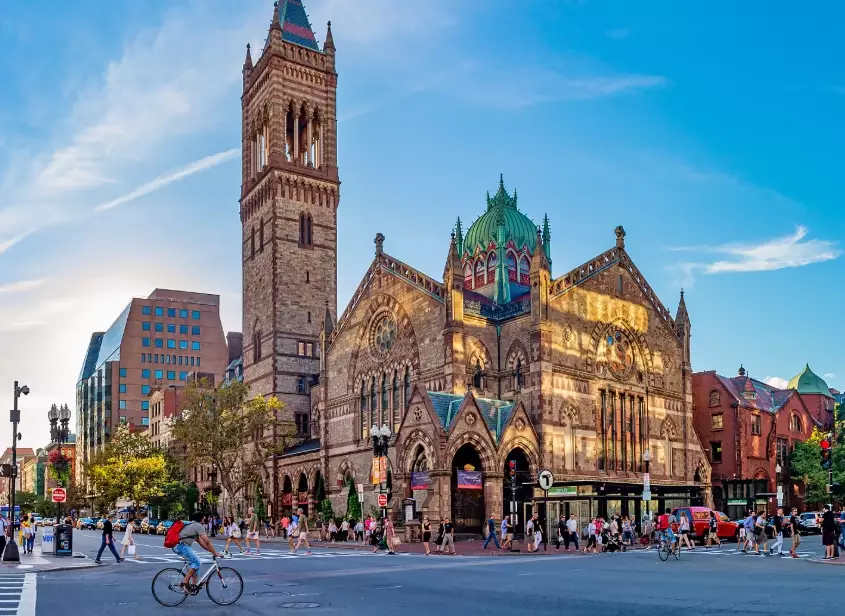
A Few Local Picks Off the Beaten Path
Want to escape the downtown clusters? These spots deliver authentic Boston character.
- Jamaica Pond: Part of the Emerald Necklace park system. A 1.5-mile path circles the pond. You can rent a rowboat at the Boathouse ($20/hour). It's a slice of peaceful, leafy Boston you won't find on postcards.
- Union Square, Somerville: A short ride on the Green Line Extension. Packed with independent breweries (Aeronaut), coffee shops, and some of the city's most innovative restaurants. It feels like where Boston's creative energy is currently bubbling.
- Castle Island & Pleasure Bay: (South Boston). Not an island, but a peninsula with a historic fort (Fort Independence), a long walking loop, and Sullivan's, a legendary no-frills hot dog and ice cream stand. Accessible by car or a longer walk from the Broadway Red Line stop.
Practical Planning: Getting Around & Itineraries
Boston is a walkable city, but its street layout is famously chaotic. Here's how to navigate it.
Transportation: Ditch the Car
Seriously. Parking is expensive and traffic is frustrating. The MBTA (the "T") subway and bus system will get you almost everywhere. Get a CharlieCard (the reusable plastic card) for the cheapest fares ($2.40 per subway ride vs. $2.90 with a paper ticket). You can get one at major station booths. For a short visit, a 1-day or 7-day LinkPass might make sense if you'll be hopping on/off constantly. Use the MBTA website or apps like Transit for real-time schedules.
Sample Itineraries: Making It Work
One Day, Maximum History: Morning: Freedom Trail from Boston Common to Faneuil Hall. Afternoon: Walk to the North End for lunch (regiment your cannoli choice), then continue the Trail to Old North Church. Take a ferry from Long Wharf to Charlestown for the USS Constitution. Evening: Dinner back in the North End.
Two Days, Mixing It Up: Day 1: Freedom Trail highlights (Granary, Faneuil Hall, Old North). Afternoon at the Boston Tea Party Ships & Museum (a fun, interactive experience). Day 2: Morning at the Isabella Stewart Gardner Museum, afternoon stroll along Newbury Street and the Public Garden, sunset views from the Charles River Esplanade.
Three Days, Deep Dive: Days 1 & 2 as above. Day 3: Take the Red Line to Harvard Square. Explore Harvard Yard and the Natural History Museum. Have lunch in Harvard Square, then take the Red Line back to Park Street and visit the Massachusetts State House for a free tour (weekdays only). End with a drink or dinner in the Back Bay.
Your Boston Trip Questions Answered
With limited time and budget, what are the absolute must-see places to go in Boston?
Focus on the free or low-cost experiences with high impact. Walk the Freedom Trail (free to walk). Visit the Boston Public Library and its courtyard (free). Stroll through the Boston Public Garden and see the Make Way for Ducklings statues (free). Explore Harvard Yard (free). Walk the Charles River Esplanade (free). Pay for one immersive experience, like the Old North Church or the Gardner Museum. You'll get the essence of the city without blowing your budget.
What's the biggest mistake people make when visiting Boston's historic sites?
They try to tick every box on the Freedom Trail map and end up exhausted, missing the nuance. The trail is a suggestion, not a mandate. Spending 45 minutes in the Granary Burying Ground reading the headstones is more meaningful than a 5-minute dash past the site of the Boston Massacre. Depth over breadth. Also, not checking if a historic building is open—many are closed on Mondays or Tuesdays.
I'm visiting Boston with kids. Which "places to go" are actually engaging for them?
The Freedom Trail can be a tough sell. Instead, focus on interactive spots. The Boston Children's Museum (308 Congress St) is fantastic. The New England Aquarium (Central Wharf) is a classic winner. The Museum of Science (Science Park) has an IMAX and planetarium. For history, the Boston Tea Party Ships & Museum (306 Congress St) lets them throw tea crates overboard. The USS Constitution is also a hit because it's a real, huge ship.
What's the best way to experience Boston's famous seafood without overpaying in a tourist trap?
Avoid the waterfront restaurants with picture menus. For a classic, no-frills experience, go to Neptune Oyster in the North End (be prepared for a long wait) or Row 34 in the Seaport (more upscale). For a chowder fix, the stalls in Quincy Market are actually decent. But my go-to for a lobster roll is often a place like James Hook & Co. (440 Atlantic Ave), a bare-bones takeout joint that's been there forever. It's about the lobster, not the ambiance.
How walkable is Boston really, and when should I use public transit?
The core from Back Bay to the North End is very walkable, but it's a lot of cobblestones. Wear good shoes. Use the T to make strategic "jumps." For example, walk the Freedom Trail from Boston Common to the North End, then take the Green Line from Haymarket back to your hotel instead of walking back. Or take the Red Line from Harvard Square to Downtown Crossing. The T is best for covering longer distances between neighborhoods (e.g., Back Bay to Cambridge).
Reader Comments