Let's be honest. When you search for sights to see in Boston, you get the same list: Freedom Trail, Fenway Park, maybe the aquarium. It's not wrong, but it's like only seeing the cover of a great book. I've lived here for a decade, and the magic of Boston isn't just in checking off its famous landmarks—it's in the cobblestone alleyways you accidentally wander down, the perfect chowder spot tucked away from the tourist crush, and understanding how the city's neighborhoods tell a living story. This guide is about giving you that deeper map. We'll cover the essentials you absolutely need to see, but I'll also show you how to experience them like a local, share the hidden corners most visitors miss, and provide the nitty-gritty details (ticket hacks, timing tips, transit tricks) that turn a good trip into an unforgettable one.
Your Boston Sightseeing Roadmap
- Navigating the Historical Heart: The Freedom Trail & Beyond
- Boston's Cultural Icons: Museums, Parks & Stadiums
- The Waterfront & Esplanade: Harbor Views and City Greenery
- Academic Enclaves: Cambridge and Intellectual Boston
- Beyond the Brochure: Local-Favorite Hidden Gems
- Planning Your Visit: Itineraries & Logistics
- Getting Around Boston: A Local's Transit Advice
- Your Boston Sights Questions, Answered
Navigating the Historical Heart: The Freedom Trail & Beyond
The 2.5-mile red-brick line is Boston's spine. Walking the entire Freedom Trail is a rite of passage, but most people do it wrong. They follow the crowd from Boston Common to Bunker Hill, exhausted, missing the context. The key isn't just seeing the 16 official sites; it's understanding the connections between them.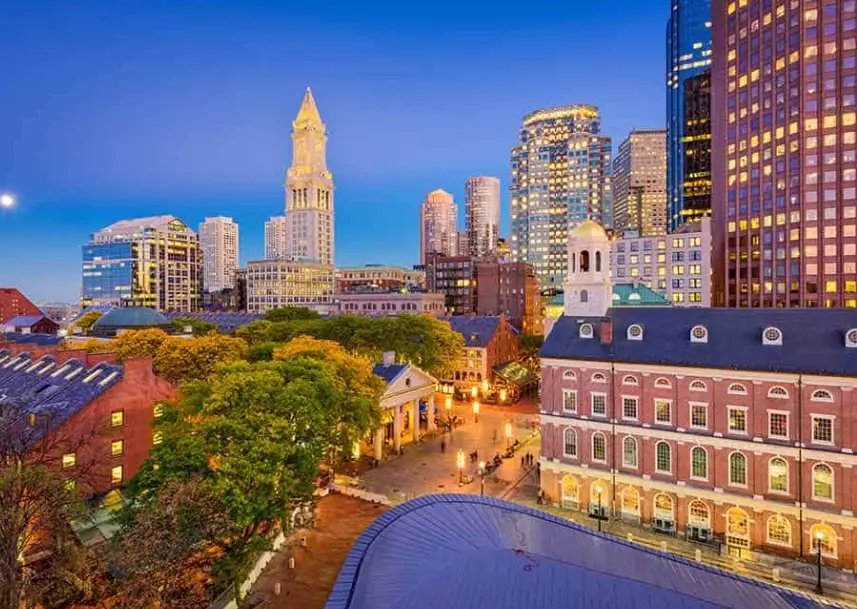
Start at the Boston Common Visitor Center (148 Tremont St) to grab a map. Don't just walk—use the official Freedom Trail Foundation's audio tour or book a costumed guide. The guides, often actors, bring the drama of 1775 to life in a way no plaque can.
Can't-Miss Stops & How to Beat the Crowds
Faneuil Hall Marketplace (4 S Market St) is chaotic and packed with chain shops. The real value is upstairs in the Great Hall (free) and the Ancient and Honorable Artillery Company Museum (tiny, free, and fascinating). Go early, before 11 AM, to avoid the worst of the crowds.
The Paul Revere House (19 North Sq) is the oldest building in downtown Boston. It's small, so lines form. Buy tickets online in advance. A block away, the Old North Church (193 Salem St) is where the "one if by land" lanterns were hung. The secret? The adjoining Captain Jackson's Historic Chocolate Shop and the Printing Office of Edes & Gill are free, living-history demonstrations that are often more engaging for kids.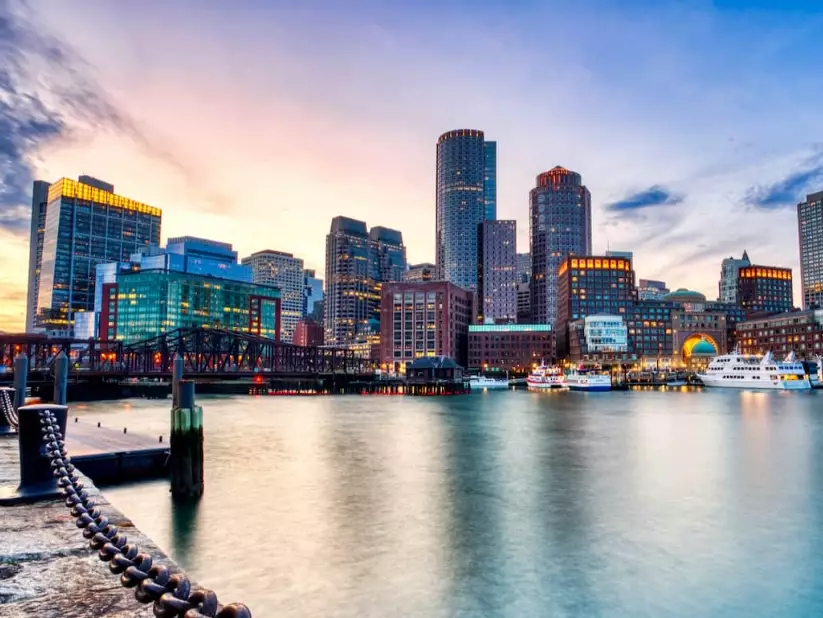
Freedom Trail Logistics: The trail is free to walk. Individual historic site tickets range from $5-$15. A "Freedom Trail Foundation Official Guidebook" ($7) is a great investment. The walk is doable in 2-3 hours without stops, but budget 4-5 hours to actually go inside a few key sites. Wear very comfortable shoes—those cobblestones are no joke.
Boston's Cultural Icons: Museums, Parks & Stadiums
Boston punches above its weight in culture. You have world-class art, revolutionary science, and a baseball cathedral that's a religion.
| Attraction | Address & Key Info | Pro Tip / Local Insight |
|---|---|---|
| Museum of Fine Arts (MFA) | 465 Huntington Ave. Hours: Wed-Sun 10am-5pm. General admission ~$27. | Go on a Wednesday after 3 PM when it's "pay what you wish" for all visitors. The Art of the Americas wing is unparalleled. |
| Isabella Stewart Gardner Museum | 25 Evans Way. Hours: Mon, Wed, Fri-Sun 11am-5pm; Thu 11am-9pm. ~$20. | This is my favorite. The stunning courtyard is the star. Go on a weekday afternoon for tranquility. The empty frames from the 1990 heist remain—a haunting reminder. |
| Fenway Park Tour | 4 Jersey St. Tours run daily, year-round. ~$25. | Even non-baseball fans appreciate the history. The 1-hour tour gets you on the Green Monster. For a game, try the right-field bleachers for a fun, affordable crowd. |
| Boston Public Garden | Arlington St. & Boylston St. Open dawn to dusk. Free. | Skip the overpriced, slow Swan Boats unless you have young kids. Instead, find the "Make Way for Ducklings" statues and stroll the lagoon bridges. It's postcard-perfect. |
The Waterfront & Esplanade: Harbor Views and City Greenery
The city opens up along the water. The New England Aquarium (1 Central Wharf) is fantastic for families, but can be overcrowded. Buying tickets online for a specific entry time is mandatory in summer.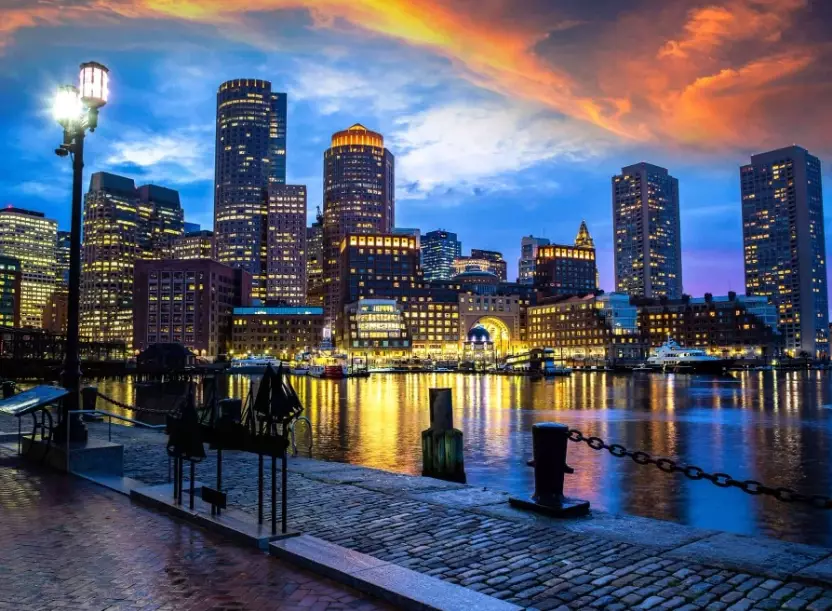
For a better harbor view, walk the Harborwalk. Start at the Institute of Contemporary Art (ICA) in the Seaport (25 Harbor Shore Dr). The ICA's cantilevered design is a sight itself. Then, walk north past the wharves. You'll pass Christopher Columbus Waterfront Park, a great spot for a picnic.
Across Storrow Drive, the Charles River Esplanade is Boston's backyard. Rent a Bluebike (the city's bike-share) and ride the paths. The view of the Cambridge skyline from the Hatch Shell is iconic, especially at sunset.
Local's Harbor Hack: Instead of a pricey harbor cruise, take the MBTA Commuter Ferry from Long Wharf to Charlestown Navy Yard (or even to Hingham). For under $10, you get the same views, pass by the airport, and it's a real Boston commute. Check the MBTA website for schedules.
Academic Enclaves: Cambridge and Intellectual Boston
Cross the Charles River (on the Red Line subway or over the Harvard Bridge) into Cambridge. Harvard Square is buzzing. The free Harvard Yard tour run by students is excellent—they give you the real, sometimes cheeky, scoop. Don't just stop at the Yard. Wander down Brattle Street for historic "Tory Row" mansions.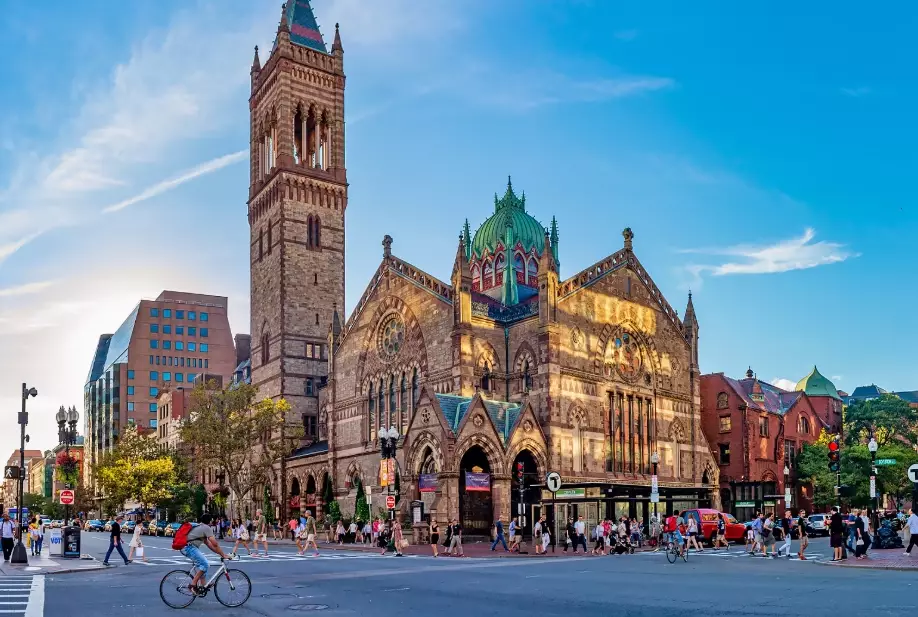
A few T stops away, MIT is a contrast in architecture. The MIT Museum (314 Main St, Cambridge) is moving to a new, larger location, so check its status. Instead, just walk through the Infinite Corridor (Building 7) or marvel at the crazy Stata Center (Building 32) designed by Frank Gehry.
Beyond the Brochure: Local-Favorite Hidden Gems
This is where you get bragging rights.
- The Mapparium at the Mary Baker Eddy Library (210 Massachusetts Ave): A three-story, walk-through stained glass globe from 1935. Your voice does trippy things at its center. It's bizarre and brilliant.
- Arnold Arboretum (125 Arborway, Jamaica Plain): Harvard's 281-acre free botanical garden. It feels worlds away. Go in late April for the lilac explosion or in October for stunning fall foliage without the Berkshire crowds.
- Boston Public Market (100 Hanover St): Year-round indoor market with all local vendors. Get a lobster roll from Red's Best, apple cider doughnuts from Red Apple Farm, and wander. It's the authentic alternative to Faneuil Hall's food court.
Planning Your Visit: Itineraries & Logistics
How you tackle Boston depends entirely on your time and interests.
The 48-Hour Blitz (First-Timer's Core):
Day 1 Morning: Freedom Trail from Boston Common to Faneuil Hall. Afternoon: North End for lunch (get a cannoli from Modern Pastry, not the hyped Mike's). Evening: Catch a game or tour at Fenway, or dinner in the Back Bay.
Day 2 Morning: Museum choice (MFA or Gardner). Afternoon: Harvard Square exploration. Evening: Waterfront walk and dinner in the Seaport.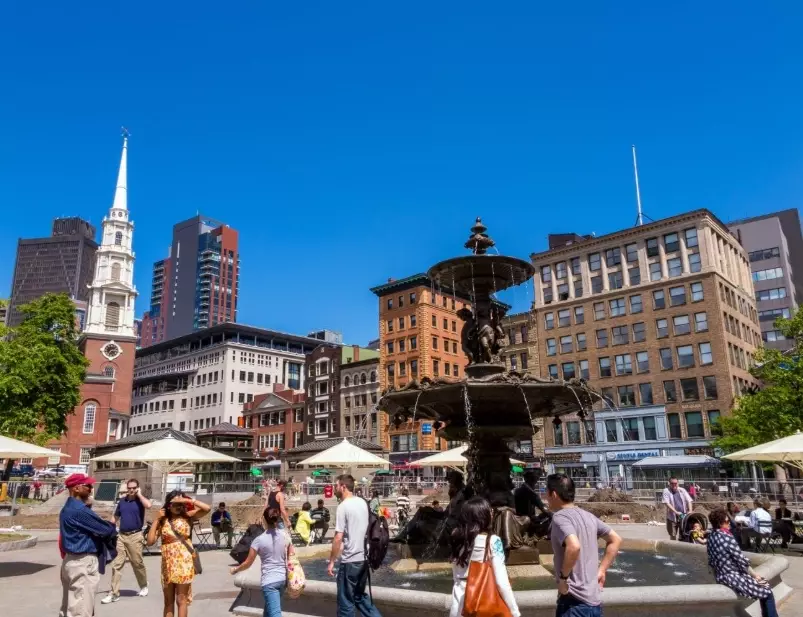
The 4-Day Deep Dive:
Follow the 48-hour plan, then add:
Day 3: Morning at the ICA and Harborwalk. Afternoon exploring Beacon Hill's Acorn Street and Charles Street shops. Evening jazz at Wally's Cafe.
Day 4: Choose your adventure: A ferry to the Boston Harbor Islands (Spectacle Island for hiking), a trip to the JFK Presidential Library, or a relaxing day in the Arnold Arboretum and Jamaica Pond.
Getting Around Boston: A Local's Transit Advice
Do not drive in downtown Boston if you can avoid it. The "Big Dig" helped, but it's still a maze of one-ways and expensive parking.
The MBTA ("the T") subway is your friend. Get a CharlieCard (a reusable plastic card) for the cheapest fares, available at major stations. A 1-day pass is about $11. The core tourist areas are on the Green, Red, and Blue Lines. The commuter rail is for farther-out day trips (Salem, Concord).
Walking is genuinely the best way to see the compact downtown. For longer stretches, Bluebikes are plentiful. Rideshares and taxis are fine for specific trips, but can get stuck in the same traffic.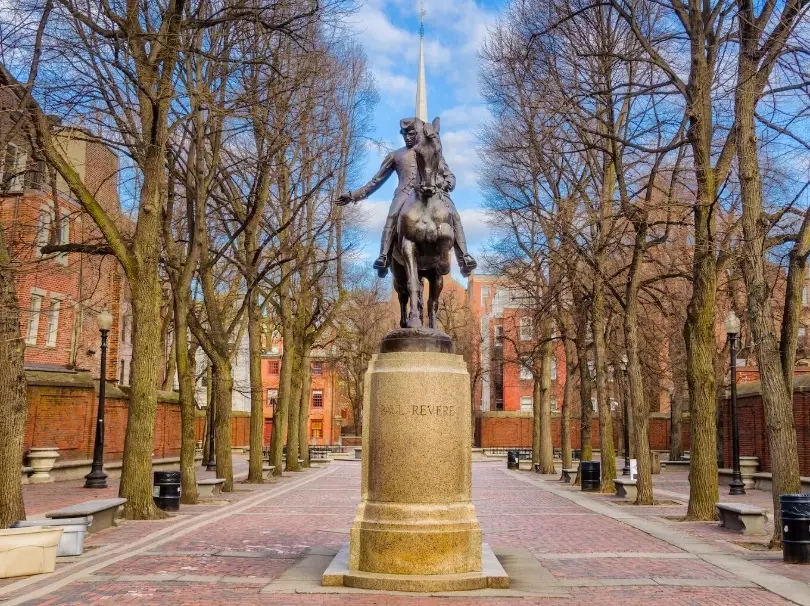
Your Boston Sights Questions, Answered
I only have one day in Boston. What are the absolute can't-miss sights?
Focus on a concentrated area. Walk the Freedom Trail from Boston Common to the Paul Revere House in the North End. This covers the State House, Granary Burying Ground, Old South Meeting House, Faneuil Hall, and more. Have lunch in the North End. Then, take the T to Back Bay, see the Boston Public Garden, and maybe pop into the Boston Public Library's stunning courtyard. You'll get history, culture, and iconic neighborhoods without crisscrossing the city.
What's the biggest mistake tourists make when visiting the Freedom Trail?
Trying to do all 16 sites in one go without context. It becomes a death march. Pick 3-4 interiors that interest you most (e.g., Old State House, Paul Revere House, Old North Church). For the rest, appreciate the exterior and read the plaque. The trail is a timeline—start at the beginning (Boston Common) to feel the story unfold. And for heaven's sake, wear proper walking shoes.
Where can I get the best view of the Boston skyline without paying for a skyscraper?
Two free, spectacular options. First, from the Cambridge side of the Charles River, right by the MIT Sailing Pavilion. You get the full downtown skyline with the river in the foreground. Second, from Piers Park in East Boston. Take the Blue Line to Maverick, walk 10 minutes to the park. You're across the harbor with a panoramic view few tourists see. It's especially magical at sunset.
Is the Boston CityPASS or Go Boston Card worth it for sightseeing?
It depends on your stamina. If you're a museum-and-attraction power user and plan to visit 3-4 major paid sites (like the MFA, Aquarium, Skywalk Observatory) in a short time, the math can work. However, many of Boston's best experiences are free (walking trails, parks, Harvard Yard, Public Library) or low-cost (neighborhood exploring, ferry rides). Calculate the individual entrance fees for your specific plan first. Often, you might save more by just buying tickets to the one or two premium attractions you truly want.
Reader Comments