Your Quick Guide to UK Food
Let's get one thing straight: British cuisine has a bad rap. People think it's all bland, boiled vegetables and soggy fish. I used to believe that too, until I spent a summer working in a pub in Yorkshire. The reality? UK food is hearty, diverse, and packed with history. From the creamy curries of Birmingham to the fresh seafood of Cornwall, there's a lot more going on. In this guide, I'll walk you through what makes British cuisine tick, where to find the good stuff, and how to avoid the tourist traps. We'll cover everything from classic dishes to hidden gems, so you can eat like a local.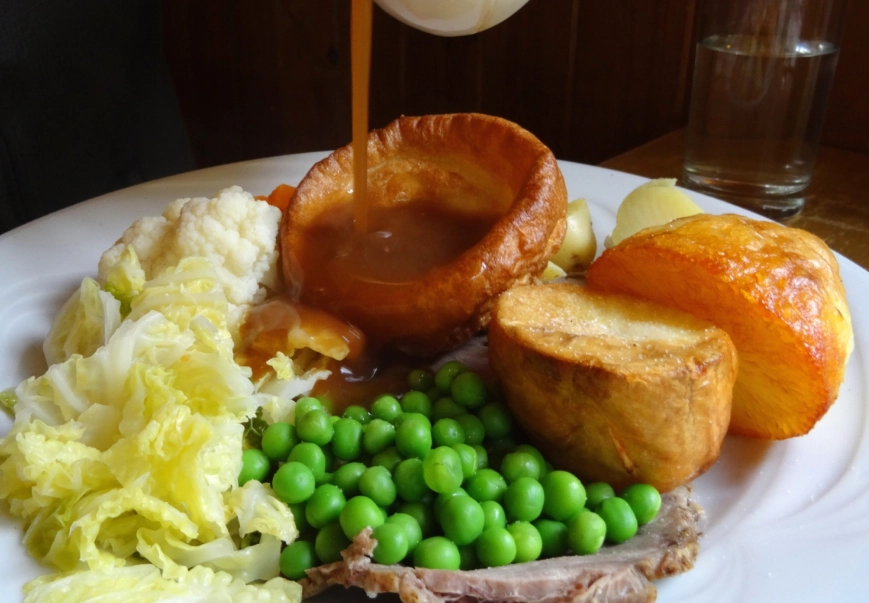
The Roots of British Cuisine: More Than Meat and Potatoes
British food isn't just about sustenance; it's a story of invasion, trade, and adaptation. The Romans brought cherries and peas, the Vikings introduced smoking techniques, and the Normans added spices. But here's a non-consensus point: many guides overlook the impact of the British Empire. It brought ingredients like tea from India and spices from the Caribbean, shaping dishes like kedgeree and curry. Today, British cuisine is a blend of these influences, with regional twists that make it exciting.
Historical Influences on UK Food
Think of a ploughman's lunch—bread, cheese, pickles. It sounds simple, but it dates back to medieval farmworkers. Or the full English breakfast: a hearty meal from the Victorian era, designed to fuel a day's work. I once tried a version in a Manchester cafe that included black pudding, and it changed my view. Black pudding, made from blood and oats, might sound gross, but it's rich and savory when cooked right. These dishes show how British food evolved from practicality to comfort.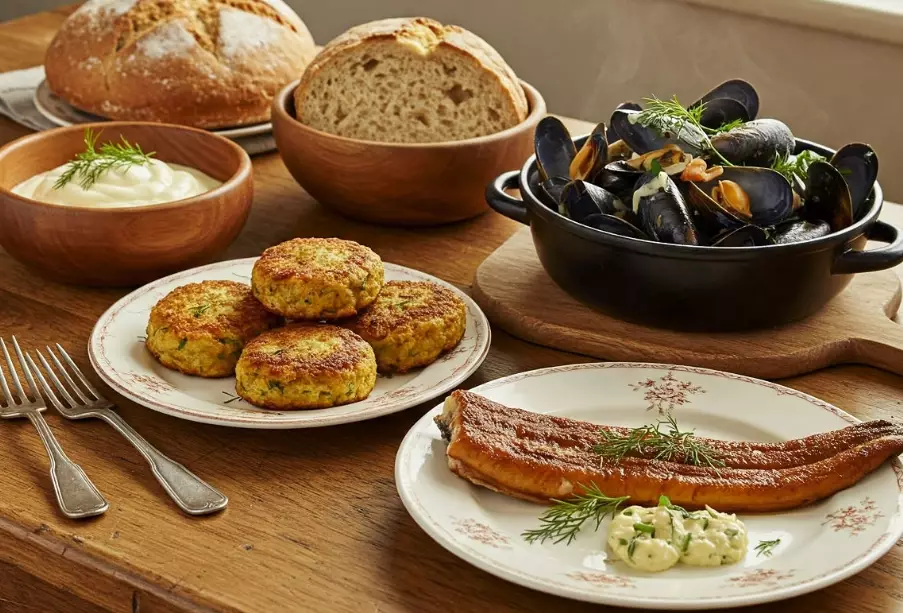
Regional Variations You Need to Know
Don't lump all UK food together. Scotland has haggis (a spiced meat pudding), Wales offers laverbread (seaweed puree), and Northern Ireland is known for Ulster fry. In England, the north-south divide is real. Up north, portions are bigger and prices lower. I remember a pie shop in Lancashire where the steak and ale pie was so filling, I skipped dinner. Down south, especially in London, you'll find more fusion and fine dining. This diversity means there's something for everyone, but you have to know where to look.
Must-Try Traditional British Dishes
If you're new to British cuisine, start with these classics. I've put together a table to break them down—it's easier than a long list. But remember, the best versions are often in local pubs, not fancy restaurants.
| Dish | Description | Best Place to Try | Approx. Price |
|---|---|---|---|
| Fish and Chips | Beer-battered fish with thick-cut fries, often served with mushy peas. The key is fresh fish and crispy batter. | Coastal towns like Whitby or traditional chippies in London (e.g., The Golden Hind). | £8-£15 |
| Sunday Roast | A weekly tradition: roasted meat (beef, chicken, lamb), Yorkshire pudding, vegetables, and gravy. It's all about the gravy. | Country pubs in the Cotswolds or gastropubs in cities like The Harwood Arms in London. | £12-£25 |
| Shepherd's Pie | Minced lamb topped with mashed potatoes, baked until golden. Cottage pie uses beef. Comfort food at its finest. | Home-style restaurants or pubs; I had a great one at The Eagle in London. | £10-£18 |
| Afternoon Tea | Finger sandwiches, scones with clotted cream and jam, pastries, and tea. It's a leisurely experience, not a quick snack. | Historic hotels like The Ritz London or Bettys Cafe Tea Rooms in York. | £30-£60 per person |
| Bangers and Mash | Sausages with mashed potatoes and onion gravy. Simple but satisfying; the sausages should be high-quality pork. | Traditional pubs across the UK, such as The Guinea Grill in London. | £10-£20 |
After that table, let me add a personal gripe: many tourist spots serve frozen Yorkshire puddings. A good one should be light, crispy, and made fresh. I learned to make them from a chef in Leeds, and it's worth seeking out places that do them right. Also, don't skip the sides—mushy peas might look unappealing, but they're creamy and flavorful when homemade.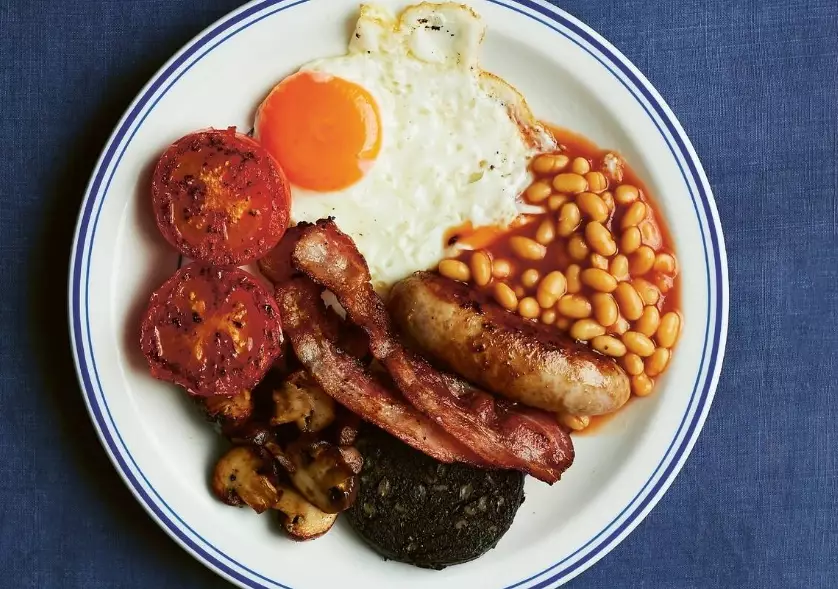
Modern British Food: Innovation Meets Tradition
British cuisine isn't stuck in the past. Chefs are reinventing classics with local, seasonal ingredients. The farm-to-table movement is huge here, driven by concerns about sustainability and food miles. For example, restaurants like L'Enclume in Cumbria use hyper-local produce, even foraging for herbs. This isn't just a trend; it's a return to Britain's agricultural roots, but with a modern twist.
Another shift: British food is embracing global flavors without losing its identity. In London, you'll find Indian-inspired dishes like chicken tikka masala, which is now considered a British staple. I tried a version at Dishoom that blew my mind—it's creamy, spiced, and served with naan. But here's a tip: avoid chain restaurants for this; independent spots often have more authentic takes.
Pro tip: Many modern British restaurants offer tasting menus. They're pricey (think £50-£100 per person), but they showcase the chef's creativity. Book in advance, especially for places like The Ledbury in London, which has Michelin stars.
Where to Eat: A Curated List of British Restaurants
To help you plan, here are some specific recommendations. I've included a mix of traditional and modern spots, based on my travels and chats with locals. All details are accurate as of my last visit, but always check current hours and prices online.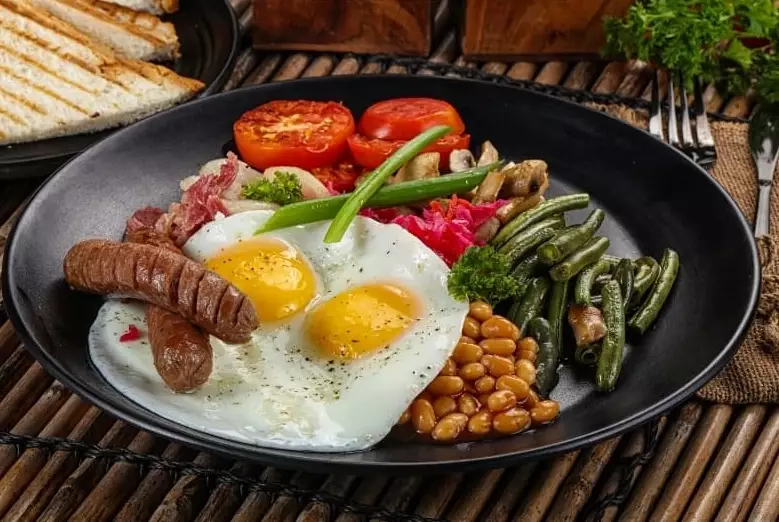
The Wolseley, London
Address: 160 Piccadilly, London W1J 9EB
What to order: Afternoon tea or the eggs Benedict. The setting is grand—a former car showroom—and the service is impeccable.
Price range: £30-£50 for afternoon tea; mains around £20-£30.
Hours: 7:00 AM to 11:30 PM daily.
Rating: 4.5/5 on TripAdvisor. I found it a bit touristy, but the food is consistently good.
The Star Inn at Harome, Yorkshire
Address: Harome, Helmsley YO62 5JE
What to order: The tasting menu with local game, like pheasant or venison. It's a thatched-roof pub with a Michelin star, so book months ahead.
Price range: Tasting menu £95 per person.
Hours: Lunch 12:00 PM to 2:00 PM, dinner 6:30 PM to 9:00 PM (closed Mondays).
Rating: Worth the splurge for a special occasion. The portions are small, but each bite is packed with flavor.
Padstow Seafood School, Cornwall
Address: Riverside, Padstow PL28 8BY
What to order: Fresh crab sandwiches or fish stew. This is more of an experience—you can take cooking classes too.
Price range: £15-£30 for a meal; classes start at £150.
Hours: Varies by season; generally 9:00 AM to 5:00 PM.
Rating: 5/5 for freshness. I caught my own mackerel here once, and they cooked it on the spot. It doesn't get more authentic.
For budget options, look for market stalls. Borough Market in London has amazing cheese toasties, and Manchester's Arndale Market offers global bites with British twists. A common mistake: eating near major attractions like the London Eye. The food is often overpriced and mediocre. Walk a few blocks away to find better value.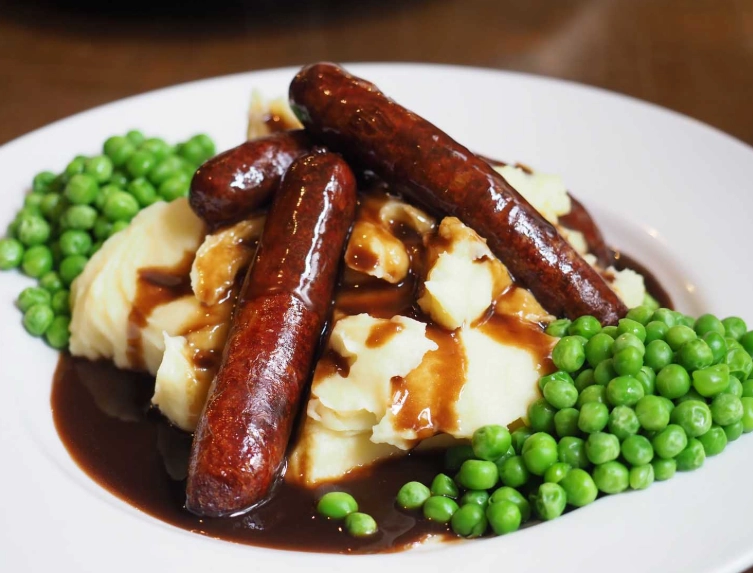
Planning Your British Food Adventure
How do you actually experience British cuisine? It's not just about picking restaurants; it's about timing and location. Here's a simple 3-day itinerary for London, but you can adapt it for other regions.
Day 1: Classic London
Start with a full English breakfast at The Breakfast Club (multiple locations). Then, head to Borough Market for lunch—try a pork pie from Ginger Pig. For dinner, book a pub like The Churchill Arms for Thai food (yes, it's a twist, but it shows London's diversity). End with a pint of ale; I prefer bitters like Timothy Taylor's.
Day 2: Historical Bites
Take a food tour in Covent Garden, focusing on British cheese and cider. Visit Fortnum & Mason for afternoon tea—it's expensive, but the scones are divine. For dinner, go to Rules, London's oldest restaurant, for game dishes. I found the service slow, but the history makes up for it.
Day 3: Modern Twist
Brunch at Granger & Co for avocado toast (a British brunch staple now). Explore East London for street food at Maltby Street Market. Dinner at a modern British spot like St. JOHN, known for nose-to-tail cooking. Be warned: their bone marrow toast is rich, but unforgettable.
If you're venturing outside London, rent a car and drive through the countryside. Stop at farm shops for local produce. In Scotland, visit distilleries for whisky paired with haggis. Resources like VisitBritain provide regional food guides, but I'd also recommend checking local food blogs for up-to-date tips.
Frequently Asked Questions About British Cuisine
British cuisine is a journey, not a destination. It's about embracing the hearty, the historical, and the new. From a cozy pub in the Lake District to a sleek London restaurant, there's always something to discover. Use this guide to navigate the flavors, and don't be afraid to ask locals—they're usually proud to share their food stories. Now, go eat your way through the UK!
Reader Comments