Everyone tells you to go to Orlando for Disney or Miami for South Beach. But if you want a Florida vacation that feels personal, memorable, and not like you're herded through a turnstile, you need to look deeper. The state's magic isn't just in its mega-theme parks; it's in the quiet mangrove tunnels, the historic streets smelling of salt and coffee, and the family-run seafood shacks where the grouper was caught that morning.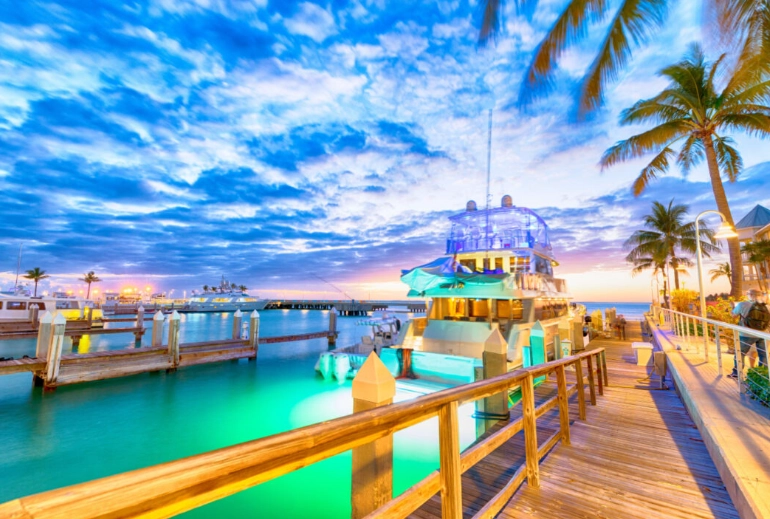
I've been exploring Florida for over a decade, and I still find new corners. The mistake most first-timers make? Trying to cram both coasts into one week. You'll spend half your time driving. Pick a vibe—Atlantic energy or Gulf Coast calm—and dive in.
Your Florida Vacation Quick Guide
- Beyond the Theme Parks: Florida's Diverse Vacation Landscapes
- The Atlantic Coast: Beaches, History, and Glamour
- The Gulf Coast: Sugar-Sand Beaches and Emerald Waters
- Central & Inland Florida: Springs, Wildlife, and Small-Town Charm
- How to Plan Your Florida Vacation: Essential Tips
- Florida Vacation FAQs (Answered by a Local)
Beyond the Theme Parks: Florida's Diverse Vacation Landscapes
Think of Florida in three big slices. The Atlantic side, from Amelia Island down to Miami, has bigger waves, more history, and a faster pace. The Gulf Coast, from the Panhandle to Naples, has those postcard-perfect calm, clear waters and blindingly white sand. Then there's the middle—springs, rivers, and Old Florida towns that most visitors blow right past on I-95.
Your choice depends entirely on what you want your days to feel like. Are you after nightlife and culture? Atlantic. Pure beach relaxation and sunsets? Gulf. A mix of nature and quirky history? Head inland.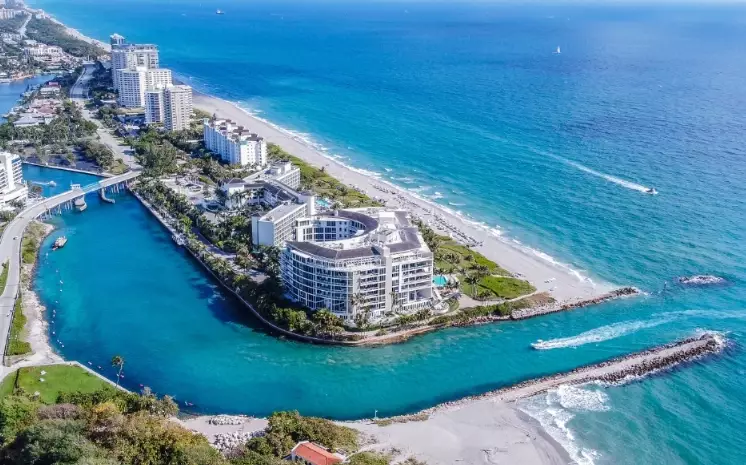
The Atlantic Coast: Beaches, History, and Glamour
This coast has a spine of energy. The water is often a deeper blue, the waves are surfable in places, and the cities have distinct personalities.
St. Augustine: The Historic Gem
America's oldest city. It's not a beach town pretending to be old; it's the real deal. Cobblestone streets, the massive Castillo de San Marcos fort, and ghost stories around every corner. The beaches here (like St. Augustine Beach and Vilano Beach) are wide and less crowded than others down south.
Space Coast: Cocoa Beach & Melbourne
Where space exploration meets surf culture. The drive down A1A here is classic Florida. You can watch a rocket launch from the beach at Kennedy Space Center Visitor Complex, then learn to surf the next morning.
Palm Beach & The Treasure Coast: Quiet Luxury
This stretch, from ritzy Palm Beach down through Vero Beach and Stuart, feels refined and relaxed. It's less about flash and more about understated beauty. The beaches are pristine, and the Intracoastal Waterway is dotted with mega-yachts and charming towns like Jupiter.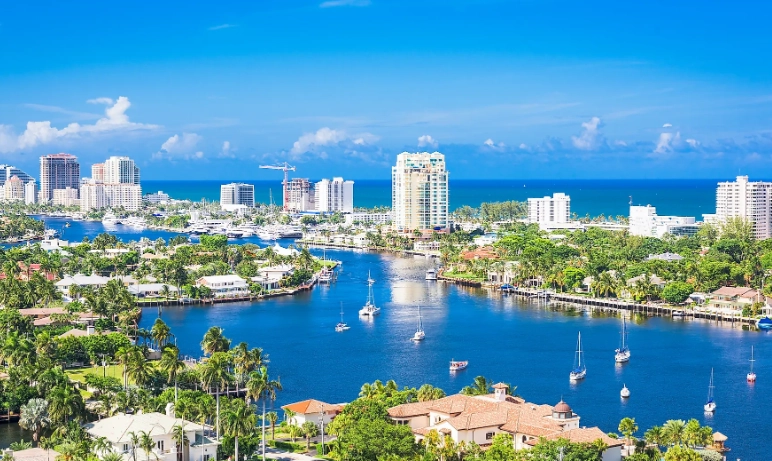
Miami and the Keys: A League of Their Own
Miami is its own beast—a vibrant, pulsing international city with incredible food, art, and people-watching. South Beach is iconic but can be overcrowded and expensive. For a slightly more local beach day, head to Key Biscayne's Bill Baggs Cape Florida State Park.
The drive from Miami to Key West is the real vacation. Don't rush it. Stop in Islamorada to feed tarpon at Robbie's, kayak in Marathon, and watch the sunset at Bahia Honda State Park.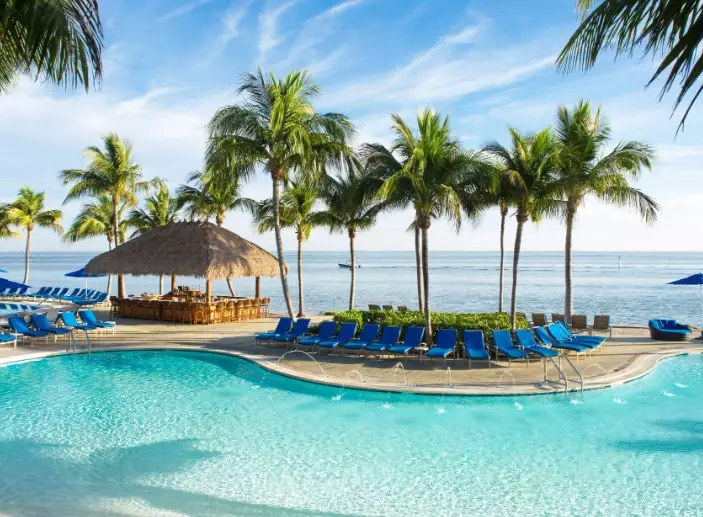
The Gulf Coast: Sugar-Sand Beaches and Emerald Waters
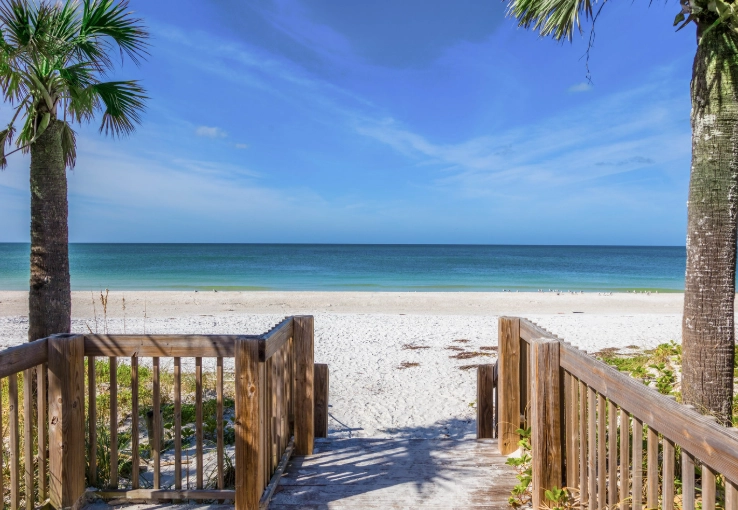
The water here is calm, shallow, and warm. The sand is so white and fine it squeaks under your feet. The pace is slow. Sunsets are a daily event.
Siesta Key & Sarasota
Siesta Key's main beach consistently ranks among the best in the U.S. The quartz sand stays cool even on the hottest days. Sarasota adds a layer of culture with the Ringling Museum of Art and a great downtown food scene.
Naples & Marco Island: Sophisticated Gulf
Upscale, manicured, and beautiful. Naples has high-end shopping on 5th Avenue, stunning beaches, and some of the best golf courses in the state. Marco Island feels more secluded, with great shelling on Tigertail Beach and access to the wild Ten Thousand Islands.
The Forgotten Coast: Apalachicola & St. George Island
This is Old Florida. No high-rises, just small fishing towns, vast wildlife preserves, and empty beaches. St. George Island is a barrier island with a state park on one end that feels like the edge of the world. Apalachicola is famous for its oysters.
Central & Inland Florida: Springs, Wildlife, and Small-Town Charm
If you need a break from saltwater, head to the freshwater springs. The water is a constant 72 degrees, crystal clear, and flows from underground aquifers. It's surreal.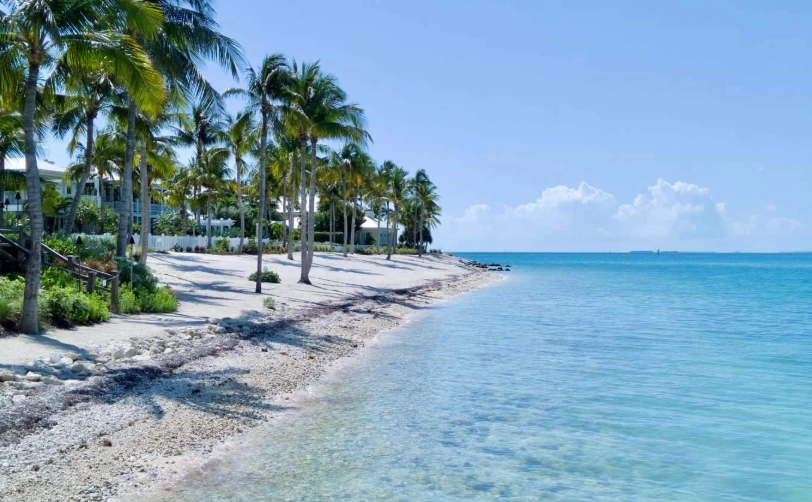
Weeki Wachee Springs State Park: Yes, it's the home of the mermaid show (a wonderfully weird Florida classic), but the real star is the spring-fed river. Rent a kayak and paddle downstream—you'll see manatees in the cooler months and the water is an impossible shade of blue. Kayak rentals fill up, so book online in advance.
Mount Dora: This isn't a spring, but a charming little town on a lake north of Orlando. Antique shops, a great farmer's market, and boat tours on the Dora Canal. It's the perfect day trip if you're in Orlando for the parks but need a dose of calm.
How to Plan Your Florida Vacation: Essential Tips
Renting a car is non-negotiable unless you're only staying in Miami's South Beach or downtown Orlando. Public transport won't get you to the best spots.
Budgeting: Florida can be as cheap or expensive as you make it. Beach towns in peak season (March) will hurt your wallet. Consider a condo with a kitchen to save on meals. State park entrance fees are a bargain for world-class beaches and springs (usually $5-$8 per vehicle).
Packing: Beyond the obvious (swimsuit, sunscreen), bring a reusable water bottle, a sun hat, water shoes (for rocky springs and hot sand), and a light rain jacket—afternoon thunderstorms are common in summer.