You've seen the photos. Turquoise lakes backed by snow-capped peaks, endless boreal forests, and coastlines that go on forever. But finding the prettiest places in Canada isn't just about ticking off famous postcard spots. It's about knowing when to go, how to avoid the crowds that ruin the view, and discovering the quieter corners that most itineraries miss. After a decade of exploring from coast to coast, I've learned that Canada's beauty often lies in the details—the light on the water at a specific hour, a trail just beyond the parking lot, or a season nobody talks about.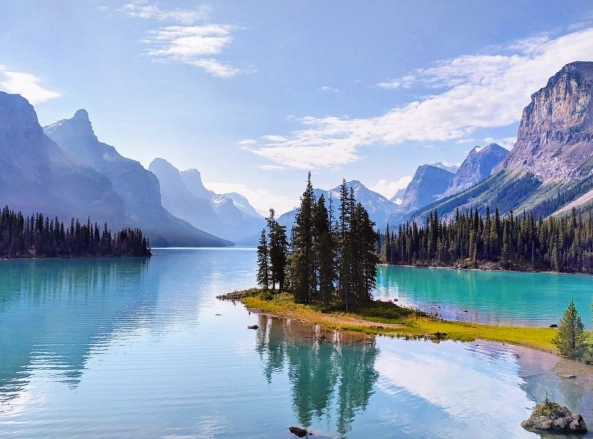
Your Canada Beauty Roadmap
Western Wonders: The Canadian Rockies & Pacific Majesty
Let's start where most people's minds go: the west. This is big landscape country.
Banff & Jasper National Parks, Alberta
Yes, they're famous for a reason. But the biggest mistake? Treating Lake Louise as a quick photo stop. The view from the shore is crowded by 9 AM. The real magic starts on the trails around it.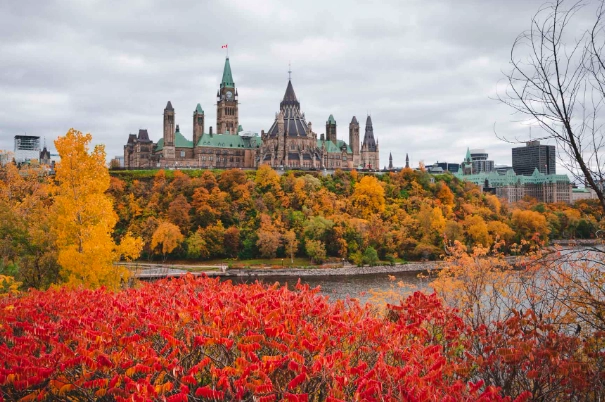
For Moraine Lake (accessible by shuttle only), get a reservation for the first shuttle of the day. Hike the Rockpile for the classic shot, then continue on the Consolation Lakes trail. You'll leave 95% of the crowd behind within 15 minutes.
Key Info - Lake Louise: No private vehicle access to Moraine Lake. Book shuttles via the Parks Canada website months ahead. Lake Louise village has parking, but it fills by sunrise in summer. Consider the park's shuttle from the overflow lot.
Jasper feels wilder than Banff. The Icefields Parkway connecting them is arguably the prettiest drive in Canada. Stop at Peyto Lake (upper viewpoint is better), Athabasca Falls, and the countless unnamed pull-offs.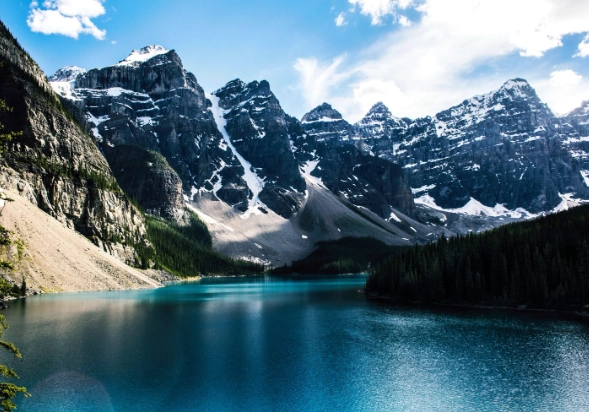
Vancouver Island & the Pacific Coast, British Columbia
This is a different kind of pretty—moody, lush, and powerful. Tofino isn't just for surfers. The vast, misty beaches like Chesterman Beach or Long Beach in Pacific Rim National Park Reserve are for storm watching in winter and serene walks in summer.
Head to the island's interior for Cathedral Grove, an easy walk through ancient Douglas firs that will make you feel very small. For a commitment, the West Coast Trail is a multi-day trek through pristine rainforest and beach.
Back on the mainland, the Sea-to-Sky Highway from Vancouver to Whistler is stunning. Shannon Falls and the Stawamus Chief granite dome are quick, rewarding stops.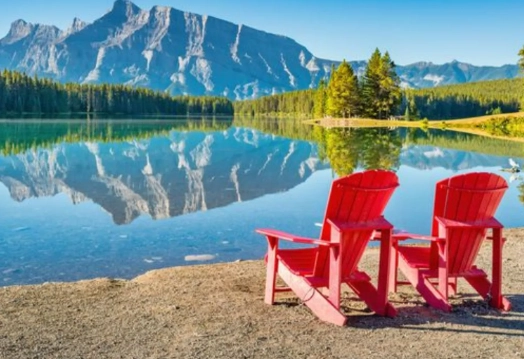
| Western Spot | Best Time for Views | Top Tip Most Miss | Address / Access Point |
|---|---|---|---|
| Moraine Lake, AB | Late June - Sept (shuttle only). Sunrise (if you can). | Hike to Consolation Lakes for solitude. | Moraine Lake Rd, Improvement District No. 9, AB. Shuttle from Park & Ride. |
| Tofino Beaches, BC | Year-round. Summer for sun, Nov-Feb for storm watching. | Check tide charts. Low tide reveals endless hard-packed sand. | Pacific Rim Hwy, Tofino, BC. Access via BC Ferries to Nanaimo + 3hr drive. |
| Icefields Parkway, AB | July - Sept (full access). June & Oct for fewer cars. | Fill gas in Lake Louise or Jasper. No stations on the 232km route. | Hwy 93 N, between Lake Louise, AB and Jasper, AB. |
Central Canada's Charms: Great Lakes & Northern Lights
The prettiness here is more subtle but deeply rewarding.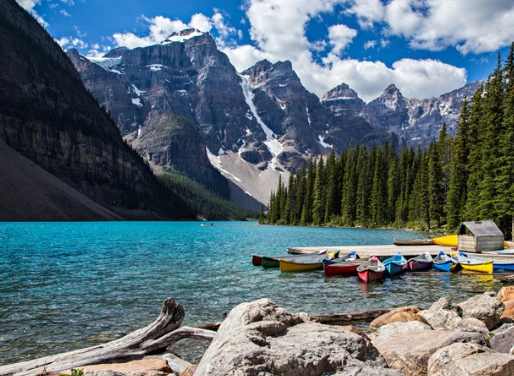
Algonquin Provincial Park & Georgian Bay, Ontario
Algonquin is canoe country. The beauty isn't from a roadside viewpoint; you have to paddle for it. Rent a canoe and spend a day on Canoe Lake or Smoke Lake. The fall colours here are insane—a blanket of red and orange maple leaves. The park's Highway 60 corridor offers accessible lookouts like the Lake of Two Rivers.
Up by Georgian Bay, the landscape shifts to windswept pines and massive pink granite rocks. Killarney Provincial Park has bright white quartzite mountains (the La Cloche Range) and sapphire blue lakes. It's often called "a piece of the Rockies in Ontario."
Churchill, Manitoba & the Auroras
This is pretty in a celestial, once-in-a-lifetime way. Churchill is one of the best places on earth to see the Northern Lights, from January through March. The vast, flat tundra and lack of light pollution create a perfect stage. You can also see polar bears (safely, on a tundra buggy tour) in October-November.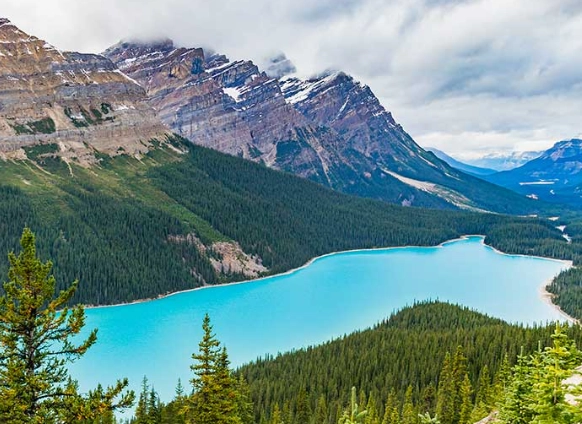
A Local's Gripe: Everyone obsesses over the Rockies (they're great), but sleeping on the Canadian Shield landscape around Ontario's cottage country is a mistake. The mix of clear water, granite, and pine forests has a quiet, calming beauty that's uniquely Canadian and far less crowded.
Eastern Delights: Rugged Coasts & Maritime Magic
The vibe out east is all salt air, colourful villages, and relentless ocean.
Cabot Trail, Nova Scotia
This 300km driving loop on Cape Breton Island is a masterpiece. Drive clockwise for the best cliff-side ocean views. Stop at every pull-off on the western side between Cheticamp and Pleasant Bay. The Skyline Trail is an easy hike ending on a boardwalk over dramatic headlands—you might see whales.
Time your trip for the Celtic Colours festival in October. The hills are on fire with fall colour, and the music in every community hall is magical.
Gros Morne National Park, Newfoundland
This UNESCO site feels prehistoric. The Tablelands are a stark, orange-brown plateau of exposed earth's mantle—rocks from deep below the crust. It's eerie and beautiful. Take a boat tour on Western Brook Pond, a landlocked fjord with billion-year-old cliff walls and waterfalls. The sheer scale is hard to process.
Newfoundland's beauty is raw and often shrouded in fog, which just adds to the atmosphere. The villages like Trout River are postcard-perfect.
Key Info - Gros Morne: The boat tour on Western Brook Pond requires a 3km flat walk from the parking lot to the dock. Book tickets online in advance. The Tablelands can be explored on a guided walk or a short trail on your own.
The Practical Beauty-Hunter's Guide
Seeing these places requires a bit of strategy. Here's what I've learned the hard way.
Timing is Everything (For Photos and Sanity)
Sunrise is your best friend for two reasons: magical light and no people. At places like Lake Louise, the difference between 7 AM and 10 AM is the difference between a spiritual experience and a crowded sidewalk.
Shoulder seasons (late May-June, September-early October) beat peak summer every time. Fewer crowds, cheaper accommodation, and often more dramatic weather. Just check for seasonal closures.
How to Get Around Without the Stress
In the Rockies, you need a car. But use the shuttles where offered—they save the headache of parking. For the Cabot Trail or Vancouver Island, a car is non-negotiable.
Book rental cars far in advance, especially for summer. I've seen people stuck at Calgary airport because they thought they could book on arrival.
For a unique view, consider a train. VIA Rail's Canadian from Toronto to Vancouver (or a segment of it) shows you the vast, beautiful Canadian Shield and prairies you can't see from the highway.
Where to Stay: Proximity vs. Value
Staying inside national parks (Banff, Jasper, Gros Morne) is expensive but lets you hit the trails at dawn before day-trippers arrive. The alternative is staying in gateway towns like Canmore (near Banff) or Corner Brook (near Gros Morne). You'll drive more but have more dining and budget options.
In peak season, book accommodations the day reservations open, often 3-6 months ahead.
Reader Comments