Italy has more iconic destinations than you can shake a breadstick at. Trying to pick the top places to visit feels impossible—every corner seems to have a UNESCO site, a masterpiece, or a life-changing plate of pasta. After more trips than I can count, I've narrowed it down to the essentials. These are the spots that give you the full, glorious, chaotic, and delicious picture of Italy. We're talking ancient history, Renaissance art, coastal drama, and villages that look like postcards. Forget just ticking off a list. Let's talk about how to actually experience these places.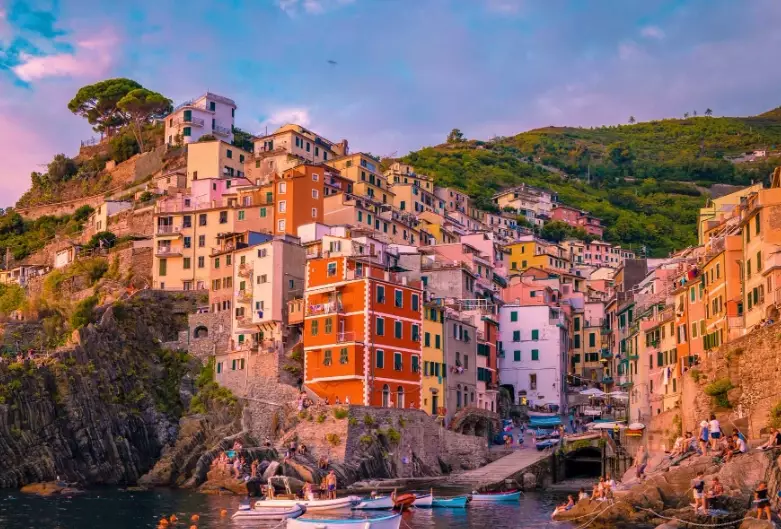
Your Italy Trip Quick Navigation
Rome: Where Ancient History Meets Modern Life
Rome isn't a museum; it's a living, breathing city built on layers of history. You'll be sipping espresso next to a 2,000-year-old column. The energy is relentless.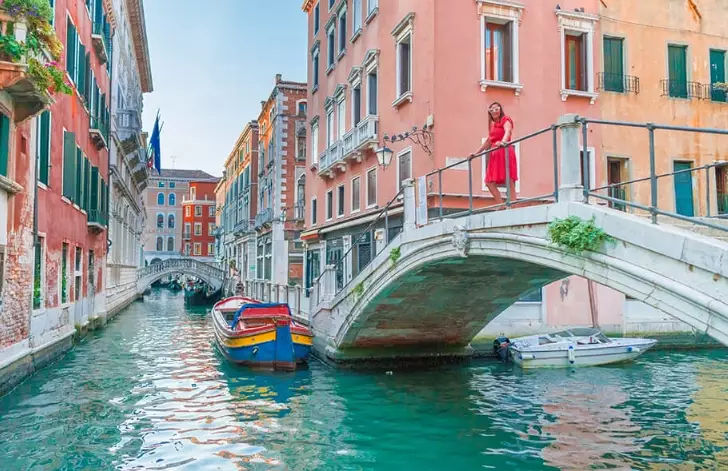
Must-See Sights in Rome (And How to See Them Right)
The Colosseum, Roman Forum, and Palatine Hill are your non-negotiable ancient core. Here's the mistake most first-timers make: they buy a basic ticket for just the Colosseum and rush through the Forum. The Palatine Hill, included in the same ticket, is often treated as an afterthought.
Big error. The Palatine offers the best views over the Forum and a sense of where Rome's emperors lived. Spend time up there.
- Colosseum/Forum/Palatine Ticket: €18 (full) + €2 online booking fee. This is the standard "Full Experience" ticket valid for 24 hours. You must book online in advance on the official Coop Culture site. Walk-up lines are brutal.
- Address: Piazza del Colosseo, 1. Metro B line, Colosseo station.
- Hours: Vary by season. Typically opens at 8:30 AM, last entry varies. Closes around 4:30 PM in winter, 7:15 PM in summer. Closed Jan 1, Dec 25.
- Pro Tip: Book the first slot of the day. Enter the Forum/Palatine gate first (near the Arch of Titus), not the Colosseum gate. Crowds are thinner, and you can walk down into the Forum from the Palatine, which feels more historically chronological.
The Vatican Museums and St. Peter's Basilica are a separate day. Book a "Prime Experience" early entrance ticket for the Museums if you hate crowds. Sistine Chapel fatigue is real—it's at the very end of a long, crowded route.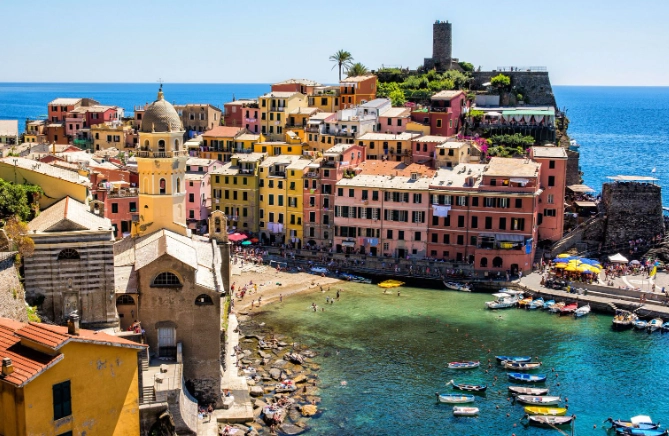
Florence: The Cradle of the Renaissance
Florence is dense. Everything you want to see is within walking distance, which is both a blessing and a curse—the historic center gets packed. The key here is to book major attractions and then get lost in the Oltrarno district, across the Arno River.
Art and Architecture You Can't Miss
The Uffizi Gallery and the Accademia Gallery (home to Michelangelo's David) require advance reservations. Don't even think about winging it. The official website is often frustrating; reputable third-party sites like GetYourGuide or Tiqets are worth the small markup for sanity.
The Duomo complex (Cathedral, Brunelleschi's Dome, Baptistery, Bell Tower) requires separate tickets for climbing the dome or the bell tower. The basic "Brunelleschi Pass" (€30) covers everything. Book a dome climb time slot when you purchase. The view is worth the 463 steps.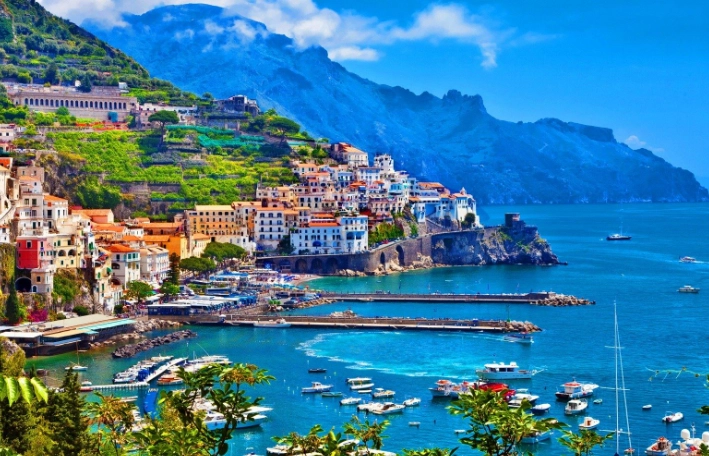
Most people cluster around the Ponte Vecchio. Walk 5 minutes further to the Ponte Santa Trinita for a perfect photo of the older bridge with fewer selfie sticks.
Venice: A City Built on Water
Venice is a logistical dream and a sensory overload. There are no cars. Your map app will fail you. Embrace it. The goal is to experience the magic before the day-tripper crowds swamp St. Mark's Square (Piazza San Marco).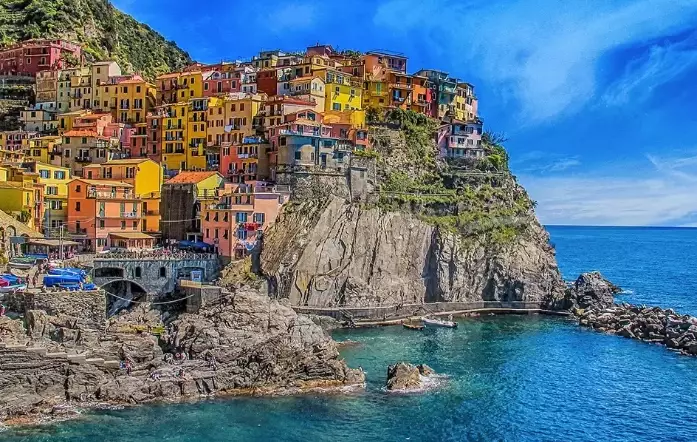
Navigating the Canals and Campi
The vaporetto (water bus) is your friend. A single ticket is €9.50. If you're staying more than a day, a travel card (24h/48h/72h) pays off. Line 1 is the slow, scenic route along the Grand Canal. Use it for sightseeing, not efficiency.
St. Mark's Basilica has free entry, but the line is epic. Book a free timed entry slot online to skip the queue (a small €3 reservation fee applies). For the Doge's Palace, book a combined ticket with the Basilica or a "Secret Itineraries" tour to see the prisons and administrative rooms.
For food, avoid the tourist menus around San Marco. Walk into the Cannaregio or Dorsoduro districts. Look for a "bacaro" (a small wine bar) for cicchetti (Venetian tapas) and an ombra (a glass of wine).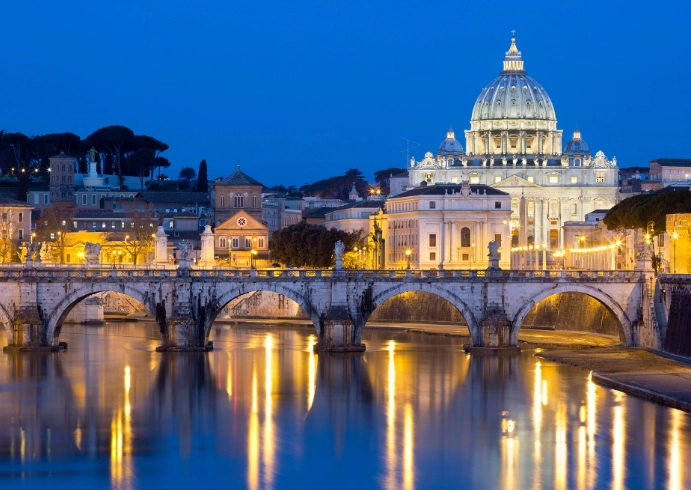
The Cinque Terre: Five Colorful Villages on the Cliffs
This isn't one place; it's five (Monterosso al Mare, Vernazza, Corniglia, Manarola, Riomaggiore). The charm is hiking the coastal paths between them and taking the local train. It's managed as a national park, and overtourism is a real issue. Visiting responsibly is key.
Hiking vs. Training Between Villages
The famous coastal Sentiero Azzurro (Blue Trail) is often partially closed for maintenance. Check the Parco Nazionale delle Cinque Terre website for current status. The most reliable and scenic open section is between Vernazza and Monterosso (about 90 minutes, challenging).
The Cinque Terre Treno MS Card is your best bet. It covers unlimited train travel between all five villages (on the regional train) and includes park entrance for the hiking trails. A 1-day card is €18.20. The train is frequent and takes 3-5 minutes between villages.
Corniglia is the only village not at sea level—it sits atop a cliff. You have to climb 382 steps from the station or wait for a shuttle bus. It's the quietest of the five.
The Amalfi Coast: La Dolce Vita by the Sea
Dramatic cliffs, pastel villages, and lemon groves. It's as stunning as the pictures, but the roads are narrow, winding, and clogged with traffic in summer. Your choice of base defines your experience.
Choosing Your Base: Sorrento, Positano, or Amalfi?
- Sorrento: More affordable, bigger, on a cliff but not directly on the famed coast. A great transport hub with train connections to Naples and Pompeii. Ferries go to Capri and the coast.
- Positano: The poster child. Incredibly vertical, stunning, and the most expensive. Everything involves stairs. Best for a splurge and if you plan to stay put and enjoy your hotel view.
- Amalfi (town): The historic namesake. More of a "town" feel than Positano, with a beautiful cathedral. A central point for buses.
The SITA Sud buses run along the SS163 coastal road connecting all towns. In peak season, they are packed and slow. The ferry is a far more pleasant (and scenic) way to travel between Positano, Amalfi, and Sorrento, weather permitting.
Don't miss Ravello, a town high above Amalfi. It's quieter, with stunning gardens at Villa Cimbrone and Villa Rufolo. The bus from Amalfi takes about 25 minutes.
How to Plan Your Italy Trip: Beyond the Top Places
Stringing these top places together requires strategy. Rome, Florence, and Venice form the classic "Golden Triangle," easily connected by high-speed rail. Adding Cinque Terre or the Amalfi Coast requires more time and logistical hops.
Here’s a non-consensus take: Consider skipping Venice if you have less than 7 days. It's logistically isolated and deserves time to appreciate its unique rhythm. Rushing there for a day-trip from Florence (a 4+ hour round-trip train journey) leaves you exhausted and only seeing the crowded parts.
Instead, from Florence, take a day trip to a Tuscan hill town like Siena or San Gimignano. You'll get a medieval village experience without the extreme logistics.
If you're set on the coast, choose one: Cinque Terre or Amalfi. They offer a similar vibe (cliffside villages) but are on opposite sides of the country. Trying to do both in one trip means too much transit time.
According to the Italian National Tourist Board, the average international tourist spends about 7 nights in Italy. Be realistic. Depth over breadth almost always leads to a better trip.
Reader Comments