Italy isn't just a country; it's a feeling. It's the smell of espresso mingling with ancient stone, the golden light hitting a Renaissance fresco, and the simple, profound joy of a perfect plate of pasta. But with so many iconic cities, picturesque coastlines, and hilltop villages, planning your Italian journey can feel paralyzing. Do you chase the classics in Rome and Florence, or lose yourself in the coastal charm of the Amalfi Coast? The truth is, you don't have to choose just one type of experience. This guide cuts through the noise. We'll map out the essential destinations, sprinkle in less-trodden gems, and give you the concrete, practical details—ticket prices, train tips, timing tricks—to build a trip that feels uniquely yours, not a carbon copy of a generic tour.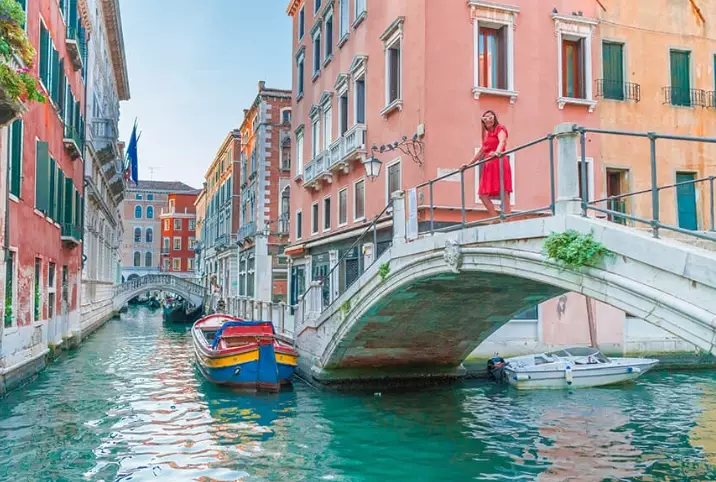
Your Italy Travel Blueprint
How to Plan Your Italy Trip: Essential Tips
Before we dive into destinations, let's talk strategy. A little planning goes a long way in avoiding the classic tourist frustrations.
Timing is Everything (And It's Not Always Spring)
Everyone says go in April-May or September-October. They're right about the weather, but wrong about the crowds. These are now the peak shoulder seasons, packed with tourists. For a genuine local feel with decent weather, consider late March or early November. Yes, it might drizzle, but you'll have the Uffizi to yourself. July and August? I advise against it for first-timers. The heat in cities is oppressive, coastal areas are jammed, and prices peak.
Getting Around: Train vs. Car
The train network, especially the Frecciarossa high-speed trains between major cities (Rome-Florence-Venice-Milan), is efficient, fast, and stress-free. Book tickets in advance on Trenitalia or Italo for the best fares. A car is a liability in cities but becomes a freedom machine in regions like Tuscany, Umbria, or Puglia. Rent one only for the rural part of your trip.
Pro Tip Everyone Misses: City tourist taxes. Almost every Italian city charges a per-night, per-person tourist tax (€3-€7) not included in your online booking. Have some cash set aside to pay this at your hotel or B&B upon checkout.
Accommodation: Location Trumps Luxury
In historic centers like Rome or Florence, prioritize being within a 20-minute walk of the major sites. Saving €50 a night for a hotel near the train station often means wasting hours and euros on transport. For a more local experience, look for "agriturismi" (farm stays) in the countryside. Websites like Agriturismo.it are great for this.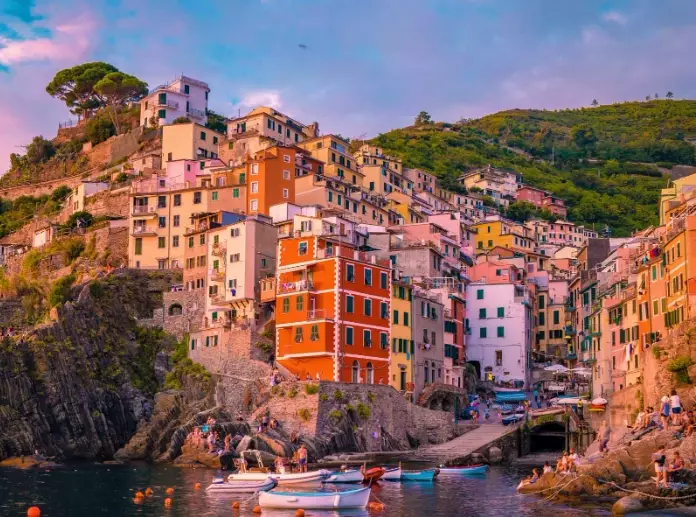
What Are the Must-Visit Places in Italy?
This isn't just a list; it's a breakdown of what each place offers and who it's for. Think of Italy in layers: the blockbuster cities, the dramatic coasts, and the serene countryside.
The Iconic Cities: Rome, Florence, Venice
You likely have these on your list. Here’s how to tackle them smartly.
Rome (Roma): It’s sprawling and chaotic. Don't try to "do" it all. Focus. The ancient core (Colosseum, Roman Forum, Palatine Hill) needs a full day. Book a "Full Experience" ticket online (€24 + booking fee) that includes the arena floor and upper tiers. Entry is via timed slots—choose the first one at 9 AM to beat the heat and crowds. The Vatican Museums and Sistine Chapel are a separate world. Book a skip-the-line ticket with an official guide from the Vatican Museums website. The general admission is €20. Pro tip: Visit on a Friday evening in summer for a less crowded, magical experience.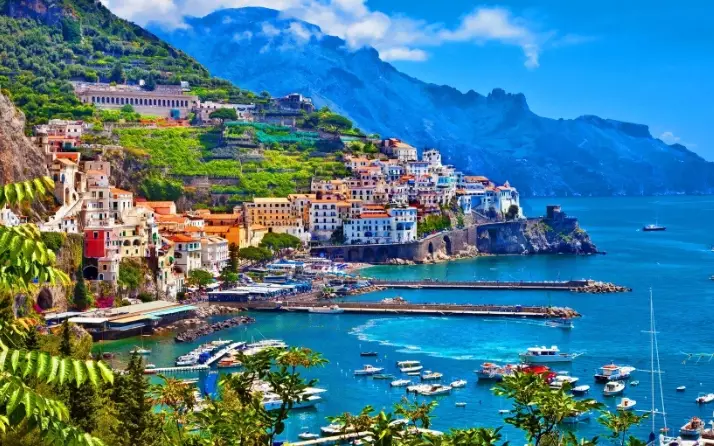
Florence (Firenze): This is a walking museum. The Duomo complex (Cathedral, Brunelleschi's Dome, Baptistery) requires separate tickets—get the combo pass. The Uffizi Gallery houses Botticelli's "Birth of Venus." Pre-book or you'll queue for hours. My personal favorite, often overlooked, is the Bardini Garden for a stunning, quiet view of the city. Florence is also your base for Tuscan day trips (more on that later).
Venice (Venezia): The mistake most make is staying only near San Marco. Stay in Dorsoduro or Cannaregio for a more residential vibe. Get a vaporetto (water bus) travel card for 24/48/72 hours. It’s worth it. St. Mark's Basilica is free, but you need a (free) online reservation for a timed entry slot. The Doge's Palace ticket (€30) often includes entry to other civic museums. Wander. Get lost. That's the point.
The Breathtaking Coast: Amalfi & Cinque Terre
These are not interchangeable. The Amalfi Coast is about glamour, dramatic cliffs, and lemon groves. Base yourself in Sorrento (more affordable, great transport hub) or Positano (the iconic, expensive postcard). The SITA buses along the coast are crowded; consider ferries for a scenic, smoother ride between towns.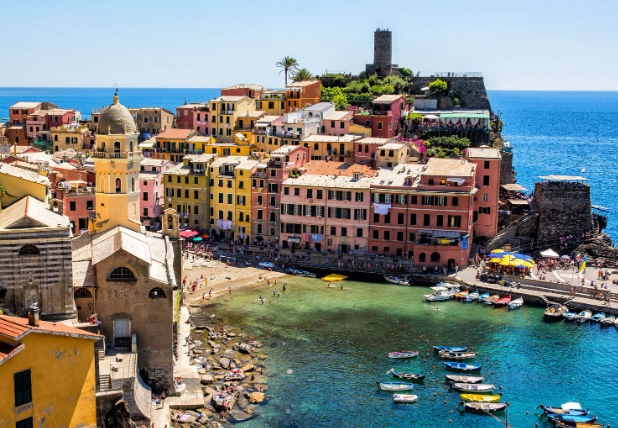
The Cinque Terre is about colorful fishing villages linked by hiking trails. It's more rugged. The Cinque Terre Trekking Card or the train card is essential. Stay in Manarola or Vernazza. A critical piece of advice: These places are overwhelmed with day-trippers. To experience their magic, you must stay overnight. The evenings and early mornings, when the day crowds leave, are utterly transformative.
The Soulful Countryside: Tuscany & Umbria
This is where you breathe. Renting a car is non-negotiable here.
Val d'Orcia, Tuscany: Think of those rolling hill, cypress-tree landscapes. Towns like Pienza (perfect Renaissance town, famous for pecorino cheese), Montalcino (home of Brunello wine), and Montepulciano (for Vino Nobile) are the highlights. Spend a night at an agriturismo here—it’s the core of the Italian "dolce vita" fantasy.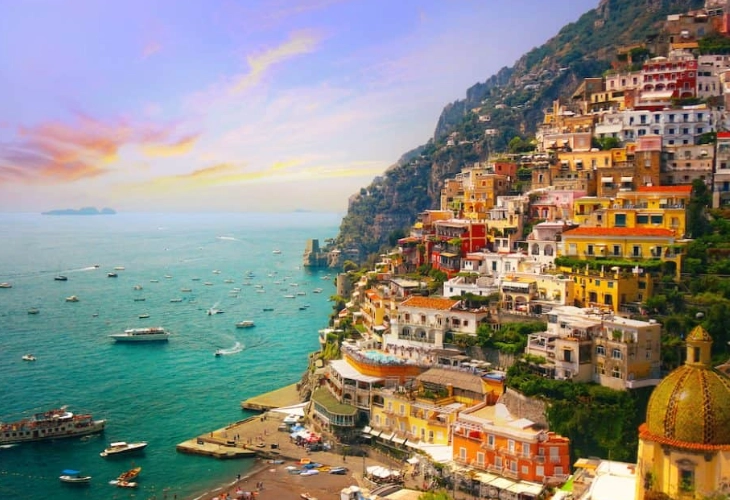
Umbria: Called "Tuscany's less-crowded sister," it's greener and more medieval. Assisi is spiritually significant and stunning. Orvieto, perched on a tufa cliff, has one of Italy's most magnificent cathedrals and fascinating underground caves to tour.
Crafting Your Route: A 10-Day Italy Itinerary Example
Here’s a balanced, action-packed yet realistic classic route combining city, coast, and country. This assumes you're flying into Rome (FCO) and out of Florence (FLR) or vice-versa.
| Day | Base | Highlights & Activities | Travel Notes |
|---|---|---|---|
| 1-3 | Rome | Colosseum & Roman Forum, Vatican City, Trevi Fountain, Pantheon, Trastevere dinner. | Get a Roma Pass for days 2-3 if visiting multiple paid sites. Use metro and walk. |
| 4 | Rome → Coast | Morning train to Naples (1h10), transfer to Sorrento via Circumvesuviana train (1h). Settle in, explore Sorrento. | Pick up your pre-booked rental car in Sorrento on the morning of Day 5. |
| 5 | Amalfi Coast | Scenic drive to Positano (parking is expensive!), Amalfi town, Ravello gardens. Overnight Sorrento. | Driving the SS163 coast road is challenging. Go early, be patient. |
| 6 | Coast → Tuscany | Drive north (4-5 hrs) to Val d'Orcia. Stop in Montepulciano for lunch and wine tasting. | Long drive day. Consider a stop in Siena if time allows. |
| 7 | Tuscany | Explore Pienza, visit a farm for pecorino, relax at your agriturismo, sunset views. | This is a chill day. No rushing. |
| 8 | Tuscany → Florence | Morning in Montalcino, drive to Florence (2 hrs), drop car at airport or city depot. | Return car before entering Florence's Limited Traffic Zone (ZTL) to avoid huge fines. |
| 9-10 | Florence | Uffizi Gallery, Duomo climb, Ponte Vecchio, Pitti Palace/Boboli Gardens, day trip to Pisa or Chianti. | Book all museum tickets in advance. Florence is very walkable. |
This itinerary is intense. For a first trip, it's a fantastic overview. If you have 14 days, add 2 nights in Venice at the start and 2 nights in Cinque Terre between Days 5 & 6.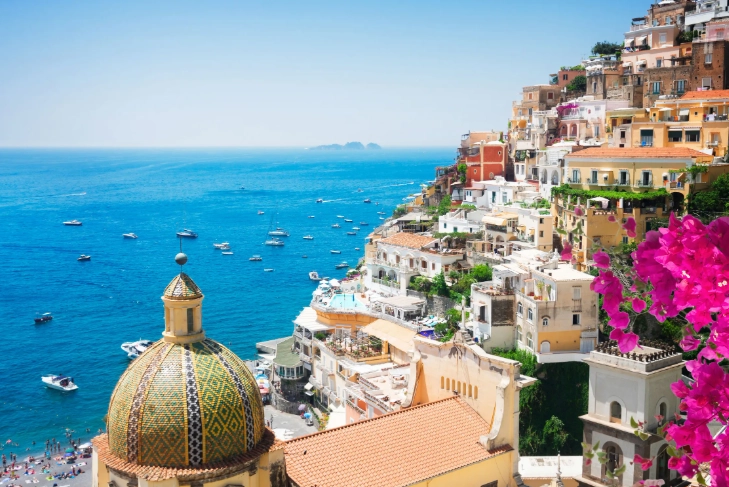
Italy Travel FAQs: Your Questions Answered
What’s the single biggest mistake first-time visitors make in Italy?
Trying to see too much too quickly. "If it's Tuesday, this must be Venice" is a recipe for burnout. Italy rewards slow travel. Pick two, maybe three bases for a 10-day trip and explore deeply from there. Rushing from one iconic site to the next means you miss the atmosphere—the morning market, the passeggiata (evening stroll), the long lunch at a family-run trattoria. Depth beats breadth every time.
I want to avoid the worst crowds. What’s a specific, tactical tip?
Reverse your daily schedule. Most tour groups operate from 9:30 AM to 4:30 PM. Have a big breakfast, then visit a major site right at opening (8:30/9 AM). By noon, when the crowds peak, leave. Have a long, leisurely lunch. Use the hot afternoon hours for a siesta, shopping, or visiting a less popular church or garden. Then, go back to the popular areas around 5 PM. The light is beautiful, the day-trippers are leaving, and you can enjoy the ambiance. This works wonders in Florence and Rome.
Is it realistic to see the Amalfi Coast and Cinque Terre on one trip?
Logistically, yes—but I wouldn't recommend it for a trip under two weeks. They are on opposite coasts and both require significant travel time to reach. More importantly, they offer a similar core experience (coastal beauty). You’ll get diminishing returns. Choose one coastal region and enjoy it fully. Pair it with the contrasting experiences of a major city and the countryside for a more rounded and less stressful trip.
How much should I budget per day for Italy?
This varies wildly, but for a comfortable mid-range experience (nice B&B/hotel, eating at sit-down restaurants for lunch & dinner, visiting paid attractions, using trains), budget €150-€250 per person per day, excluding long-distance flights. Budget travelers can manage on €80-€120 by staying in hostels, eating pizza al taglio and picnic lunches, and focusing on free sights. Luxury travelers can easily spend €400+. Remember, southern Italy and the countryside are generally cheaper than Venice, Milan, or the Amalfi Coast.
Do I need to speak Italian?
No, but learning a few phrases transforms your experience. A simple "Buongiorno" (good day), "Per favore" (please), "Grazie" (thank you), and "Un caffè, per favore" goes a very long way. It shows respect. English is widely spoken in tourist areas, but in rural towns and smaller trattorias, a phrasebook or translation app will be your best friend. Italians appreciate the effort immensely.
The best places to visit in Italy are the ones that speak to your personal travel style. Whether you're drawn to Renaissance art, Roman history, coastal vistas, or vineyard-dotted hills, Italy has a region that feels like it was made for you. Use this guide as a starting point, mix and match the destinations that excite you most, and remember the golden rule: slow down. Let Italy happen to you. That’s when the real magic begins.
Reader Comments