Your Tokyo Adventure at a Glance
Tokyo is a city that never sleeps, but it also never stops surprising you. I’ve spent years exploring its nooks and crannies, and let me tell you, the standard tourist trail only scratches the surface. Whether you’re into ancient temples, futuristic tech, or food that’ll make your taste buds dance, Tokyo has something for everyone. This guide cuts through the noise to give you the real deal on things to do in Tokyo Japan—based on personal experience, not just recycled lists.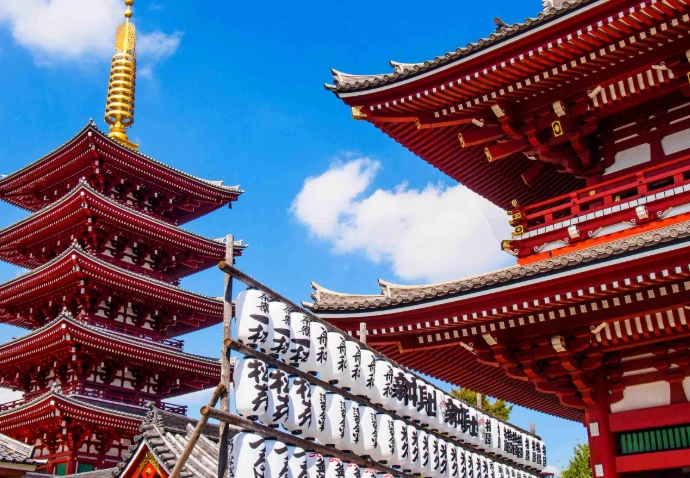
Top Must-Visit Attractions in Tokyo
You can’t visit Tokyo without hitting a few iconic spots. But here’s the catch: everyone else is doing the same thing. I’ll show you how to enjoy them without the headache.
Senso-ji Temple: Tokyo's Oldest Temple
Located in Asakusa, Senso-ji is a must-see. The Kaminarimon Gate is stunning, but the temple grounds get packed by 10 AM. My advice? Go at sunrise. The light is magical, and you’ll have the place almost to yourself. Address: 2-3-1 Asakusa, Taito City, Tokyo 111-0032. It’s free to enter, open 24/7 for the outer grounds, with the main hall from 6 AM to 5 PM. Take the Ginza Line to Asakusa Station.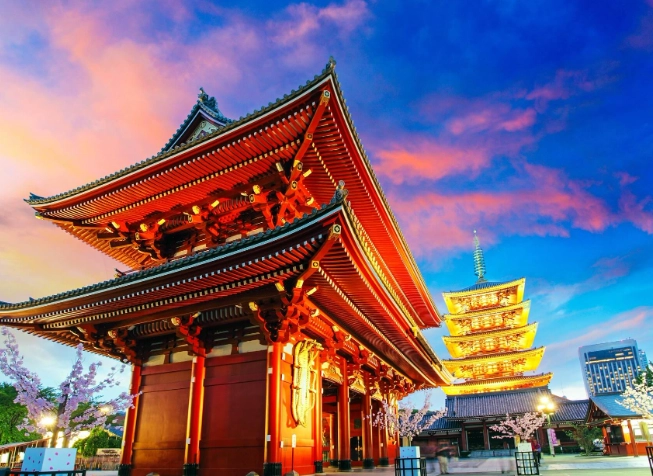
Shibuya Crossing: The World's Busiest Intersection
Yes, it’s chaotic, but crossing Shibuya Scramble is a rite of passage. For the best view, head to the Starbucks in the Tsutaya building—it’s always crowded, so try the MAG’s Park rooftop instead (fee: around 500 yen). I once got stuck in the middle during rush hour; it was overwhelming but oddly exhilarating. Nearby, don’t miss Hachiko Statue, a tribute to the loyal dog.
Pro tip: Many tourists rush to Shibuya at night, but the morning crossing has a different vibe—fewer people, better photos. Trust me on this.
Here’s a quick comparison of top attractions to help you prioritize:
| Attraction | Location | Best Time to Visit | Cost (Approx.) | Why It’s Worth It |
|---|---|---|---|---|
| Senso-ji Temple | Asakusa | Early morning | Free | Rich history, free entry |
| Shibuya Crossing | Shibuya | Morning or late evening | Free (viewpoints may charge) | Iconic urban experience |
| Tokyo Skytree | Sumida | Weekday afternoon | 2,100 yen for observatory | Stunning city views |
| Meiji Shrine | Shibuya | Mid-week | Free | Peaceful oasis in the city |
Hidden Gems and Local Experiences
If you want to see Tokyo like a local, skip the crowds and explore these spots. I stumbled upon Yanaka Ginza by accident years ago, and it’s still my favorite escape.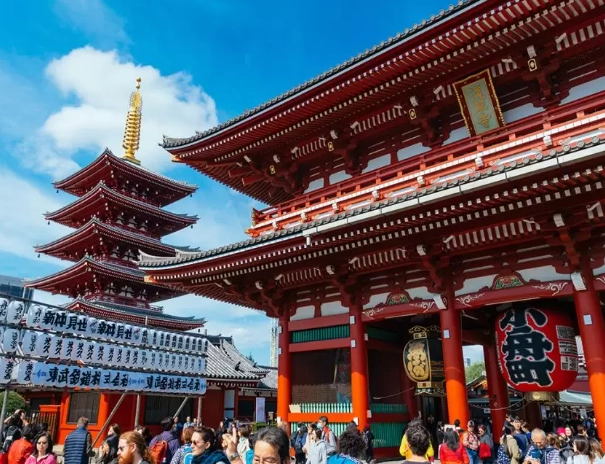
Yanaka Ginza is a retro shopping street in the Yanaka area. Think old-school snacks, craft shops, and zero tourist buses. It’s accessible via the Chiyoda Line to Sendagi Station. Wander around—you’ll find temples like Tenno-ji that are quieter than Senso-ji.
Another gem is Kagurazaka. This area feels like a slice of Paris in Tokyo, with cobblestone streets and French bakeries, but also traditional izakayas. Visit in the evening; the lanterns light up, and it’s perfect for a relaxed stroll. I once spent an entire afternoon here just people-watching.
Honestly, some hidden spots are overhyped online. Shimokitazawa, for instance, is now packed with tourists. Go to Koenji instead for vintage shops and a more authentic vibe.
Food and Dining in Tokyo
Tokyo’s food scene is legendary, but it’s easy to fall into tourist traps. Let’s break it down.
For ramen, skip the famous chains and try a local shop like Menya Musashi in Shinjuku. Address: 2-14-3 Shinjuku, Shinjuku City. It’s cash-only, with bowls from 900 yen. Open 11 AM to 10 PM. The broth is rich, and the noodles have the perfect chew.
Sushi? Tsukiji Outer Market is still great despite the inner market moving. Go early for fresh tuna, but avoid the long lines at popular stalls—smaller vendors offer similar quality. I prefer Sushi Dai alternatives like Daiwa Sushi; the wait is shorter.
Street food in Tokyo is underrated. Try taiyaki (fish-shaped cakes) from street stalls in Asakusa, or visit an izakaya in Shinjuku’s Omoide Yokocho. It’s cramped and smoky, but that’s part of the charm. Order yakitori and a beer—you’ll thank me later.
Here’s a quick list of must-try foods with spots:
- Ramen: Ichiran is okay, but for depth, hit up local joints in Ikebukuro.
- Sushi: Conveyor belt sushi like Genki Sushi is fun and affordable (around 150 yen per plate).
- Tempura: Tenkaippin in Roppongi—crispy, not oily. Prices start at 1,200 yen.
Practical Travel Tips for Tokyo
Tokyo’s logistics can trip up even seasoned travelers. Here’s what you need to know.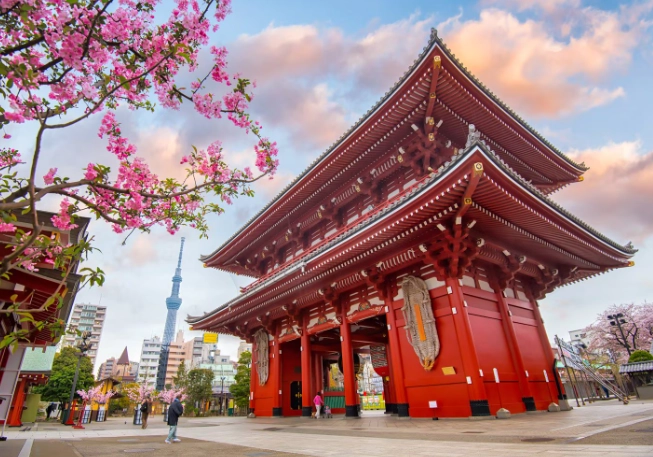
How to Navigate Tokyo’s Public Transport Like a Pro
The subway system is efficient but confusing. Get a Pasmo or Suica card—they work on trains and buses. Download the Japan Travel by Navitime app; it’s a lifesaver for real-time routes. Avoid rush hour (7-9 AM and 5-7 PM) unless you enjoy being sardined. I learned this the hard way on the Yamanote Line.
Accommodation: Where to Stay in Tokyo
Shinjuku is central but noisy. For a quieter stay, try Shibuya or Meguro. Budget options include capsule hotels like Nine Hours (from 4,000 yen/night), but book early. For mid-range, APA Hotels are everywhere—clean, small rooms. Luxury? The Park Hyatt in Shinjuku (from 50,000 yen/night) offers iconic views.
Money tip: Many places are cash-only, especially small restaurants and temples. Withdraw yen from 7-Eleven ATMs—they accept foreign cards and have English menus.
How to Plan Your Tokyo Itinerary
Don’t try to do everything in one trip. Tokyo is huge; focus on neighborhoods. Here’s a sample 3-day itinerary based on my own trips.
Day 1: East Tokyo – Start at Senso-ji Temple early, then explore Asakusa’s streets. Grab lunch at a soba shop. Afternoon at Tokyo Skytree for views. Evening in Ueno Park if you’re into museums.
Day 2: Central Tokyo – Morning at Meiji Shrine in Shibuya. Cross Shibuya Crossing, then head to Harajuku for quirky shops. Lunch in Omotesando. Afternoon in Shinjuku’s Kabukicho (safe but be cautious at night). Dinner at an izakaya.
Day 3: West Tokyo – Visit Shinjuku Gyoen National Garden (entry 500 yen). Then, explore Shinjuku’s skyscrapers or dive into Akihabara for anime culture. Wrap up with a river cruise from Hinode Pier.
Adjust based on your interests. If you love food, add a day for Tsukiji and Ginza. For history, spend more time in Asakusa.
FAQ: Tokyo Travel Questions Answered
Tokyo is a city that rewards curiosity. Don’t just follow the crowd—wander, eat, and soak it all in. With these tips, you’re set for an amazing trip. Safe travels!