Boston isn't just a city; it's a feeling. It's the crunch of cobblestones underfoot, the smell of salt air mixing with coffee, and the palpable weight of history around every corner. Figuring out the top places to visit in Boston can feel overwhelming—there's so much packed into this walkable, vibrant city. I've spent years exploring its nooks and crannies, and I'm here to cut through the noise. This isn't a generic list. It's a practical, experience-driven guide to the attractions that are genuinely worth your time, complete with the nitty-gritty details you need to plan like a pro.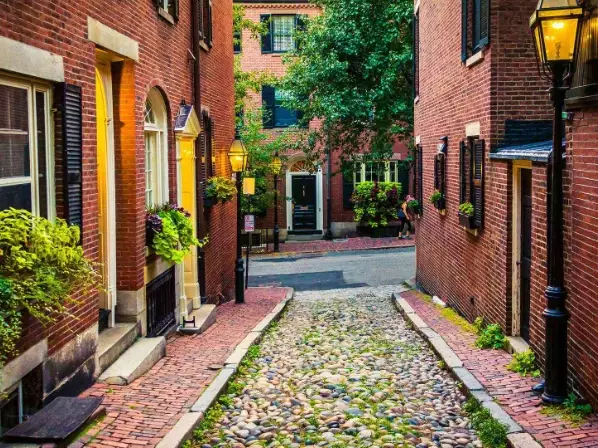
Your Boston Trip at a Glance
History & Landmarks: Walking Through America's Story
Let's be honest, you can't talk about Boston without diving into its past. This is where the American Revolution kicked off. But the mistake most first-timers make is trying to see every single historic site. You'll burn out. Focus on these core experiences that tell the story best.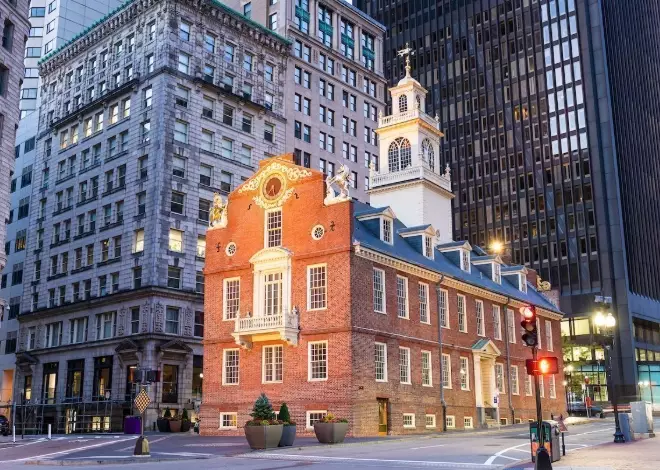
The Freedom Trail: The Non-Negotiable Starting Point
This 2.5-mile red-brick or painted line is your literal guide through history. It connects 16 nationally significant sites. Don't just walk it—understand it.
Key Info: The trail is free to walk 24/7. Individual sites have their own fees and hours. Start at the Boston Common Visitor Center (139 Tremont St) to grab a map or book a guided tour with a costumed historian (worth it for the context). The MBTA's Park Street or Government Center stations are your best bets.
My must-stop sites along the trail:
- Granary Burying Ground: See the graves of Paul Revere and Samuel Adams. It's quieter in the late afternoon.
- Old State House & Boston Massacre Site: The balcony here is where the Declaration of Independence was first read to Bostonians. The museum inside is small but packed.
- USS Constitution & Museum: "Old Ironsides" is the world's oldest commissioned warship still afloat. The nearby museum is fantastic for kids. It's in Charlestown Navy Yard—take the ferry from Long Wharf for a great view of the city.
Pro tip: Wear very comfortable shoes. Those cobblestones are no joke. And in summer, start early to beat the tour group crowds.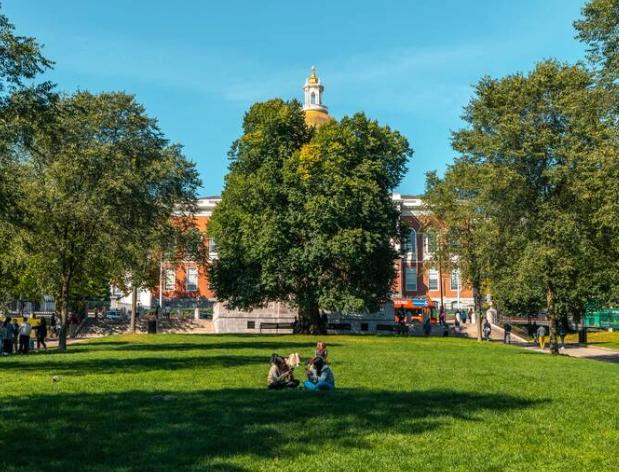
Faneuil Hall Marketplace: More Than Just Shopping
Yes, it's touristy. But it's touristy for a reason. Built in 1742, it's been a marketplace and meeting hall for centuries. Samuel Adams gave speeches here agitating for independence. Upstairs, the Great Hall is still used for public debates.
Address: 4 S Market St, Boston, MA 02109. Open Monday-Saturday 10 am - 9 pm, Sunday 11 am - 7 pm (restaurant hours vary).
Grab a cheap, classic lunch at the Quincy Market food hall (clam chowder in a bread bowl is a rite of passage), but then explore the side streets for better dinner options.
Boston Common & Public Garden: The City's Green Lungs
These are two distinct parks side-by-side. The Common is America's oldest public park (1634)—practical, with ball fields and a frog pond. The Public Garden is a Victorian-era ornamental garden—romantic, with the famous Swan Boats.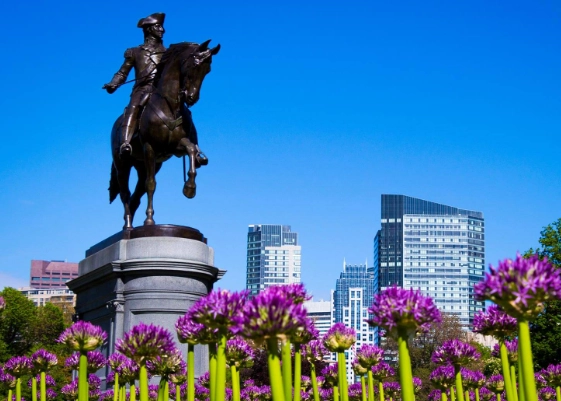
Swan Boat Rides: Operate spring through fall. About $4.50 for adults. It's a 15-minute, utterly peaceful glide. A perfect reset after hours of museum-hopping.
Art & Culture: World-Class Museums and More
Boston's cultural scene punches way above its weight. You have institutions that rival New York and London, often in stunning buildings.
| Museum | Focus & Why Visit | Practical Details |
|---|---|---|
| Museum of Fine Arts (MFA) | Encyclopedic collection. Stunning Ancient Egyptian, French Impressionist, and American art. The contemporary wing is a recent, brilliant addition. | Address: 465 Huntington Ave. Hours: Wed-Sun 10-5, Thu-Fri until 10. Admission: ~$27 adult. Free after 4pm on Wednesdays (voluntary contribution). Tip: Use the Fenway (Huntington Ave) entrance to avoid the main lobby crowds. |
| Isabella Stewart Gardner Museum | An immersive experience. A Venetian-style palace built by a visionary collector around a breathtaking courtyard. The 1990 art heist (still unsolved) adds intrigue. | Address: 25 Evans Way. Hours: Mon, Wed, Fri-Sun 11-5, Thu 11-9. Admission: ~$20 adult. Free for anyone named "Isabella" and on your birthday! Tip: The modern wing addition by Renzo Piano is a fantastic contrast. |
| John F. Kennedy Presidential Library & Museum | A moving, architectural masterpiece on Columbia Point overlooking the ocean. It captures the hope and complexity of the early 1960s. | Address: Columbia Point. Hours: Daily 10-5. Admission: ~$18 adult. Getting There: Free shuttle from the JFK/UMass Red Line station runs every 20 mins. |
One underrated gem is the Museum of Science. It sounds like it's just for kids, but adults will be blown away by the planetarium shows and the lightning demonstrations. The Charles River views from the cafe aren't bad either.
Neighborhoods & Unique Experiences
Boston's true character is in its neighborhoods. Get off the downtown tourist track for a few hours.
The Back Bay: This is postcard Boston. Stroll down Newbury Street for high-end shopping and people-watching, but make sure to walk the parallel Commonwealth Avenue Mall, a tree-lined promenade with gorgeous brownstones. Don't miss the Boston Public Library central branch in Copley Square—the Bates Hall reading room is a temple of quiet grandeur. Free tours are available.
Beacon Hill: The most photographed neighborhood. Acorn Street is the iconic cobblestone lane, but the real magic is just wandering the side streets with their gas lamps and hidden gardens. Charles Street, at the bottom of the hill, has great antique shops and cafes.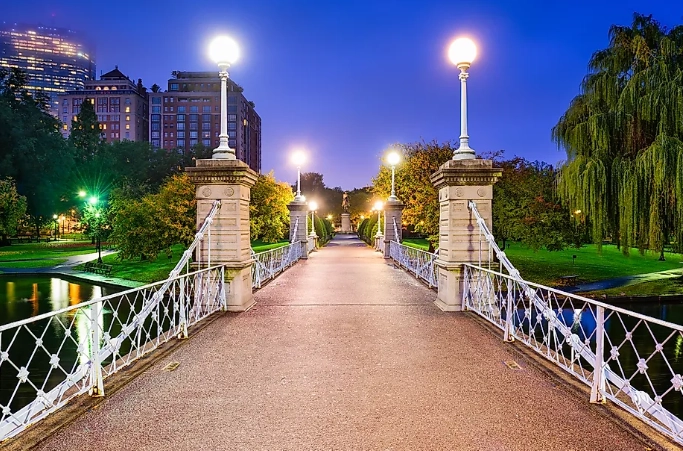
The North End: Boston's Little Italy. The air smells like garlic and espresso. Come hungry. Forget picking one restaurant—do a progressive dinner: appetizers at one place, pasta at another, cannoli for dessert. Modern Pastry often has a shorter line than the famous Mike's, and many locals prefer it. The Paul Revere House (the oldest building in downtown Boston) and Old North Church ("One if by land, two if by sea") are here too.
A Sports Pilgrimage: Fenway Park
Even if you're not a baseball fan, Fenway is an American icon. The oldest MLB park, it's intimate, quirky, and full of soul. A one-hour guided tour is the best way to see it up close when there's no game.
Tour Info: Runs daily, year-round. About $25. You'll see the Green Monster, Pesky's Pole, and sit in the oldest wooden seats in the majors. If you can catch a game, do it—the energy is electric.
How to Plan Your Boston Itinerary
Boston is mercifully compact. You can see a lot in a short time if you're strategic.
Sample 2-Day Itinerary:
- Day 1 (History & Downtown): Morning walking the Freedom Trail from Boston Common to Faneuil Hall. Afternoon at the New England Aquarium (great for families) or the Institute of Contemporary Art on the waterfront. Evening dinner in the North End.
- Day 2 (Culture & Neighborhoods): Morning at the Museum of Fine Arts or Isabella Gardner. Afternoon exploring Back Bay (Public Library, Newbury St) and Beacon Hill. Catch a sunset view from the Long Wharf.
Getting Around: Don't rent a car. Traffic is terrible and parking is expensive. The MBTA (the "T") subway and bus system will get you almost everywhere. Get a reusable CharlieCard for cheaper fares. Walking is often the fastest option between downtown neighborhoods. The city also has a decent bike-share system, Bluebikes.
Budgeting Basics: Boston isn't cheap. Expect to pay NYC-level prices for hotels and meals. Save money by using public transit, visiting free attractions (Harvard Yard, walking the Freedom Trail path itself, exploring parks), and eating lunch from food trucks or markets instead of sit-down restaurants every meal.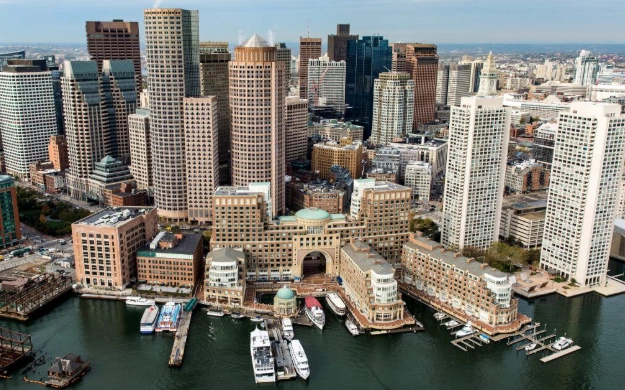
Your Boston Travel Questions Answered
Is two days enough to see the main places to visit in Boston?
Two full days lets you hit the major highlights—the core Freedom Trail sites, one major museum, and a couple of neighborhoods. You'll be busy, but you can get a real feel for the city. With three days, you can add a deeper dive into a specific interest, like a day trip to Harvard Square in Cambridge or a more relaxed exploration of the museums.
What's the best time of year to visit Boston for sightseeing?
Late spring (May-June) and early fall (September-October) are ideal. The weather is mild, perfect for walking. Summer is vibrant but can be hot, humid, and crowded, especially on the Freedom Trail. Winter has its own charm with holiday markets and fewer crowds, but be prepared for cold, wind, and potential snowstorms that can disrupt plans. Many attractions remain open.
Is the Boston CityPASS or Go Card worth it?
It depends entirely on your itinerary. Do the math. If your plan includes the New England Aquarium, Museum of Science, and Skywalk Observatory—all included in the CityPASS—it will likely save you money. If you're more interested in the MFA and Gardner Museum (not typically included), then a pass probably isn't for you. They also lock you into a specific list, reducing flexibility.
How walkable is Boston really? Can I get by without public transit?
The core downtown area—from the North End to Back Bay to the Waterfront—is extremely walkable. You can easily cover 5-8 miles in a day of sightseeing. However, to reach spots like the JFK Library, Harvard University, or the Museum of Fine Arts from downtown, you'll want to use the T. It's a hybrid approach: walk the clusters, use transit for the longer hops.
What's one common mistake first-time visitors make in Boston?
Trying to drive everywhere themselves. The street layout is famously chaotic (based on old cow paths), traffic is intense, and parking is a nightmare and incredibly expensive. Your trip will be infinitely less stressful if you book a hotel near a T stop and commit to walking and using public transit. Your wallet and your sanity will thank you.