Let's cut to the chase. When you think of UK food, what comes to mind? Probably fish and chips, maybe a bland roast dinner. I used to think the same until I spent a decade exploring backstreet pubs in Yorkshire and chatting with chefs in Cornwall. British cuisine isn't about fancy techniques; it's about hearty, seasonal ingredients and traditions that go back centuries. This guide will show you where to find the good stuff, avoid the overpriced tourist traps, and actually enjoy eating your way across the UK.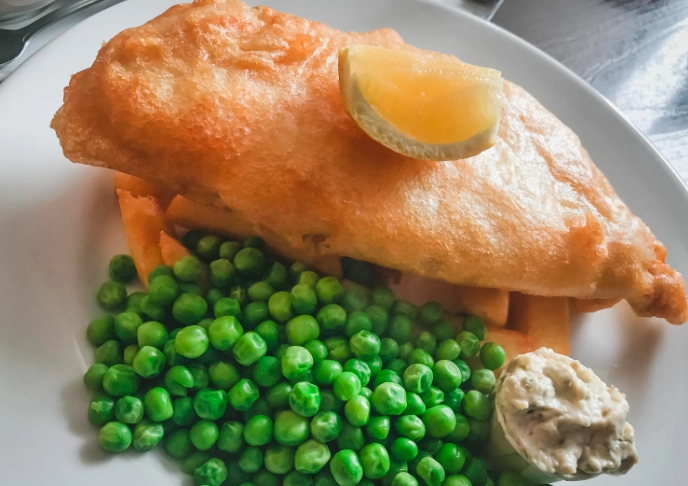
What You'll Find in This Guide
What is UK Food Really Like?
Most people get this wrong. They assume British food is just meat and potatoes, but it's a tapestry of regional specialties. The UK's culinary scene is shaped by its history—from Roman influences to post-war rationing—and today, it's a mix of comfort classics and modern twists. I've seen tourists walk into a chain pub and order a "traditional English breakfast," only to get a greasy plate that misses the point entirely. The real magic happens in local markets and family-run spots.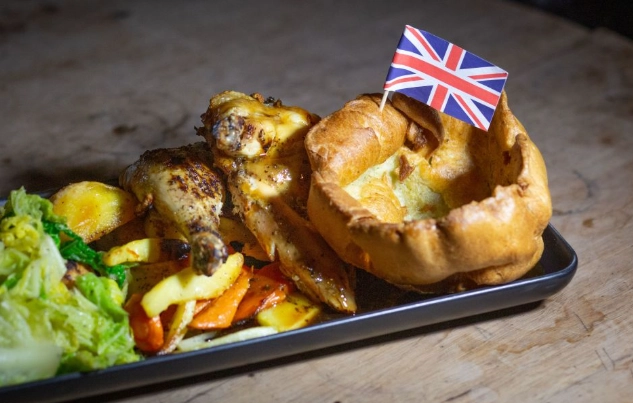
Regional Variations You Need to Know
Scotland isn't just haggis. In Edinburgh, I tried a venison stew that changed my mind about game meats. Cornwall has its pasties, but the best ones come from bakeries like The Chough Bakery in Padstow (open 7am-5pm, pasties around £4.50). Northern Ireland does soda bread better than anyone, and in Wales, you'll find laverbread (seaweed) served with bacon. If you stick to London, you're missing half the story.
Common Misconceptions About British Cuisine
Here's a non-consensus view: British food isn't inherently bland. The problem is that mass-produced versions have watered it down. A properly made shepherd's pie, with slow-cooked lamb and buttery mash, is deeply flavorful. Many pubs now source ingredients locally, which makes a huge difference. Don't judge the cuisine by what you get at airport cafes.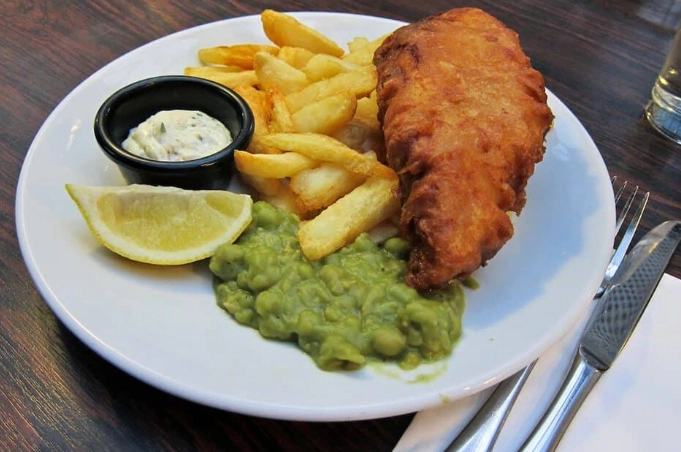
Must-Try Traditional British Dishes
Forget the hype. Focus on these classics, but know where to find them. I've compiled a table based on my experiences and recommendations from food critics like those at The Guardian's food section.
| Dish | What It Is | Best Place to Try (Example) | Approx. Price |
|---|---|---|---|
| Fish and Chips | Beer-battered fish with thick-cut fries, often with mushy peas. | The Golden Hind in London (79 Marylebone Lane, W1U 2PH). It's a no-frills spot open Tue-Sat 12-3pm & 5-10pm. Their cod is fresh, and the batter is crisp. | £12-£18 |
| Sunday Roast | Roasted meat (beef, chicken, lamb) with potatoes, Yorkshire pudding, veg, and gravy. | The Blackbird in Earls Court (22 Earls Court Rd, SW5 9QE). Sundays 12-4pm. Their beef is sourced from Ginger Pig, a renowned butcher. | £16-£25 |
| Full English Breakfast | Fried eggs, bacon, sausages, beans, toast, mushrooms, tomatoes. | E. Pellicci in Bethnal Green (332 Bethnal Green Rd, E2 0AG). Open Mon-Sat 7am-4pm. Family-run since 1900, with a cozy atmosphere. | £8-£12 |
| Shepherd's Pie | Minced lamb topped with mashed potatoes, baked until golden. | The Ivy in London (multiple locations). A classic, but go for the one in Covent Garden. Available all day. | £14-£20 |
| Cornish Pasty | Savory pastry filled with meat, potatoes, swede, and onions. | Warrens Bakery in Cornwall (various outlets). The original in St Just open 8am-5pm. Get the traditional beef. | £4-£6 |
Notice something? The best spots aren't always the fanciest. The Golden Hind has been around since 1914, and it's cash-only. That's a good sign. For dessert, don't skip sticky toffee pudding—I had one in a Lake District pub that was so good I ordered seconds.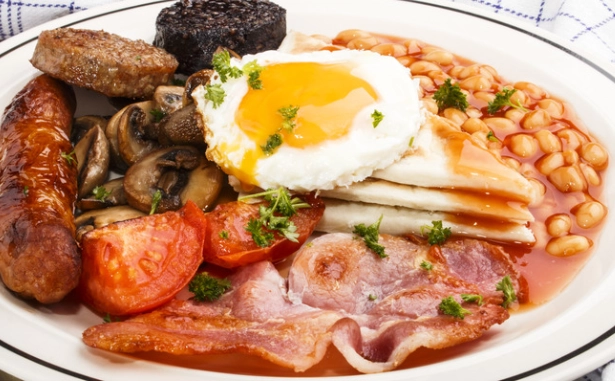
Where to Eat the Best UK Food in London
London is a maze of options, but here's where to go for authentic British meals without the tourist markup. I've split this into categories because, let's be honest, your budget matters.
Mid-Range Gems (Dinner for £20-£40 per person)
Rules Restaurant (35 Maiden Lane, WC2E 7LB). Established in 1798, it's London's oldest restaurant. The game season is their highlight—try the pheasant if it's available. Open daily 12pm-11pm. Booking essential. Their wine list is impressive, but the service can be slow on weekends.
The Wolseley (160 Piccadilly, W1J 9EB). Not cheap, but for a classic afternoon tea or a British breakfast, it's worth it. Afternoon tea is around £35 per person. Open 7am-12am. The ambiance is grand, but I found the scones a bit dry last time.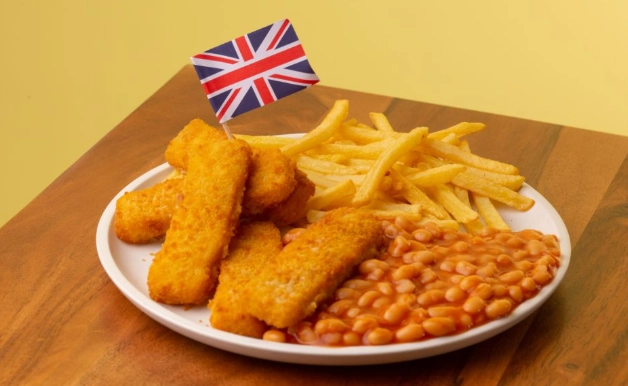
Budget-Friendly Picks (Under £15 per meal)
M. Manze (87 Tower Bridge Road, SE1 4TW). A pie and mash shop since 1902. Open Mon-Thu 10:30am-5pm, Fri-Sat until 5:30pm. Their eels are an acquired taste, but the steak and kidney pie is a winner. Cash only.
Borough Market (8 Southwark Street, SE1 1TL). Not a restaurant, but you can graze. Try the Scotch egg from The Ginger Pig stall or a cheese toastie from Kappacasein. Market hours vary, but generally Wed-Thu 10am-5pm, Fri 10am-6pm, Sat 8am-5pm. It gets crowded, so go early.
Personal Experience: I once took a friend to a "traditional" pub near Leicester Square. The fish and chips were £22 and tasted like cardboard. We left and walked 15 minutes to The Guinea Grill in Mayfair (30 Bruton Place, W1J 6NL). Their pie of the day was £18, but it came with buttery mash and rich gravy. Lesson learned: avoid restaurants with big neon signs in tourist areas.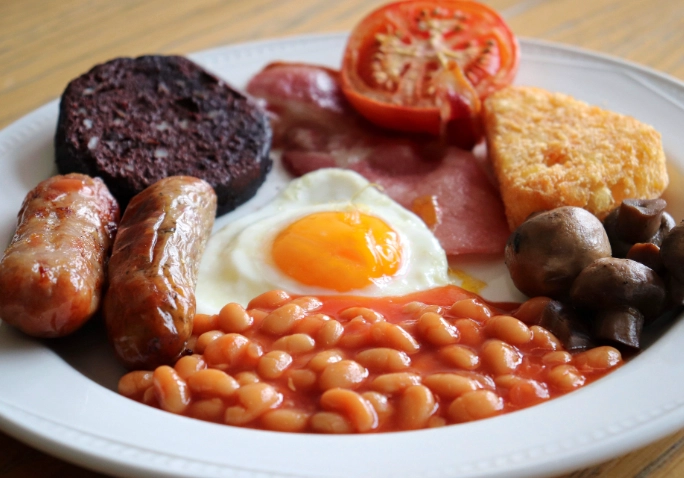
How to Experience UK Food Culture Like a Local
This isn't just about eating; it's about understanding the rituals. Brits take their food seriously in a understated way.
Visit a Pub at Lunchtime: Not for drinking, but for the daily specials. Many pubs offer a "pie and a pint" deal for under £10. I frequent The Churchill Arms in Kensington (119 Kensington Church Street, W8 7LN). Their Thai food is famous, but the Sunday roast is solid. Open 12pm-11pm.
Explore Food Markets: Beyond Borough Market, try Broadway Market in Hackney (Saturdays 9am-5pm) for artisanal cheeses and baked goods. Or Maltby Street Market in Bermondsey (weekends 9am-4pm) for street food with a British twist.
Attend a Food Festival: The Aldeburgh Food and Drink Festival in Suffolk (usually September) showcases East Anglian produce. I went last year and tried samphire for the first time—it's a sea vegetable that pairs perfectly with fish.
Expert Tips and Common Pitfalls to Avoid
After ten years of eating my way around the UK, here are things most guides won't tell you.
- Don't Order Fish and Chips on a Monday: Many restaurants get fresh fish deliveries mid-week, so Monday's stock might be older. Aim for Wednesday to Friday.
- Yorkshire Pudding Isn't Just for Roasts: In Yorkshire, you'll find it served as a starter with onion gravy. Try it at The Star Inn at Harome (Harome, YO62 5JE), though it's a splurge.
- Check for Seasonal Specials: British menus change with the seasons. In autumn, look for game dishes like grouse or venison. In spring, asparagus from the Vale of Evesham is a must.
- Avoid Chains for Traditional Food: Places like Wetherspoons or Garfunkel's are cheap, but the quality is inconsistent. For a reliable chain, try Côte Brasserie for French-inspired British, but it's not purely traditional.
One subtle mistake: tourists often add ketchup to everything. With fish and chips, use malt vinegar and a pinch of salt. It cuts through the grease better.
Frequently Asked Questions About UK Food
Final thought: UK food is about comfort and history. Don't rush it. Sit in a pub, chat with the bartender, and order the daily special. You might discover a new favorite dish—I did with Lancashire hotpot in a rainy Manchester pub. Now, go eat.