Let's be honest. For decades, British food was the punchline of a global joke. Grey, boiled, bland—the stereotypes stuck like overcooked porridge to a pot. I used to believe them too, until I spent a summer working in a pub kitchen in the Cotswolds. That's where I saw the reality: a butcher delivering grass-fed beef for the Sunday roast, the chef foraging for wild garlic, and the palpable pride in serving a perfectly crisp fish and chips. British food isn't what you think it is. It's a story of survival, empire, post-war hardship, and a stunning 21st-century revival that champions local produce with a quiet confidence.
Your Quick Guide to British Food
What are the Most Iconic British Foods?
Forget the listicles that just name dishes. Understanding these foods means knowing why they exist. They're edible history.
The Sunday Roast: A Weekly Ritual
This isn't just a meal; it's a social institution. Every Sunday, families and friends gather for a shared plate of roasted meat (beef with horseradish, lamb with mint sauce, chicken or pork with apple sauce), towering Yorkshire puddings, roasted potatoes, seasonal vegetables, and lash gravy made from the meat's juices. The key to a great roast? The potatoes must be fluffy inside and shatteringly crisp outside—a skill many home cooks spend years perfecting. A bad roast is a soggy, sad affair. A good one is pure comfort.
Fish and Chips: The National Takeaway
Wrapped in paper (traditionally newspaper, now hygienic paper), doused in salt and malt vinegar, and eaten by the sea if you're lucky. The fish should be flaky, fresh, and encased in a light, crispy batter. The chips are thick-cut, soft in the middle. The biggest mistake tourists make? Eating it in a generic city-center shop. The best are found in coastal towns or old-school 'chippies' where the fryers have been running for generations. Ask for mushy peas on the side. Trust me.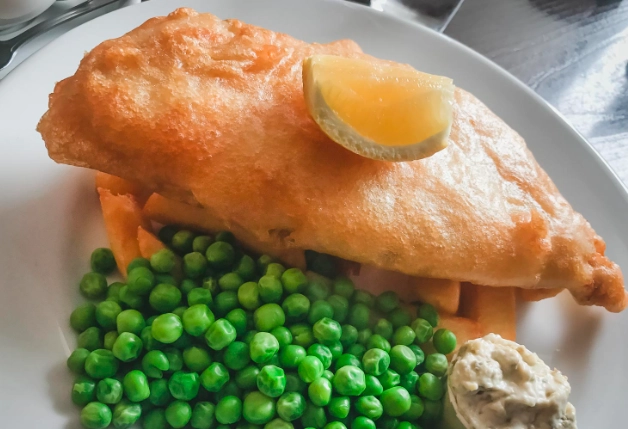
Pie and Mash: Working-Class London on a Plate
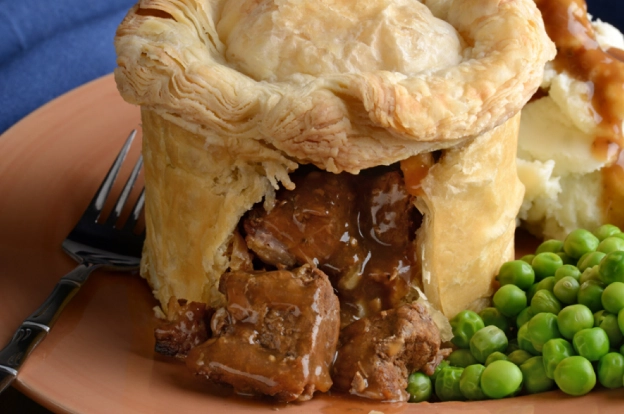
This is where British food gets seriously specific. A minced beef and gravy pie, served with a generous portion of mashed potato and a parsley-heavy liquor (a green, non-alcoholic sauce). It's a dish born in the East End of London. For the full experience, you need a proper pie and mash shop, with tiled walls and wooden benches. M. Manze in Peckham (87 Peckham High St, London SE15 5RS) has been serving since 1915. It's affordable, filling, and a direct link to the past.
Beyond the Big Three: Don't overlook the simple pleasures. A Ploughman's Lunch (crusty bread, cheese, pickle, apple) in a country pub garden. A warm Scone with clotted cream and strawberry jam—the cream goes on first in Devon, jam first in Cornwall (this is a serious debate). A bowl of Cullen Skink, a smoky Scottish smoked haddock soup. This is the real breadth of traditional British food.
Where to Find the Best British Food Experiences?
You can't just Google "British food near me." Context is everything. Here’s how to target your search.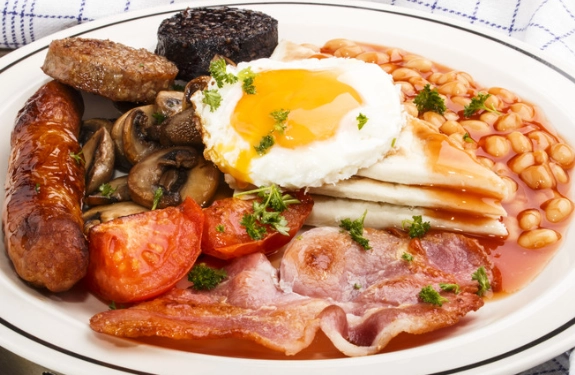
The Traditional London Food Tour (With Specifics)
Forget the generic walking tours. Craft your own based on these pillars:
- Breakfast at a 'Caff': The Regency Cafe (17-19 Regency St, London SW1P 4BY). Formica tables, shouted orders, and the best full English under £10. Cash only. Opens at 7 AM.
- Pie and Mash for Lunch: As mentioned, M. Manze. Expect to spend about £8-10.
- Afternoon Tea… with a Twist: Skip the overpriced hotel chains. Try the Brigit's Bakery Afternoon Tea Bus Tour. It's gimmicky, but you see the sights and get decent sandwiches and scones. Book weeks ahead.
- Dinner in a Gastropub: This is modern British food at its best. The Eagle in Farringdon (159 Farringdon Rd, London EC1R 3AL) is credited as one of the first. Expect robust, Mediterranean-influenced dishes like their famous chargrilled calf's liver. Mains from £18.
The Classic British Pub Meal
A pub is not just a bar. It's the heart of a community. For food, avoid ones with giant, laminated menus offering everything from curry to burgers. Look for a chalkboard with 3-4 seasonal dishes. A sign of a good pub kitchen? They do a proper Sunday roast. In cities, the gastropubs rule. In the countryside, seek out pubs with their own kitchen gardens or relationships with local farms. The food is simpler but the ingredients shine.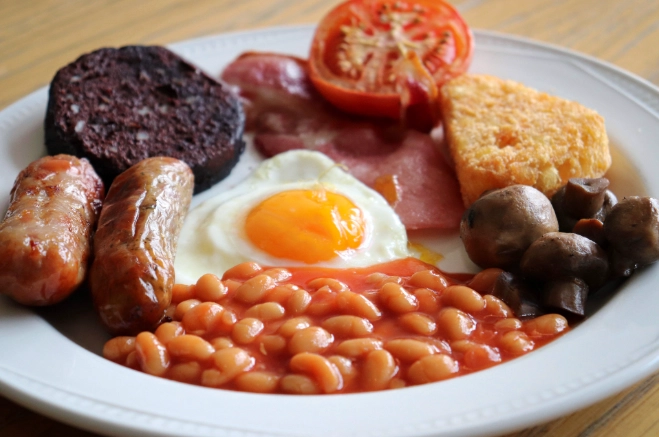
| Venue & Location | Specialty / Vibe | Price Point (for a main) | Pro Tip |
|---|---|---|---|
| The Blackfriar 174 Queen Victoria St, London |
Stunning Arts & Crafts interior. Classic pub staples done well. | £15 - £22 | Go for the pies and the atmosphere. It's a historical landmark. |
| The Seafood Restaurant Padstow, Cornwall |
Rick Stein's flagship. The epicenter of Britain's seafood revolution. | £30 - £45 | Book months in advance. The fruits de mer platter is legendary. |
| The Star Inn Harome, North Yorkshire |
Thatched-roof Michelin-starred pub. Hyper-local, foraged ingredients. | £40+ (tasting menu) | A splurge-worthy destination for the modern British food pilgrimage. |
How Has British Food Culture Evolved?
The journey from jellied eels to foraged wild garlic is a wild ride. The low point was arguably the mid-20th century. World War II rationing, which lasted until 1954, crippled the culinary landscape. People forgot how to cook with flavor. Convenience foods became king.
The turnaround began in the 1990s, driven by figures like food writer and broadcaster Nigel Slater, who championed simple, ingredient-led cooking in his book and TV series "Real Food." Simultaneously, chefs like Fergus Henderson at St. John in London pioneered "nose-to-tail" eating, treating British offal with respect and creativity. This wasn't just a trend; it was a philosophical return to using the whole animal, a very traditional concept executed with modern flair.
Today, the scene is vibrant. According to a report by the UK's Food Standards Agency, consumer interest in food provenance and sustainability has skyrocketed. Farmers' markets are everywhere. The British cheese scene rivals France's. The modern British table might feature heritage carrots from a nearby farm, Scottish venison, or Welsh rarebit made with a craft ale. It's a confident, seasonal cuisine that has finally reconciled its past with a global present.
Your British Food Questions Answered
So, the next time someone mocks British food, you'll know the truth. It's a cuisine of comforting pillars, a fascinating history of highs and lows, and a contemporary scene that's genuinely exciting. Your mission isn't just to try it, but to seek out the right context—the old caff, the proper chippy, the village gastropub. That's where you'll find the real story, one delicious plate at a time.