Canada's size is intimidating. You could spend a lifetime exploring and still miss something incredible. Most lists just throw famous names at you—Banff, Niagara, Vancouver. That's not helpful. You need to know why to go, how to do it right, and what subtle mistakes can ruin a perfect day at Lake Louise or in Old Quebec. After a decade of crisscrossing this country, I've put together a guide that mixes the iconic with the insightful, packed with details you won't find on a tourism poster.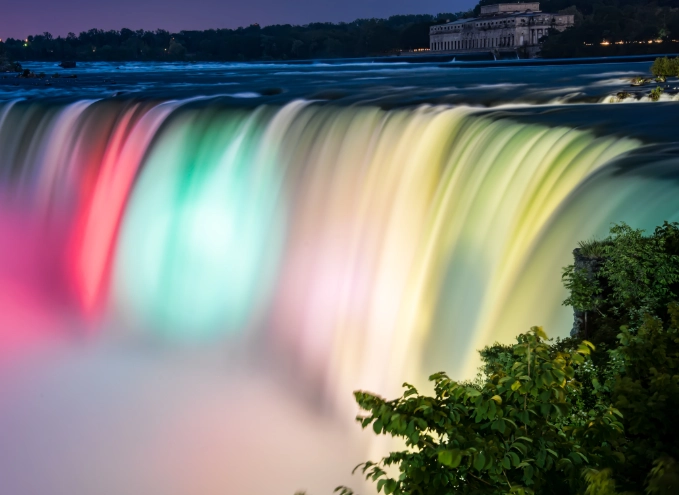
Your Quick Canada Travel Guide
How to Experience Canada's Iconic Cities
Canadian cities have distinct personalities. Don't just tick them off; try to live in them for a day.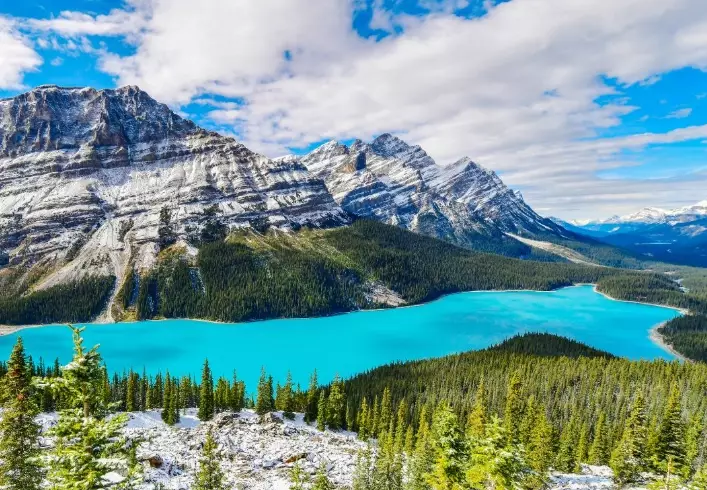
Vancouver: Where Mountains Meet the Ocean
Vancouver feels like a cheat code for beautiful living. The mistake? Staying downtown the whole time. Stanley Park is a must, but rent a bike and do the full seawall loop (10 km). It's free to enter, and the views of the Lions Gate Bridge are unbeatable. For a local vibe, take the Aquabus to Granville Island. Yes, it's touristy, but the public market is legit. Go hungry.
Here's the non-consensus tip: Skip the crowded Grouse Mountain gondola on a clear day. Instead, drive up to Cypress Mountain (about 30 minutes from downtown) for a view of the city skyline with mountains behind it. The lookout point is free and often quieter.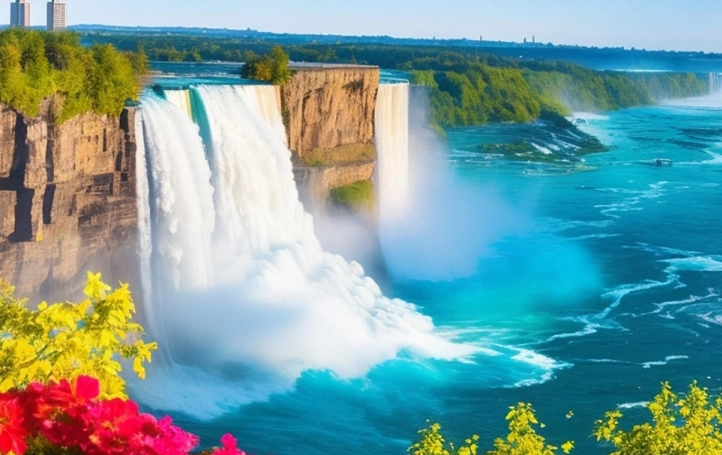
Practical Details:
Capilano Suspension Bridge: About $66 CAD. It's expensive but well-engineered. The free alternative is the Lynn Canyon Suspension Bridge further north, but it's smaller and gets just as busy.
Getting Around: The SkyTrain from the airport is easy. In the city, walk, bike, or use transit. A car is a hassle downtown.
Toronto: The Gritty, Glamorous Metropolis
Toronto is about energy and diversity. The CN Tower is the symbol, but the real city is on the ground. Distillery District is beautiful (cobblestones, galleries) but can feel like an open-air mall. For something grittier and more authentic, walk through Kensington Market—a chaotic mix of vintage shops, cafes, and street art.
A huge, often overlooked gem is the Royal Ontario Museum (ROM). Its dinosaur collection is world-class. Tickets are around $23 CAD online. Book ahead.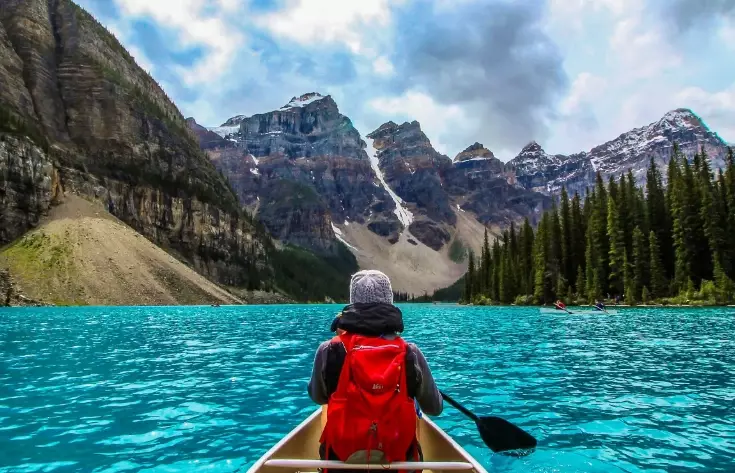
My personal rule in Toronto? Have one meal in a neighborhood you've never heard of. Scarborough for incredible Tamil food, Little Italy on College Street, or Korean food in Bloor Village. That's where you feel the city's pulse.
Montreal & Quebec City: A Taste of Europe
Montreal is for eating and festivals. Old Montreal (Vieux-Montréal) is stunning, especially the Notre-Dame Basilica (light show at night is worth it). But wander into the Plateau Mont-Royal for colorful staircases and the best bagels on earth at St-Viateur Bagel (24/7, cash preferred).
Quebec City is the showstopper. Old Quebec (Vieux-Québec) is a UNESCO site, the only walled city north of Mexico. Walking the Terrasse Dufferin behind the Château Frontenac feels like you've teleported. It's free to explore. In winter, it transforms into a Christmas market wonderland.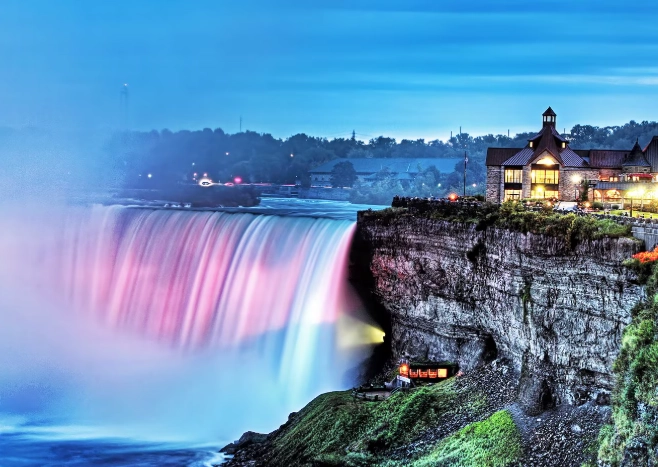
The hidden move here? Most people visit the massive Montmorency Falls just north of the city. It's taller than Niagara. You can take a bus or drive. The gondola is fun, but walking across the suspension bridge at the top gives you the best sensation of the power below.
Navigating Canada's Natural Wonders & National Parks
This is why people come to Canada. But poor planning leads to parking lot frustration and missing the magic.
Banff & the Canadian Rockies: The Crown Jewel
Banff National Park is breathtaking. It's also a victim of its own success. The number one mistake? Not getting the Parks Canada Discovery Pass. It's $72.25 CAD per adult and covers entry to all national parks for a year. Buying daily passes for a multi-day visit is a waste of money. Get it online before you go.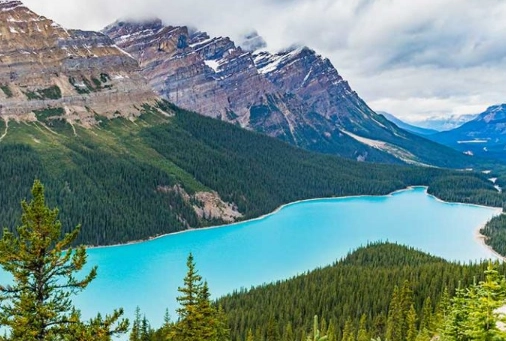
| Spot | Key Info & Tip | Cost (Approx.) |
|---|---|---|
| Lake Louise | Parking fills by 7 AM in summer. Use the Parks Canada shuttle from the overflow lot. The lakeside path is packed; hike up to the Lake Agnes Tea House for a quieter, stunning view. | Shuttle: $8-25 CAD |
| Moraine Lake | Even more competitive. The road is now closed to personal vehicles. You must book a shuttle, commercial bus, or have a reservation for the nearby lodge. Book months ahead. | Shuttle from $25 CAD |
| Banff Gondola | Spectacular 360-degree views of six mountain ranges. Go for the last ascent of the day to see sunset and city lights come on. | $70+ CAD |
| Icefields Parkway | The drive from Lake Louise to Jasper is one of the world's best. Give yourself a full day. Stop at Peyto Lake, Athabasca Glacier, and countless pull-offs. | Free with Park Pass (gas not included!) |
Where to stay? Banff town is convenient but pricey. Canmore, just outside the park gates, is often cheaper with great dining and easier parking.
Niagara Falls: The Powerful Classic
It's busy, it's kitschy, but the raw power of the falls is undeniable. The key is managing the experience.
The Canadian side (Ontario) has the better, full-frontal view. The main area by Table Rock Welcome Centre is free. You feel the mist on your face.
Must-Do Activity: The Boat Tour. On the Canadian side, it's called the Hornblower Niagara Cruises (about $35 CAD). You will get soaked. They give you a poncho, but wear waterproof shoes. It's the only way to truly grasp the scale. Go early or late to avoid the longest lines.
Avoid the overpriced attractions on Clifton Hill unless you love haunted houses and giant Ferris wheels. For a more refined experience, visit the Niagara Parks Botanical Gardens or drive to Niagara-on-the-Lake, a charming wine town 20 minutes north.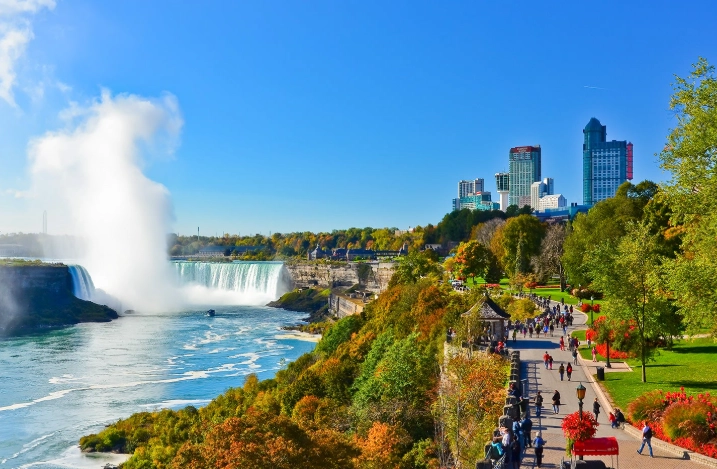
The Maritimes: Coastal Majesty
For a different rhythm, head east. Cabot Trail in Cape Breton, Nova Scotia, is a world-class coastal driving loop. Hike the Skyline Trail for jaw-dropping views of the Gulf of St. Lawrence—you might see moose or whales. The national park entry fee applies.
In Prince Edward Island, the red sand beaches and Green Gables are lovely, but the real charm is in the fishing villages like North Rustico. Eat lobster so fresh it was in the ocean that morning.
Expert Reminder: Canada's weather is no joke, even in summer. In the Rockies, it can snow in July. On the coasts, rain is common. Always pack layers—a waterproof jacket, fleece, and sturdy hiking shoes are non-negotiable, even for "easy" walks.
Unique Cultural & Historical Spots You Might Miss
Beyond the mountains, Canada's story is told in quieter places.
Churchill, Manitoba: The "Polar Bear Capital of the World." This is a major expedition. You fly from Winnipeg. In fall, you take a tundra buggy to see polar bears. In summer, you can kayak with beluga whales. It's expensive and requires planning, but it's a once-in-a-lifetime encounter with the Arctic. Tours start around $5000+ CAD for multi-day trips.
L'Anse aux Meadows, Newfoundland: A UNESCO site where Vikings led by Leif Erikson settled around 1000 AD. It's the only confirmed Norse site in North America. It's remote—at the northern tip of Newfoundland—but standing in the replica sod houses, you feel history in the wind. Parks Canada runs it. Entry is about $12 CAD.
The Yukon (Dawson City & Kluane National Park): For true frontier spirit. Dawson City feels frozen in the Klondike Gold Rush era. Do the "Sourtoe Cocktail" challenge at the Sourdough Saloon if you dare. South of there, Kluane National Park has some of Canada's highest peaks and largest icefields. It's for serious adventurers. Fly into Whitehorse and rent a proper vehicle.
How to Plan Your Perfect Canada Itinerary
Be realistic about distances. Vancouver to Toronto is a 4.5-hour flight. Driving it takes over 40 hours.
The Classic First-Timer's Loop (10-14 days): Fly into Vancouver (3 days) → Fly to Calgary (1 hour) → Rent a car → Drive to Banff/Canmore (3-4 days) → Drive the Icefields Parkway to Jasper (1-2 days) → Drive back to Calgary to fly out. This gives you city and epic mountains.
The Eastern Culture & Nature Mix (10 days): Fly into Toronto (2 days) → Drive or take train to Montreal (3 days) → Drive to Quebec City (2 days) → Fly from Quebec City home, or drive back to Toronto. Add a side trip to Niagara Falls from Toronto if you wish.
The Maritime Adventure (7-10 days): Fly into Halifax, Nova Scotia → Drive the Cabot Trail in Cape Breton (3 days) → Take the ferry to Prince Edward Island (2 days) → Drive to Fundy National Park in New Brunswick for the world's highest tides (2 days) → Return to Halifax.
My biggest piece of advice? Don't try to do all of these in one trip. Pick one region and explore it deeply. You'll have a better time and actually relax.
Canada Travel FAQs: Your Questions Answered
Canada isn't a country you check off a list. It's a place you experience in layers—the crisp mountain air, the salty Atlantic spray, the hum of a diverse city, the profound silence of a northern lake. Do your research, pack for the weather, and be prepared to have your expectations of natural beauty completely rewritten. Start with one corner that calls to you. You'll be planning your return trip before the first one even ends.