Quick Guide
Let's be real. You search for "top things to do in Boston" and you get the same list every time: Freedom Trail, Fenway Park, maybe the Harbor. It's not wrong, but it feels... incomplete. Like you're getting the tourist script, not the local lowdown. Having spent more time wandering Boston's cobblestone streets and modern districts than I care to admit, I've put together a guide that mixes the must-sees with the "oh, you have to see this" spots. This isn't about checking boxes; it's about experiencing the city's unique blend of revolutionary history, academic buzz, and neighborhood charm.
Boston has this way of surprising you. You turn a corner and go from sleek glass towers to a 300-year-old burying ground. You're in a quiet, bookish square one minute and in the middle of a roaring sports crowd the next. Figuring out the top things to do in Boston means embracing that contrast.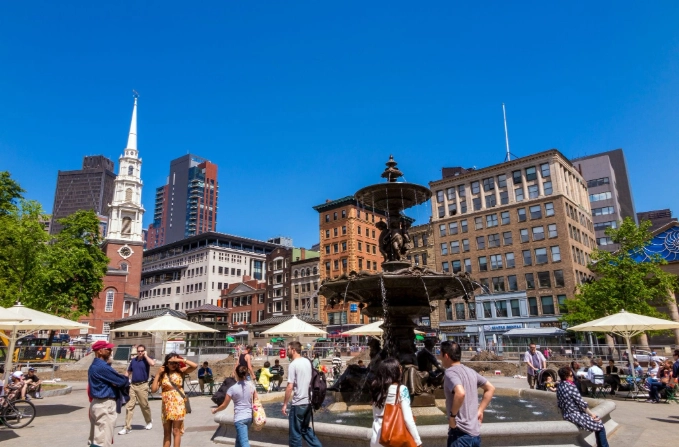
The Heart of History: Walking Through America's Story
You can't talk about Boston without talking about history. It's in the bricks. But the key is to engage with it, not just walk past it. The famous Freedom Trail is the obvious starting point, but how you tackle it makes all the difference.
The Freedom Trail: Do It Right (Or Don't Bother)
The 2.5-mile red brick line connecting 16 historic sites is the backbone of Boston's tourist scene. My take? It's essential, but it can be a slog if you treat it like a forced march. The official National Park Service page for the Freedom Trail is your best friend for maps and official info. Download their map. Seriously.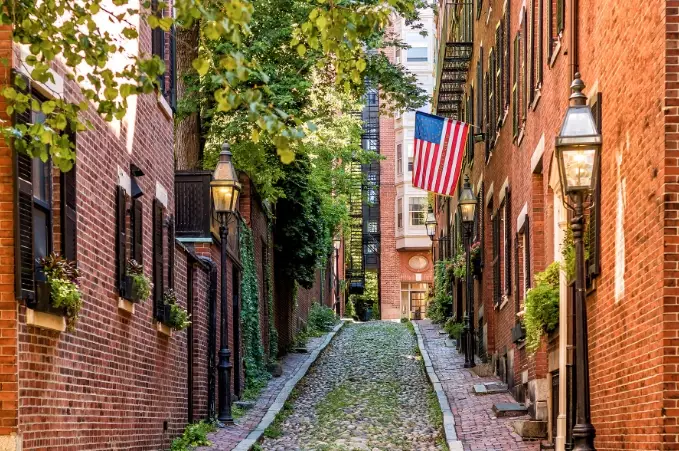
Now, here's the local hack: don't feel obligated to hit all 16 sites. That's a recipe for sore feet and historical burnout. Focus on the heavy hitters:
- Boston Common & Public Garden: Start here. It's America's oldest public park. Ride the Swan Boats if you're feeling whimsical (they're a quirky, charming tradition).
- Granary Burying Ground: This is where history gets real. Paul Revere, John Hancock, Samuel Adams—they're all here under weathered old stones. It's surprisingly peaceful.
- Old North Church: "One if by land, two if by sea." Seeing those steeple windows changes how you think about that story. The interior is beautifully preserved.
- USS Constitution: "Old Ironsides" at the Charlestown Navy Yard. It's a massive, awe-inspiring wooden warship from 1797. Talking to the active-duty sailors who serve as its crew is a unique experience.
I'd give Faneuil Hall a bit of a side-eye. The building itself is historic, but the marketplace behind it is a packed tourist bazaar. Great for people-watching, but the food is overpriced and the shops are generic. Go for the architecture and the idea of it, then grab lunch elsewhere.
Beyond the Red Line: Lesser-Known History Gems
If you want to feel like you've discovered something, step off the trail.
The Boston Tea Party Ships & Museum is cheesy in the best possible way. You get to throw replica tea chests into the harbor. It's interactive, a bit theatrical, and actually does a great job of making you understand the tension of that night. Kids love it, but adults get into it too.
For a more solemn, powerful experience, the Boston Massacre site is just a circle of cobblestones on a busy downtown street corner. It's easy to miss. Stopping there forces you to imagine the chaos of that night in the middle of today's bustling city. It's a different kind of history lesson.
History in Boston isn't just in museums. It's under your feet.
A City of Minds and Masterpieces: Culture & Learning
Boston is a college town on a massive scale. That energy feeds into incredible museums, libraries, and just a general vibe of curiosity.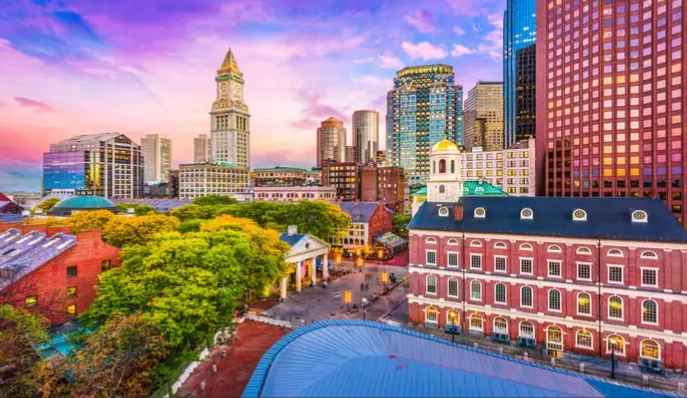
World-Class Museums (Pick Your Passion)
You could spend a week in museums alone. Here’s how to choose:
- For Art Lovers: The Museum of Fine Arts (MFA) is staggering. Its collection of American art (especially from Boston and New England), Impressionist works, and ancient Egyptian artifacts is top-tier. The MFA's official website is great for planning which galleries to hit. Pro tip: It's huge. Don't try to see everything. Pick two wings and explore them deeply.
- For Science & Tech Geeks: The Museum of Science is a classic for a reason. The lightning show is legendary. But the MIT Museum in Cambridge is where you go for the cutting-edge, weird, and wonderful—think robots, holograms, and wild prototypes from MIT labs.
- For Something Unique: The Isabella Stewart Gardner Museum is my personal favorite. It's a Venetian-style palace built by an eccentric art collector. The central courtyard is a lush, flowering oasis year-round. The story of the 1990 art heist (still unsolved!) adds a layer of intrigue. It feels nothing like a typical museum.
The University Scene: More Than Just a Campus
Walking through Harvard Yard in Cambridge is one of the top things to do in Boston, even if you're not a student. The sense of history and ambition is palpable. The Harvard Museum of Natural History has the famous Glass Flowers—incredibly detailed, scientifically accurate glass models of plants. They're mesmerizing.
MIT's campus is an architectural playground, all bold shapes and futuristic designs. Just wander around and look at the buildings.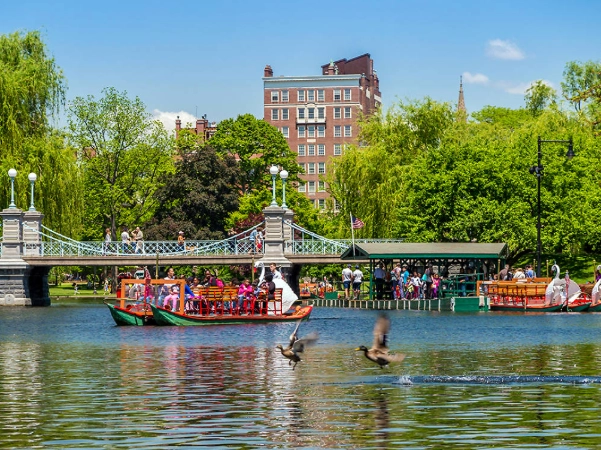
But here's a thought—instead of just looking at the universities, see what's happening. Check university event calendars for public lectures, concerts, or art shows. You might catch a Nobel laureate speaking for free.
Neighborhoods & Vibes: Where Boston Really Lives
This is where the "top things to do in Boston" lists often fall short. They list attractions but miss the atmosphere. Boston is a city of distinct neighborhoods, each with its own personality.
| Neighborhood | Vibe | Top Things To Do There |
|---|---|---|
| North End | Boston's Little Italy. Bustling, aromatic, old-world charm. | Get cannoli (Mike's vs. Modern is a fierce debate—try both!). Eat pasta at a tiny trattoria. Visit the Old North Church and Paul Revere's House. |
| Back Bay | Elegant, upscale, picturesque. | Stroll Newbury Street (shops & cafes). Walk down Commonwealth Ave's mall. See the Boston Public Library's beautiful courtyard. Climb the Prudential Tower's "Skywalk" for 360° views. |
| Seaport District | Modern, sleek, waterfront. Rapidly changing. | Visit the Institute of Contemporary Art (ICA). Have a drink on a rooftop bar. Walk the Harborwalk paths. |
| Beacon Hill | Quaint, historic, postcard-perfect. | Wander the gas-lit, cobblestone streets (especially Acorn Street). Window-shop on Charles Street. It feels like stepping into another century. |
| Jamaica Plain (JP) | Hip, leafy, community-focused. | Explore the Arnold Arboretum (free!). Browse independent bookstores and vintage shops. Feel like a local. |
My advice? Pick one or two neighborhoods to explore deeply instead of just skimming through. Spend an evening in the North End. Have a leisurely Saturday in Jamaica Plain. You'll understand the city better.
The best meals and memories are often found off the main drag.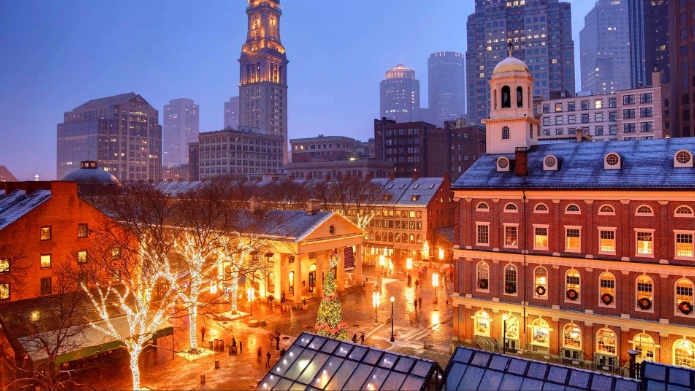
Sports, Parks, and Getting Outside
Bostonians love their green spaces and their teams with equal, fiery passion.
A Pilgrimage for Sports Fans
Even if you're not a baseball fan, a tour of Fenway Park is a cultural experience. The guide will tell you about the Curse of the Bambino, the Pesky Pole, and the manual scoreboard. You can feel the history in the old wooden seats. If you can catch a game, do it. The energy is electric. For the Bruins (hockey) and Celtics (basketball), the atmosphere at the TD Garden is just as intense. Check the schedules—seeing a Celtics game in that building is something else.
Boston's Emerald Necklace: The City's Lungs
Frederick Law Olmsted's chain of parks is a masterpiece of urban planning. The Boston Common and Public Garden are the most famous, but don't stop there.
The Arnold Arboretum in Jamaica Plain is a 281-acre living museum of trees. It's free, stunning in every season (cherry blossoms in spring, fiery colors in fall), and feels a world away from the city. The Esplanade along the Charles River is where people run, bike, sail, and just hang out. Rent a kayak or a bike from a City of Boston-affiliated vendor and get on the water. Watching the sailboats with the skyline behind them is a classic Boston moment.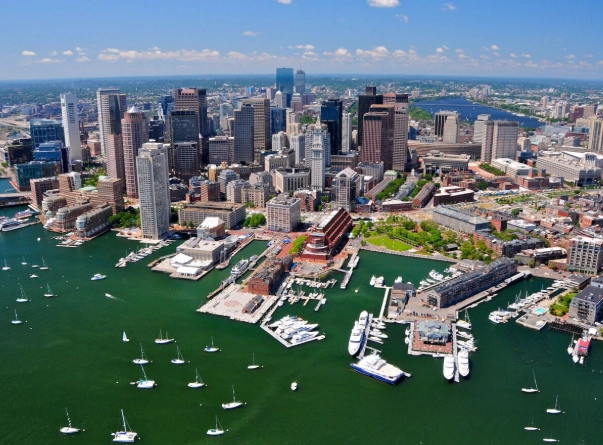
Food, Drink, and the Quest for Chowder
Let's talk food. Boston's culinary scene has exploded way beyond baked beans (which are actually pretty good if done right).
Seafood is non-negotiable. You need a proper New England clam chowder (creamy, not tomato-based). A lobster roll (hot with butter or cold with mayo—choose your fighter). And some fried clams. You can find these at classic spots like the Union Oyster House (oldest restaurant in the US) or at no-frills shacks like Belle Isle Seafood in Winthrop (worth the short drive).
The North End is, of course, for Italian. But venture beyond Hanover Street for the quieter, more authentic spots. And save room for pastries.
For a more modern food scene, hit the Boston Public Market year-round for local produce, cheese, and snacks. The SoWa Open Market in the South End (weekends in warmer months) has food trucks, artists, and a great vibe.
Practicalities & Building Your Boston Itinerary
Okay, you've got the ideas. How do you make it a reality?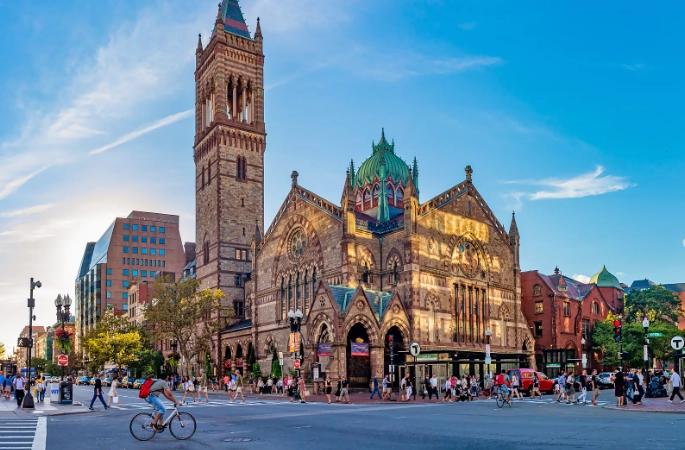
Getting Around: Ditch the Car
Seriously. Boston's streets are famously confusing (they follow old cow paths!), parking is expensive and scarce. The "T" (subway) is your friend. Get a CharlieCard for cheaper fares. Walking is the absolute best way to see the city center. For longer hops, rideshares and bikeshares (Bluebikes) fill the gaps.
When to Visit & How Long
Fall (September-October) is spectacular—cool air, fall foliage, and packed with energy as students return. It's also the most expensive and crowded. Spring (late April-June) is lovely but can be rainy. Summer is vibrant but can be hot and humid. Winter is cold and snowy, but the city is quieter, cozier, and museums are blissfully uncrowded.
How many days? For the top things to do in Boston, I'd say a solid 3-4 days lets you cover the historical core, a museum or two, a couple of neighborhoods, and a game or special outing without rushing.
Your Boston Questions, Answered
So there you have it. A guide to the top things to do in Boston that tries to give you the feel of the place, not just a checklist. It's a city that rewards curiosity. Put away the rigid itinerary for an afternoon. Get lost in Beacon Hill. Sit in a cafe and watch the world go by. Have that second cannoli. That's when you'll find your own favorite thing about Boston—the one you'll tell your friends they *have* to do.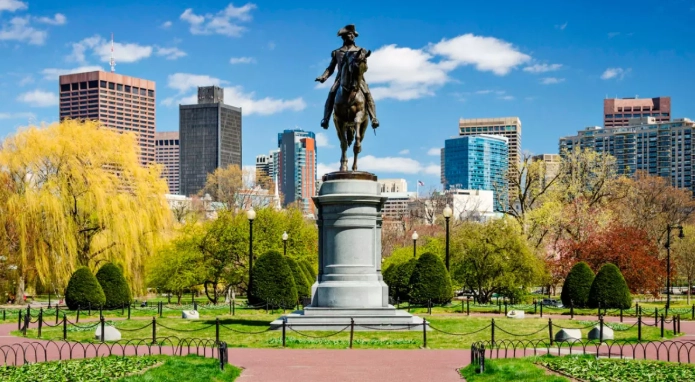
What are you most excited to see? Maybe I'll see you there, probably trying to decide between another history tour or just finding a good spot to watch the boats on the Charles.