Let's cut to the chase. You're planning a trip to Seoul and your search history is flooded with "what to do in Seoul." The lists are endless, repetitive, and frankly, a bit overwhelming. Having spent years exploring this city's every alley and avenue, I'm here to give you the real guide—the one that separates the postcard-perfect from the genuinely unforgettable, packed with details you can actually use.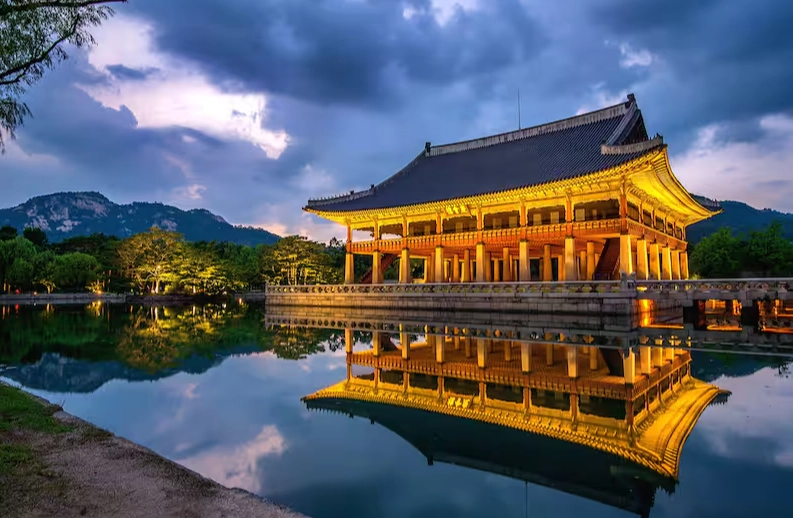
Seoul isn't just a city; it's a feeling. It's the scent of sizzling pork belly mixing with ancient temple incense, the quiet hum of a 24-hour sauna, and the electric buzz of a K-pop video shoot around the corner. This guide is your key to unlocking that.
Quick Navigation: Your Seoul Game Plan
Step Back in Time: Seoul's Historic Heart
Start in Jongno District. This is where Seoul's soul resides. Most guides will tell you to visit Gyeongbokgung Palace. They're right. But they often miss the how.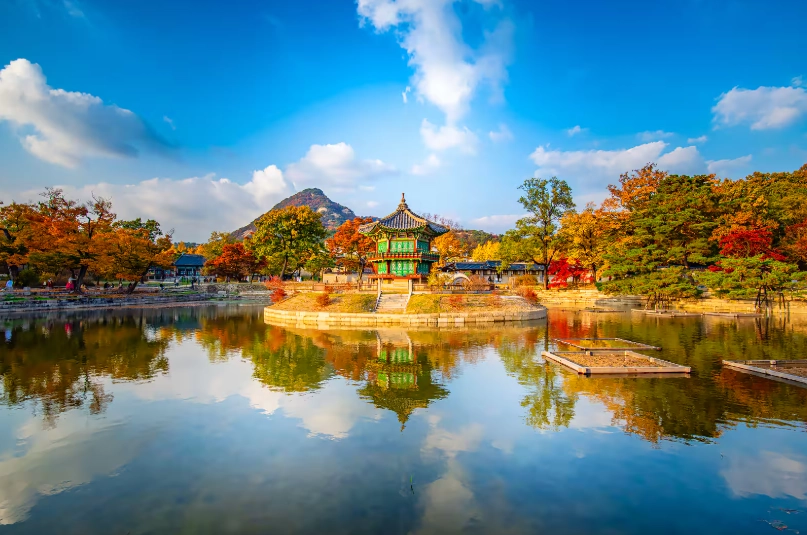
Gyeongbokgung Palace: Do It Right
Address: 161 Sajik-ro, Jongno-gu, Seoul.
Hours: 9:00 AM - 6:00 PM (Closed Tuesdays). Last entry 5:00 PM.
Admission: 3,000 KRW (about $2.20).
Getting There: Gyeongbokgung Station (Seoul Subway Line 3, Exit 5).
Here's the secret most first-timers miss: time your visit with the Changing of the Guard ceremony (10:00 AM & 2:00 PM). It's free, spectacular, and lasts about 20 minutes. The bigger tip? Rent a hanbok (traditional Korean dress) from one of the dozens of shops nearby. Not only do you get stunning photos, but admission to the palace (and other palaces) becomes free. It pays for itself. Go early to beat the tour buses that swarm by 11 AM.
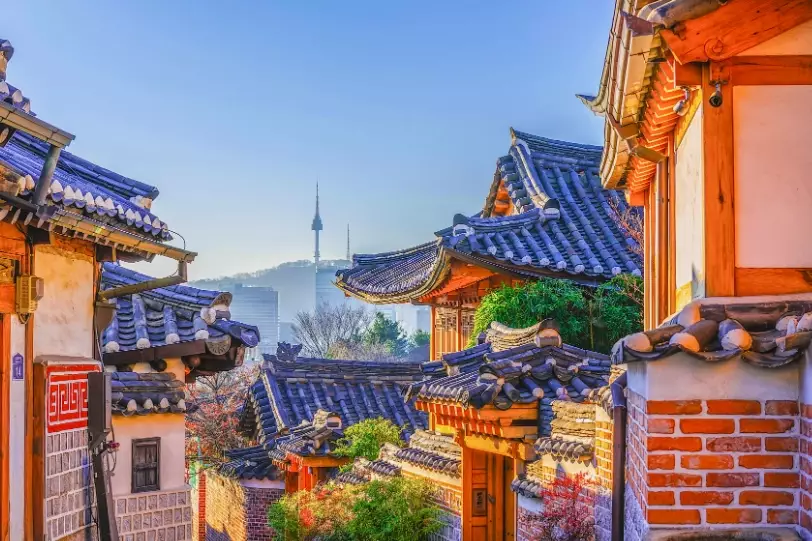
After the palace, walk through Bukchon Hanok Village. Yes, it's touristy, but the maze of traditional houses on a hillside is genuinely beautiful. The mistake people make is sticking only to the main alleys. Wander off. You'll find quiet corners, tiny art galleries, and traditional tea houses like Cha Masineun Tteul.
Local Insight: Combine Gyeongbokgung, Bukchon, and the traditional Insadong street in one walkable loop. Insadong is for souvenirs and art—skip the generic trinkets and look for handmade hanji (paper) goods or a custom name stamp (dojang). For lunch, find a hole-in-the-wall serving galbi jjim (braised short ribs).
Changdeokgung Palace & The Secret Garden
If you only see one palace besides Gyeongbokgung, make it this one. A UNESCO site, it feels more organic. The Huwon (Secret Garden) requires a separate, guided tour ticket (usually 5,000 KRW). Book this online in advance through the Official Royal Palace Cultural Heritage Site. Tours sell out, especially in autumn when the foliage is insane.
The Pulse of Modern Seoul
Seoul's modern districts each have a distinct personality. Picking the right one for your vibe is key.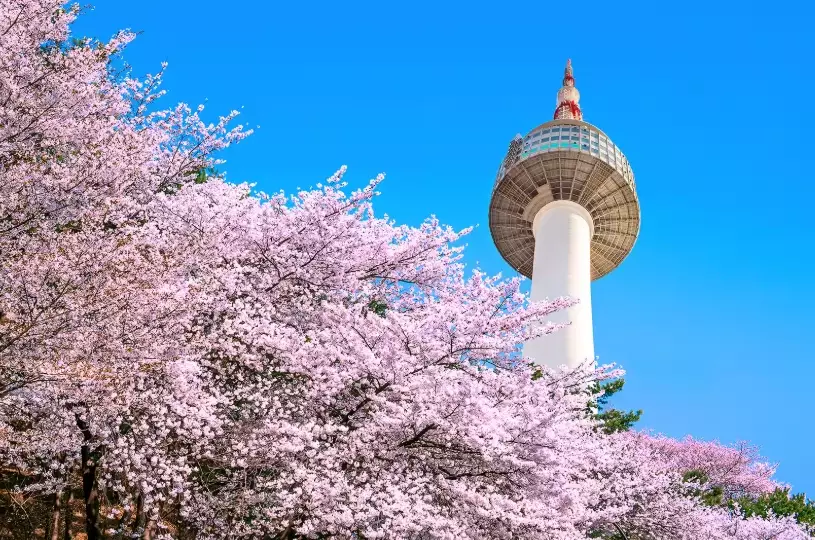
Myeongdong: Shopping & Street Food Frenzy
This is ground zero for cosmetics shopping and street food. It's chaotic, bright, and exhausting in the best way. Hours: Shops open late afternoon, peak from 7-10 PM. Subway: Myeongdong Station (Line 4).
Don't just buy the first skincare you see. Olive Young is the major pharmacy/cosmetics chain—compare prices. The real magic is the street food. Tear-shaped dumplings (gunmandu), cheesy lobster tails, and strawberry mochi are staples. Bring cash (many stalls are cash-only) and an empty stomach.
Hongdae: Youth, Art & Nightlife
Born from Hongik University's art college, this area is for the young and young-at-heart. Expect indie bands performing in tiny clubs, quirky cafes (like a sheep cafe or a raccoon cafe—yes, really), and some of the best people-watching in Korea. Hongdae's Free Market (Saturdays 1-6 PM) showcases handmade crafts by local artists.
Nightlife here is less polished than Gangnam and more fun. Clubs like Club FF or NB2 are iconic. A common frustration? Many "clubs" are actually just expensive table-service bars. Read the door policy.
Gangnam: Glamour & K-Pop
Yes, that Gangnam. It's sleek, wealthy, and sprawling. Visit the COEX Mall—Asia's largest underground mall—to see the famed Starfield Library, a massive public library with towering bookshelves. It's a photo hotspot. For a touch of K-pop, the SMTOWN Coex Artium (owned by SM Entertainment) is a museum, merch store, and cafe dedicated to stars like EXO and aespa.
Feeling fancy? Gangnam has Michelin-starred restaurants. Feeling more casual? The backstreets of Sinsa-dong (Garosu-gil) are lined with designer boutiques and chic cafes.
The Han River & N Seoul Tower
The Han River parks (like Yeouido or Banpo Hangang Park) are where locals relax. Rent a bike, have a picnic (you can order chicken delivery right to your picnic mat!), and watch the Banpo Bridge Rainbow Fountain show at night (shows at 7:30, 8:00, 8:30, 9:00 PM from April-October).
N Seoul Tower on Namsan Mountain offers the classic panoramic view. Go just before sunset to see the city transition from day to night. The "Locks of Love" fences are iconic, if a bit crowded. Cable car round-trip: 14,000 KRW.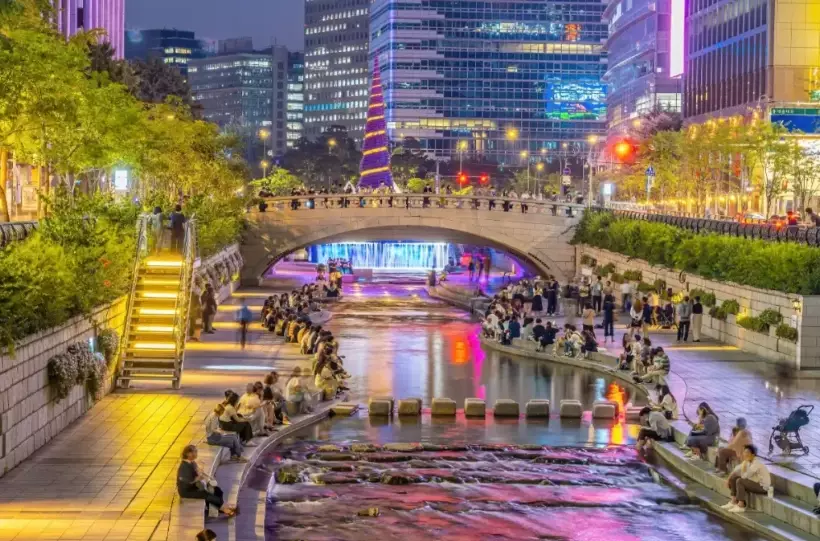
The Non-Negotiable Food Journey
You haven't been to Seoul if you haven't eaten. Here are specific spots, not just dish names.
1. Gwangjang Market: The Ultimate Food Hall
Address: 88 Changgyeonggung-ro, Jongno-gu.
Must-Eat: Bindaetteok (mung bean pancakes), mayak gimbap ("drug" kimbap), and yukhoe (Korean beef tartare).
Vibe: Loud, authentic, shared seating. It was featured on Netflix's "Street Food."
Go to stall A-01 or A-02 for the classic bindaetteok experience. A plate and a beer is the perfect lunch.
2. Mingles: For a Splurge
Address: 19 Dosan-daero 67-gil, Gangnam-gu.
Cuisine: Contemporary Korean (Michelin 2-Star).
Price Point: Tasting menus start around 180,000 KRW.
Why: Chef Mingoo Kang reinterprets Korean classics with stunning technique. Book months in advance via their website. This isn't just a meal; it's a masterclass.
3. A Random Pojangmacha (Tent Bar)
You'll find these plastic tents on sidewalks, especially near office areas after work. They serve soju, beer, and anju (side dishes like tteokbokki, odeng, and fried chicken). It's the most authentic Seoul drinking experience. Don't be shy—point at what others are eating. A typical night might cost 20,000-40,000 KRW per person.
One more tip: Korean BBQ is everywhere. Look for places with a local crowd and charcoal grills. Myeongdong has overpriced tourist traps. Venture to Mapo or Seongsu for better quality. A good rule: if the menu has pictures with 10 languages, keep walking.
Crafting Your Perfect 3-Day Seoul Itinerary
Here’s a balanced, action-packed plan that mixes history, culture, food, and modern vibes.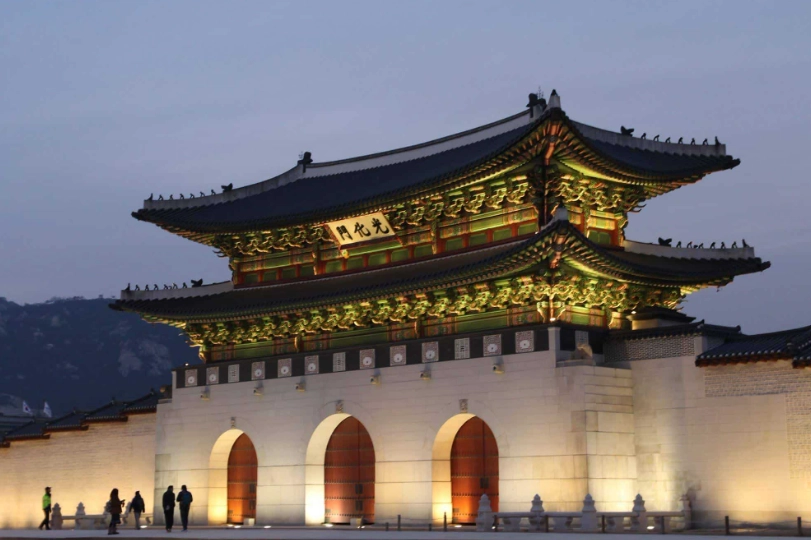
| Day | Morning | Afternoon | Evening |
|---|---|---|---|
| Day 1: History & Tradition | Gyeongbokgung Palace (catch 10 AM guard change). Rent hanbok for free entry & photos. | Walk through Bukchon Hanok Village. Lunch in Insadong (galbi jjim). Browse traditional crafts. | Dinner at Gwangjang Market. Explore the lantern-lit Cheonggyecheon Stream. |
| Day 2: Modern Culture & Shopping | Changdeokgung Palace & Secret Garden (booked tour). | Myeongdong for shopping & street food lunch. Relax at a jjimjilbang (spa). | N Seoul Tower for sunset views. Dinner and nightlife in Hongdae. |
| Day 3: Local Vibes & Han River | Explore Ikseon-dong Hanok Village (trendy cafes in traditional houses). | Gangnam: COEX Mall & Starfield Library. Optional K-pop stop at SMTOWN. | Picnic dinner at Banpo Hangang Park. Watch the Rainbow Fountain show. |
Have more time? Add a day trip to the DMZ (book with a licensed tour operator like Koridoor) or the picturesque Nami Island.
Pro Tips to Avoid Tourist Traps & Save Money
- T-Money Card: Buy this rechargeable card at any convenience store. It works on all subways, buses, and even in taxis. Saves you from buying single tickets every time.
- KakaoMap or Naver Map: Google Maps is unreliable for transit in Korea. These local apps give precise walking and transit directions.
- Taxi Colors Matter: Gray, Orange, White = regular taxis (cheapest). Black = deluxe (more expensive). Always ensure the meter is running.
- Cash is King in Markets: While cards are widely accepted, street vendors and small market stalls often prefer cash. Withdraw from global ATMs in convenience stores (7-Eleven, CU).
- Learn Five Korean Phrases: "Annyeonghaseyo" (Hello), "Kamsahamnida" (Thank you), "Eolmayeyo?" (How much?), "Juseyo" (Please give me), "Hwa-jangshil odi-eyo?" (Where is the bathroom?). Effort goes a long way.
- Jjimjilbang (Korean Spa): For a unique and affordable experience, visit a 24-hour spa like Siloam Sauna near Seoul Station. For about 12,000 KRW, you get saunas, hot baths, and a place to nap. It's a cultural immersion and a budget accommodation hack rolled into one.
Seoul Travel FAQs Answered
 Is Seoul an expensive city for travelers on a budget?
Seoul demands to be experienced, not just seen. It’s in the steam rising from a shared pot of budae jjigae, the silent respect inside a centuries-old pavilion, and the relentless energy of its neon-drenched streets. Use this guide as your starting point, then get lost. Your own favorite Seoul moment is waiting in a side street you haven't turned down yet.
Reader Comments