Quick Navigation Through Calgary's Highlights
Let's be honest. When most people think about what to see in Calgary, the Calgary Stampede is the first thing that pops into their head. And for good reason—it's a massive, chaotic, boot-stompping good time. But here's the thing I learned after living there for a bit: if you only plan your trip around the Stampede (or worse, think that's all there is), you're missing out on about 90% of what makes this city genuinely interesting.
Calgary has this weird, wonderful identity crisis. It's a modern, glass-and-steel business hub fueled by energy, but it's nestled right on the doorstep of the most breathtaking wilderness you can imagine. It's got a surprisingly vibrant arts scene tucked between steakhouses and sports bars. Figuring out what to see in Calgary is really about peeling back those layers.
The Non-Negotiables: Calgary's Iconic Sights
Okay, let's start with the big hitters. These are the places you'll see on every postcard and travel site. They're popular for a reason, and some are genuinely worth the hype. I'll tell you which ones I think are can't-miss and which ones you can maybe view from a distance.
The Calgary Tower
Yes, it's the obvious one. That needle-like structure defining the skyline. The view from the top is, unsurprisingly, spectacular. On a clear day, you can see all the way to the Rockies. The glass floor section is a fun little thrill. But my take? Go up for the view, but don't plan to spend half a day here. An hour is plenty. It's the best orientation you can get—you'll see the Bow River snaking through, the densifying downtown, and the endless prairie meeting the mountains. It answers the basic "what to see in Calgary" question from a bird's-eye view. Check their official site for sunset times; that's the prime slot.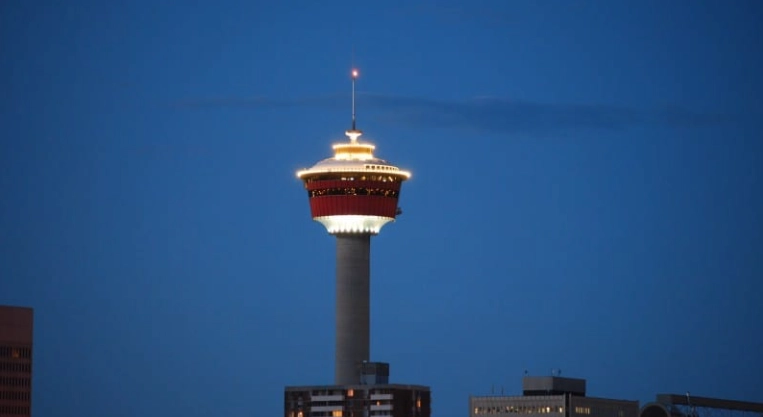
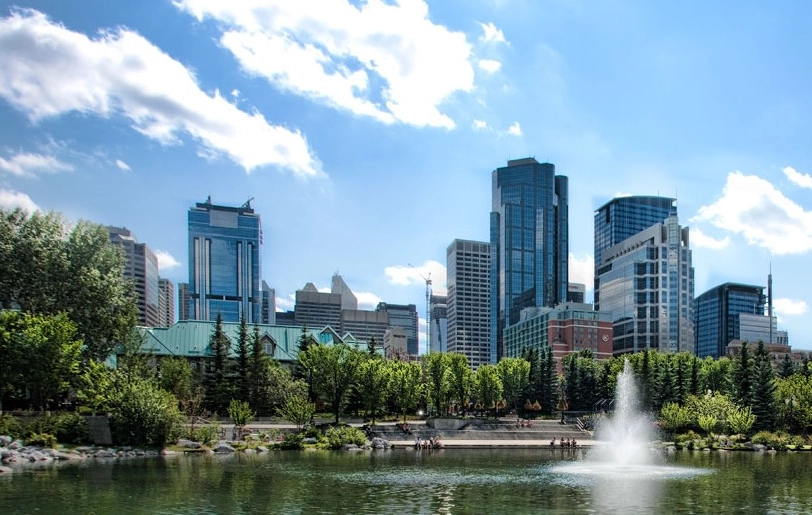
Prince's Island Park & The Bow River Pathways
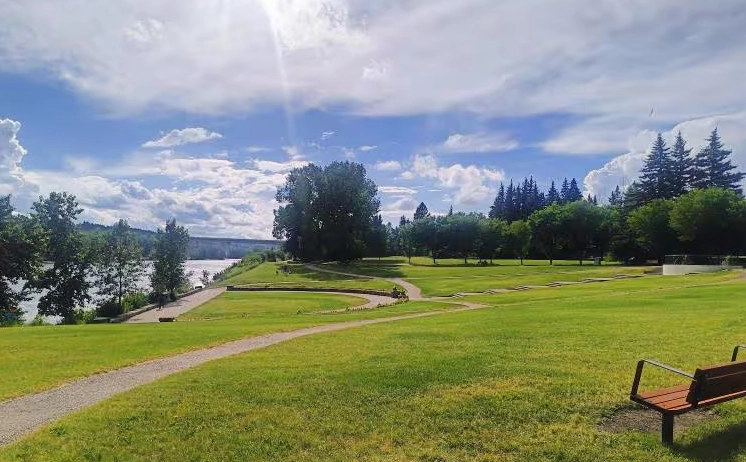
This is where Calgary shines for me. While the tower gives you the view, the river pathways give you the feel. The network of paths along the Bow and Elbow Rivers is insane—over 1000 km of them. You can rent a bike or just walk. Prince's Island Park itself is an urban oasis. In summer, it's full of people picnicking, and it's home to the Calgary Folk Music Festival. In winter, it's a serene, frosty landscape. This isn't just a park; it's the city's backyard. If you want to see how Calgarians live, come here on a Saturday afternoon.
 Heritage Park Historical Village
This is a big one, especially for families. It's not just a few old buildings—it's a massive living history village depicting life from the 1860s to the 1950s. They have a working steam train, paddlewheel boat rides on the Glenmore Reservoir, antique rides, and historical interpreters in period costume. It's cheesy in the best possible way. I have to admit, the candy store in the old-town section is fantastic. It gives you a tangible sense of how this part of Alberta was settled. It's a full-day affair, so plan accordingly. Their calendar of events is packed, so see what's on before you go.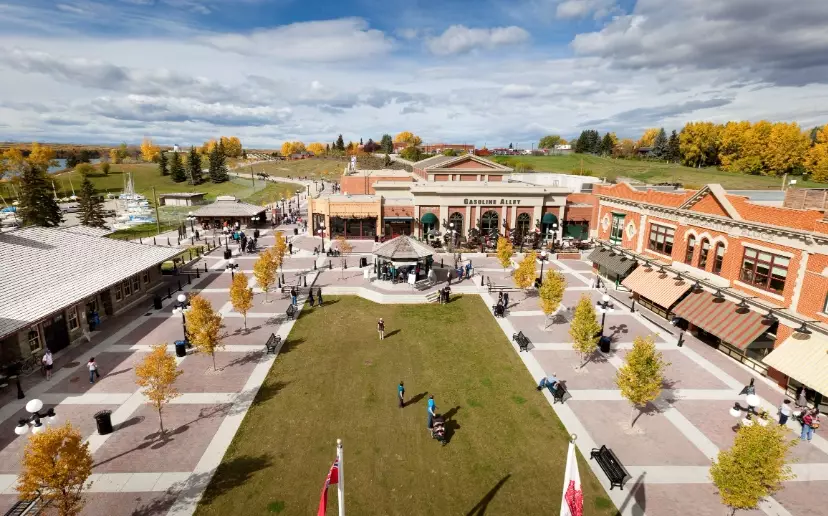
Culture, Arts & The Urban Pulse
This is the part that often surprises visitors. Calgary's not all cowboys and oil rigs.
Studio Bell, home of the National Music Centre
This building alone is a reason to visit the East Village. It's a stunning piece of architecture, with nine floors of interconnected towers housing incredible music-related artifacts. We're talking Elton John's piano, rare electronic instruments, and the actual recording console from RCA's legendary Studio B. You can spend hours here playing interactive exhibits, listening in immersive rooms, and learning about Canada's music history. Even if you're not a massive music nerd, the building's design and energy are worth the price of admission. It's a world-class facility that completely changed my perception of what to see in Calgary culturally.
The Glenbow Museum
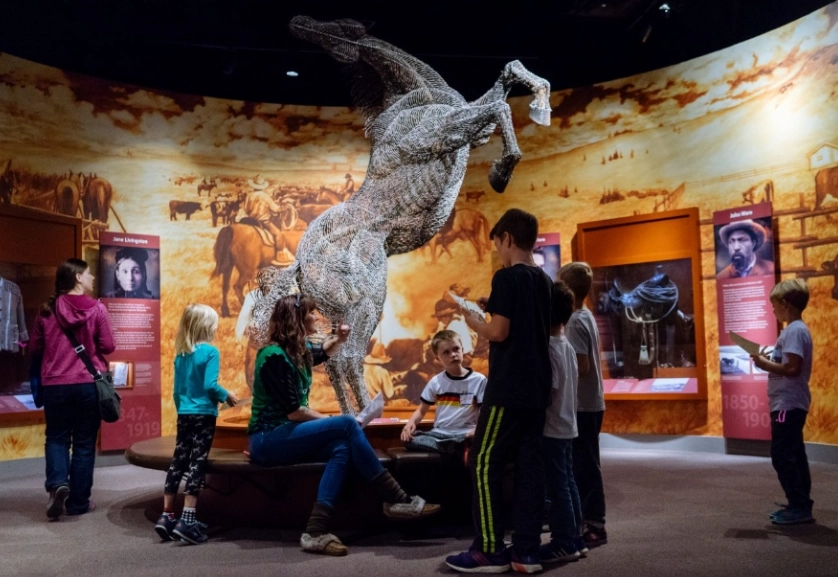
Right downtown, the Glenbow is the granddaddy of Western Canadian museums. Its collections are deep, focusing on Indigenous cultures of the Northern Plains, the history of Western Canada, and a solid assortment of global military and mineralogy pieces. The Blackfoot gallery is particularly powerful. It's more traditional than Studio Bell—think artifacts behind glass with detailed plaques—but the depth is impressive. It provides crucial context for everything else you'll see in the province.
 Stephen Avenue Walk (8th Avenue S.W.)
This is the city's main pedestrian-only historic street during the day (vehicles allowed at night). Lined with beautiful early 20th-century sandstone buildings, it's the heart of downtown's shopping and dining. You've got everything from big retailers in the Core shopping centre to tiny independent shops. The architecture is the real star here—look up above the modern storefronts to see the original facades. The Fairmont Palliser Hotel at one end is a historic landmark worth peeking into, even if you're not staying there.
What's the vibe like? It's bustling on a weekday lunch hour, more relaxed on weekends. A great place for people-watching.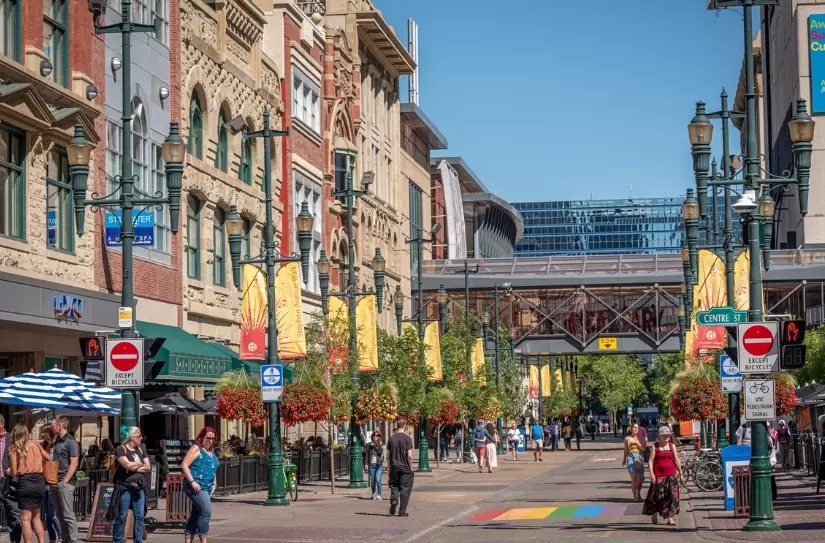
Neighbourhoods Worth Wandering
Calgary's neighbourhoods each have a distinct personality. Getting out of the downtown core is key to understanding the city.
Inglewood & Ramsay
Claiming to be Calgary's oldest neighbourhood, Inglewood is the go-to for eclectic, artsy vibes. It's a bit grungy, full of character, and packed with independent boutiques, antique shops, record stores, and some of the city's best cafes and restaurants. You can spend a whole afternoon poking around here. Stop by the Esker Foundation for contemporary art (it's free). Just across the river in Ramsay, you'll find the iconic Studio Bell and more great food. These areas answer the "where do locals go?" side of what to see in Calgary.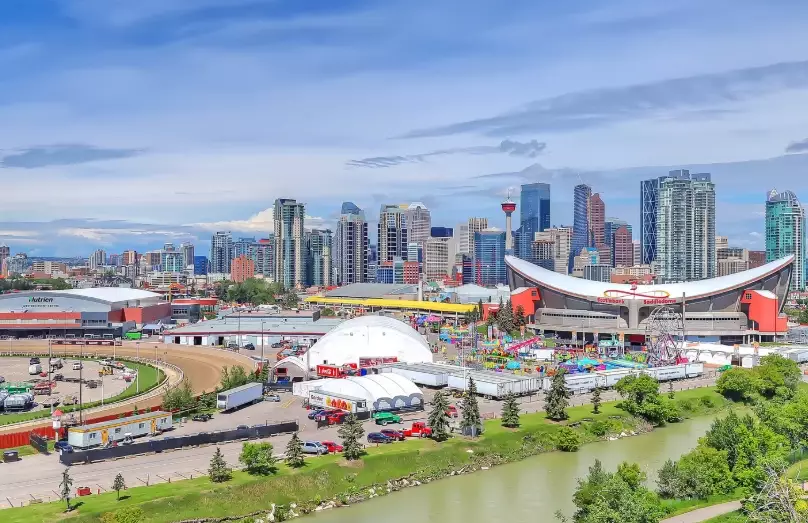
Kensington ("The Village")
Across the Bow River from downtown, Kensington is another walkable, vibrant district. It feels a bit more polished than Inglewood but still has tons of independent spirit. Great bookstores, quirky gift shops, cozy pubs, and restaurants with patios perfect for summer evenings. It's connected to downtown by a pleasant walk across the Peace Bridge—another piece of striking modern architecture (it's a bright red, helical tube).
17th Avenue S.W. (The Red Mile)
This is the city's main artery for nightlife, trendy dining, and shopping. It's energetic, sometimes loud, and where a lot of the social scene happens. During the NHL playoffs when the Calgary Flames are in, it's famously rowdy. Even on a regular day, it's packed with energy. It's less about quiet wandering and more about feeling the city's pulse.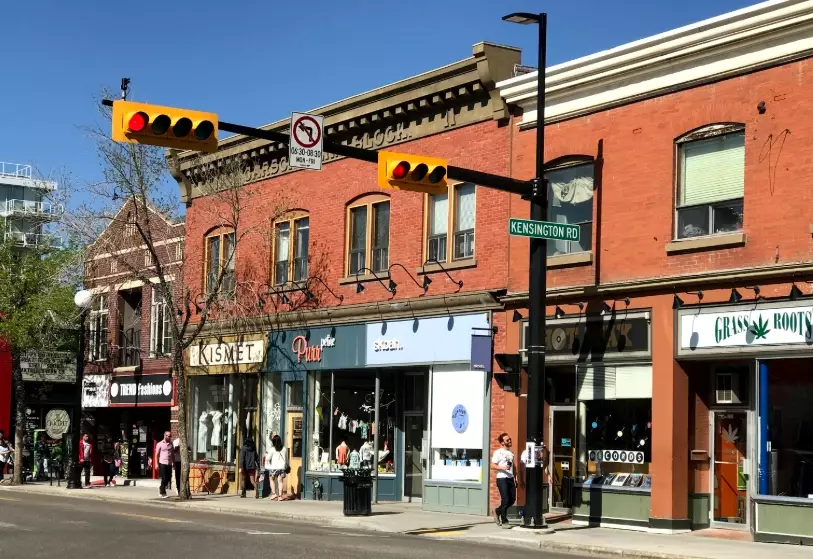
For Families: What to See in Calgary with Kids
Calgary is fantastic for families. Beyond Heritage Park, here are the heavy hitters.
Calgary Zoo
Located on St. George's Island in the Bow River, the Calgary Zoo is a premier attraction. It's organized by geographical zones: Canadian Wilds, Destination Africa, Eurasia, etc. The Penguin Plunge is a huge hit, and the prehistoric park with dinosaur animatronics is fun for all ages. They have a strong focus on conservation and endangered species breeding programs. It's a big, well-maintained zoo that can easily fill a day. My one gripe? The food inside is expensive and not great—pack a picnic if you can.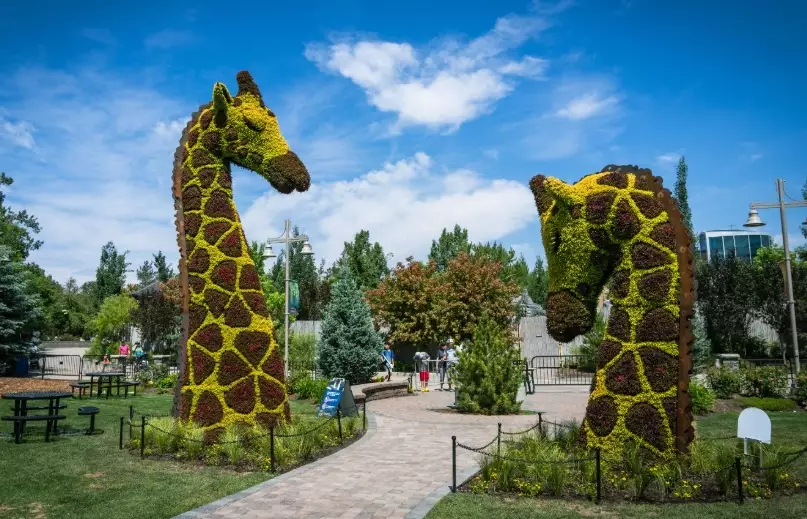
TELUS Spark Science Centre
This isn't your dusty old science museum. It's a hands-on, interactive playground for curious minds of all ages. Kids can run wild building structures, experimenting with light and sound, and playing in the creative kids' area. The HD digital dome theatre is stunning, showing nature and science films. It's designed to make learning physical and fun. If you're wondering what to see in Calgary on a rainy or freezing cold day, this is your answer.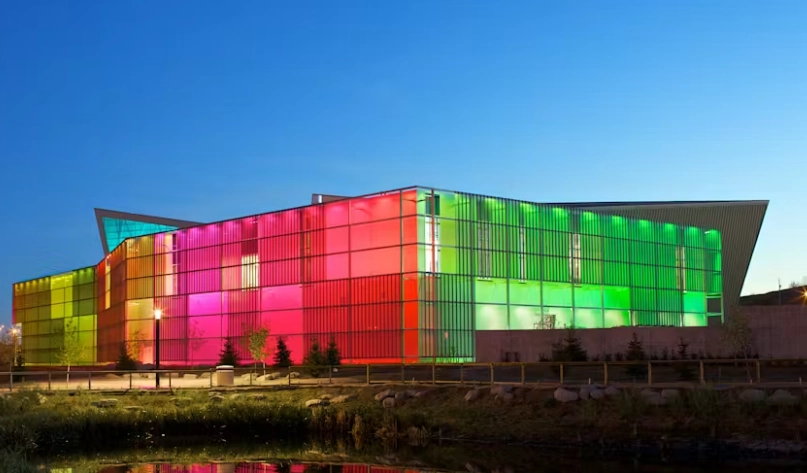
Calgary Farmyard (Seasonal)
A bit of a drive northeast of the city, but if you're here with younger kids in summer or fall, it's a winner. It's a working farm with a huge play area, pedal go-karts, a giant jumping pillow, animal encounters, and seasonal activities like pumpkin picking. It's pure, simple, outdoor fun.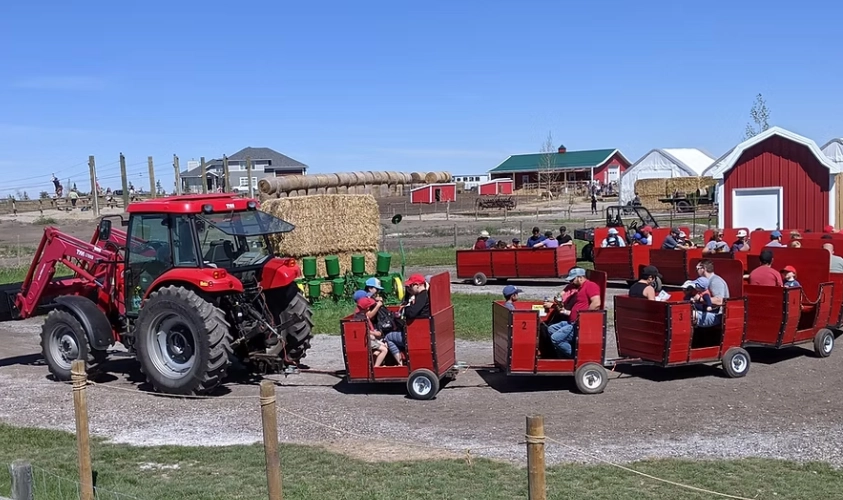
The Great Outdoors (Within City Limits
This is Calgary's secret weapon. The proximity to nature is unreal.
Fish Creek Provincial Park
This isn't just a park; it's one of the largest urban provincial parks in North America. It's a massive slice of wilderness right in the southern part of the city. You can hike or bike for hours on its extensive trails, spot deer and coyotes, and explore areas like the historic Bow Valley Ranch. It feels miles away from the urban sprawl. Essential for any list of what to see in Calgary for nature lovers.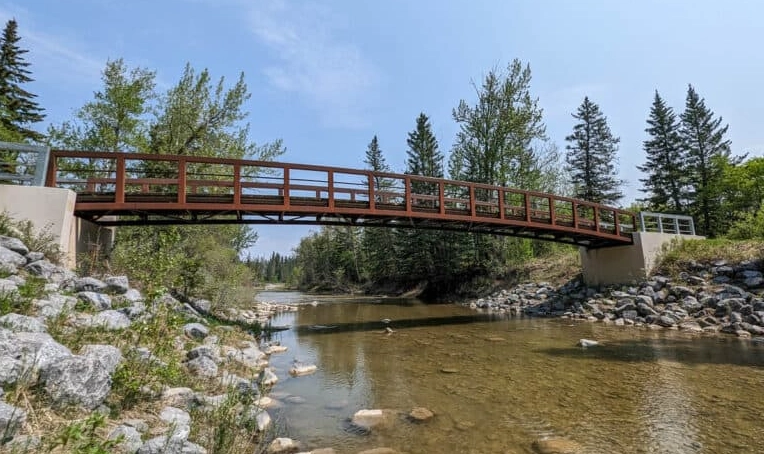
Nose Hill Park
Another massive natural space, this one a sprawling prairie grassland atop a hill in northwest Calgary. The 360-degree views of the city and the Rockies are phenomenal. It's often windy up there, but it's a beautiful, lonely landscape covered in wildflowers in the spring and summer. You'll see people walking dogs, flying kites, and just soaking in the vast sky.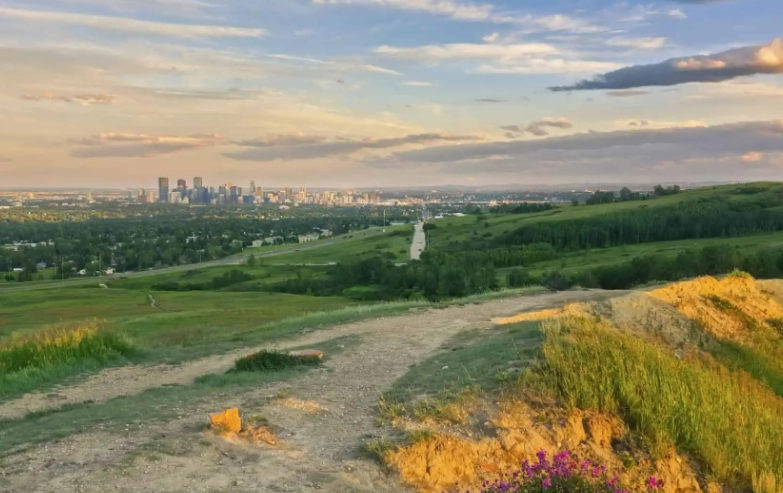
Bowness Park & Shouldice Park
On the Bow River in the northwest, Bowness Park is a classic. In summer, you can rent a paddleboat, take a ride on a miniature train, or have a BBQ. In winter, it transforms into a magical skating lagoon on a cleared section of the river. Shouldice Park, nearby, has great sports fields and another lovely stretch of river pathway.
Planning Your Visit: Practical Considerations
Alright, you've got the list of what to see in Calgary. Now, how do you make it happen?
Getting Around
Downtown and the inner-city neighbourhoods are very walkable. The CTrain (light rail transit) is free in the downtown core (between City Hall and West/Kerby stations)—a huge perk. It's the easiest way to get to places like the Stampede grounds, the Zoo, and Heritage Park. For everything else, you'll likely want a car. Rideshares are plentiful. Parking downtown is expensive, but most major attractions have their own lots.
When to Go
This is crucial. Calgary's weather is famously unpredictable.
| Season | Pros | Cons | Best For |
|---|---|---|---|
| Summer (Jul-Aug) | Warm, long days, all attractions open, major festivals (Stampede, Folk Fest). | Crowded, most expensive accommodation, can have smoky days from wildfires. | First-time visitors wanting the full experience. |
| Fall (Sep-Oct) | Beautiful foliage, pleasant temps, fewer crowds, lower prices. | Unpredictable weather (can snow early), some outdoor/seasonal attractions close. | Hikers, photographers, budget travelers. |
| Winter (Nov-Mar) | Magical winter landscapes, skiing/snowboarding nearby, festive events, low prices. | Can be bitterly cold (-20°C to -30°C), short days, some attractions have reduced hours. | Winter sports enthusiasts, those seeking a cozy city break. |
| Spring (Apr-Jun) | Shoulder season prices, longer days, green spaces come alive. | "Mud season," very unpredictable (snow, rain, sun all in one day). | Flexible travelers who don't mind variable weather. |
How Long Do You Need?
A long weekend (3-4 days) is enough to hit the major downtown and cultural highlights. A full week lets you explore the neighbourhoods deeply, take a day trip to the Rockies (Banff is about a 90-minute drive), and not feel rushed. Honestly, you could fill two weeks if you love hiking and want to explore the surrounding area thoroughly.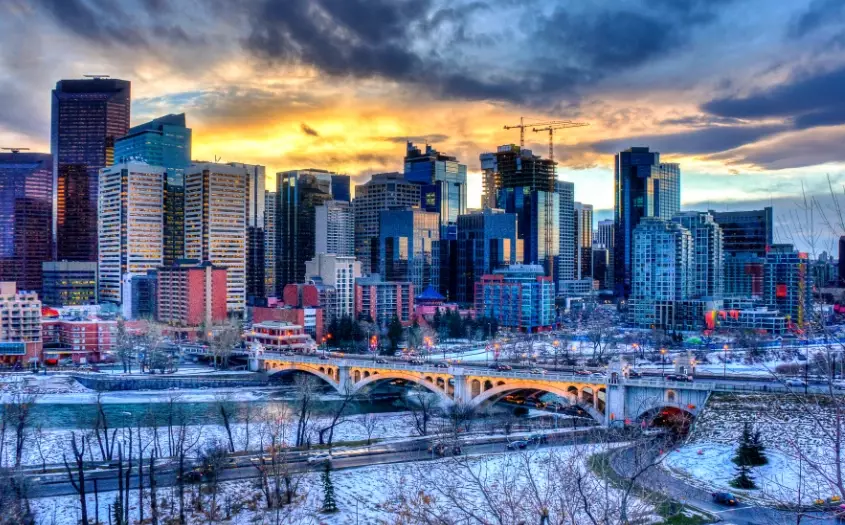
Answering Your Questions: The Calgary FAQ
Here are some specific things people always ask when figuring out what to see in Calgary.
So, there you have it. A massive, hopefully helpful, and very personal rundown of what to see in Calgary. It's a city that rewards a bit of curiosity. Pack for all weather, bring good walking shoes, and get ready to be surprised.
Reader Comments