Quick Guide to This Beach Breakdown
- Why Choose the Gulf Side Over the Atlantic?
- A Beach-by-Beach Breakdown: Finding Your Perfect Match
- Beyond the Sand: What To Actually *Do* on the Gulf Coast
- The Nitty-Gritty: Planning Your Trip to West Coast FL Beaches
- Answering Your Big Questions (The FAQ Section)
- Wrapping It Up: Your Slice of Gulf Coast Paradise
Let's talk about the Florida Gulf Coast. You know, the side that doesn't have the Atlantic waves crashing or the Miami neon. It's a different world over here. When people search for beaches west coast fl, they're usually picturing something specific: calm, bathtub-warm water, sand so fine it feels like powdered sugar, and sunsets that look like they're straight out of a painting. And honestly? That's exactly what you get, but there's so much more to it than just a pretty view.
I've spent more time than I can count hopping between these coastal towns, from the busy piers up near Panama City down to the quiet, shell-covered shores of Sanibel. The vibe changes every fifty miles. One minute you're in a spring break hotspot (which I tend to avoid now, personally), and the next you're on a nearly deserted stretch where the loudest sound is the herons squawking.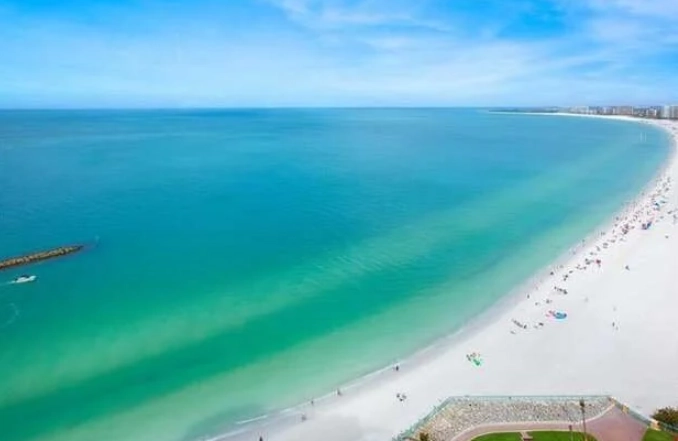
What Exactly is "Florida's West Coast"? Geographically, it's the Gulf of Mexico shoreline stretching from the Panhandle (like Pensacola and Destin) all the way down to the Everglades and the Keys (which have their own vibe). But when most folks say "west coast FL beaches," they're often thinking of the central and southern Gulf coast—the stretch from the Tampa Bay area down through Fort Myers and Naples. That's where you find those iconic, gentle, family-friendly shores.
Why Choose the Gulf Side Over the Atlantic?
It's not better, just different. And it might be more "you."
The Atlantic coast has its perks—big waves for surfers, a faster pace. But the beaches on Florida's west coast are the relaxation specialists. The Gulf of Mexico acts like a giant, shallow bowl, which means the waves are usually gentle, sometimes barely a ripple. This makes it heaven for little kids, for stand-up paddleboarding, or for just floating around without getting knocked over. The water is also consistently warmer for more months of the year. I've gone for a swim in late October and it was still blissful.
The sand is another thing. It's famously white and quartz-based, so it doesn't get scorching hot like some darker sands can. It's fine and soft. You'll understand the first time you wiggle your toes in it.
My first real memory of a Florida gulf coast beach was Clearwater. I was expecting nice sand, sure. But I wasn't prepared for how clean and wide the beach was, or how the sunset brought out a whole crowd of people just... watching. It felt like a daily community event. That's when I got it.
But it's not all perfect. Red tide can be an issue some years, mostly in the late summer or fall. It's a natural algae bloom that can irritate your throat and eyes and affect marine life. It's not always present, but it's good to check the Florida Fish and Wildlife Conservation Commission's red tide status map before you go if you're sensitive. Also, because it's so popular, some of the main west coast Florida beaches near cities can get packed. Finding your quiet spot requires a little strategy.
A Beach-by-Beach Breakdown: Finding Your Perfect Match
This is the heart of it. You wouldn't buy a car without knowing the model, right? Same with picking your beach. They all have different personalities.
The Tampa Bay Area Powerhouses
This is where you get world-class amenities right next to the sand.
Clearwater Beach: This is the superstar, constantly winning awards. The beach is spectacular—wide, soft, and buzzing with energy. The pier is a hub, there are beach volleyball courts, and you can rent everything from jet skis to cabanas. It's fantastic for families who want everything at their fingertips. The downside? It can feel crowded and a bit commercial. Parking is a pain and can be expensive. If you want a lively, "everything's here" experience, this is your spot. If you want solitude, look further south.
St. Pete Beach & Fort De Soto Park: St. Pete Beach has a slightly more laid-back, retro feel than Clearwater, with great hotels and restaurants lining Gulf Boulevard. But the real gem, in my opinion, is Fort De Soto Park, a short drive south. This is a massive county park with miles of beaches, calm lagoons perfect for little kids, historic fort ruins to explore, and a fantastic dog beach (North Beach). The parking fee is reasonable, and you can find quieter stretches. It feels more natural and preserved. You can spend a whole day here easily. The Pinellas County Parks page for Fort De Soto has all the details on hours and fees.
The Cultural & Quiet Gems: Sarasota and its Keys
Sarasota brings an artsy, sophisticated flair to the beach scene.
Siesta Key: Famous for its sand—it's 99% quartz, so it's always cool and feels like flour. Siesta Beach is huge and has great facilities. It gets busy, but there's room. The village has fun bars and shops. A quieter alternative is Turtle Beach on the south end, which is wider and has more shells. The vibe here is upscale-casual.
Lido Key & Longboat Key: Lido has a nice public beach and is close to the shops and dining of St. Armands Circle. Longboat Key is more residential and luxurious, with beautiful, less-crowded public beach accesses tucked between mansions. These are great for a more refined, relaxing day.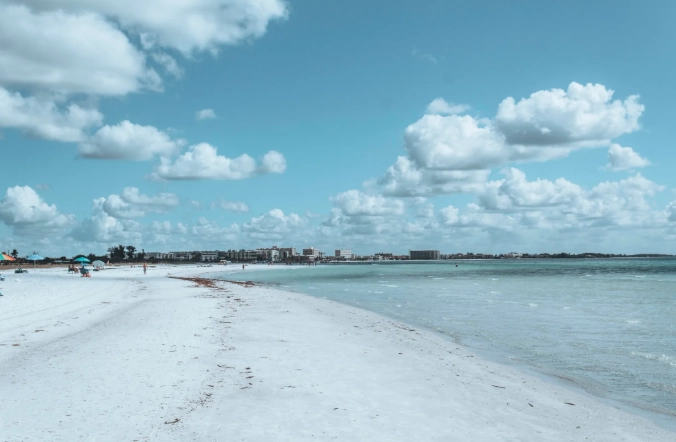
Local Tip: Parking at Siesta Key can be a nightmare in peak season. Get there before 10 AM, or consider using the Sarasota County public beach trolley. It's cheap and saves you the headache.
The Shelling & Nature Havens: South of Sarasota
This is where the beaches west coast fl start to feel wilder and more unique.
Captiva Island & Sanibel Island: These are the shelling capitals of the world, maybe even the universe. The islands are positioned just right to catch shells from the Gulf. Sanibel is famous for the "Sanibel Stoop"—everyone walking around bent over, looking for treasures. Bowman's Beach on Sanibel is my favorite for a long, scenic walk. Captiva feels even more tropical and intimate. Be prepared to pay a toll to get over the causeway, and everything is a bit more expensive, but it's a one-of-a-kind experience. Don't go expecting raging nightlife; go for nature, quiet, and incredible shells.
Naples & Marco Island: Naples is polished, elegant, and wealthy. The beaches, like Vanderbilt Beach, are gorgeous and well-maintained. The iconic Naples Pier is great for fishing and sunset views. Marco Island is the largest of Florida's Ten Thousand Islands and feels more like a resort community. Tigertail Beach on Marco is fascinating—you can wade through a lagoon to a secluded sand spit, seeing all sorts of birds. It's an adventure.
To make comparing these major spots easier, here's a quick look:
| Beach Area | Best For | Vibe | Considerations |
|---|---|---|---|
| Clearwater Beach | Families, action, first-timers, sunsets | Energetic, commercial, lively | Can be crowded/expensive; paid parking |
| Fort De Soto Park | Nature lovers, kayaking, families, dog owners | Natural, spacious, historic | Small entrance/parking fee; more facilities at main area |
| Siesta Key | Iconic sand, upscale-casual vibe, village life | Relaxed yet social, beautiful | Major parking challenges in season |
| Sanibel Island | Shelling, biking, wildlife, peace & quiet | Natural, focused, unique | Toll bridge, slower pace, shelling is the main event |
| Naples Beaches | Upscale relaxation, scenic pier, elegant dining | Polished, serene, sophisticated | Less "beachy town" feel, more spread out |
Beyond the Sand: What To Actually *Do* on the Gulf Coast
Okay, you've picked your beach. You can't just lie there for a week straight... or can you? Well, if you want to mix it up, here's what makes these Florida west coast beaches destinations, not just strips of sand.
Because the Gulf is so calm, it opens up a world of easy fun. You don't need to be an expert to try paddleboarding here—it's peaceful and you might see dolphins or manatees. Kayaking through the mangroves (like at Lovers Key State Park near Fort Myers) is like entering another world—quiet, green, and full of life. Dolphin-watching tours are everywhere, and they're usually a hit. I'm a bit skeptical of the big, crowded booze-cruise type tours, but the smaller eco-tours run by naturalists are worth it.
Then there's the food. This is a huge part of the experience for me.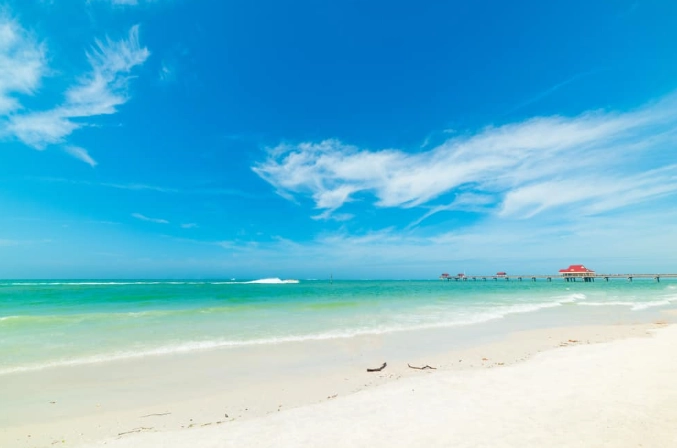
Forget basic hot dogs. We're talking about fresh, local seafood shacks where you eat with your feet in the sand. Think grouper sandwiches, smoked fish dip, stone crab claws (in season), and key lime pie that puts any green, gelatinous version to shame. In places like Anna Maria Island or Cedar Key (a bit north, but worth the trip), the seafood is the star of the show. My rule? If the menu is plastered with chain restaurant logos, walk away. Find the place with the handwritten specials board and a line of locals.
The best meal I had last trip wasn't in a fancy Naples restaurant. It was at a tiny, weathered shack on a side road, eating peel-and-eat shrimp off a paper plate. That's the gold.
And let's not forget the towns themselves. St. Petersburg has an incredible downtown with the Salvador Dali Museum. Sarasota has the Ringling Museum. Tarpon Springs has a rich Greek sponge-diving heritage. Dunedin feels like a little slice of Scotland with great breweries. The beach is your anchor, but these cultural pockets give your trip depth.
The Nitty-Gritty: Planning Your Trip to West Coast FL Beaches
This is the stuff that can make or break your vacation. Let's get practical.
When to Go
Peak season is winter and spring (December through April). The weather is perfect—warm, sunny, low humidity. It's also the most crowded and expensive. Summer (June-August) is hot, humid, and has afternoon thunderstorms almost like clockwork. But it's less crowded with families who live here, and hotel rates drop. The water is like a bath. Late fall (October-November) can be a sweet spot—still warm, fewer crowds, but watch for the tail end of hurricane season. Honestly, I love the shoulder seasons.
Getting Around & Parking
You need a car. Public transport between towns is limited. On the islands (Siesta, Sanibel, Captiva), parking is the #1 headache. Research public parking lots and their rates beforehand. Many towns offer free or cheap trolleys that run along the beach corridors in season—use them!
What to Pack (Beyond Sunscreen)
- Shelling Bag: If you're going to Sanibel or Captiva, a mesh bag is essential.
- Water Shoes: Not always needed on the soft sand, but great for rocky areas, kayaking, or if you're sensitive to occasional seaweed.
- Cooler: For drinks, snacks, and maybe that picnic lunch. It saves a fortune.
- Sun Protection Arsenal: Broad-brimmed hat, UV-protection shirt, and reef-safe sunscreen. The sun is intense year-round. The Florida DEP recommends using sunscreens without oxybenzone and octinoxate to help protect coral reefs.
- Bug Spray: For evenings, especially if you're near mangroves or inland.
Answering Your Big Questions (The FAQ Section)
Wrapping It Up: Your Slice of Gulf Coast Paradise
Choosing among the many beaches west coast fl has to offer is really about choosing your own adventure. Do you want the convenience and buzz of Clearwater? The natural, family-focused fun of Fort De Soto? The unique, treasure-hunt thrill of Sanibel? Or the polished ease of Naples?
Each one delivers that core promise of soft sand, gentle waves, and legendary sunsets. But they wrap it in different packages. My advice? Don't try to see them all in one trip. Pick a home base, explore that area deeply, and just... slow down. That's what the Gulf Coast teaches you. The pace is slower, the water is warmer, and the goal is to unwind.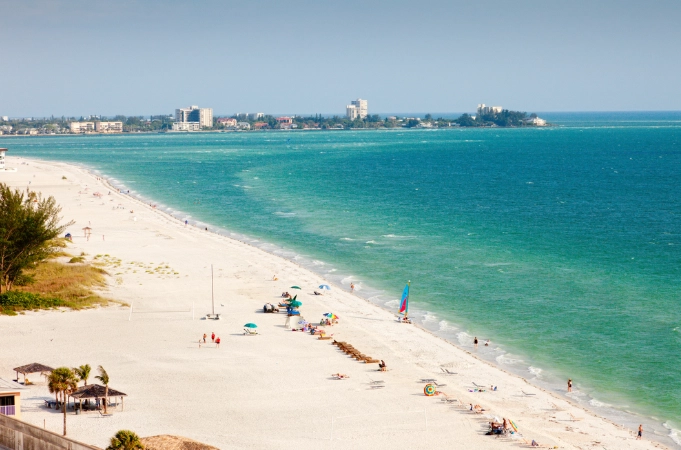
Do your homework on parking and fees, pack your patience (and your cooler), and get ready to experience one of the most genuinely relaxing beach destinations in the country. Just don't blame me if you get addicted to that sugar sand and those pastel sunsets. It happens to the best of us.
Reader Comments