My Wales Journey Highlights
- The Absolute Must-Sees: The Big-Hitter Attractions
- Diving into the Culture: The Things That Make Wales Unique
- The Active & Outdoorsy Stuff: Beyond Just Walking
- The Food & Drink Scene: It's Not Just Cawl
- Practical Stuff: Making Your Trip to Wales Actually Work
- Frequently Asked Questions About Visiting Wales
Okay, let's be honest. When you think of Wales, what pops into your head? Probably rolling green hills, a lot of sheep, and maybe a castle or two. I used to think the same way. But after spending what feels like half my life exploring the place—first as a clueless tourist, then as someone who genuinely fell for its weird, wonderful charm—I can tell you there's so much more to it. Planning a trip and looking for the best things in Wales to experience? You're in the right spot. This isn't a dry list copied from a brochure. It's the stuff I loved, the stuff that surprised me, and even the stuff that was a bit overrated (I'll be honest). We're talking epic landscapes that make you feel tiny, a language that sounds like song, and a culture that's fiercely proud and incredibly warm. Forget just ticking off sights; let's talk about actually experiencing the place.
The Absolute Must-Sees: The Big-Hitter Attractions
Let's start with the headline acts. These are the places you've likely seen pictures of, and for good reason. They deliver. But how do you experience them beyond the postcard shot?
Castles That Tell a Thousand Stories
Wales isn't called the "castle capital of the world" for nothing. With over 600 of them, you're tripping over history. But not all are created equal. Here’s my take on the top tier, the ones that are truly unmissable among all the historical things in Wales.
| Castle | Why It's Special | My Personal Tip | Best For |
|---|---|---|---|
| Conwy Castle | UNESCO World Heritage site. It's not just a castle; it's a perfectly preserved medieval walled town. The scale of the walls is breathtaking. | Walk the full circuit of the town walls. The views over the estuary and back to the castle towers are the best photo op, and it's often quieter than the castle interior. | Atmosphere, photography, feeling immersed in history. |
| Caernarfon Castle | The most imposing and symbolically powerful. Built to dominate, with unique polygonal towers and striped masonry. It's the site of the Prince of Wales investiture. | Don't just stick to the lower levels. Climb the Eagle Tower for the panoramic view. It's a thigh-burner but worth every step. | Grandeur, political history, iconic status. |
| Cardiff Castle | A bizarre and fascinating mix: a Roman wall, a Norman keep, and an outrageously opulent Victorian Gothic mansion plonked in the middle of the city. | Book the guided "House Tour" for the Victorian apartments. The clock tower and the Arab Room are mind-boggling. The basic ticket misses the best bits. | Architectural whimsy, contrast, a city-centre highlight. |
| Pembroke Castle | A massive, sprawling fortress on a rocky promontory. This one feels like a proper, defensive stronghold. You can even go down into a huge, damp cave beneath it (Wogan's Cavern). | This is a great one for kids or anyone who likes to explore nooks and crannies. It feels less manicured and more "real" than some others. | Exploration, family trips, raw medieval feel. |
Now, a bit of real talk. After your third or fourth castle, they can start to blur together. I hit major castle fatigue on one trip. My advice? Pick two or three that speak to you for their history or setting, and really spend time there. Don't try to tick them all off. For a different vibe, try Castell Coch (the fairytale castle in the woods) or the romantic ruins of Carreg Cennen perched on a cliff.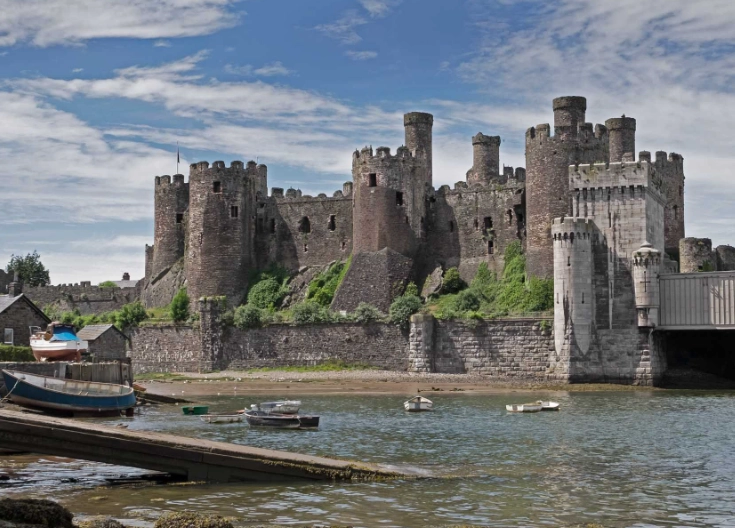
The National Parks: Where Wales Breathes
If the castles are Wales's history, the national parks are its soul. They cover about 20% of the country. You haven't really seen things in Wales until you've gotten lost in one of these.
Snowdonia (Eryri) is the big name, and for good reason. It's home to Mount Snowdon itself. But here's the thing: everyone aims for the summit, often via the busy Snowdon Mountain Railway or the packed Llanberis Path. My favourite thing to do in Snowdonia? Get away from the peak. The Ogwen Valley is brutally beautiful, with Tryfan's jagged ridge beckoning climbers. The Rhyd-Ddu Path up Snowdon is quieter and offers stunning views without the crowds. Or just drive the Llanberis Pass and stop wherever you fancy for a short walk. The information from Snowdonia National Park's official site is invaluable for planning walks and checking conditions.
Brecon Beacons (Bannau Brycheiniog) offers a different kind of beauty—softer, with sweeping moorland and those iconic rounded peaks. Walking the Four Waterfalls Walk in the Vale of Neath is one of the most satisfying half-day activities in South Wales. For a challenge, Pen y Fan, the highest peak, is a popular hike. But Pembrokeshire Coast is the real outlier. It's Britain's only coastal national park, and it's stunning. The Pembrokeshire Coast Path is a 186-mile masterpiece. You don't need to hike it all; a stretch from Broad Haven to Little Haven or around St Davids Head gives you the full drama: cliffs, seals, wildflowers, and empty beaches.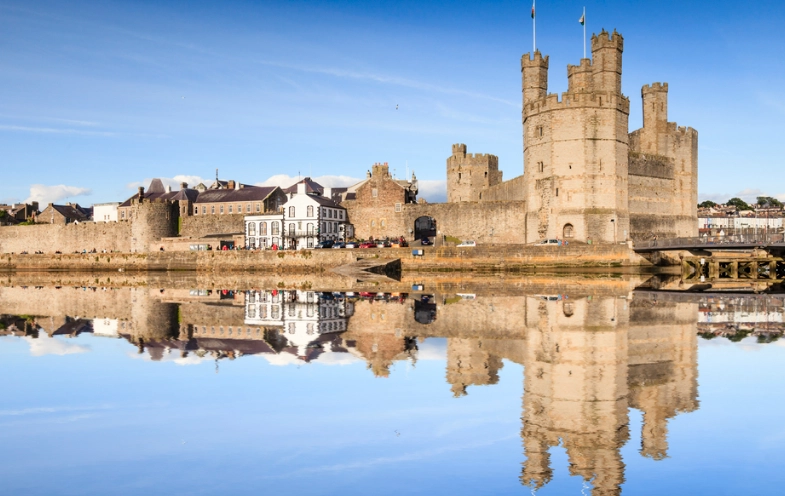
The Dramatic Coastlines
Wales's coastline is a star in its own right. The Pembrokeshire Coast we've covered, but what about the rest? The Gower Peninsula, just west of Swansea, was the UK's first Area of Outstanding Natural Beauty. Rhossili Bay regularly tops lists of the best beaches in the world. It's a three-mile crescent of golden sand backed by cliffs. On a windy day, it feels like the edge of the earth.
Head north to the Isle of Anglesey, and the coast gets wilder. South Stack Cliffs near Holyhead are a birdwatcher's paradise (those puffins!), with a lighthouse clinging to a rock island. For something truly otherworldly, the Llŷn Peninsula has a remote, Celtic feel. Places like Aberdaron and Porth Oer (the "Whistling Sands") are incredibly peaceful. The official Wales Coast Path website is your best friend for planning any coastal exploration.
Diving into the Culture: The Things That Make Wales Unique
This is where you move from seeing Wales to understanding it. The culture here is distinct, and engaging with it is one of the most rewarding things to do in Wales.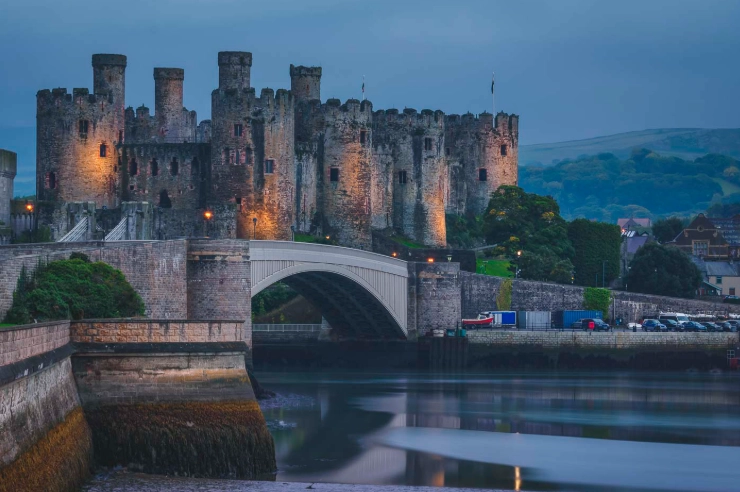
The Welsh Language (Cymraeg)
Hearing Welsh spoken is an immediate signal you're somewhere different. It's a Celtic language, related to Breton and Cornish, and it's very much alive. You'll see it on every road sign (always try to pronounce the place names—it's fun!). Don't be shy; learn a few phrases. "Bore da" (good morning), "Diolch" (thank you), and "Iechyd da!" (cheers!) will earn you smiles. The language is the heartbeat of the nation's identity. Resources like Learn Welsh offer a great insight into its revival and structure.
Music, Poetry, and the Eisteddfod
Wales is famously the "Land of Song." This isn't just a marketing slogan. The choral tradition is powerful, from male voice choirs in former mining valleys to the ethereal sound of a harp. If you get a chance to hear a live choir in a pub or a chapel, take it. It's stirring stuff. Then there's the National Eisteddfod, a massive festival of Welsh language and culture that moves between north and south Wales each year. It's a week of music, literature, dance, and art competitions. Even if you don't understand a word, the spectacle and passion are incredible.
And let's not forget rugby. It's not just a sport; it's a secular religion. If you're in Cardiff on a match day when the national team is playing at the Principality Stadium, the city vibrates with energy. Even watching in a local pub is an event. The singing of the national anthem, "Hen Wlad Fy Nhadau," by 70,000 fans is a genuinely emotional thing to witness.
- Catch a rehearsal of a local male voice choir (many welcome visitors).
- Visit St Fagans National Museum of History near Cardiff. It's an open-air museum with historic buildings from all over Wales, relocated piece by piece. It sounds dry, but it's brilliantly done and gives you a tangible feel for Welsh life through the centuries.
- Listen to some Welsh language music. Artists like Dafydd Iwan (folk) or Megan Lee (pop) are great starting points.
The Active & Outdoorsy Stuff: Beyond Just Walking
Sure, hiking is huge. But if you're looking for active things to do in Wales, the options are vast.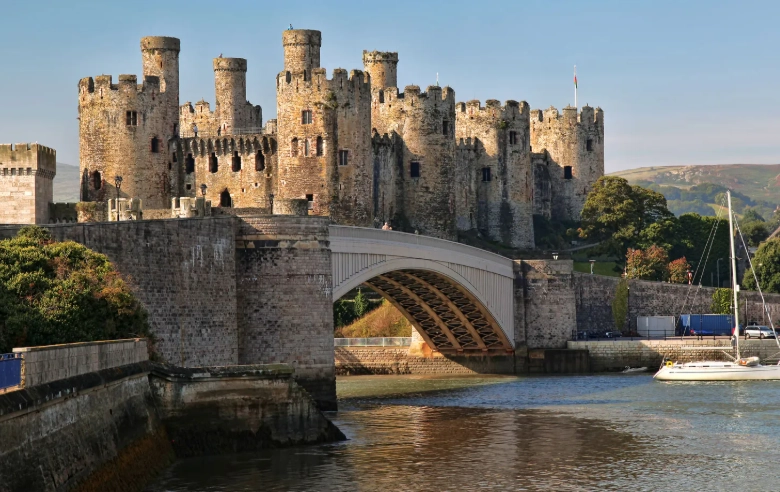
Mountain Biking: Coed y Brenin in Snowdonia is the UK's first dedicated mountain bike centre, with trails for all levels. The Brechfa Forest trails in Carmarthenshire are also legendary.
Water Sports: Surfing at Newgale or Freshwater West in Pembrokeshire. Coasteering (climbing, jumping, swimming along the coastline) was invented in Pembrokeshire—it's an absolute adrenaline rush. For something calmer, try stand-up paddleboarding on a serene estuary like the Dyfi.
Underground Adventures: Wales has a fascinating industrial past. You can go deep into it at the Blaenavon Ironworks World Heritage site or, more dramatically, at Bounce Below or Zip World in Blaenau Ffestiniog. These are former slate mines turned into giant underground playgrounds with trampolines, zip lines, and caverns. It's surreal and incredibly fun. A bit touristy? Yes. Worth it? Absolutely.
Honestly, some of these adventure activities can be pricey. But as a one-off splurge, something like the Velocity zip line at Zip World (the fastest in the world) is something you'll never forget.
The Food & Drink Scene: It's Not Just Cawl
Welsh cuisine has had a quiet revolution. Yes, you should try the classics:
- Cawl: A hearty lamb and vegetable stew. The ultimate comfort food.
- Welsh Rarebit: Forget "cheese on toast." This is a sophisticated, mustardy, ale-spiked cheese sauce grilled on good bread.
- Bara Brith: A delicious, speckled fruited tea loaf. Perfect with a cuppa.
- Glamorgan Sausages: A vegetarian sausage made with cheese, leeks, and breadcrumbs. Surprisingly good.
But there's more. The seafood is outstanding, especially cockles and laverbread (a seaweed purée, often served with bacon—don't knock it till you've tried it!). Anglesey has its own salt company (Halen Môn), which is world-renowned. And the cheese! Look for Perl Las (a blue cheese), Pantysgawn (a goat's cheese), or the creamy Caerphilly.
The drink scene is booming too. There are fantastic craft breweries like Tiny Rebel in Newport and Pipes in Cardiff. And Welsh whisky and gin distilleries, like Penderyn and Dà Mhìle, are winning international awards. A distillery tour is a great rainy-day activity.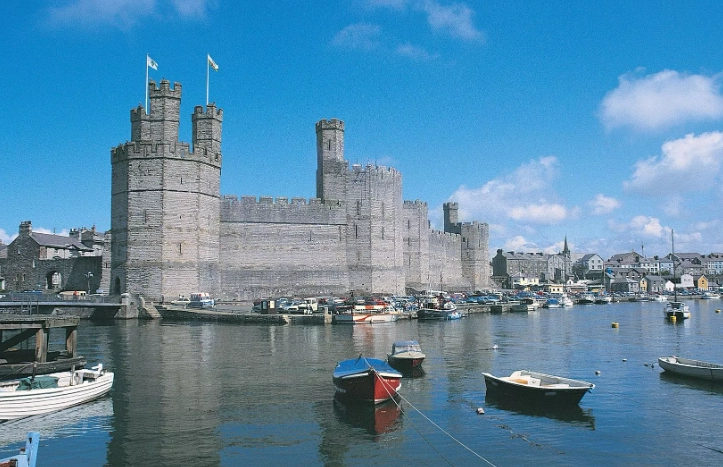
Practical Stuff: Making Your Trip to Wales Actually Work
All this talk of amazing things in Wales is useless if you can't plan your trip. Here's the real-world advice.
Getting Around: For real freedom, especially to reach those hidden gems, a car is essential. Public transport exists and can get you between major towns and to some park gateways (the Sherpa'r Wyddfa bus network in Snowdonia is excellent), but a car opens up everything. Roads are generally good, but be prepared for narrow, winding lanes in rural areas—just take it slow.
When to Go: Summer (June-August) is warmest and busiest, especially in coastal spots and Snowdonia. Spring (April-May) and Autumn (September-October) are my favourites. Fewer crowds, beautiful colours, and often decent weather. Winter can be wet and windy, but it's magical if you get a crisp, clear day in the mountains, and you'll have places to yourself.
Where to Stay: A mix works well. A couple of nights in Cardiff for city culture. A base in a market town like Aberystwyth (mid-Wales) or Betws-y-Coed (Snowdonia) for exploring. Then maybe a cottage or B&B in a remote coastal spot in Pembrokeshire or Anglesey. The official Visit Wales website has a wide range of accredited accommodation.
Frequently Asked Questions About Visiting Wales
So there you have it. A massive, hopefully helpful brain dump on the best things to do in Wales. It's a country that rewards curiosity. Don't just rush from photo op to photo op. Sit in a pub and chat to locals. Try to pronounce that impossibly long town name (Llanfairpwllgwyngyllgogerychwyrndrobwllllantysiliogogogoch is a rite of passage!). Get caught in a sudden mountain shower. Listen to the silence in a hidden valley.
The things in Wales that will stay with you aren't just the sights you saw, but the way the place made you feel. It's rugged, it's poetic, it's welcoming, and it's utterly unique. Just go.
Reader Comments