Quick Guide
- Why Eastern and Southeastern Europe Are Your Best Bets
- How We Measure "Cheap" for This List
- The Top Contenders: Europe's Most Affordable Destinations
- The Daily Cost Comparison Table
- How to Travel Cheaply in Europe: Beyond the Country Choice
- Common Questions About Budget Travel in Europe
- A Few "Value" Destinations That Feel Cheap
- Final Thoughts: It's About More Than Money
Let's be honest, the idea of a European vacation often comes with a mental price tag that makes your wallet wince. Images of overpriced Parisian cafes, Venetian gondola rides costing a small fortune, and Swiss everything being... well, Swiss-priced. I used to think the same. But after backpacking, doing work exchanges, and just plain old budget traveling across the continent for months, I discovered a different Europe. An affordable one. A continent where your dollar, pound, or euro stretches surprisingly far if you know where to look.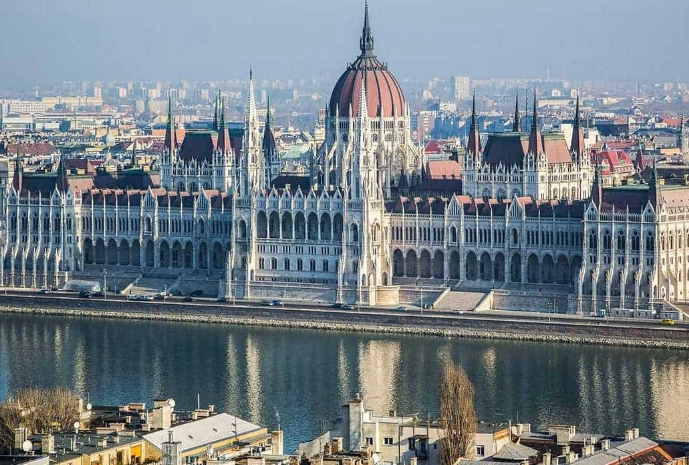
The trick isn't just finding cheap flights (though that helps). It's about choosing the right destinations—the countries where daily life is inherently less expensive, where a fantastic meal doesn't require a loan, and where you can have authentic, unforgettable experiences without the luxury tax. This guide is about those places. We're diving deep into the genuinely cheapest countries to visit in Europe, moving beyond the usual lists to give you a real sense of cost, vibe, and value.
Why Eastern and Southeastern Europe Are Your Best Bets
It's no secret. The further east and south-east you go from the classic Western European circuit (France, Italy, UK, Germany), the more your money buys you. This isn't about quality diminishing—far from it. It's about economies, currency values, and local wage structures. Countries like Bulgaria, Romania, and Serbia simply have a lower cost of living, which translates directly into lower costs for travelers. A coffee that costs €5 in Copenhagen might be €1.20 in Sofia. A dorm bed for €35 in Amsterdam could be €10 in Belgrade.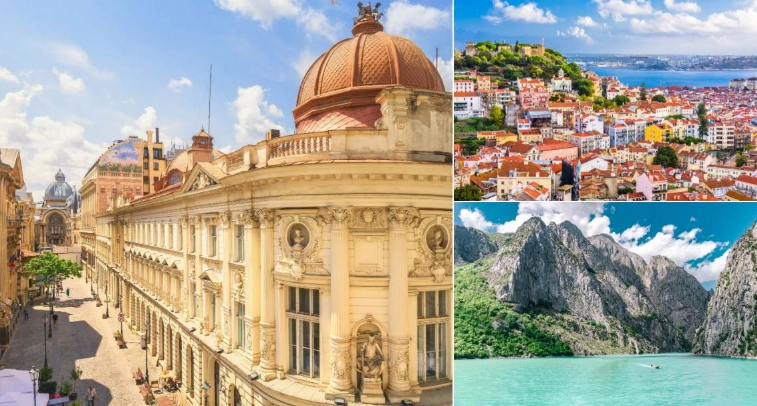
I remember my first shock arriving in Bosnia from Austria. I paid for a huge burek (meat-filled pastry) and a yogurt drink, braced for a €7-8 charge like I'd gotten used to. The total was less than €3. That's the moment you realize you've entered a different budget zone.
But it's not just about prices being low. These regions are often less saturated with mass tourism, especially outside capital cities. You get more genuine interactions, less commercialized old towns (in some places), and the feeling that your visit actually matters to the local economy. You're not just another tourist in an endless stream.
How We Measure "Cheap" for This List
Anyone can list countries by GDP. We're looking at the practical, on-the-ground costs for a traveler. My ranking is based on a mix of personal experience, reliable data from sources like Eurostat for price level indices, and crowdsourced data from budget travel communities. The key metric is the Average Daily Budget for a thrifty but comfortable traveler. This includes:
- Accommodation: A bed in a well-rated hostel dorm or a basic private room in a guesthouse.
- Food: Mix of self-catering (breakfast, maybe lunch), affordable local restaurant meals, and street food.
- Transport: Local buses, trams, and occasional intercity trains or buses.
- Activities: Entry fees to major sights, museums, and natural parks.
- Miscellaneous: A few coffees, a beer, sim card, souvenirs.
We'll split this into Budget, Mid-Range, and a note on how to splurge a little. Remember, these are averages. You can spend less by being ultra-frugal, and you can easily spend more if you prefer hotels and sit-down restaurants for every meal.
The Top Contenders: Europe's Most Affordable Destinations
Okay, let's get to the heart of it. Based on current costs (I'm constantly checking with fellow travelers and local friends), here are the countries that consistently rank as the cheapest to visit in Europe. I've included a few that are slightly more expensive but offer insane value, making them feel incredibly cheap for what you get.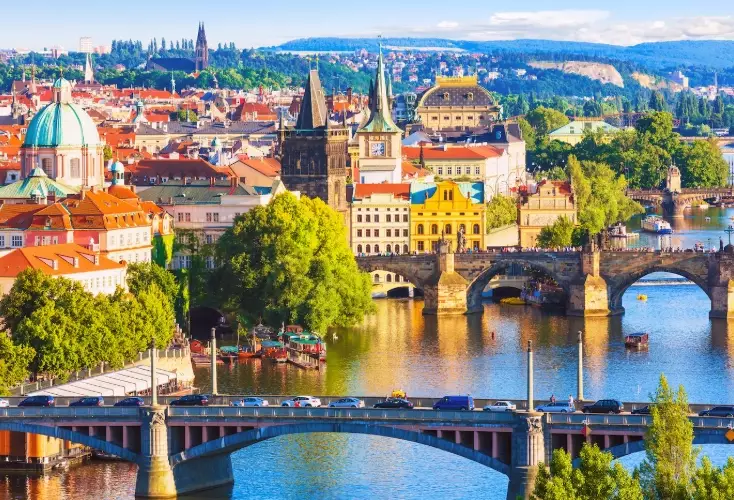
Bulgaria: The Undisputed Budget King
Sofia, the capital, regularly tops lists of Europe's most affordable capitals. But Bulgaria is so much more. You've got the Black Sea coast (skip Sunny Beach if you hate party resorts, try Sozopol or Nessebar), the stunning Rila Mountains with the famous Rila Monastery, and the charming second city, Plovdiv, with its Roman theatre and artsy vibe.
Daily Budget Breakdown:
- Rock-Bottom Budget: €25-30. Hostel dorm, supermarket food, free walking tours, hiking.
- Comfortable Budget: €35-45. Private room/guesthouse, 1-2 restaurant meals a day, museum entries, public transport.
- Splurge Note: For €60-70/day, you can eat at the best traditional taverns (called mehana), take taxis, and stay in lovely boutique hotels.
Don't Miss: The free Sofia walking tour (tip-based), hiking to the Seven Rila Lakes, exploring the ancient Roman ruins in Plovdiv, and trying banitsa (cheese-filled pastry) from a bakery.
Hungary: Beyond Budapest's Tourist Center
Budapest is a superstar for a reason—it's beautiful, historic, and fun. And while the city center has gotten pricier, it's still a bargain compared to Western Europe. The real magic for budget travelers is venturing out. Lake Balaton in summer, the wine region of Eger, or the historic town of Szentendre.
The key in Budapest is to avoid the tourist traps around Váci Street. Walk a few blocks away, and prices for food and drink halve. Public transport is excellent and cheap. The thermal baths, a must-do, are a fixed and reasonable cost.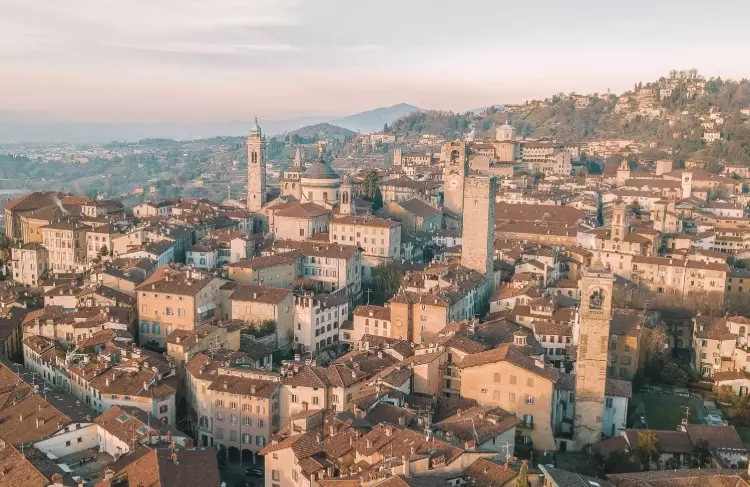
Daily Budget Breakdown:
- Rock-Bottom Budget: €30-35. Hostel, cooking, free sights (Citadella views, Parliament exterior), walking.
- Comfortable Budget: €40-50. Central hostel or budget hotel, eating at local étkezde (canteens), visiting a bathhouse, ruin bar drinks.
- Splurge Note: A fancy dinner on a boat on the Danube or a stay at a design hotel will push you to €70+.
Don't Miss: Széchenyi Thermal Baths, a night at a ruin bar like Szimpla Kert, the House of Terror museum (heavy but important), and a day trip to the Danube Bend.
Poland: Resilience, History, and Incredible Food
Poland punches so far above its weight. Krakow and Warsaw are world-class cities with deeply moving history (the Auschwitz-Birkenau Memorial is a necessary, sobering visit) and vibrant contemporary scenes. Gdansk on the Baltic coast is a gem. And the Tatra Mountains offer amazing hiking.
The food is hearty, delicious, and cheap. A plate of pierogi (dumplings) can be a full meal for a few euros. Public transport between cities via bus (FlixBus, PolskiBus) is among the cheapest on the continent.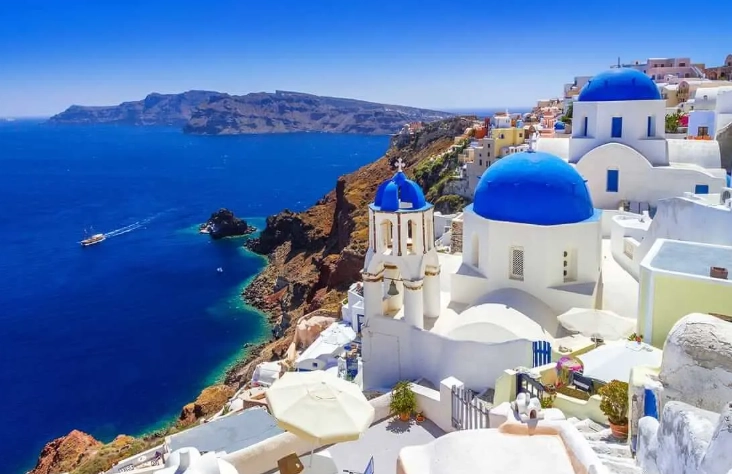
Daily Budget Breakdown:
- Rock-Bottom Budget: €30-35. Hostel, milk bars, free walking tours, visiting churches.
- Comfortable Budget: €40-50. Private room, mixed eating (milk bars + nicer restaurants), entry to Wawel Castle or POLIN Museum, public transport.
- Splurge Note: Fine dining in Poland is still relatively affordable. A top-tier meal might cost what a mid-range meal does in Germany.
Romania: Castles, Mountains, and Untamed Beauty
Romania is vast and varied. Transylvania, with its Gothic castles (Bran Castle is marketed as "Dracula's Castle," but the real star is the stunning Corvin Castle), medieval towns like Sibiu and Brașov, and the Carpathian Mountains. Then there's Bucharest, a mix of Parisian-style architecture and brutalist communist-era buildings.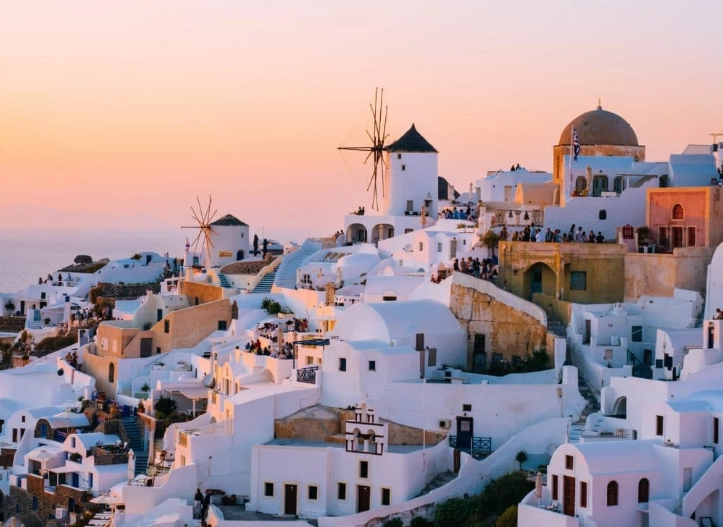
It's a country for adventurers. Travel is slower (trains are cheap but not fast), and infrastructure in rural areas can be basic, but that's part of the charm and keeps costs down. The Maramureș region, with its wooden churches and traditional village life, feels like a step back in time.
Daily Budget Breakdown:
- Rock-Bottom Budget: €25-30. Hostels/guesthouses, market food, hiking, exploring towns.
- Comfortable Budget: €35-45. Private accommodation, restaurant meals featuring mămăligă (polenta) and sarmale (cabbage rolls), castle entry fees, train travel.
- Splurge Note: You can stay in some beautiful, restored guesthouses in Transylvanian villages for a very reasonable price.
North Macedonia & Serbia: The Balkan Value Powerhouses
I'm grouping these two because they offer similar insane value. Skopje, North Macedonia's capital, is... bizarre in the best way, filled with neoclassical buildings and giant statues from a recent government project. But nearby Lake Ohrid is the crown jewel—a UNESCO town with a stunning lake, ancient churches, and a relaxed pace. It's one of my favorite places in Europe.
Serbia's Belgrade is all about gritty energy, fantastic nightlife along the splavovi (river barges), and a fascinating history. Novi Sad is more laid-back, with its Petrovaradin Fortress and annual EXIT festival.
The food in both countries is phenomenal and cheap.
Daily Budget Breakdown: For both, you're looking at a comfortable daily budget of €30-40. Hostels are €8-12, a massive Balkan mixed grill (pljeskavica, ćevapi) with a beer is €5-7, and bus travel between cities is very inexpensive. These are arguably the cheapest countries to visit in Europe for overall experience-to-cost ratio.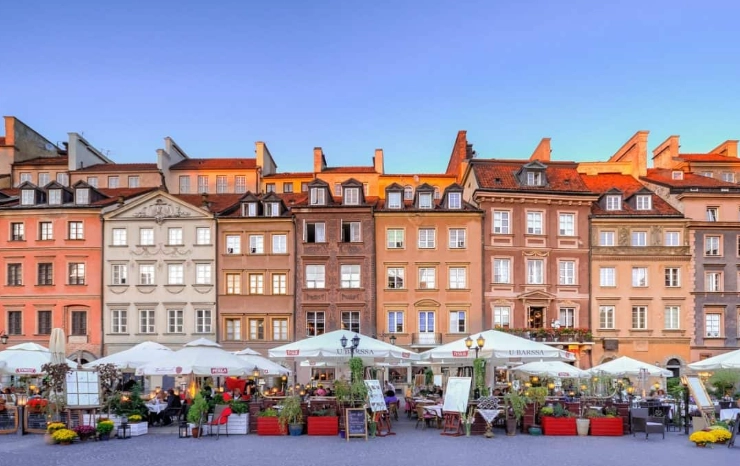
Bosnia and Herzegovina: A Heartfelt Bargain
Mostar, with its iconic Stari Most (Old Bridge), is the famous draw, but don't miss Sarajevo—a city where East meets West, with Ottoman bazaars next to Austro-Hungarian architecture, and a recent history that's palpable. The surrounding mountains are beautiful for hiking.
The cost here is shockingly low. I found it cheaper than Serbia or Macedonia. The people are incredibly welcoming, eager to share their stories and their country beyond the war narrative.
Daily Budget Breakdown: A comfortable daily budget here is an almost unbelievable €25-35. You can get a private room for €20, a delicious meal for €4-6, and bus travel is a few euros.
The Daily Cost Comparison Table
Here’s a quick, at-a-glance comparison of what you can expect to spend per day in some of the cheapest countries to visit in Europe. This is for a comfortable budget traveler as defined earlier.
| Country | Budget Accommodation | Food & Drink (Daily) | Transport & Activities | Total Daily Estimate |
|---|---|---|---|---|
| Bulgaria | €12-18 (Hostel/Private Room) | €10-15 | €8-12 | €30-45 |
| Romania | €12-20 | €10-14 | €8-10 | €30-44 |
| North Macedonia | €10-15 | €8-12 | €6-10 | €24-37 |
| Serbia | €10-16 | €9-13 | €7-11 | €26-40 |
| Bosnia & Herzegovina | €10-15 | €8-12 | €5-8 | €23-35 |
| Hungary | €15-22 (Budapest) | €12-18 | €10-15 | €37-55 |
| Poland | €14-20 | €12-16 | €9-14 | €35-50 |
See the pattern? The Balkans consistently undercut even the popular Eastern European destinations. This data is compiled from personal travel in 2023-2024 and cross-referenced with budget travel forums and the Numbeo database for current price estimations.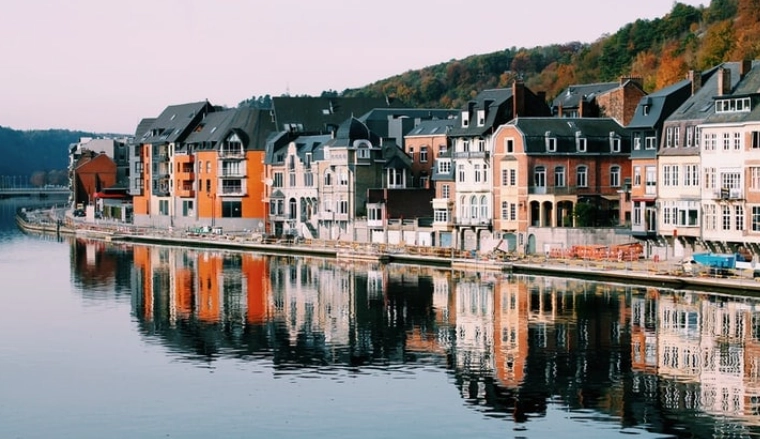
How to Travel Cheaply in Europe: Beyond the Country Choice
Picking one of the cheapest countries to visit in Europe is step one. Step two is adopting the right habits to maximize your budget anywhere.
- Travel Slow: The biggest cost is often moving from place to place. Staying longer in one city reduces daily average transport costs and often gets you weekly accommodation discounts.
- Embrace Public Transport & Walking: European cities are often walkable. When they're not, metros, trams, and buses are efficient and cheap compared to taxis. Buy day or week passes.
- Eat Like a Local: This means avoiding restaurants with pictures of food on the menu in the main square. Go where locals go. Have lunch instead of dinner (many places have cheaper lunch menus). Hit the markets for fresh produce, bread, and cheese for picnics.
- Free Activities Are Everywhere: Free walking tours (tip what you can), hiking, visiting churches (often free or a small donation), public parks, people-watching in squares, and free museum days (many have one free evening or day a week).
- Accommodation Hacks: Consider guesthouses or family-run pensions instead of international hostels. Look for places with kitchen facilities. Booking last-minute can sometimes yield deals, but not always in peak season.
Common Questions About Budget Travel in Europe
A Few "Value" Destinations That Feel Cheap
Some countries aren't the absolute cheapest but offer such incredible value they deserve a mention.
Portugal (outside of Lisbon and Porto in July/August): The Algarve in the off-season, the Alentejo region, and the Azores islands can be surprisingly affordable for Western Europe. A meal with wine for €10-15 is still findable.
Czech Republic (outside Prague): Prague's center is now expensive. But Český Krumlov, Olomouc, or the Bohemian countryside are much more reasonable and stunning.
Slovenia: It's more Alpine in price, but it's tiny and efficient. A Slovenia trip can be cost-effective because distances are short (saving on transport), and natural attractions like Lake Bled and Triglav National Park are free to admire. It's a quality-over-quantity destination.
Final Thoughts: It's About More Than Money
Choosing one of the cheapest countries to visit in Europe isn't just a financial decision. It's a choice to engage with parts of the continent that are often more complex, more raw, and more personally rewarding. You'll deal with less English, sometimes bumpy bus rides, and moments of confusion. But you'll also get warmer welcomes, more surprising discoveries, and stories that go beyond "I saw the Eiffel Tower."
Your budget will thank you, but your travel memories will thank you more. Start looking at flights to Sofia, Belgrade, or Sarajevo. You might be surprised at what you find—and how far your money goes.
Got a specific question about budget travel in one of these countries? Drop it in the comments below—I read them all and have probably been there.
Reader Comments