Quick Guide
- It's More Than Just BBQ: The Heartbeat of a Korean Meal
- The Hall of Fame: Korean Food Dishes You've Gotta Meet
- Navigating the Menu: A Handy Guide to Must-Try Categories
- Your Burning Questions, Answered
- Beyond the Plate: The Cultural Stuff That Makes It Click
- Bringing It Home: How to Explore Korean Food Dishes Near You
- A Final, Messy Thought
Let's be real. You've probably seen those videos. The cheese pulls from a bubbling army stew, the perfect crackle of samgyeopsal on a grill, the vibrant chaos of a dozen little side dishes covering a table. Korean food has this way of grabbing you through the screen. But when you actually sit down at a restaurant or stare at a menu, it can feel a bit... overwhelming. What's the difference between doenjang and gochujang? Is everything going to set your mouth on fire? What on earth do you order first?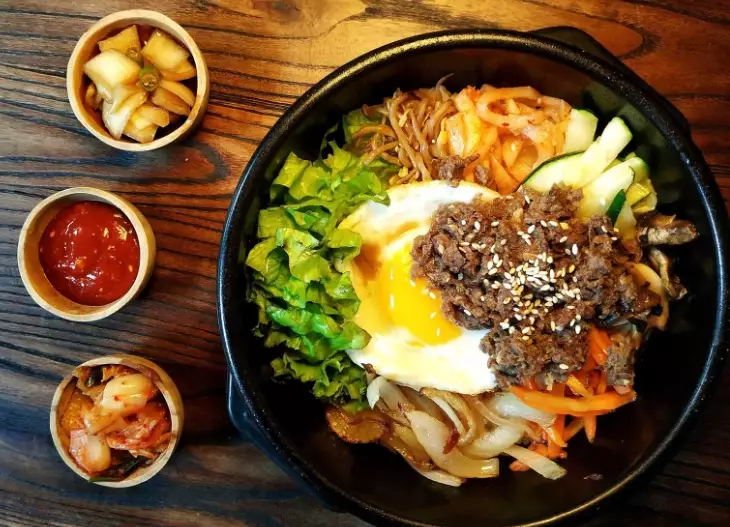
I remember my first real encounter with a proper Korean spread. It wasn't in Seoul, but in a tiny, steamy restaurant down a side street. The table vanished under a constellation of small plates—kimchi of course, but also little bowls of seasoned spinach, weirdly delicious jelly, beansprouts, and a dozen other things I couldn't name. Then the main event arrived, sizzling and dramatic. I fumbled with the chopsticks, copied the person next to me, and had one of the best meals of my life. It was a messy, joyful, flavor-packed education.
That's what this is. Not a dry textbook list, but a chatty guide from someone who's been happily lost in the world of Korean food dishes. We'll talk about the must-try classics, the unsung heroes, how to actually eat the stuff, and yes, tackle that spice question head-on. Forget rankings—let's just talk about good food.
It's More Than Just BBQ: The Heartbeat of a Korean Meal
Before we jump into specific dishes, you gotta understand the rhythm. A Korean meal isn't usually a single plate with meat, veg, and carb neatly separated. It's a communal, shared experience built around balance. The core philosophy hinges on "bap" (rice), "guk" (soup), and a glorious array of "banchan" (side dishes).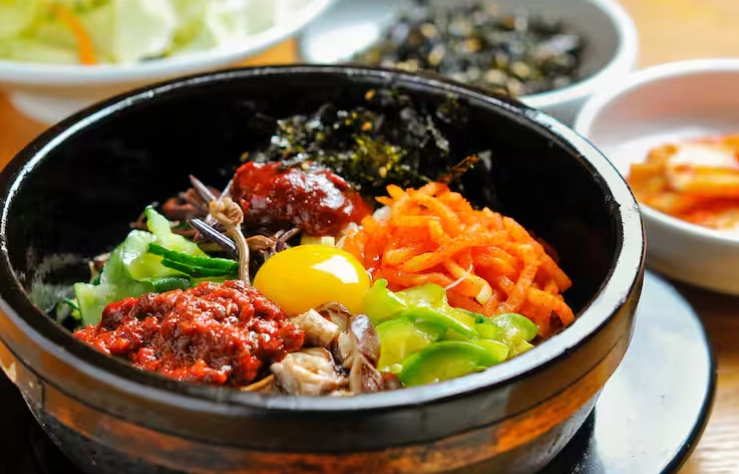
Think of banchan not as extras, but as essential flavor conductors. They're there to complement each bite of rice, to refresh your palate, to add a crunch, a pickle, or a burst of umami. A meal feels incomplete without them.
And then there's the sauces. Oh, the sauces. Your life will now be divided into before and after knowing gochujang (fermented red chili paste) and doenjang (fermented soybean paste). They're the foundational flavors, the umami powerhouses behind so many Korean food dishes. Gochujang isn't just heat—it's sweet, funky, and deeply savory. Doenjang is like the best, most complex miso you've ever had. Get familiar with them.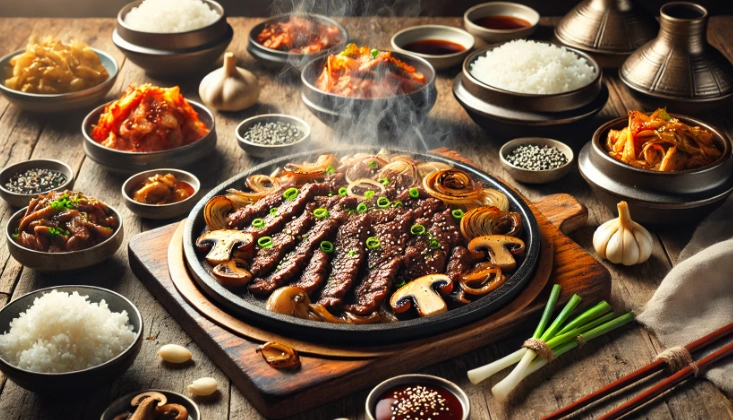
The Hall of Fame: Korean Food Dishes You've Gotta Meet
Alright, let's get to the good stuff. These are the dishes that define the experience, the ones you'll see again and again for good reason.
Kimchi: The Undisputed King (or Queen)
It's cliché to start here, but you can't avoid it. Kimchi isn't just a side dish; it's a cultural icon, a scientific marvel of lactic acid bacteria, and a versatile ingredient. The most common is baechu kimchi (napa cabbage), but there are hundreds of kinds—radish kimchi (kkakdugi), water kimchi (mul kimchi), you name it. It's spicy, sour, crunchy, and utterly addictive. Pro tip: Try it fried into kimchi jeon (pancake) or tossed into a fried rice. It transforms.
Samgyeopsal: The Social Grill
This is the Korean BBQ experience most people imagine. Thick, fatty slices of pork belly, grilled at your table until the edges are crispy and golden. The magic is in the ritual: you take a piece of fresh lettuce or perilla leaf, add a piece of meat, a dab of ssamjang (a thick, spicy paste), maybe some grilled garlic and kimchi, wrap it up, and shove the whole delicious package into your mouth. It's interactive, messy, and supremely satisfying. Not the most refined dish, perhaps, but always a crowd-pleaser.
Bibimbap: The Harmony Bowl
Literally meaning "mixed rice," this is a bowl of warm rice topped with an artful arrangement of namul (sautéed and seasoned vegetables), meat (often bulgogi), a fried egg, and gochujang. The beauty is in the mixing—you stir it all together just before eating, creating a unified dish where every spoonful has a bit of everything. The dolsot (stone pot) version is elite; it arrives scorching hot, creating a layer of crispy, crackly rice at the bottom. A perfect, complete meal in a bowl.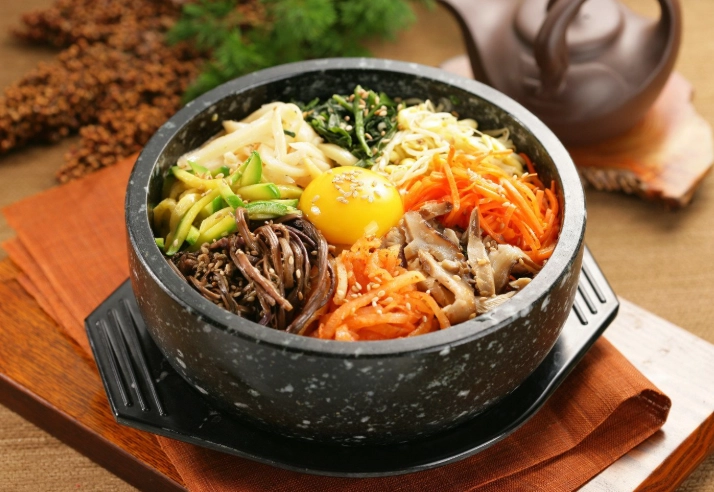
Jjigae: The Soul-Warming Stews
If you want to understand Korean comfort food, look no further than the jjigae. These are robust, boiling stews served in a communal pot. My personal favorite is kimchi jjigae—sour, fermented kimchi simmered with tofu, pork, and onions until it's a fiery, tangy, deeply comforting concoction. But there's also doenjang jjigae (soybean paste stew), which is earthy and savory, and sundubu jjigae (soft tofu stew), often served with a raw egg cracked in at the end. They're meant to be shared, eaten with plenty of rice to temper the heat and salt.
So, you've got the classics down. But what about navigating a real menu?
Navigating the Menu: A Handy Guide to Must-Try Categories
Noodles: Cold, Hot, and Everything In Between
Jajangmyeon: Don't let the black sauce scare you. It's a thick, savory sauce made from chunjang (fermented wheat paste) with pork and vegetables, tossed with thick wheat noodles. It's rich, slightly sweet, and incredibly moreish. The Korean-Chinese takeout staple.
Naengmyeon: The ultimate summer dish. Chewy, thin buckwheat noodles served in a tangy, icy beef or radish water broth (mul naengmyeon), or with a spicy gochujang-based sauce (bibim naengmyeon). Topped with sliced beef, Asian pear, cucumber, and a hard-boiled egg. The contrast of textures and the shocking coldness is a revelation.
Janchi guksu: Simple, celebratory noodles in a clear, light anchovy or beef broth. It's all about the clean, refreshing flavor.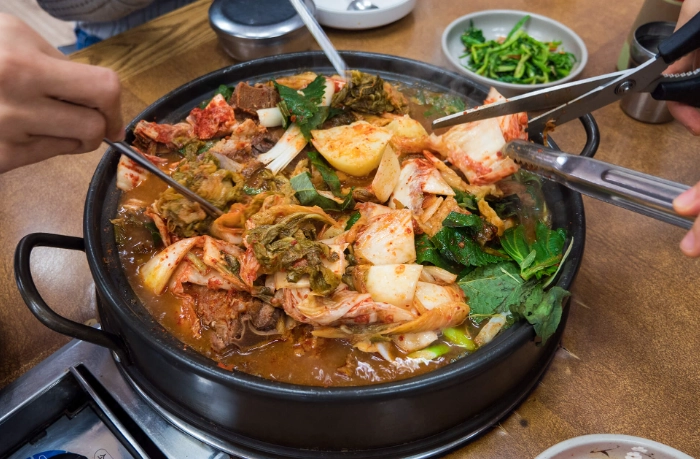
Street Food & Snacks: The Fun Stuff
This is where you can really play. Tteokbokki is the superstar—chewy rice cakes simmered in a sweet, spicy, and sticky gochujang sauce, often with fish cakes and boiled eggs. It's a textural dream. Hotteok is a sweet pancake filled with molten brown sugar, honey, and nuts—a perfect winter treat. Kimbap is like Korea's answer to sushi rolls, but filled with cooked ingredients like ham, pickled radish, spinach, and egg, then sliced into bite-sized pieces. The perfect picnic or snack food.
Street food is the best way to taste-test without commitment. A few dollars gets you a flavor adventure.
The Unsung Heroes (My Personal Picks)
Everyone talks about bulgogi and galbi (marinated short ribs), which are fantastic. But let me push you towards two lesser-known stars:
Bossam: Boiled pork belly, sliced thin and incredibly tender, served with a selection of kimchi (usually a special radish kimchi) for wrapping. It's a cleaner, more refined pork experience than samgyeopsal.
Haemul Pajeon: A savory, crispy seafood and green onion pancake. It's the size of a pizza, golden brown, and loaded with squid, shrimp, and clams. Washed down with a cold beer or makgeolli (rice wine), it's a weekend afternoon made perfect.
Your Burning Questions, Answered
Let's tackle the stuff people are too embarrassed to ask but really want to know.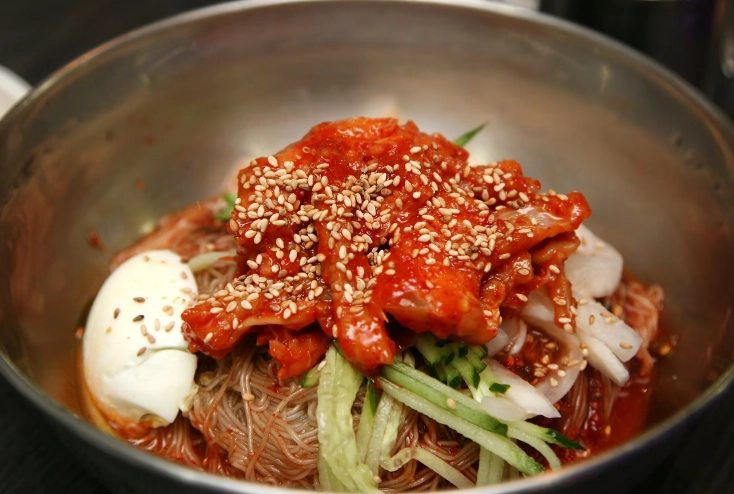
Is all Korean food super spicy?
This is the biggest myth. No, absolutely not. While gochujang and gochugaru (chili powder) feature heavily in many famous exports (like tteokbokki or kimchi jjigae), a massive portion of the cuisine is not about heat. Think of delicate soups like miyeokguk (seaweed soup), savory pancakes, braised dishes (jjim), and a vast array of seasoned vegetable banchan. You can have a wonderfully diverse and satisfying meal without touching anything spicy. The reputation for heat comes from a few very prominent, very delicious, dishes.
I'm a vegetarian/vegan. Am I out of luck?
It's a challenge, but not impossible. Korean cuisine uses a lot of seafood-based broths (anchovy, shrimp) and fish sauce even in dishes that seem veggie-forward. The key words to look for or ask about are "chaesik" (vegetarian) or "vegan". Buddhist temple cuisine is a treasure trove of exquisite, naturally vegan dishes. You can also feast on a wide array of banchan—seasoned beansprouts, spinach, mushrooms, and various types of kimchi (though some kimchi contains shrimp sauce or fish sauce). Dishes like bibimbap can often be made vegan upon request. Always, always ask about the broth.
What's the deal with all the side dishes (banchan)?
They're free! Well, sort of. They're included in the price of your meal and are meant to be refilled. It's considered part of the service. Don't be shy about asking for more of one you particularly love ("Jeogiyo, yeogi juseyo" – Excuse me, here please, while pointing works too).
How do I actually eat this stuff? Any rules?
Relax, there aren't many hard rules. Don't stick your chopsticks upright in your rice (it resembles a funeral rite). Use a spoon for rice and soups. It's polite to use two hands when receiving something or pouring a drink for someone older. But most importantly, enjoy it. Mix your bibimbap vigorously. Wrap your samgyeopsal messily. Slurp your noodles. The enjoyment is part of the etiquette.
Beyond the Plate: The Cultural Stuff That Makes It Click
You can't fully appreciate the food without a peek at the context. Meals are often shared centrally. That giant stew pot is meant for everyone to dig into with their own spoons. It fosters a sense of community. Fermentation isn't just a technique; it's a historical necessity that created some of the most complex flavors in the world, from kimchi to doenjang. The Korea.net website, run by the Korean Ministry of Culture, has great resources on the cultural significance of food if you want to dive deeper.
And then there's drinking culture. Food and drink are tightly paired. Soju, the clear distilled spirit, is ubiquitous. It's often drunk in groups with strict pouring etiquette. Makgeolli, the milky, slightly sweet rice wine, is having a huge craft revival and pairs beautifully with pancakes and jeon. Anju is the term for food specifically meant to be eaten with alcohol—think spicy stir-fried squid, steamed pork feet, or that glorious haemul pajeon.
The next time you see a group of people in a Korean drama shouting "One shot!" and downing soju, know there's probably a fantastic spread of anju on the table that's just as important as the drink.
Bringing It Home: How to Explore Korean Food Dishes Near You
Okay, you're hungry and convinced. Where to start?
Find a real Korean restaurant. Look for places filled with Korean customers—that's always the best sign. Don't just go to the flashy BBQ joint in the downtown core; seek out the family-run spot in a residential or suburban strip mall. The vibe will be different, the menu more extensive, and the flavors often more authentic.
Start simple. On your first visit, maybe don't order the live octopus. Go for a bulgogi or galbi set, which will come with a ton of banchan and let you experience the full spread. Or order a dolsot bibimbap—it's a complete, approachable meal.
Visit a Korean grocery store (H-Mart, Assi, etc.). This is an adventure in itself. You can buy pre-made banchan, excellent frozen mandu (dumplings), fresh noodles, and every sauce you could dream of. You can even try making your own versions of simple Korean food dishes at home. Wikipedia's page on Korean cuisine is a surprisingly solid starting point for understanding ingredients and dish names before you hit the aisles.
Be adventurous, but know your limits. Love spicy food? Dive into the kimchi jjigae. Not so much? The doenjang jjigae or a clean soup like galbitang (beef short rib soup) will be your best friend.
A Final, Messy Thought
The world of Korean food dishes is vast, deep, and endlessly rewarding. It's a cuisine of bold contrasts—fiery and mild, fermented and fresh, sizzling hot and refreshingly cold. It's meant to be shared, experienced with all your senses, and enjoyed without too much fussiness.
My biggest piece of advice? Drop the fear of looking inexperienced. Point at something on the menu that looks good. Ask the server what they recommend. Copy what the table next to you is doing. Embrace the mess of a lettuce wrap dripping down your chin. That's where the real joy of Korean food lives—not in knowing everything, but in the delicious, shared experience of discovering it.
Now go eat.
Reader Comments