Explore the Guide
- Where It All Began: The Heart of the Polynesian Kitchen
- The Building Blocks: What Actually Goes Into Polynesian Food
- A Tour of the Plate: Must-Try Polynesian Dishes
- Cooking It Yourself: Bringing Polynesian Flavors Home
- Polynesian Food Today: Tradition Meets the Modern World
- Your Burning Questions About Polynesian Food, Answered
Let's get one thing straight from the start. When most people hear "Polynesian food," they might picture a neon-lit restaurant with sweet, sticky ribs and a cocktail in a tiki mug. I get it. I used to think that too. But the real deal, the authentic stuff that's been cooked across the Pacific for centuries, is a world apart. It's earthy, it's connected to the ocean in a way that's hard to describe unless you've tasted it fresh from the water, and it tells a story of incredible voyages and deep respect for nature.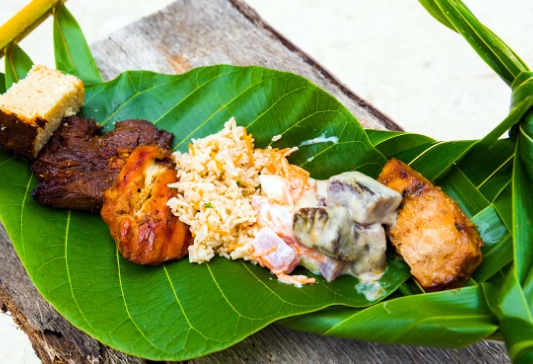
I remember trying what was labeled as a "Polynesian plate" at a mainland food court years ago. It was... fine. Sugary, a bit one-note. It wasn't until I was lucky enough to share a meal with a friend's family from Samoa that the lightbulb went off. The food was subtle, filling, and had this incredible depth from cooking methods I'd never seen before. That experience sent me down a rabbit hole, and honestly, I'm still digging. So, let's talk about what Polynesian food really is, beyond the clichés.
Polynesian cuisine isn't a single, monolithic thing. It's a vibrant tapestry woven from the shared ingredients and techniques of dozens of island cultures across the Polynesian Triangle—think Hawaii, Samoa, Tonga, Tahiti, Fiji, and the Maori of New Zealand. The core is simple: what the land and sea provide, transformed with ingenuity and time.
Where It All Began: The Heart of the Polynesian Kitchen
You can't talk about the food without understanding the journey. The ancestors of modern Polynesians were some of history's greatest navigators. They crossed vast oceans in double-hulled canoes, carrying with them the essential "canoe plants"—taro, coconut, breadfruit, sweet potato, bananas. These weren't just snacks; they were survival kits. Establishing these crops on new islands meant life could continue. That connection to these staple foods is spiritual, not just culinary.
The most iconic cooking method, and one that perfectly illustrates the philosophy, is the umu (Samoan), lovo (Fijian), or imu (Hawaiian). It's an earth oven. You dig a pit, heat stones in a fire for hours, layer the food on the stones (wrapped in banana leaves or similar), cover it all with earth, and let it steam for half a day or more.
The wait is part of the ritual.
The result? Meat so tender it falls apart, infused with a smoky, earthy flavor that no modern oven can replicate. Taro and breadfruit become creamy and rich. It's slow food in the truest sense, and it turns a meal into a community event. Everyone helps, everyone waits, everyone eats together. That social aspect is as much a part of the cuisine as the ingredients.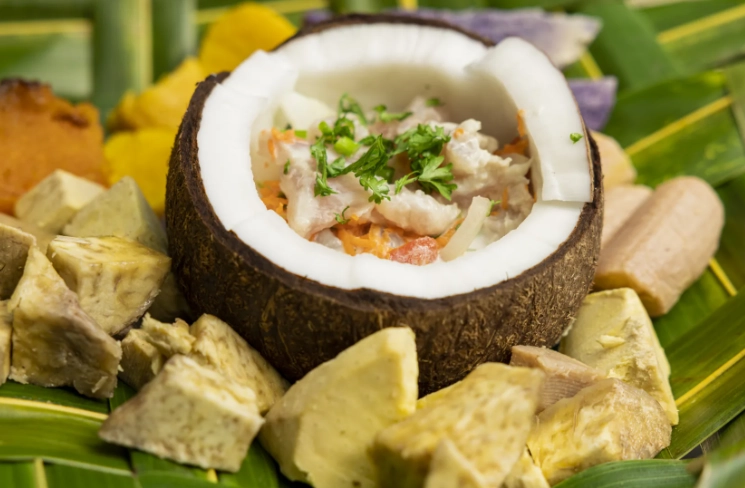
The Building Blocks: What Actually Goes Into Polynesian Food
Forget complex spice racks. Traditional Polynesian cooking gets its flavor from a few powerhouse ingredients used in brilliant ways. It's about enhancing natural tastes, not masking them.
The Non-Negotiables
- Taro (Kalo in Hawaiian): This is the king. The root is cooked and pounded into poi, a sticky, mildly sour paste that's a daily staple. The leaves (lu'au) are used as wrappers or cooked like spinach. It's incredibly nutritious. The University of Hawaiʻi's College of Tropical Agriculture has extensive research on its cultural and agricultural importance.
- Coconut (Niu): Every part is used. The water to drink, the flesh to make creamy coconut milk and coconut cream for sauces, the oil for cooking. Dried coconut is a snack and a garnish. It's the primary source of fat and richness.
- Breadfruit ('Ulu): A starchy fruit that, when cooked, has a texture like fresh bread or potato. It's incredibly versatile—roasted, fried, or boiled.
- The Ocean's Bounty: This is crucial. Fish like tuna (ahi), mahi-mahi, and parrotfish are eaten raw (as in poisson cru or oka), grilled, or steamed. Shellfish, octopus, and seaweed are regular features.
What about meat? Traditionally, protein came from the sea and occasional wild pigs or birds. After European contact, pigs, chickens, and cattle became more established. The classic kalua pig (Hawaii) or pua'a tunu (Samoan roast pig) are now centerpieces for feasts, but they sit alongside, not replace, the seafood and starches.
A Tour of the Plate: Must-Try Polynesian Dishes
Okay, so what does this all look like when it comes together? Here’s a breakdown of dishes that define the experience of eating Polynesian food. This isn't an exhaustive list, but if you see these on a menu claiming authenticity, you're likely in a good spot.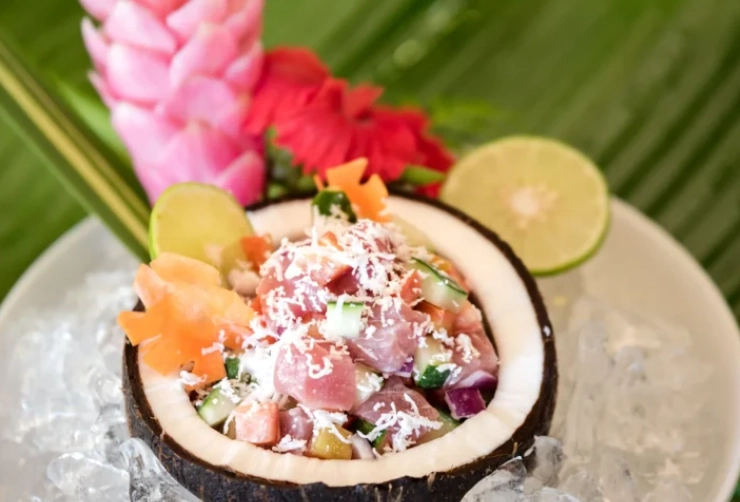
| Dish Name | Island Origin | Key Ingredients | What It Tastes Like |
|---|---|---|---|
| Poi | Hawaii | Steamed, pounded taro root | Sticky, subtly sweet & sour, pudding-like. An acquired taste for some, but the heart of the meal. |
| Poisson Cru / Oka i'a | Tahiti / Samoa | Raw fish (often tuna), lime juice, coconut milk, veggies | Bright, citrusy, creamy. The lime "cooks" the fish. Refreshing and light. |
| Kalua Pig | Hawaii | Pork, sea salt, cooked in an imu | Unbelievably smoky, tender, and juicy. The flavor is pure and deep from the earth oven. |
| Palusami | Samoa, Fiji | Taro leaves, coconut cream, onions (sometimes corned beef) | Rich, creamy, and savory. The leaves become silky, soaking up the coconut flavor. |
| Lomi Lomi Salmon | Hawaii | Salted salmon, tomatoes, sweet onions | Salty, fresh, and vibrant. The salmon is massaged (lomi lomi) with the veggies. A classic side. |
| Feke (Grilled Octopus) | Across Polynesia | Octopus, coconut milk, lime | Chewy-tender, smoky from the grill, with a tangy coconut sauce. A textural adventure. |
See a pattern? Freshness, simplicity, and letting a few great ingredients shine. There's no hiding behind heavy sauces. The Polynesian food tradition is one of clarity.
But here's a personal gripe.
What often gets served as "Polynesian" in many parts of the world is a heavily Americanized, mid-20th century creation. Think sweet and sour sauce, neon-red ribs, fried wontons. It's a fusion that has its own history (linked to tiki culture), but calling it authentic Polynesian cuisine does a disservice to the real thing. It's like calling a deep-dish pizza "traditional Italian food." It's a separate, later invention. The official tourism site for Tahiti showcases the fresh, seafood-driven reality of the region's food, which is a far cry from those heavy, sugary sauces.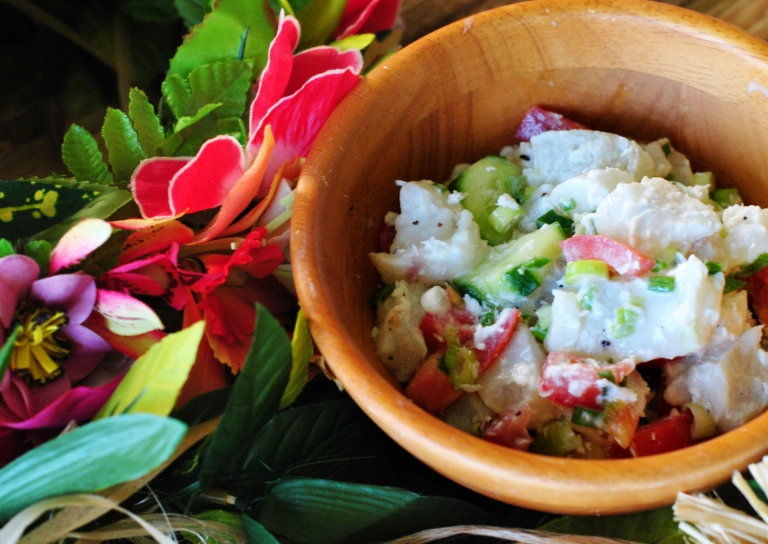
Cooking It Yourself: Bringing Polynesian Flavors Home
You don't need to dig a pit in your backyard to make some delicious, inspired Polynesian dishes. The key is sourcing good ingredients and respecting the technique. Start with something approachable.
Easy Starter Recipe: Simple Poisson Cru
Cube fresh, sushi-grade ahi tuna. Marinate it in fresh lime juice for 10-15 minutes (until it turns opaque on the edges). Drain most of the juice. Mix in diced cucumber, tomato, and finely sliced red onion. Pour in enough good-quality coconut milk to coat everything. Season with a pinch of salt. Serve chilled. It's a weeknight winner that captures the essence of the islands.
Ingredient Hacks for Mainland Kitchens
- No fresh taro root? For a poi-like side, try mashed steamed purple potatoes or Okinawan sweet potatoes for color and a similar earthy-sweet profile. It's not the same, but it's in the family.
- Finding banana leaves: Check the freezer aisle in Latin or Asian markets. They're perfect for wrapping fish or pork to steam, imparting a subtle grassy flavor.
- The coconut rule: Always use full-fat coconut milk from a can for cooking. The light stuff will separate and taste watery. Chaokah or Aroy-D are reliable brands.
Making Polynesian food at home is totally doable. It might feel unfamiliar at first—less searing, more gentle steaming and marinating—but that's part of the fun.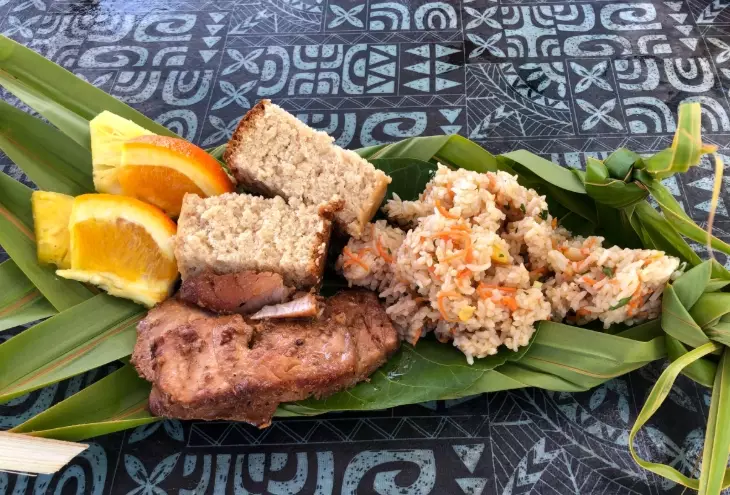
Polynesian Food Today: Tradition Meets the Modern World
Like all living cuisines, it evolves. Chefs across the Pacific are doing incredible things, honoring tradition while pushing boundaries. In Honolulu, restaurants like Helena's Hawaiian Food have been serving classics for generations, while newer spots might feature taro gnocchi or locally caught fish with lilikoi (passion fruit) butter.
There's also a strong movement towards food sovereignty and sustainability—going back to traditional crops to improve health and food security. The ʻAi Pono (eating right) movement in Hawaii is a big part of this. It's not just about preserving recipes, but the entire food system that makes authentic Polynesian cuisine possible.
And then there's the diaspora. In cities like Auckland, Los Angeles, and Seattle, families have opened eateries that are lifelines for the community and eye-openers for everyone else. The food is often more traditionally prepared than at tourist spots, focusing on the hearty, comforting staples like sapasui (Samoan chop suey) or palusami.
Your Burning Questions About Polynesian Food, Answered
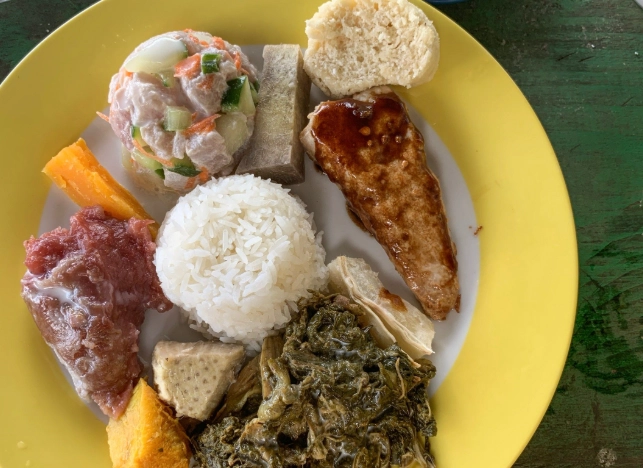
At the end of the day, exploring Polynesian food is about more than just eating. It's a way to connect with a story of resilience, navigation, and profound respect for ʻāina (the land) and moana (the ocean). Each bite, from the simplest bowl of poi to the most elaborate feast from the lovo, carries that history. So next time you have the chance, skip the sweet-and-sour stereotype and seek out the real, humble, and incredibly flavorful world of authentic Polynesian cuisine. You won't regret it.
And if you try making poisson cru at home and it turns out great? Or if you finally understand why poi is so beloved? Drop a comment somewhere, share the experience. The best food traditions are the ones we learn about, try, and pass on. That's how they stay alive, far from their island homes.
For anyone wanting to dive even deeper into the cultural protocols and significance of food, the Samoan government portal and cultural organizations often share resources that put the cuisine in its proper, rich context. It's worth the read.
Reader Comments