Quick Navigation
- What Is Lake Toba, Really? A Supervolcano's Legacy
- Why Bother Going? The Real Reasons to Visit Lake Toba
- Getting There and Getting Around: The Nitty-Gritty
- Where to Plant Yourself: Samosir Island Areas Decoded
- What To Actually *Do* at Lake Toba in North Sumatra
- Food You Have to Try (And Things to Watch Out For)
- Budgeting: What Does It Really Cost?
- Practical Tips & Common Pitfalls
- Answering Your Burning Questions (FAQs)
- Final Thoughts: Is Lake Toba Worth It?
Let's be honest. When you first hear about Lake Toba in North Sumatra, you probably just see a picture of a huge, serene lake with a massive island in the middle. It looks peaceful, sure. But is that all there is? A nice photo spot and then you're done?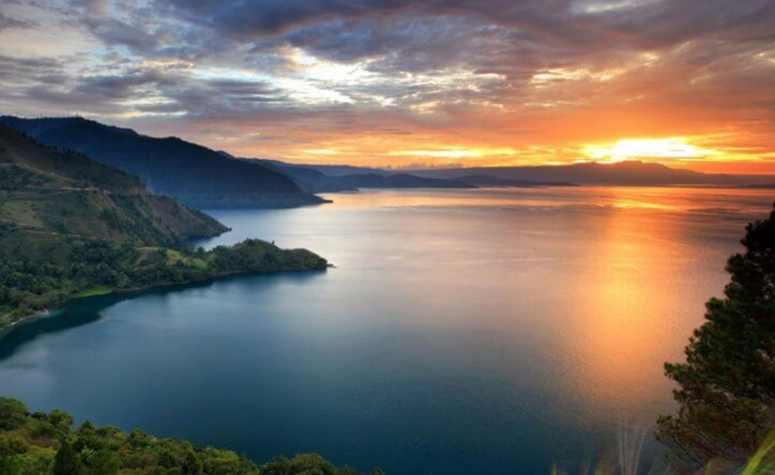
Not even close.
Having spent more time there than I planned (in a good way), I realized Lake Toba is one of those places that slowly unravels itself. It's not in-your-face spectacular like some other Indonesian spots. It's subtle. It's deep. And I mean that literally and culturally. This isn't just a lake; it's the result of one of the largest volcanic eruptions on Earth, a cultural heartland for the Batak people, and a place where your plans have a funny way of changing once you get a taste of the local pace.
This guide is my attempt to give you everything I wish I'd known before going. We'll ditch the generic fluff and talk about what it's really like to travel to Lake Toba in North Sumatra today.
What Is Lake Toba, Really? A Supervolcano's Legacy
Okay, first things first. To appreciate Lake Toba, you need to understand its backstory. Calling it a "lake" is like calling the Grand Canyon a "ditch." It's technically true but misses the epic scale.
Roughly 74,000 years ago, the Toba supervolcano blew its top in what scientists believe was one of the most colossal eruptions in the last couple of million years. We're talking about a world-altering event. The explosion was so massive it created a colossal caldera—a giant hole left behind after the volcano collapsed in on itself. Over millennia, that caldera filled with water.
The result? Lake Toba in North Sumatra as we see it now. Let's break down the mind-boggling stats:
- Size: About 100 kilometers long and 30 kilometers wide. It's so big it often creates its own weather patterns.
- Depth: Reaching around 500 meters at its deepest point. That's deep.
- The Island: Samosir Island, smack in the middle, isn't just any island. It's nearly the size of Singapore. And it's not a separate landmass that just ended up in the lake; it's a volcanic dome that pushed up *after* the main eruption, right inside the caldera. Think of it as the Earth's follow-up act.
This geological drama is the foundation for everything here. The fertile soil, the dramatic cliffs plunging into the water, the hot springs—it all traces back to that ancient cataclysm. The official Volcano Discovery page on Toba has some fascinating technical details if you're into the science.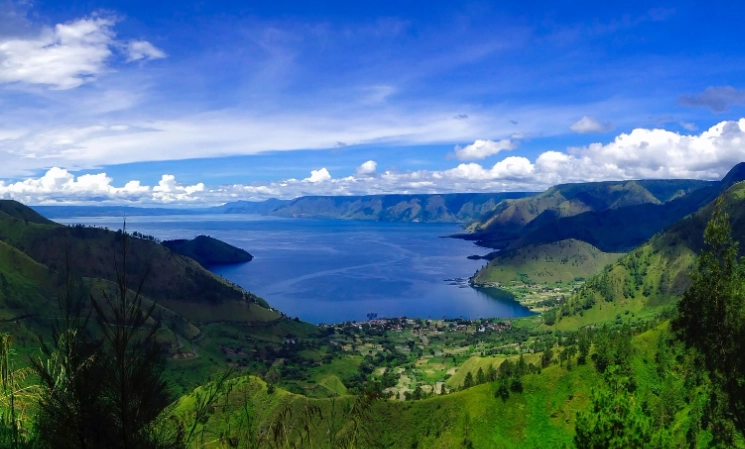
Why Bother Going? The Real Reasons to Visit Lake Toba
Forget the brochure. People don't come to Lake Toba in North Sumatra just to check a box. They come for specific experiences you can't easily find elsewhere. Here’s what truly makes it special, and honestly, what might not be for everyone.
For the Culture: The Batak Heartland
Samosir Island is the cultural core of the Batak Toba people. Their distinct traditions, music, and architecture are everywhere. You'll see the iconic Batak houses with their soaring, boat-shaped roofs. The intricate carvings aren't just decoration; they tell stories.
Then there's the music. The gondang ensemble and those powerful, soaring voices. I stumbled upon a family gathering in Tomok with live music, and it wasn't for tourists. It was raw, emotional, and completely captivating. You can feel the pride in their heritage. The official Indonesian tourism page for Lake Toba touches on this, but seeing it in person is different.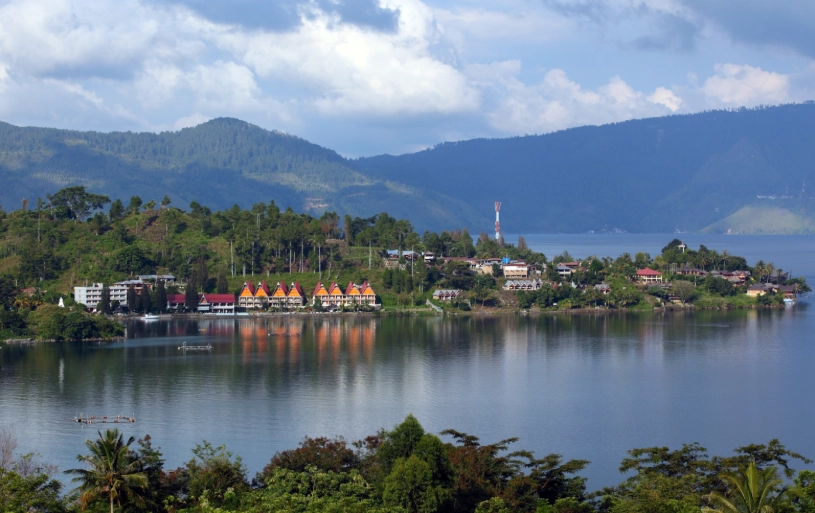
For the Pace: Actual Relaxation
This isn't Bali. The tourism infrastructure is more spread out and low-key. You won't find sprawling beach clubs or hectic nightlife strips (which, depending on your mood, is a huge plus). A perfect day might involve renting a scooter, finding a quiet cove for a swim, reading a book in a lakeside cafe, and watching the sunset paint the sky. It forces you to slow down.
For the Landscape: Epic Views Without the Crowds
Cycling or riding a motorbike along the winding roads of Samosir, with the vast, blue lake on one side and green hills on the other, is therapeutic. The viewpoints, like the one near the Tele Tower, offer panoramas that make you feel tiny in the best possible way. It's nature on a grand, humbling scale.
Getting There and Getting Around: The Nitty-Gritty
This is where many travel guides gloss over the details. Let's get practical.
The main gateway is Medan, North Sumatra's capital. From Medan's Kualanamu International Airport (KNO), you have a journey ahead. The most common route is a 4-6 hour drive to Parapat (also called Parapat), the main port town on the lake's eastern shore. You can book a private car, take a shared minibus (called a "travel"), or, for the adventurous, try public buses. The private car is the most comfortable, obviously, but the shared vans are a genuine local experience (pack light and be prepared for a squeeze).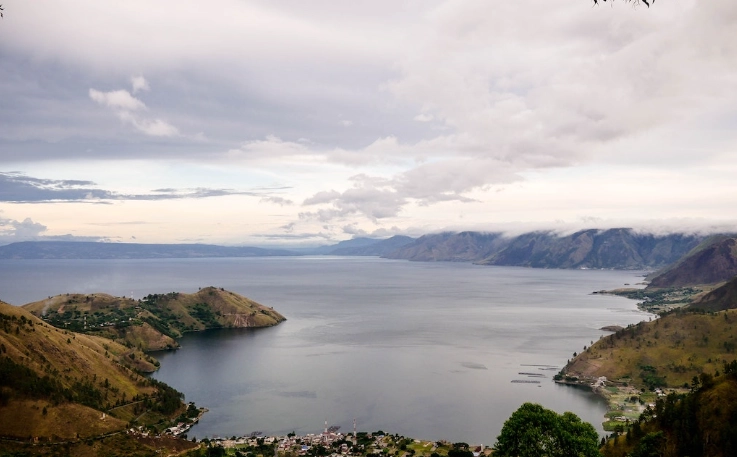
Then comes the ferry.
From Parapat, ferries regularly cross to various points on Samosir Island, like Tuktuk, Tomok, or Ambarita. The ride is cheap, scenic, and part of the adventure. Boats are basic but functional. They leave when they're reasonably full, so schedules are… flexible. Embrace it.
Once on Samosir, your main options are:
- Scooter/Motorbike Rental: The king of flexibility. Roads are generally decent, traffic is light, and it lets you explore every nook and cranny. Just be cautious on wet roads.
- Bicycle Rental: Great for shorter distances around the Tuktuk peninsula. The hills can be punishing, so know your fitness level.
- Local Guides with Cars: Ideal for a day of hitting the major historical sites stress-free. You can often arrange this through your accommodation.
Where to Plant Yourself: Samosir Island Areas Decoded
Choosing where to stay on Samosir is your biggest decision. Each area has a different vibe. Here’s a blunt breakdown.
| Area | Vibe & Best For | What's Good | What's Not So Good |
|---|---|---|---|
| Tuktuk Siadong | The tourist hub. First-timers, social butterflies, convenience seekers. | Concentration of hotels, restaurants (from local to Western), cafes with wifi. Easy ferry access from Parapat. Social atmosphere. | Can feel a bit "packaged." Less "authentic" local feel. Prices slightly higher. |
| Tomok | More local-feeling than Tuktuk. Culture & market lovers. | Vibrant local market, close to important historical sites like ancient stone chairs & King Sidabutar's tomb. Good ferry connection. | Can be busy and noisy near the port. Fewer "resort-style" accommodations. |
| Ambarita | Quiet, historical. Peace seekers interested in Batak history. | Home to the fascinating Stone Chair complex (Siallagan). Very tranquil, beautiful lakeside spots. | Very quiet at night. Limited dining/amenities. You'll need transport to get around. |
| Other Villages (e.g., Pangururan) | Off-the-beaten-path, authentic local life. | The real deal. Incredible immersion. Hot springs in Pangururan. Unique experiences. | Very few tourist facilities. Language barrier more pronounced. Requires self-sufficiency and transport. |
My personal recommendation for a first visit? Tuktuk. It gives you a comfortable base, easy options for food and tours, and you can always venture out to the quieter spots during the day. I stayed in a mid-range losmen right on the water, and waking up to that view never got old.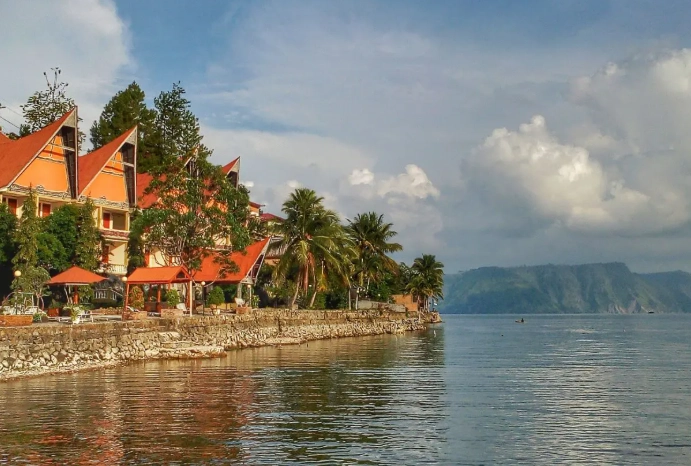
What To Actually *Do* at Lake Toba in North Sumatra
Beyond just gazing at the water, here’s a mix of must-dos and deeper cuts.
Cultural & Historical Deep Dives
- Explore the Stone Chairs at Ambarita: This isn't just a photo op. These ancient stone formations were used as a meeting and judgment place by Batak kings. Standing in the circle feels strangely powerful. Get a guide there to explain the grim history—it brings it to life.
- Visit Tomok's Sites: See the intricately carved tomb of King Sidabutar and the old Batak houses nearby. The market is a sensory overload in the best way.
- Watch a Traditional Dance Performance: Many restaurants in Tuktuk host evening shows. While designed for tourists, the skill and energy of the performers are genuine. It's an accessible way to experience Batak culture.
- Visit a Batak Church on Sunday: If you're there on a Sunday, hearing the congregation sing hymns in powerful Batak harmonies is an unforgettable cultural and spiritual experience, regardless of your beliefs.
Nature & Adventure
- Scooter Loop of Samosir: Rent a bike with a full tank and just go. The full loop is a full-day adventure. You'll pass through tiny villages, see stunning vistas, and find your own secret spots. The road on the western side is particularly scenic and less traveled.
- Swim in the Lake: The water is clean, fresh, and surprisingly refreshing. Many accommodations have lakeside access or a jetty. Just be mindful of boats.
- Hike to a Waterfall: Ask locals for directions to lesser-known falls like Sipiso-piso or the ones near Tele. It's a great way to see the lush interior of the island.
- Soak in the Hot Springs (Aek Rangat): Natural hot springs on the western side of Samosir, near Pangururan. Basic pools right by the lake—perfect after a long day of exploring.
Simply Unwind
Don't underestimate the value of doing nothing. Read a book in a hammock. Sip a local *kopi tubruk* (thick, gritty coffee) at a warung. Strike up a conversation with a local shop owner. The slow rhythm of life at Lake Toba in North Sumatra is its own activity.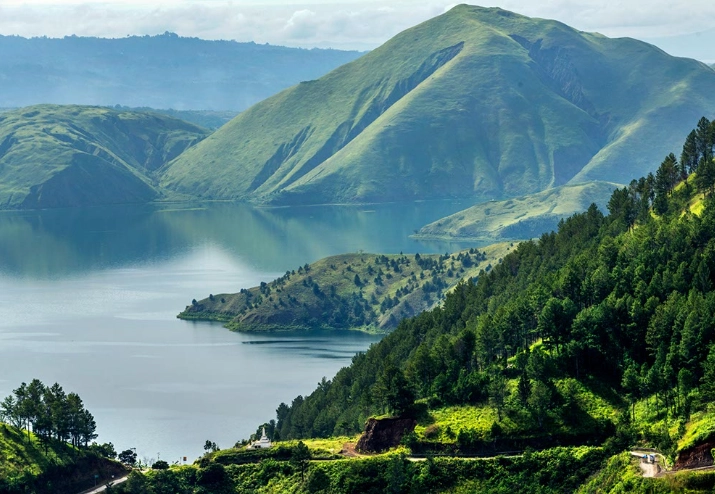
Food You Have to Try (And Things to Watch Out For)
Batak cuisine is bold, often spicy, and heavy on pork and freshwater fish—a stark contrast to predominantly Muslim parts of Indonesia.
Must-Eats:
- Babi Panggang Karo (BPK): Grilled pork with a distinctive, spicy, and slightly sour sauce. It's everywhere and for good reason.
- Arsik: Carp or goldfish cooked with a rich paste of torch ginger, candlenuts, and spices until the sauce is almost dry. A flavor bomb.
- Naniura: For the adventurous—"carp sushi" where the fish is "cooked" in a potent acidic marinade of calamansi and spices, similar to ceviche. Incredibly fresh and tangy.
- Ikan Mas Pepes: Goldfish steamed in banana leaves with spices. More subtle than Arsik but delicious.
Budgeting: What Does It Really Cost?
One of Lake Toba's biggest draws is its value. It's incredibly affordable for what you get. Here's a rough breakdown for a mid-range, comfort-focused traveler (per person, in USD).
- Accommodation: A clean, comfortable room with a private bathroom and a lake view can be found for $15-$30 per night. Hostels and homestays go cheaper; luxury is limited but exists.
- Food & Drink: A massive local meal at a simple warung can cost $2-$3. A nice dinner at a tourist restaurant with a beer might be $5-$8. Coffee is cents.
- Transport: Scooter rental: ~$5-$7 per day. Petrol is cheap. Ferry crossings: ~$1-$2. Private car from Medan airport: ~$50-$70 (can be split).
- Activities & Tours: Most natural activities are free. A half-day guided tour to cultural sites might be $15-$20 per person for a small group.
You can easily travel well here on $30-$50 a day, excluding your initial transport from Medan.
Practical Tips & Common Pitfalls
- Cash is King: ATMs are available in Parapat and a few in Tuktuk/Tomok, but they can run out. Withdraw enough in Medan or Parapat before heading to the island, especially if staying in remote areas.
- Connectivity: Mobile data (Telkomsel is best) works reasonably well in populated areas. Wi-Fi is common in accommodations but can be slow. Embrace the digital detox where you can.
- Respect the Culture: The Batak are generally warm and welcoming. Dress modestly when visiting villages or historical/religious sites (cover shoulders and knees). Always ask before taking portraits of people.
- Weather: It can be cooler than the lowlands, especially in the evening. Bring a light jacket. Rain can appear suddenly but often passes quickly.
- Bargaining: Be polite but firm for things like souvenir prices at the market or sometimes non-metered transport. For fixed-price items like accommodation and most meals, don't bother.
Answering Your Burning Questions (FAQs)
Final Thoughts: Is Lake Toba Worth It?
If you're looking for a polished, effortless resort vacation, maybe not. But if you want a destination with soul, with layers—geological, cultural, historical—and a pace that recalibrates your internal clock, then absolutely.
Lake Toba in North Sumatra challenges you a little. The journey there isn't effortless. The amenities can be basic. But that's part of its reward. It feels earned. You leave not just with photos of a beautiful lake, but with memories of powerful singing, the smell of grilled pork and spices, the feel of warm volcanic spring water, and the quiet hum of a scooter engine on an empty road with a view that goes on forever.
It's a place that sticks with you, quietly, long after you've left its shores. And that, to me, is the mark of a truly great destination.
Just go. Take your time. And let the lake work its slow magic.
Reader Comments