Quick Guide
Let's be honest, when you think of Southeast Asian cuisine, your mind probably jumps straight to Thai curries, Vietnamese pho, or maybe Malaysian laksa. Burmese food? It's often the quiet one in the corner, the one you haven't been properly introduced to. And that's a real shame, because it's a knockout.
I remember the first time I stumbled into a Burmese restaurant, more out of curiosity than anything else. I had zero expectations. What came out of the kitchen was this wild, wonderful puzzle of flavors I thought I knew, arranged in ways I absolutely didn't. It was sour, but not like Thai sour. It was savory and deep, but different from Vietnamese. It had this earthy, funky, herbal, crunchy, soft, hot, and mild thing all happening at once. I was hooked.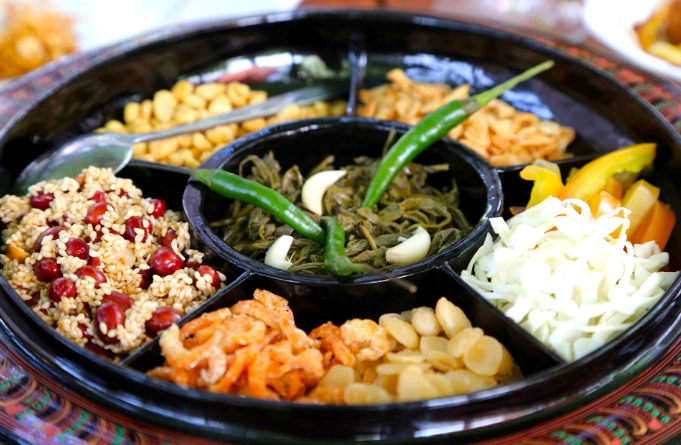
That's the thing about Burma country food. It's not just one thing. It's a living history book on a plate. Sitting right at the crossroads of China, India, Thailand, and Laos, Myanmar (which many still call Burma) has been a cultural sponge for centuries. Its cuisine reflects that in the most delicious way possible. You get the warming spices and breads from Indian influences, the noodle soups and stir-fry techniques from China, the fresh herbs and citrus notes from Thailand, all while holding onto its own unique core. It's a fusion cuisine that's been naturally simmering for generations, not something a chef invented last week.
This guide is my attempt to unpack that adventure for you. We're going beyond just listing dishes. We'll dig into what makes the flavors tick, how to spot a great Burmese restaurant (or cook it yourself), and answer all those questions you might be too shy to ask. Consider this your friendly, messy, and hopefully very useful map to the world of Burmese country food.
The Building Blocks: Flavors and Ingredients You Gotta Know
You can't build a house without bricks, right? Same goes for understanding any cuisine. Before we get to the famous dishes, let's talk about the flavor pillars and the ingredients that make Burmese cooking so distinct. This isn't about memorizing a dictionary; it's about knowing what to look for on a menu or in a market.
The Burmese flavor profile is a masterclass in balance. It's often described as a balance between sour, spicy, salty, and bitter, with sweet playing a more subtle, supporting role. Umami is the secret guest star, showing up in fermented pastes and dried seafood.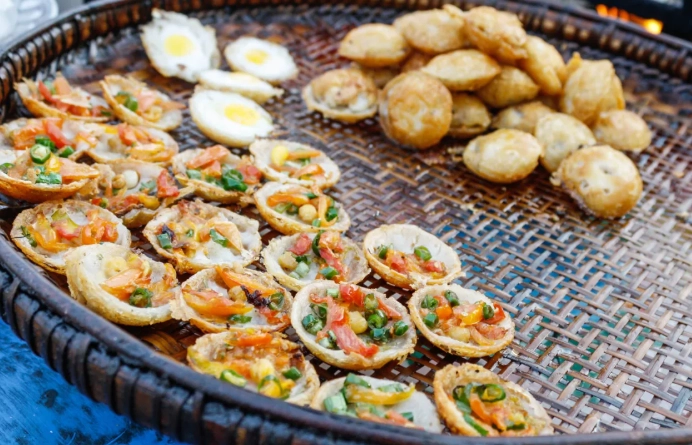
The Holy Trinity (Plus One)
If French cooking has mirepoix (onions, carrots, celery), and Cajun has the holy trinity (onions, celery, bell peppers), then Burmese cooking has its own foundational trio, with a crucial fourth member.
- Shallots & Garlic: These aren't just aromatics here; they're often fried until deeply golden and crispy to form a fragrant oil and a crunchy garnish called sipyan. This crispy topping is sprinkled on everything from salads to soups and is absolutely non-negotiable for texture and depth. The oil itself is a key cooking medium.
- Ginger & Turmeric: Fresh ginger is used liberally, not just as a background note but as a prominent, warm, and slightly peppery flavor. Fresh turmeric root is also common, giving dishes a vibrant yellow hue and an earthy, mustard-like aroma that's less pungent than dried powder.
- The "Plus One": Ngapi: Okay, here's the big one. Ngapi is a fermented paste made from either fish or shrimp (and sometimes even from beans). It's the umami bomb of Burmese cuisine. Think of it as the fish sauce or shrimp paste of Burma, but often with a stronger, more concentrated flavor. It's used as a seasoning base, a condiment, and a dip. First-timers might find the aroma... challenging. But in a dish, it melts into this incredible savory backbone. You can't talk about authentic Burma country food without acknowledging ngapi. It's in the DNA.
Herbs, Textures, and Other Key Players
It's not all about the pastes and aromatics. The fresh elements are what make the food sing.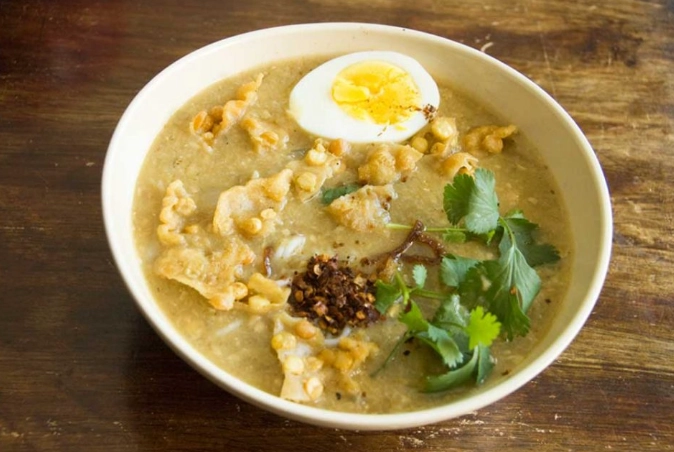
Cilantro and Mint are used with abandon, not just as a garnish but as a main salad component. Lemon or lime is preferred over vinegar for sourness. Then you have the textural stars: Roasted chickpea powder (toasted besan) adds a nutty, thickening quality to soups and salads. Crunchy fried beans, lentils, and garlic are sprinkled on top of nearly everything. And let's not forget the various noodles—rice noodles, wheat noodles, and the beloved shan noodles made from a chickpea and rice flour blend.
This interplay of soft and crunchy, fresh and fermented, is what defines the eating experience. Every bite has something to discover.
The Must-Try Dishes: Your Burma Country Food Hit List
Alright, enough theory. Let's talk about the good stuff—the dishes you should absolutely hunt down. This is by no means an exhaustive list, but if you're new to Burmese food, start here.
Mohinga: The National Dish
Calling Mohinga a fish noodle soup is like calling the Grand Canyon a big hole. It's technically true but misses the grandeur. This is the breakfast of champions, the hangover cure, the comfort food king of Myanmar. It's a rich, slightly thick broth made from catfish, simmered with lemongrass, ginger, banana stem, and that toasted chickpea flour we mentioned. It's ladled over thin rice noodles and then dressed to the nines with a buffet of toppings: crispy fried fritters (aakyaw), boiled eggs, cilantro, lime, fried garlic, and chili flakes.
Every region, every street vendor, every home cook has their own version. Some are lighter and more herbal, others are deeper and fishier. The one I had in Yangon from a street stall at 7 AM was life-changingly good. It's hearty but not heavy, complex but incredibly soothing. If you only try one dish, make it Mohinga. It is Burmese country food in a bowl.
Lahpet Thoke: The Famous Tea Leaf Salad
This might be the most famous Burmese export, and for good reason. Lahpet Thoke is a salad made from fermented tea leaves (lahpet). Yes, you read that right. The tea leaves are pickled, giving them a tangy, slightly bitter, and utterly unique flavor. They form the moist, dark green base of the salad.
Here's where the magic happens: the tea leaves are mixed with a cacophony of crunchy things. We're talking fried garlic, roasted peanuts, toasted sesame seeds, dried shrimp, fried yellow split peas, and fresh tomatoes. Sometimes crispy fried broad beans join the party. It's all brought together with a hit of lime juice, maybe a touch of chili oil, and that all-important crispy shallot oil.
Shan Noodles & Other Noodle Stars
Noodles are serious business in Myanmar. Beyond Mohinga, you have a world of options.
Shan Noodles (Shan Khauk Swè): Hailing from the Shan State, these are flat, wide rice noodles served either in a light, savory, and slightly tart tomato-based broth or, more commonly, "dry" style. The dry version is noodles topped with a minced pork or chicken tomato sauce, a drizzle of garlic oil, and a sprinkle of roasted sesame seeds and peanuts. It's simple, comforting, and ridiculously moreish. The noodles themselves have a lovely, slightly chewy texture.
Nan Gyi Thoke: Think of this as a Burmese pasta salad. Thick, round rice noodles are mixed with a rich, curry-based chicken or mutton sauce, chickpea flour gravy, and all the usual crunchy garnishes. It's a hearty, cold noodle dish that's perfect for a hot day.
Ohn No Khao Swè: This is the coconut milk noodle soup. A creamy, mild curry broth made with coconut milk and chicken, served over wheat noodles and topped with hard-boiled egg, crispy noodles, and a squeeze of lime. It's the gentler, creamier cousin to Mohinga and a fantastic introduction for those wary of stronger flavors.
See what I mean? The noodle game is strong. And we haven't even gotten to the curries yet.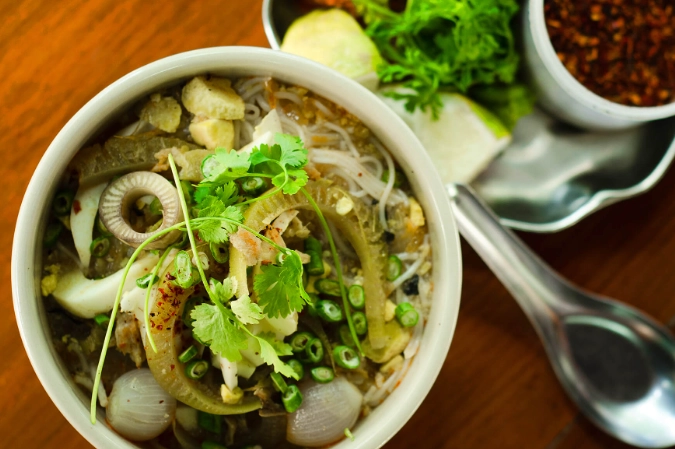
A Deeper Dive: Curries, Soups, and Regional Gems
Burmese curries are a different beast from their Thai or Indian counterparts. They are often oilier, with the oil separating and floating on top—this is intentional and a sign of a well-cooked curry. The spice level is generally milder, focusing on depth of flavor from slow-cooked aromatics rather than sheer chili heat.
A typical Burmese curry meal, especially at home, isn't just one curry. It's a spread. You'd have your main protein curry (like a pork belly curry or a fish curry), a light soup (hin), a fresh vegetable dish or salad, some ngapi dip (balachaung, which is a spicy, crispy relish made with dried shrimp and chili, is legendary), and of course, plenty of rice.
Regional Variations: It's Not All the Same
Myanmar is incredibly diverse, and the food changes as you travel. In the Shan State, you'll find more sticky rice and dishes influenced by neighboring Yunnan (China). The Rakhine State, on the west coast, has famously spicy food, with a heavier use of chili and fresh herbs—their version of fish soup (Rakhine Mont Di) will clear your sinuses. In the south, near Mon State, coconut milk becomes more prevalent. Asking about regional specialties is a great way to explore the depth of Burmese country food.
Let's talk about something unique: Htamin Jin or fermented rice salad. Cooked rice is fermented slightly, giving it a tangy flavor, then mixed with cooked fish (usually boiled), herbs, and crunchy vegetables. It's refreshing, sour, and a great example of the Burmese love for fermented flavors.
And then there are the snacks and street food. Samusa Thoke is a genius dish where samosas (the Indian-inspired ones) are broken up and tossed in a salad of onions, herbs, and a tangy tamarind sauce. It's messy, addictive, and a perfect example of culinary adaptation.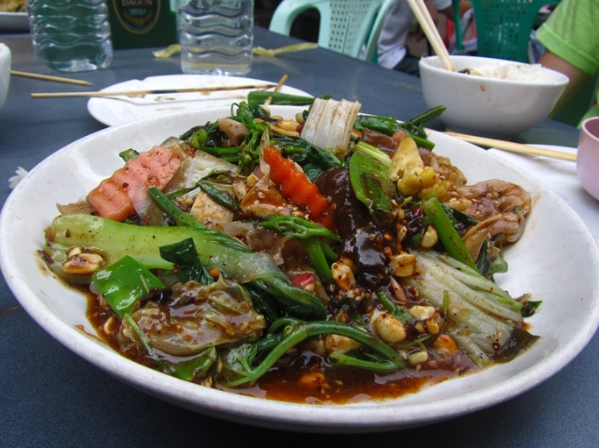
Bringing Burma Home: Cooking Tips and Common Questions
Maybe you've read this and now you're itching to try cooking some of this yourself. Or maybe you're just planning your first restaurant visit and have some questions. Let's tackle that.
FAQs: Your Burma Country Food Questions, Answered
Cooking at Home: A Realistic Starter Guide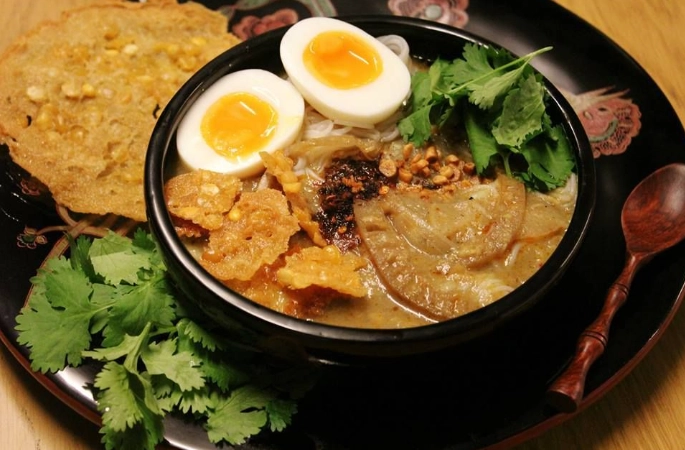
Don't be intimidated. You can make some fantastic Burmese-style dishes without a pantry overhaul.
Start with a Tea Leaf Salad (Lahpet Thoke). It's assembly, not cooking. Buy a jar of prepared fermented tea leaves (brands like Yuzana are common). Then, it's just about gathering your crunchies: fried garlic (store-bought is fine), roasted peanuts, toasted sesame seeds, maybe some crushed fried lentils or yellow split peas. Chop some tomato and fresh chili. Mix the tea leaves with a bit of oil from the jar, assemble your toppings, and squeeze lime over it all. Boom. You're 80% there.
For a cooked dish, Shan Noodles are surprisingly approachable. You need rice noodles (the wide, flat ones). For the sauce, you're essentially making a savory tomato and meat sauce with garlic, a touch of turmeric, and soy sauce. Top with sesame seeds, peanuts, and cilantro. It's familiar enough to not be scary but introduces you to that classic Burmese flavor profile.
The most important ingredients to hunt down for authentic flavor are fermented tea leaves (for salad), toasted chickpea flour (for thickening and flavor), and maybe a jar of balachaung (the spicy shrimp relish) to have on hand as a condiment. A good Asian supermarket should have these, or you can find them online from specialty retailers.
For those who want to dive deeper into authentic recipes and techniques, the website Myanmar's official government portal sometimes features cultural sections on cuisine, though it can be high-level. For detailed, tested recipes from the diaspora, blogs run by Burmese home cooks are invaluable resources. Publications like Saveur have also published well-researched features on Burmese cuisine that provide excellent context and reliable recipes.
Where to Find It and How to Eat It
You're sold on trying Burma country food. Now what?
In many Western cities, Burmese restaurants are still a rare gem. They might be listed under "Burmese," "Myanmar," or sometimes grouped with "Asian Fusion." Look for keywords like "Tea Leaf Salad," "Mohinga," or "Shan Noodles" on the menu—that's a dead giveaway.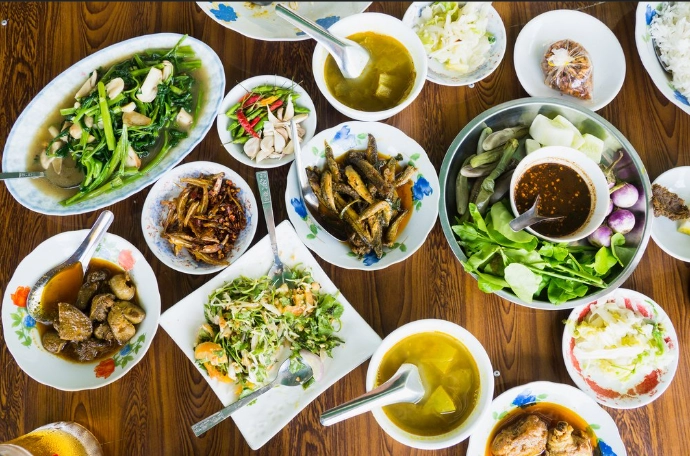
When you go, go with friends. The best way to experience this cuisine is family-style. Order a bunch of dishes and share. Here's a sample order for a group of four:
| Dish Type | Recommendation | Why Order It |
|---|---|---|
| Salad | Lahpet Thoke (Tea Leaf Salad) | The iconic, must-try textural experience. |
| Soup/Noodle | Mohinga OR Ohn No Khao Swè | Mohinga for the authentic national dish, Ohn No Khao Swè for a creamier, milder intro. |
| Main Curry | Pork Belly Curry or Chicken Curry | To experience the oily, aromatic, slow-cooked Burmese curry style. |
| Vegetable Side | Seasonal Stir-fried Greens | Often simply prepared with garlic and a hint of ngapi for balance. |
| Condiment | Balachaung (if available) | A spicy, crunchy relish to spoon over your rice—adds a huge flavor punch. |
Don't forget the rice! And use your hands if you're comfortable. Mixing the tea leaf salad with your fingers, or using your right hand to scoop up a bit of curry with rice, can feel more connected to the food.
The journey into Burmese cuisine is one of discovery.
It's about finding beauty in a balanced clash of textures, in the deep umami of fermented pastes, and in the history told through every bowl of noodles. It's a cuisine that hasn't been oversimplified for global palates yet, which makes it all the more exciting to explore.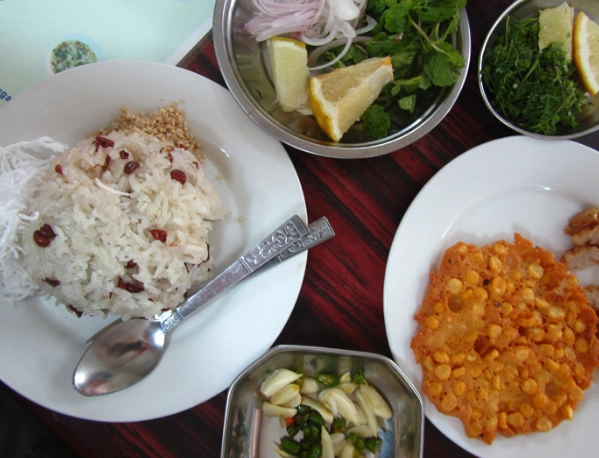
So, take this guide, find a restaurant, or grab a jar of tea leaves and some chickpea flour. Start your own adventure into the warm, crunchy, savory, and tangy world of Burmese country food. You won't regret it.
Reader Comments