Quick Guide
Let's be honest, trying to pin down Singaporean cuisine feels a bit like trying to describe water. You know it when you taste it, but good luck giving a simple definition. It's not just one thing. Calling it a "melting pot" is the biggest cliché in the book, but honestly, it's the only one that fits. Imagine taking the wok-fired soul of southern Chinese cooking, the complex, fragrant spice pastes of Malaysia, the rich coconut-based curries from India and Peranakan kitchens, and even a dash of British colonial influence, throwing them all into a tropical island nation, and letting it simmer for a couple of centuries.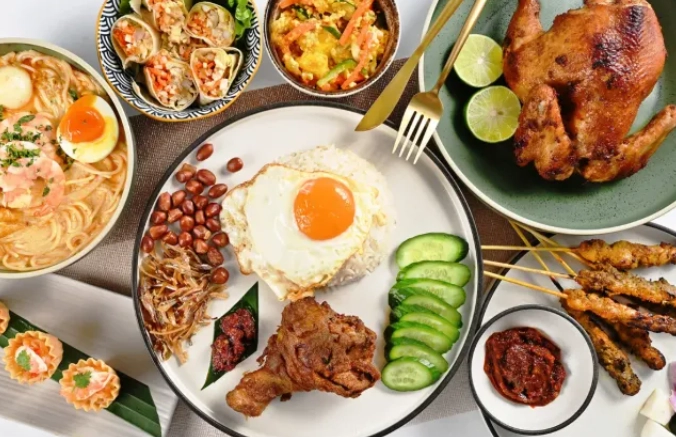
The result? A food culture that's fiercely proud, incredibly diverse, and stubbornly resistant to being put in a box. It's the only place where you can have a Michelin-starred meal from a $3 plastic plate under a tin roof. That's the magic, and that's what we're diving into.
The Unmissable Icons: Singapore's Signature Dishes
You can't talk about the food here without hitting the heavy hitters. These are the dishes that define the experience, the ones every visitor has on their list. But here's the thing – they're not tourist traps. Locals queue for them just as eagerly, which is the highest compliment you can get.
Hainanese Chicken Rice: Deceptively Simple Genius
This is the national dish for a reason. It looks simple: poached chicken, rice, some cucumber, dipping sauces. How hard can it be? I thought the same thing before I had a truly great version. I was humbled.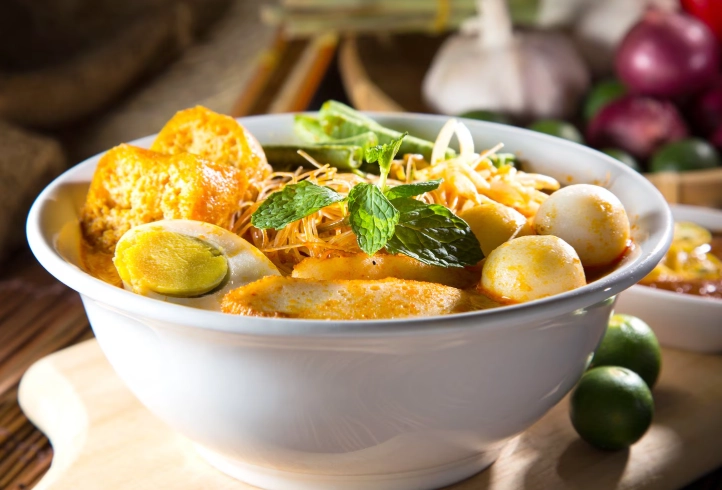
The chicken is gently poached to a state of just-doneness, leaving the flesh supremely tender and silky, with a subtle layer of gelatin under the skin. The real star, though, is the rice. It's cooked in a broth infused with chicken fat, garlic, ginger, and sometimes pandan leaves. Each grain is fragrant, oily in the best way, and packed with flavor. It's served with a trio of sauces: a spicy chilli-ginger-garlic paste, dark soy, and a ginger paste. The interplay is everything. Some stalls steam the chicken, others poach it. The debate over which is better is a local pastime. My take? A good poached version is ethereal, but a perfectly steamed one has a cleaner flavor. Try both.
Chilli Crab & Black Pepper Crab: A Messy, Joyful Ritual
This isn't a dainty meal. You will get sauce everywhere. Your fingers, your face, the table. Embrace it. Mud crabs are stir-fried in a thick, sweet, tangy, and slightly spicy tomato-based sauce, thickened with egg. The flavor is an addictive punch of umami, sweetness, and heat. You use your hands to crack the shells, mopping up every last drop of sauce with deep-fried mantou (buns).
Then there's its sibling, Black Pepper Crab. No tomato sauce here – just a fiercely aromatic, dry stir-fry with crushed black pepper, butter, and soy. It's less sweet, more peppery and savory. Which is better? It's like choosing a favorite child. I lean towards black pepper on a good day – the punch of pepper is just incredible. But you really need to order both with a group. It's a social, shared experience that defines Singaporean dining.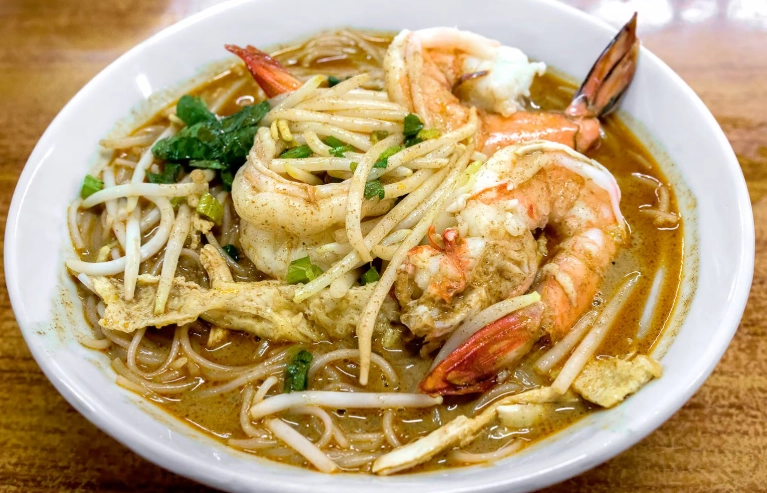
Laksa: The Ultimate Comfort Food Noodle Soup
There are two main types, and the difference is crucial. Katong Laksa (named after the Katong area) is a coconut milk-based curry soup, rich, slightly sweet, and packed with spices like lemongrass and galangal. The noodles are usually cut up, so you eat it with just a spoon. It's topped with prawns, fishcake, and cockles.
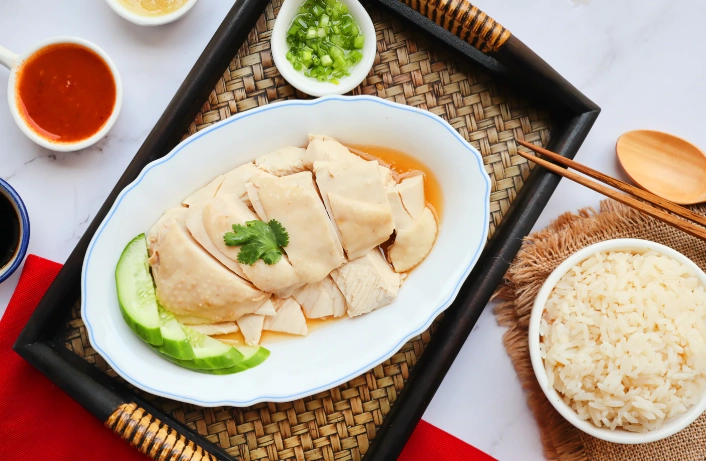
Asam Laksa is a totally different beast. It's from the northern region but widely available. The broth is tamarind-based (asam means sour), giving it a sharp, tangy, fishy flavor. It's lighter, more complex, and topped with flaked mackerel, pineapple, cucumber, and mint. It's an acquired taste for some, but once you acquire it, you crave it. I used to find it too pungent, but now I seek it out on rainy days.
Beyond these giants, your plate (and stomach) needs to make room for a few more essentials:
- Char Kway Teow: Flat rice noodles stir-fried over fierce heat with dark soy, chilli, Chinese sausage, egg, and cockles. It's smoky (wok hei is essential), savory, and a little greasy in the best possible way.
- Hokkien Prawn Mee: Not to be confused with the Malaysian version. Singapore's take features thick yellow noodles and bee hoon (thin rice vermicelli) braised in a rich, pork and prawn stock broth until the noodles soak up all the flavor. Served with prawns, squid, and a wedge of lime.
- Roti Prata: Indian-influenced flaky, crispy flatbread, fried on a griddle and served with dhal (lentil curry) or fish curry for dipping. Perfect for breakfast or a late-night snack.
- Satay: Skewers of marinated, grilled meat (chicken, beef, mutton) served with a creamy, nutty peanut sauce, raw onions, cucumbers, and compressed rice cakes (ketupat). The smoke from the charcoal grill is part of the flavor.
Where the Magic Happens: Navigating the Hawker Centre
If Singaporean cuisine has a heart and soul, it's the hawker centre. These are not food courts in the Western sense. They are sprawling, open-air complexes (mostly) housing dozens, sometimes hundreds, of individual stalls, each specializing in one or two dishes. They are democratic, affordable, and the bedrock of everyday life. Recognized by UNESCO as an intangible cultural heritage, they're a must-experience.
Here’s how to do it like a local:
- Chope a Seat: This is the famous Singaporean practice of reserving a table by placing a packet of tissues on it. It's widely accepted. No tissues? Any small personal item will do. Just don't use something valuable.
- Survey the Scene: Walk a full lap. See what looks good, but more importantly, see where the queues are. A long line is usually the best quality indicator. Don't be put off by a 15-20 minute wait; it's often worth it.
- Ordering: Go to the stall, place your order, and pay. You'll get a number. Sometimes they call it, sometimes a digital board shows it. Wait nearby. Some stalls will deliver to your table, but many won't – you collect it yourself.
- The Table Number: If a stall offers delivery to table, they'll ask for your table number. Remember it when you "chope."
- Return the Trays: It's a point of civic pride. When you're done, clear your own plates, bowls, and utensils to the designated tray return stations. It keeps the place clean for everyone.
Not all hawker centres are created equal. Some are more tourist-friendly, others are gritty local gems. Here’s a quick breakdown of a few famous ones to help you choose: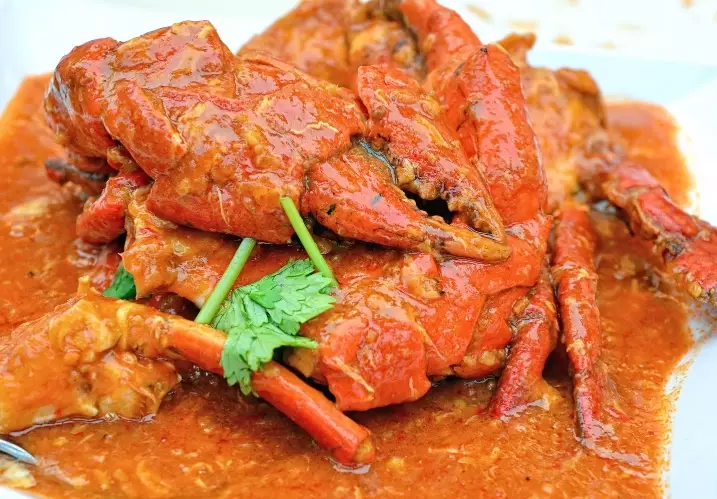
| Hawker Centre | Vibe & Specialties | Good For | My Personal Note |
|---|---|---|---|
| Maxwell Food Centre (Chinatown) | Famous for Tian Tian Hainanese Chicken Rice. Also great for popiah, oyster omelette. Can get very crowded with tourists at peak times. | First-timers, hitting the iconic stalls. Central location. | Tian Tian's queue is legendary. Is it the best? It's excellent, but there are other champions. The oyster omelette here is stellar. |
| Old Airport Road Food Centre | A local favorite with an insane variety. Famous for satay, rojak, hokkien mee, and minced meat noodles. Less touristy, more authentic local buzz. | Foodies wanting depth and variety. Feeling like a local. | This is where I go when I want to be spoiled for choice. The atmosphere is pure, unfiltered Singapore. The rojak stall near the entrance is a must. |
| Lau Pa Sat (Downtown) | Historic, beautiful Victorian structure. Famous for its nightly Satay Street where the road is closed for satay stalls. Also has good local and international options. | Impress visitors with the setting. The satay street experience. | It's a bit pricier and can feel corporate, but the satay street spectacle is fun. The satay itself? Good, not always the best, but the atmosphere makes up for it. |
| Chomp Chomp Food Centre (Serangoon Gardens) | Legendary supper spot. Opens in the late afternoon and goes till late. Famous for barbecued stingray, sambal squid, chicken wings, and fried carrot cake. | Late-night eats. A more residential, neighborhood feel. | The BBQ stingray slathered in sambal is a messy, smoky, spicy delight. Go hungry, go late. |
Beyond the Hawker: Other Layers of the Food Scene
Hawker centres are the soul, but Singaporean cuisine expresses itself in other spaces too.
The Coffee Shop (Kopitiam)
This is like a mini, more casual hawker centre, often at ground level of housing blocks. It'll have a drinks stall (the kopi stall), and maybe 5-10 food stalls. This is where locals grab breakfast – kaya toast (coconut jam and butter on toasted bread), soft-boiled eggs, and a cup of strong, sweet kopi (local coffee). The Ya Kun Kaya Toast chain commercialized this, but any neighborhood kopitiam does it well.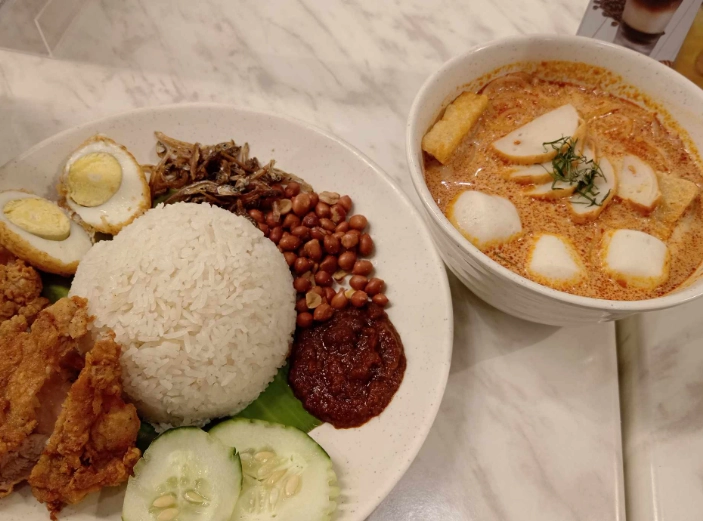
Peranakan Restaurants
For a deeper, more historical dive, you need to try Peranakan (or Nyonya) food. This is the cuisine of the Straits-born Chinese, a beautiful fusion of Chinese techniques with Malay ingredients. It's complex, labor-intensive, and often home-cooked, but several restaurants do it justice. Think dishes like ayam buah keluak (chicken with black nuts), kueh pie tee (crispy cups filled with vegetables), and intricate desserts (kueh). It's a richer, more nuanced side of Singaporean food culture.
The Modern Singaporean Restaurant
A new wave of chefs is reinterpreting Singaporean cuisine in fine-dining settings. They're deconstructing laksa, using premium ingredients for chilli crab, and presenting hawker flavors in tasting menus. It's controversial among purists, but it shows the cuisine's dynamism. Is it "authentic"? Not in the traditional sense. But it's an interesting evolution.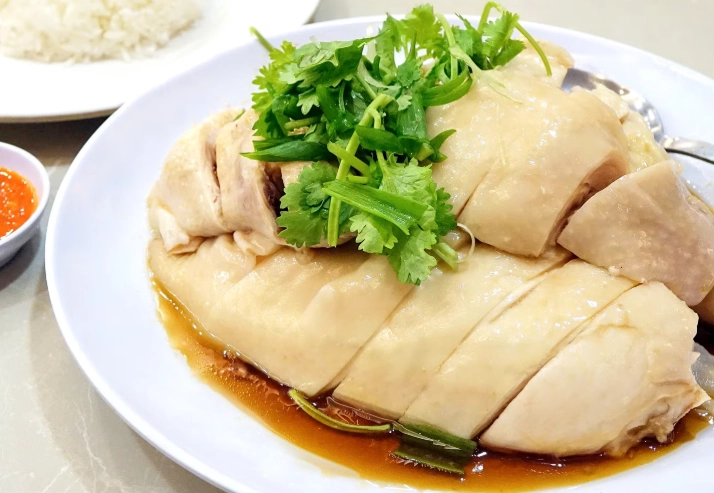
Your Practical Singapore Food Survival Guide
Okay, you're convinced. You want to eat it all. Here's the real-world info you need.
When and What to Eat
- Breakfast: Kopitiam. Kaya toast, soft eggs, kopi. Or maybe chwee kueh (steamed rice cakes with preserved radish).
- Lunch: Hawker centre. This is prime time. Chicken rice, wanton mee, fish soup noodles.
- Tea: A sweet treat. Try the colorful kueh (steamed cakes) or ondeh-ondeh (glutinous rice balls with gula melaka).
- Dinner: Go big. Laksa, chilli crab at a seafood restaurant, or a mix of dishes at a zi char stall (open-air cooked food stall).
- Supper: Chomp Chomp or any open-late spot. Sambal stingray, fried noodles, satay.
How to Handle the Heat
Singaporean food can be spicy. Sambal, chilli padi (bird's eye chilli) – they pack a punch. Always ask if a dish is spicy when ordering. You can usually request "less spicy" or "no spicy." Most stalls are accommodating. Have a drink ready. The local sugar cane juice or fresh coconut water are perfect fire extinguishers.
Cost & Payment
Hawker food is cheap. Most dishes are between SGD $3 to $8. Seafood like crab is market price and much more. Many hawker stalls are cash-only, though adoption of digital payment is growing. Always have some cash. For the official lowdown on food safety at these beloved institutions, the Singapore Food Agency's hawker centre page is a useful resource.
The Final Bite
Exploring Singaporean cuisine is an adventure. It's about letting go of preconceptions, following your nose (and the queues), and getting a little messy. It's a cuisine born of necessity, community, and a relentless drive to make something delicious out of whatever was available.
Don't just stick to the list. See a stall frying up something that smells incredible? Try it. Notice a dessert you can't pronounce? Point and order. That's how you find your own personal favorites. The true depth of Singaporean food culture reveals itself in those unplanned moments, in the shared tables with strangers, and in the simple, profound satisfaction of a perfectly executed dish served on a plastic plate.
It's more than fuel. It's the story of Singapore on a plate. Now go eat.
Reader Comments