Morning Bites: Quick Guide
Let's be honest, when you think of breakfast food Vietnam style, your mind probably jumps straight to Pho. I did too, before I spent a month hopping from Hanoi to Ho Chi Minh City. But let me tell you, that's just the tip of the iceberg. Or should I say, the first noodle in the bowl.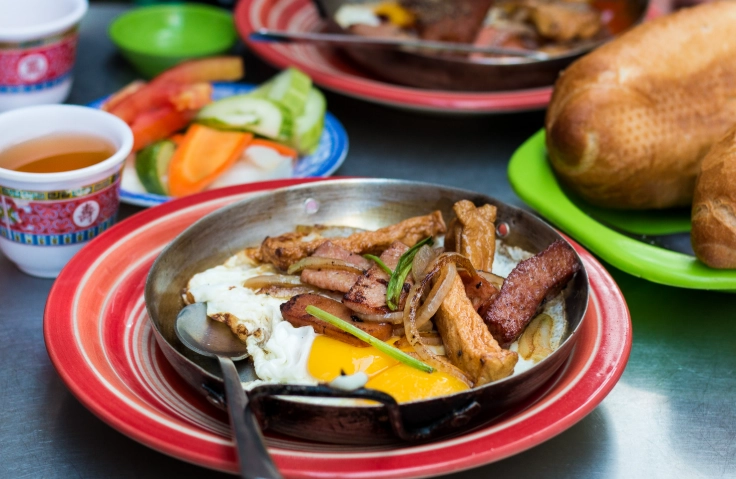
The morning scene here is something else. It's loud, it's steamy, it's incredibly fragrant, and it's utterly delicious. Forget your quiet cereal and toast. A Vietnamese breakfast is an event, often eaten on the street, perched on a tiny plastic stool, surrounded by the buzz of motorbikes and the chatter of locals starting their day. It's functional, it's fast, but my goodness, it's packed with flavor. This isn't just about filling your stomach; it's about setting the tone for the day with a proper, satisfying meal.
I remember my first real Vietnamese breakfast, not in a hotel, but in a back alley in Hanoi's Old Quarter. The air was thick with the smell of broth and charcoal. No menu, no English. You just pointed. That's when I realized how deep and varied the world of Vietnamese breakfast food truly is.
So, what makes Vietnamese breakfast tick? It's savory, it's often soupy or involves some form of rice, and it's almost always a complete, balanced meal with protein, carbs, and fresh herbs. Sweet breakfasts are rare. Here, you start strong.
The Heartbeat of the Morning: Street Food Culture
To understand breakfast in Vietnam, you have to understand the street food culture. It's the backbone of daily life. Most people, especially in cities, don't cook a big breakfast at home. Why would they? Right outside their door is a universe of affordable, expertly made dishes.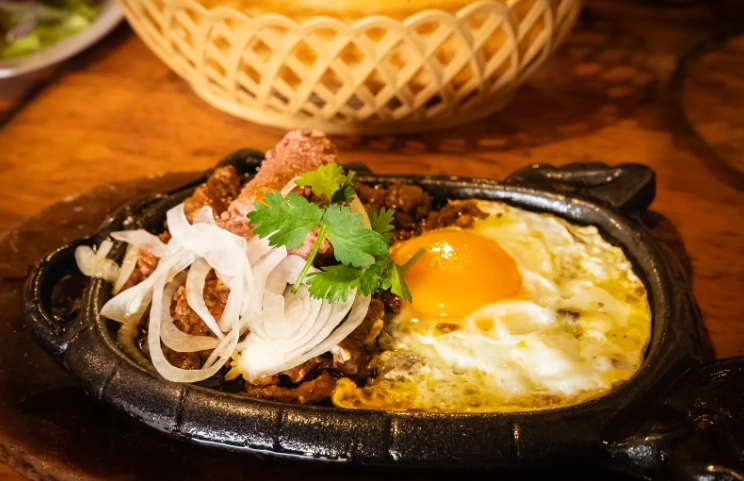
Vendors specialize. You'll have a lady who has spent 20 years perfecting her one type of noodle soup. A man whose entire culinary world revolves around his sizzling griddle for banh xeo. This specialization means you get an expert product every time. You're not just buying food; you're buying someone's craft.
The rhythm is beautiful. Stalls start setting up before dawn. By 6 AM, they're in full swing, serving office workers, school kids, and motorbike taxi drivers. The best spots? Look for the ones crowded with locals, especially older people. They know.
Where to Find Your Perfect Morning Bite
Navigating the street food scene can be daunting. Here's the lowdown:
- Street Carts & Mobile Venders: The most common. They might have a few stools or be takeaway only. Look for baskets of herbs and a big pot of broth.
- Pavement Eateries (Quán Vỉa Hè): Slightly more established than a cart, often with a few low tables spilling onto the sidewalk. More menu variety.
- Market Stalls: Inside or on the periphery of local markets. Incredibly fresh ingredients and a buzzing atmosphere. Try Ben Thanh Market in HCMC or Dong Xuan Market in Hanoi for the full experience.
- Specialty Shops (Tiệm): Dedicated shops, often for things like banh mi or bun bo Hue. They might have proper seating and walls!
Pro Tip: Don't be shy about pointing. If you see something that looks good on someone else's table, just point and smile. "Một phần như vậy" (One portion like that) is a magical phrase. Hygiene? Stick to busy places with high turnover. The food is cooked fresh and hot, which is generally safe. I avoided raw veggies at the most basic stalls, but that's just me.
The A-List: Must-Try Vietnamese Breakfast Dishes
Alright, let's get to the good stuff. Here’s your essential hit list for exploring breakfast food in Vietnam. Think of this as your morning menu decoder.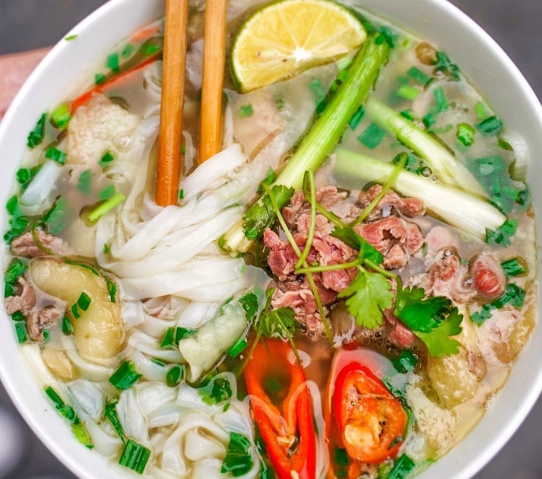
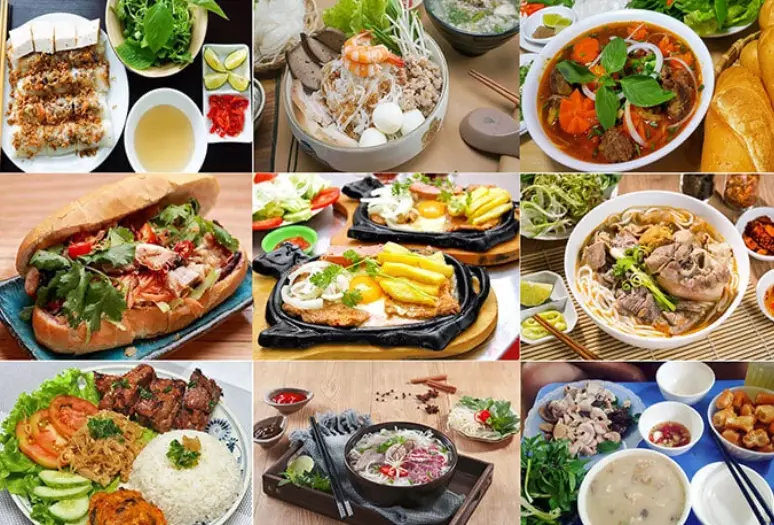
1. The Noodle Soup Dynasty
This is the undisputed king of the Vietnamese breakfast table. A bowl of hearty broth, noodles, meat, and a mountain of fresh herbs. But it's not a monolith.
A day in Vietnam doesn't truly start until the first sip of that rich, aromatic broth hits your lips.
- Pho: Obviously. The national icon. But there's a North-South divide. Hanoi's Pho Bac is clearer, more subtle, with wider noodles. Saigon's Pho Nam is sweeter, with a darker broth, thinner noodles, and a bigger herb platter. I prefer the northern style for its purity, but the southern one is a flavor bomb. Try Pho Ga (chicken) for a lighter start or Pho Bo (beef) for something richer.
- Bun Bo Hue: My personal favorite. This spicy beef noodle soup from Central Vietnam is a wake-up call. Deep, lemongrass-infused broth, thick round noodles, and often a chunk of pork knuckle. It's bolder and spicier than Pho. Don't wear white.
- Hu Tieu: A southern specialty with Chinese roots. The broth can be clear pork or a rich, seafood-based one. The noodles are chewy tapioca noodles, and the toppings are a wild mix: pork slices, shrimp, quail eggs, offal. It's complex and fantastic.
- Mi Quang: Not a soup, but a "noodle salad" from Quang Nam province. Turmeric-tinted noodles sit in just a small amount of intense broth, topped with shrimp, pork, crackers, and peanuts. It's textural heaven.
2. The Bread Revolution: Banh Mi & Beyond
The French left their mark, and Vietnam perfected it. Banh mi is the ultimate fast food, but it's so much more than a sandwich.
A perfect banh mi starts with a crispy, airy baguette (made with rice flour, which is the secret). Inside, it's a symphony: a smear of pate, some Vietnamese mayo, slices of cold cuts or grilled pork, pickled daikon and carrots, fresh cucumber, cilantro, chili, and a dash of soy sauce. The combination of savory, sweet, sour, crunchy, and soft is unreal. For breakfast, the classic Banh Mi Thit (mixed meats) or Banh Mi Op La (with a fried egg) are the go-tos.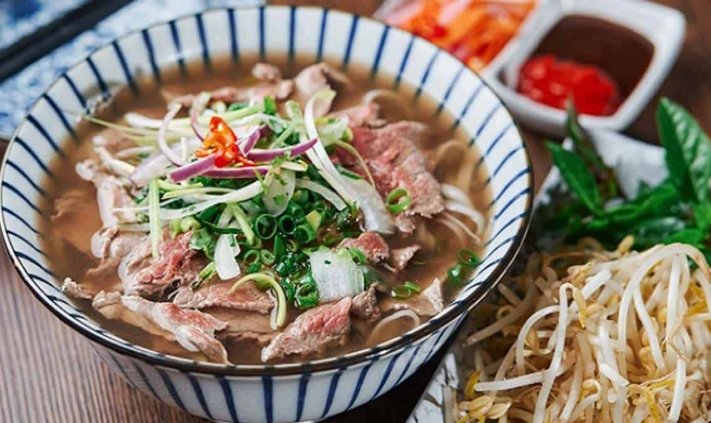
But it's not just banh mi. Banh Mi Chao is a sizzling plate of eggs, pate, and meat served with a small baguette on the side for dipping. It's like a Vietnamese take on a fry-up.
A word of caution: once you've had a real, 25,000 VND street-side banh mi, you'll be ruined for any other sandwich. Forever.
3. Rice, Glorious Rice (Com & Xoi)
Rice is life, and that includes the morning. These dishes are stick-to-your-ribs fuel.
- Com Tam: "Broken rice" with grilled pork chop (suon nuong), a fried egg, shredded pork skin, and pickled veggies. It's a Saigon staple and incredibly satisfying. The broken rice grains have a unique, slightly chewy texture.
- Xoi: Sticky rice. It can be savory or sweet. Xoi Man is savory, topped with things like mung bean, shredded chicken, or Chinese sausage. Xoi Ga is sticky rice with chicken. It's often packed to-go in banana leaves. Xoi Ngot is the sweet version, with coconut and mung bean, but this is more of a snack than a main breakfast.
4. The Pancakes & Crepes
These are showstoppers, often eaten any time of day, but a fantastic brunch option.
- Banh Xeo: A crispy, golden turmeric and rice flour crepe, stuffed with pork, shrimp, and bean sprouts. You tear off a piece, wrap it in lettuce or mustard leaves, add herbs, and dip it in nuoc mam (fish sauce). The sound of it sizzling on the griddle is breakfast music.
- Banh Cuon: Delicate, steamed rice sheets rolled with minced pork and wood ear mushrooms. It's soft, slippery, and topped with fried shallots and a sweet fish sauce dip. It feels light but is deceptively filling.
5. The Porridge Champions (Chao)
When you need comfort, or if your stomach is feeling delicate, chao (congee) is your best friend. It's rice porridge, cooked until it breaks down into a creamy, soothing gruel.
Chao Ga (chicken) is the classic. Shredded chicken, ginger, and sometimes a bit of offal. It's simple, warm, and restorative. Chao Long is made with pork organs and has a stronger flavor, beloved by locals but maybe an acquired taste for newcomers.
A Regional Breakdown: Breakfast Changes with the Accent
Vietnam is a long country with distinct regional cuisines. Your Vietnam breakfast food experience will shift dramatically as you travel.
| Region | Breakfast Personality | Signature Dishes | My Take |
|---|---|---|---|
| The North (Hanoi) | Subtle, balanced, less sweet. Broths are clear, herbs are milder (no culantro). | Pho Bac (Hanoi-style), Bun Cha (grilled pork & noodles), Banh Cuon. | More refined. The flavors are clean and distinct. You taste each component. |
| The Central (Hue, Da Nang, Hoi An) | Spicy, complex, and bold. Influenced by the royal cuisine of Hue. | Bun Bo Hue, Mi Quang, Com Hen (clam rice). | Not for the faint of heart. The food has attitude and depth. Bun Bo Hue is a masterpiece. |
| The South (Ho Chi Minh City, Mekong Delta) | Sweet, herbaceous, and generous. More sugar in broths, more variety of herbs, larger portions. | Hu Tieu, Com Tam, Banh Mi (Saigon style), all things with coconut milk. | Fun and vibrant. The flavors are in your face and sweeter. The herb platters are enormous. |
I found myself craving the hearty com tam in the south's heat, which surprised me, but it just works. In the cooler north, a steaming bowl of pho felt absolutely right.
How to Actually Do It: A Practical Guide
Knowing the dishes is one thing. Navigating the experience is another. Here’s how to not just eat, but enjoy a Vietnamese breakfast like you know what you're doing.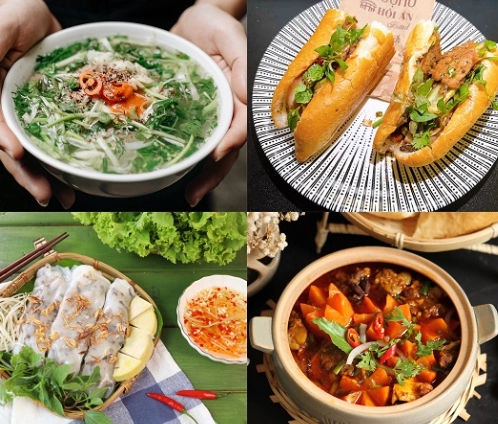
Ordering & Etiquette 101
It's simpler than it looks. Most places have a one-dish focus. You just need to specify a few things.
- Choose your protein: For noodle soups, know your meats. Tai (rare beef), Chin (well-done beef), Ga (chicken), Bo Vien (beef balls).
- Size matters: "Mot" is one. You can say "Mot To" for one bowl. Sometimes there are sizes: normal or special (dac biet), which has more meat.
- Herb Game: That plate of greens isn't a garnish. Tear up the herbs and add them to your soup. Basil, mint, cilantro, bean sprouts, lime—it all goes in. Adjust to your taste.
- Sauce & Seasoning: There will be chili sauce, sliced fresh chilies, and maybe garlic vinegar. The broth is often intentionally mild so you can customize. Add fish sauce (nuoc mam) for saltiness, chili for heat.
- Slurping & Sounds: Slurping noodles is not just acceptable, it's encouraged. It cools the noodles and shows you're enjoying it. Embrace the sound.
Just dive in. Perfection is overrated.
What to Drink? (Besides Iced Coffee)
Yes, Ca Phe Sua Da (iced coffee with condensed milk) is the legendary companion. But it's strong and sweet. Some alternatives:
- Tra Da: Iced green tea. Light, free at most places, and the perfect palate cleanser.
- Soda Chanh: Fresh lime soda. Refreshing and not too sweet if you ask for less sugar (it duong).
- Fresh Soy Milk (Sua Dau Nanh): Served hot or cold, sometimes with a ginger syrup. A classic, simple pairing.
The Price is Right
One of the joys. A phenomenal, filling breakfast will rarely cost more than 50,000 VND (about $2 USD). Banh mi is 15,000-25,000 VND. A bowl of pho is 40,000-60,000 VND. This accessibility is what makes the street food culture thrive. Always have small bills.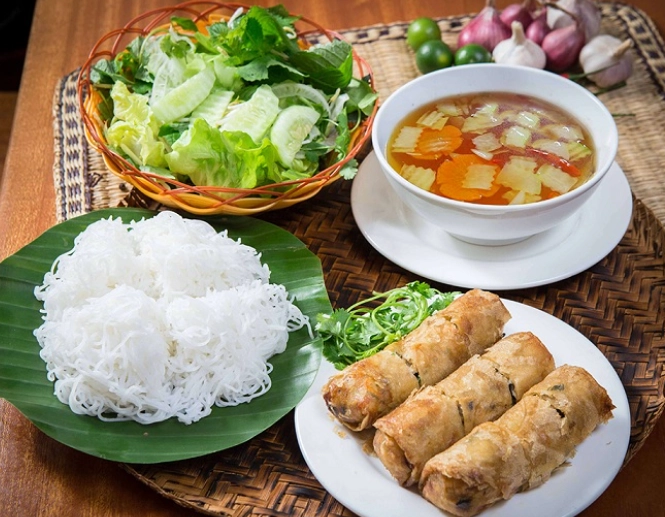
Answering Your Burning Questions (FAQs)
Is Vietnamese breakfast always soup or heavy food?
Mostly, yes. The concept of a light, sweet breakfast isn't really part of the traditional food culture. It's about a substantial meal to power through the morning. That said, a banh mi or xoi can be slightly less heavy than a big bowl of noodles.
I'm a vegetarian. Am I doomed?
It's challenging, but not impossible. You have to search. Look for Com Chay or Quán Chay (vegetarian restaurants). They serve amazing vegan versions of classics like Pho Chay (with mushroom broth) and Bun Cha Gio Chay (with veggie spring rolls). Buddhist areas have more options. In regular shops, you can try asking for "an chay" but cross-contamination is likely.
What time is breakfast?
Early. Stalls are in full swing from 6:00 AM to about 9:30 AM. After 10 AM, many dedicated breakfast spots start closing or switching to lunch menus. Get up with the sun for the best, freshest options.
Is it safe to eat street food for breakfast?
Generally, yes. Follow the busy stall rule. The food is cooked to order at high heat. For more reassurance, the World Health Organization has great general guidelines on food safety for travelers. I'd be more cautious with pre-cut fruit or ice from unknown sources than a boiling bowl of pho.
What's one underrated breakfast dish I must try?
Bo Ne: The "Vietnamese steak and eggs." A sizzling hot plate arrives at your table with a thin steak, fried eggs, pate, Vietnamese sausage, and bread. You dip the bread into the egg yolk and meat juices. It's decadent, messy, and utterly brilliant. Not for every day, but a must-try experience.
Final Thoughts from the Plastic Stool
Exploring breakfast food Vietnam has to offer is more than a culinary journey; it's a cultural immersion. It's about joining the daily rhythm of life. It's messy, it's unpredictable, and it will teach you more about Vietnam than any museum.
Start with the famous pho, but don't stop there. Be brave with the bun bo Hue. Master the art of the banh mi order. Sit on the tiny stool, sweat a little, and soak it all in.
The best Vietnamese breakfast food isn't always the one in the fanciest photo. It's the one served by the vendor who remembers how you like your noodles, in the spot that becomes your own little morning ritual. That's the real magic.
So, set your alarm. Grab some small cash. And go get lost in the steam, the sizzle, and the incredible flavors of a Vietnamese morning. Your taste buds will thank you.
Reader Comments