Your Flavorful Journey Through Bhutan
- The Heart and Soul: Ema Datshi
- Beyond the Fire: The Core Philosophy of Bhutanese Cooking
- Your Must-Try Bhutanese Food Checklist
- Where Does All This Flavor Come From? Key Ingredients Decoded
- Is Bhutanese Food Healthy? Let's Break It Down.
- Navigating a Meal: Etiquette and How to Eat
- Where to Experience Authentic Bhutan Cuisine
- Answering Your Burning Questions (Literally)
- Final Thoughts: More Than Just a Meal
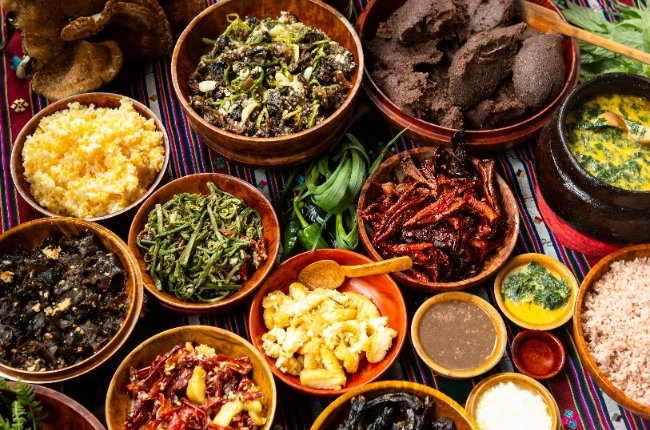
Let's be honest, when most people think of Himalayan food, their minds jump straight to momos and thukpa from Nepal or Tibet. Bhutan cuisine? It's often this mysterious blank spot on the culinary map. I was the same. Before my first trip, my knowledge was basically "they eat chilies." Turns out, I was wildly underestimating one of the most unique and fascinating food cultures on the planet.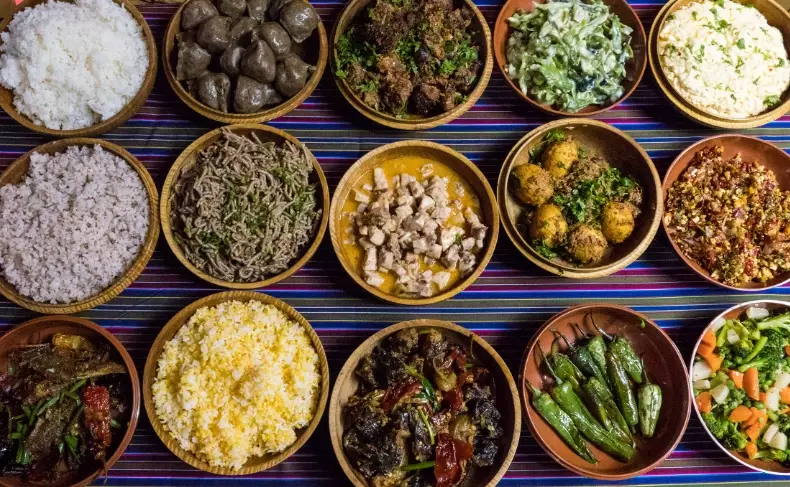
Bhutanese food isn't just about spice (though there's plenty of that). It's a direct reflection of the country's philosophy, its rugged landscape, and a way of life that measures success in Gross National Happiness. Forget fancy sauces and delicate plating. This is food that's hearty, honest, and built to warm you up in the crisp mountain air. It's food that makes you feel grounded.
And yes, it will probably make you sweat.
The cornerstone of Bhutan cuisine is surprisingly simple: chili and cheese. But to leave it at that is like saying Italian food is just tomatoes and pasta. The magic is in the execution, the local ingredients, and the cultural context that turns simple components into something unforgettable.
The Heart and Soul: Ema Datshi
You cannot talk about Bhutanese food without starting here. Ema Datshi is the undisputed national dish, and it's on every table, in every home, and in every restaurant. "Ema" means chili, "Datshi" means cheese. It's a deceptively simple stew of large, green chili peppers (often whole or halved) simmered in a creamy, savory sauce made from datshi, a local cow or yak milk cheese.
My first encounter was... educational. I expected heat, but the flavor profile caught me off guard. It's not just a blunt force of spiciness. The cheese mellows it out, creating a rich, tangy, and deeply savory sauce that you just want to spoon over everything. The chilies themselves soften and become almost sweet in their own pungent way. You eat it with red rice, using the rice to temper the fire. It's communal, it's comforting, and it's an absolute must-try. Is it for everyone? Maybe not if you have zero spice tolerance. But for me, it was a revelation.
Beyond the Fire: The Core Philosophy of Bhutanese Cooking
To really get Bhutan cuisine, you need to look past the individual dishes. There's a unifying philosophy here.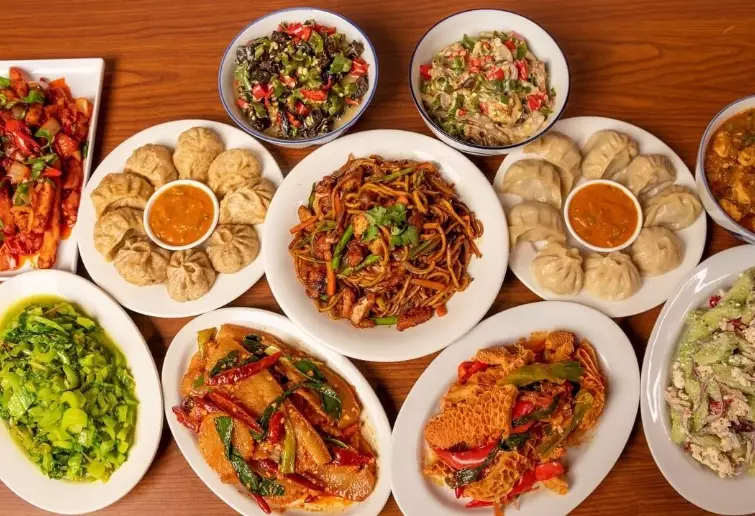
Fresh, Local, and Seasonal
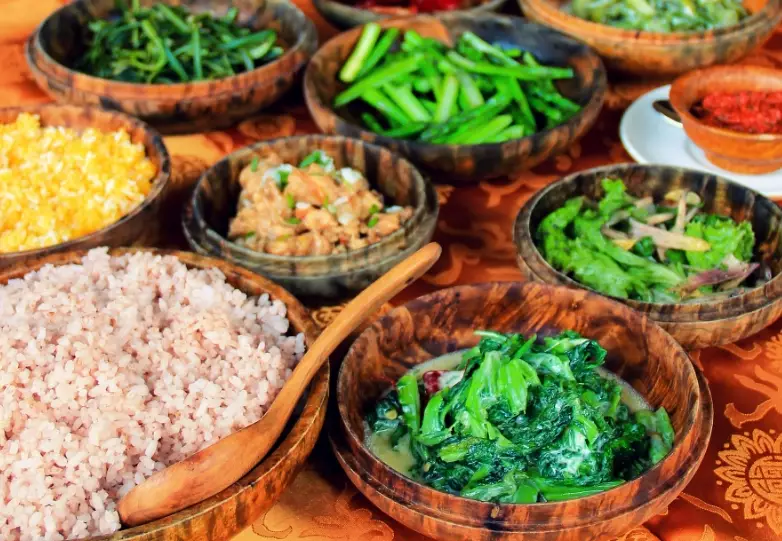
Importing fancy ingredients isn't really Bhutan's style. The food is proudly based on what the land provides. This means an incredible variety of organic vegetables, wild mushrooms and ferns foraged from the hills, river fish, and free-range meats. The Ministry of Agriculture and Forests actively promotes organic farming (moaf.gov.bt), which isn't just a trendy label here—it's the traditional way of life. You taste that freshness. A simple dish of stir-fried fiddlehead ferns tastes like the forest floor after rain.
Balance and Wholesomeness
Meals are designed to be balanced and sustaining. A typical lunch or dinner isn't a single plate but a set of shared dishes. You'll always have your red rice—nutty, slightly chewy, and incredibly nutritious. Then, there will be a datshi (cheese) dish like Ema Datshi, a dry meat or vegetable stir-fry, perhaps a soup, and always a serving of ezay (a fresh chili relish). It's a complete, rounded meal.
Your Must-Try Bhutanese Food Checklist
Okay, let's get practical. You're planning a trip or just curious to cook. Here are the dishes that define the experience.
- Ema Datshi: As discussed, the king. Try it with green chilies first, but know there are variations with potatoes (Kewa Datshi), mushrooms (Shamu Datshi), or even kidney beans.
- Red Rice: This isn't just a side. It's the foundation. Grown in the Paro and Punakha valleys, it has a distinct color and texture that holds up beautifully to saucy dishes.
- Phaksha Paa: Dried pork (often smoked) stir-fried with radishes or spinach and more chilies. The pork is chewy and intensely flavorful, a perfect salty counterpoint to the cheese dishes.
- Jasha Maroo (or Maru): A minced chicken stew that's surprisingly mild and fragrant with ginger, garlic, and tomato. It's often called Bhutan's "comfort food" and is a great entry point if you're spice-wary.
- Hoentay: These are Bhutanese dumplings, a specialty from the Haa Valley. The dough is made from buckwheat, giving them a gorgeous grey color and a hearty, earthy flavor. They're usually stuffed with turnip greens and cheese, then either steamed or pan-fried. A real hidden gem.
- Suja: Butter tea. This is an acquired taste. Salty, buttery, and made from tea leaves, water, salt, and yak butter churned together. It's more of a soup than a drink, and it's vital for warmth and energy in the highlands. I'll admit, I never fully got used to it, but sipping it in a cold farmhouse felt incredibly authentic.
Where Does All This Flavor Come From? Key Ingredients Decoded
Understanding a few staple ingredients will help you read any menu or recipe.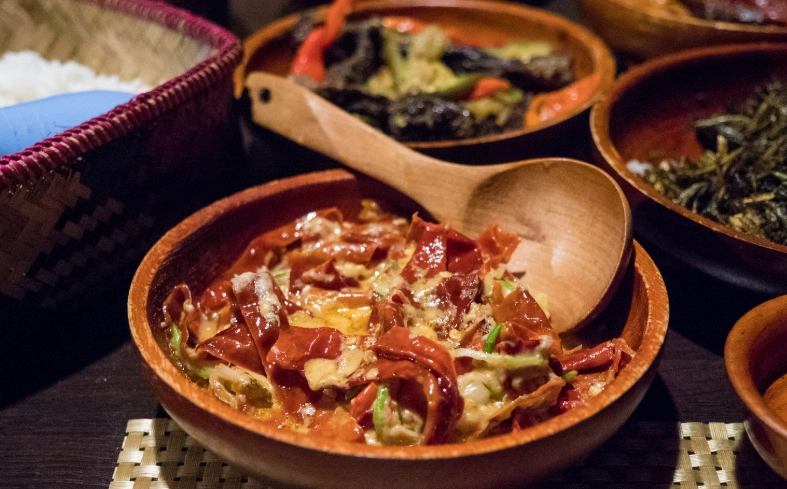
| Ingredient | What It Is | How It's Used | Taste Profile |
|---|---|---|---|
| Datshi Cheese | A soft, mild, crumbly cheese made from cow or yak milk. Similar to a fresh farmer's cheese or paneer. | The base for all "datshi" stews. Melts into a creamy sauce. | Mild, milky, slightly tangy. It's a flavor carrier, not a strong cheese. |
| Ezay | A fresh, uncooked chili relish or salsa. | Served as a condiment with every meal. Diners add spoonfuls to their rice to adjust heat. | Fiery, fresh, sometimes with tomato, onion, or cilantro. The heat is immediate and bright. |
| Chilies (Ema) | Both fresh green and dried red chilies are ubiquitous. | Not just a spice—a vegetable. Used in vast quantities in stews, stir-fries, and relishes. | Varies. Green chilies in Ema Datshi provide a fresh, penetrating heat. Dried red chilies offer a deeper, smokier burn. |
| Red Rice | A short-grain, unmilled rice cultivated in Bhutan's valleys. | The staple carbohydrate, served at lunch and dinner. | Nutty, slightly sweet, with a pleasant chew. Holds its shape well. |
See? It's a simple pantry, but the combinations are endless.
Is Bhutanese Food Healthy? Let's Break It Down.
This is a question I get a lot. On one hand, you have mountains of fresh vegetables, little processed food, organic produce, and lean proteins. On the other, there's a generous use of cheese and, in some areas, butter. So what's the verdict?
Overall, traditional Bhutan cuisine scores very high on the health meter. The focus on whole foods, complex carbs from red rice and buckwheat, and fermented items (like the cheese and some sauces) is fantastic for gut health. The chilies themselves are packed with capsaicin and vitamins. The Bhutanese lifestyle, which integrates physical activity and this wholesome diet, contributes to general well-being, a concept central to their Gross National Happiness index, which you can explore through official resources (grossnationalhappiness.com).
The potential downside for some might be the fat content from dairy. But remember, this isn't processed cheese. It's often from animals grazing on natural pastures, and in a traditional, physically demanding lifestyle, this dense source of calories and fat is necessary. For the modern, less active visitor, just be mindful of portion sizes with the richer cheese dishes.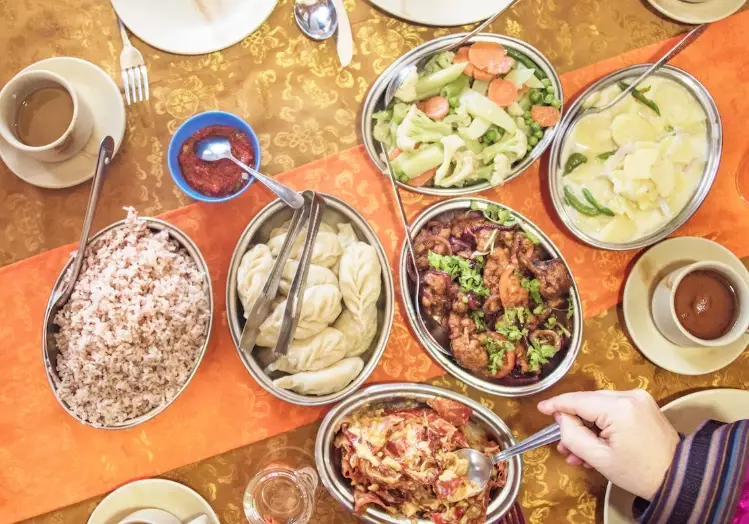
Fun (Spicy) Fact: Chilies are so integral they're considered a vegetable, not a spice, in Bhutan. The Tourism Council of Bhutan's own materials often highlight this unique aspect of their culinary identity (bhutan.travel). You'll see them sold in massive piles at markets, like potatoes or onions elsewhere.
Navigating a Meal: Etiquette and How to Eat
Don't stress about formal rules. Bhutanese hospitality is warm and forgiving. But a few tips will make your experience smoother.
Meals are almost always served family-style. Dishes are placed in the center, and you take what you want onto your own plate of rice. It's polite to try a bit of everything. Use your right hand to mix the food on your plate, especially combining the rice with sauces. Forks and spoons are common now, but don't be surprised if you're encouraged to use your hands—it's part of the experience.
Start with less ezay (the chili relish). You can always add more, but you can't take it out! If a host keeps offering you more food, it's a sign of generosity. It's okay to politely refuse when you're truly full. A simple "kadrin chhe" (thank you) goes a long way.
Where to Experience Authentic Bhutan Cuisine
This is crucial. You can have very different food experiences depending on where you eat.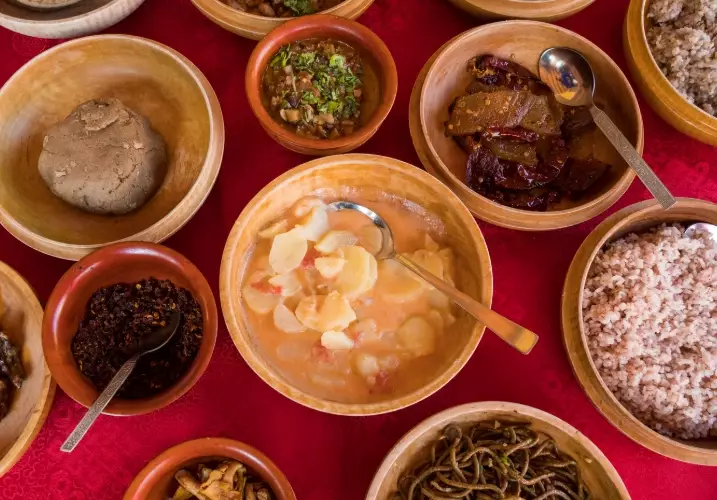
Local Restaurants & Farmhouses
For the real deal, this is it. Simple, unassuming places in towns like Thimphu or Paro serve food for locals. The flavors are bold and authentic. Even better is a meal in a traditional farmhouse, often arranged as part of a cultural tour. The food is cooked over wood fires, and the ingredients are hyper-local. This was, hands down, my best culinary experience in Bhutan.
Hotel Buffets
Most tourists on packaged tours eat buffet meals at their hotels. The upside? Variety and hygiene. The downside? The food is often toned down for international palates—less spicy, sometimes blander. It's a safe introduction, but don't let it be your only reference for Bhutanese food. Be brave and ask the staff what the spiciest, most local dish on the buffet is. They usually have one tucked away.
Cooking Classes
If you're serious about understanding the cuisine, take a class. Several operators in Thimphu and Paro offer them. You'll visit a market, learn to identify ingredients, and cook 3-4 classic dishes. It's the best souvenir you can get.
Answering Your Burning Questions (Literally)
Final Thoughts: More Than Just a Meal
Exploring Bhutan cuisine is about more than filling your stomach. It's a direct line into the country's culture, its values, and its connection to the environment. It's communal, it's hearty, and it's unpretentious.
Some dishes might challenge you (I'm looking at you, suja). Others might become a lifelong craving (hello, kewa datshi). But every bite tells a story of a kingdom high in the mountains, where food is fuel, celebration, and a daily expression of a unique national identity.
Go with an open mind, a willing palate, and don't forget to pack some antacids—just in case. You're in for a truly memorable culinary adventure.