Explore Seoul: Your Quick Guide
- First Things First: Getting Your Bearings in Seoul
- The Crown Jewels: Must-See Iconic Seoul Attractions
- Beyond the Postcard: Neighborhoods & Local Vibes
- Markets & Food: The Soul of Seoul Attractions
- Nature & Scapes: Green Seoul Attractions
- Planning Your Attack: A Practical Framework
- Seoul Attractions: Weather, Tickets & Nuts & Bolts
- Navigating Culture & Etiquette
- Answers to Questions You're Probably Googling
- Final Thoughts Before You Go
Let's be honest. You've probably seen a dozen lists titled "Top 10 Things to Do in Seoul." They all mention Gyeongbokgung Palace, N Seoul Tower, and Myeongdong. And yeah, those are great. But is that really all there is? If you're planning a trip and want to move beyond the obvious postcard spots, you're in the right place. This isn't just another listicle. We're going to dig into the soul of the city, the hidden corners, the overrated spots (I'll tell you which ones I think you can skip), and the practical, no-BS advice you need to plan an amazing trip.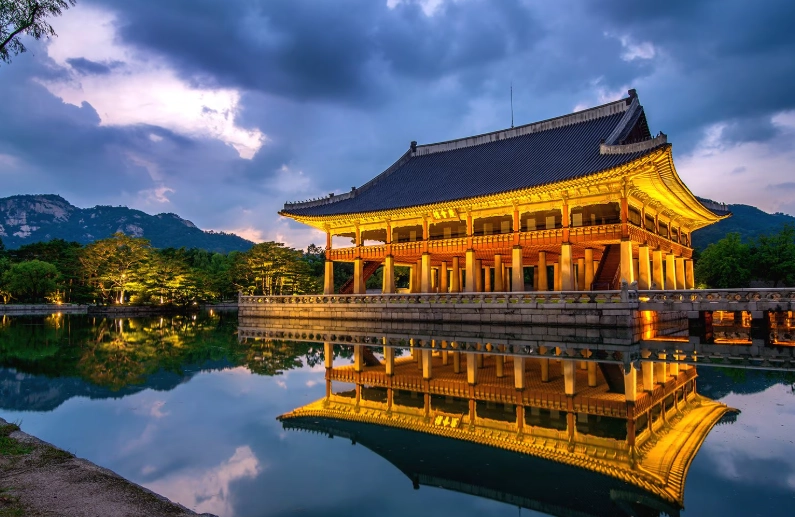
Seoul is a city of layers. One minute you're in a 600-year-old palace, the next you're in a neon-lit alley full of the smell of sizzling pork belly and K-pop blasting from every store. Figuring out which Seoul attractions are worth your limited time can be a headache. Do you go traditional? Futuristic? Food-focused? The answer is yes, to all of it, but with a plan.
I've spent a lot of time wandering this city, getting lost on purpose, and having both amazing and hilariously bad experiences (like the time I tried to hike Bukhansan in the wrong shoes—don't be me). This guide pools all that together. We'll cover the iconic must-sees, the under-the-radar gems, how to get around without losing your mind, and how to piece it all together into an itinerary that doesn't leave you exhausted.
First Things First: Getting Your Bearings in Seoul
Seoul is huge and sprawling, but for visitors, it's helpfully divided by the Hangang (Han River). Most of the major Seoul attractions are north of the river in districts like Jongno (historical heart), Jung-gu (Myeongdong, Namdaemun), and Mapo (Hongdae). Gangnam, made famous by the song, is the glitzy business and shopping district south of the river. Knowing this basic layout helps a ton.
Public transport is your best friend. The subway system is clean, efficient, and signs are in English. Get a T-money card as soon as you land at Incheon Airport. You can top it up at any convenience store and use it on subways, buses, and even in some taxis. Speaking of taxis, the regular orange or silver ones are fine, but if you're in a hurry or it's late, the black "deluxe" taxis are more comfortable and the drivers usually speak a bit more English (but cost more).
The Crown Jewels: Must-See Iconic Seoul Attractions
Okay, let's get into it. These are the places that define the postcard image of Seoul. You should see them, but I'll give you the real scoop on how to enjoy them and not just tick a box.
Gyeongbokgung Palace & The Changing of the Guard
This is the big one. The main royal palace of the Joseon Dynasty. It's massive, beautiful, and can feel a bit like a historical theme park if you go at the wrong time. The key is timing. Go right when it opens. The morning light is perfect for photos of Gwanghwamun Gate, and the crowds are thin. Rent a hanbok (traditional Korean dress) from one of the shops nearby—it's not just for Instagram. You get free admission to the palace and all the other major palaces if you're wearing one! The changing of the guard ceremony at the main gate is worth scheduling your visit around (happens at 10am and 2pm). It's colorful and precise.
Bukchon Hanok Village
Right next to Gyeongbokgung, this is a residential area with hundreds of traditional Korean houses (hanok). It's a living neighborhood, not a museum. The main attraction is walking the steep, winding alleys and getting that classic photo with the old rooftops against the modern city backdrop.
N Seoul Tower (Namsan Tower)
The city's iconic tower on Namsan Mountain. The view is undeniably spectacular, especially at night when the city becomes a carpet of lights. But here's my take: you don't necessarily need to pay to go up to the observatory. The views from the base of the tower and from the Namsan hiking trails are incredible enough for most people. The cable car ride up is fun, but the queue can be insane. Consider taking the public bus or even hiking up if you're feeling energetic. The "Locks of Love" fences are everywhere—a bit cheesy, but kind of sweet.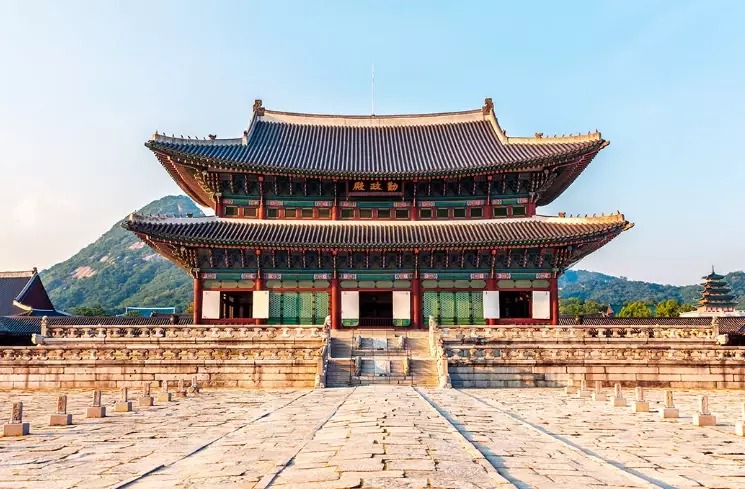
Insadong & Jogyesa Temple
Insadong is the traditional culture street. It's touristy, yes, but in a good way. Think traditional tea houses, calligraphy shops, handicraft galleries, and street food stalls selling hotteok (sweet pancakes). Ssamziegil is a cool, slow-rising mall with indie craft shops. A short walk away is Jogyesa Temple, the chief temple of Korean Buddhism. It's an oasis of calm right in the city center. If you visit in late April/early May, the lantern festival covering the entire temple complex is breathtaking.
Beyond the Postcard: Neighborhoods & Local Vibes
This is where you start to really *get* Seoul. The neighborhoods each have a distinct personality.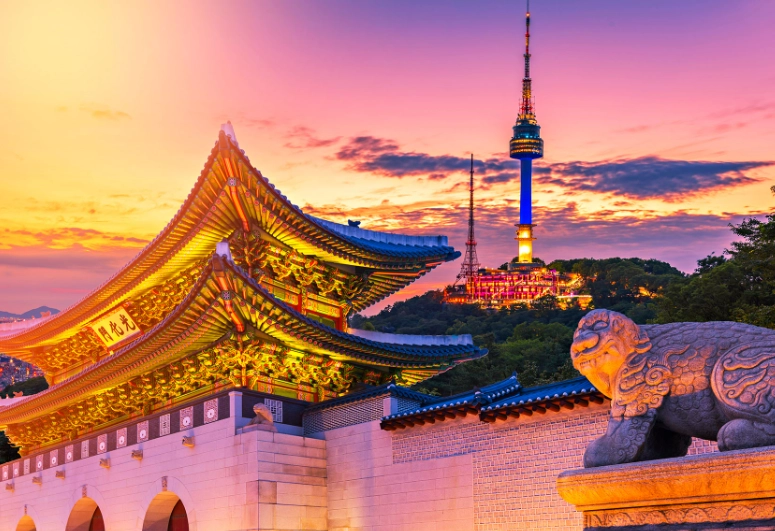
Hongdae: Youthful & Artsy Energy
Centered around Hongik University, this area is all about youth culture, indie music, street art, and cheap eats. There are always street performers, pop-up markets, and quirky cafes. It's the best place to feel Seoul's creative pulse. Club? Live indie band? A cafe where you play with raccoons? (Yes, really). Hongdae has it. It's loud, vibrant, and stays up late.
Ikseon-dong Hanok Village
Think of this as Bukchon's hip younger sibling. Instead of just residential hanok, these have been converted into some of Seoul's coolest cafes, boutiques, and tiny restaurants. You wander narrow alleys, peek into beautifully designed spaces, and feel like you've discovered a secret. It's less about history and more about modern Korean lifestyle in a traditional shell. Perfect for a slow afternoon.
Itaewon: The International Melting Pot
Itaewon has transformed. It's always been the foreigner district, but now it's a polished hub of international cuisine, trendy bars, and high-end fashion boutiques. The main strip can feel a bit generic, but dive into the side alleys behind the mosque ("Itaewon-ro 26-gil" area) for fantastic Turkish, Mexican, Indian, and Italian food. It's also the heart of Seoul's vibrant LGBTQ+ community.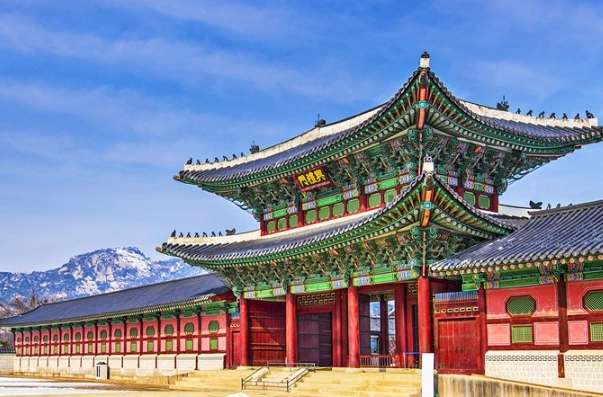
Seongsu-dong: The "Brooklyn of Seoul"
An old industrial shoe manufacturing district turned ultra-hip. Now it's all about converted warehouse cafes, designer showrooms, and artisanal bakeries. It's less crowded than Hongdae, more focused on design and aesthetics. If you like minimalist coffee shops and photo-worthy industrial backdrops, you'll love Seongsu.
Markets & Food: The Soul of Seoul Attractions
For many, the best Seoul attractions are the ones you eat. The markets are not just for shopping; they're immersive cultural experiences.
Gwangjang Market
One of the oldest and largest traditional markets. The first floor food alley is legendary. You sit on stools at cramped stalls and eat some of the city's best bindaetteok (mung bean pancakes), mayak gimbap ("drug" kimbap), and yukhoe (Korean beef tartare). It's loud, chaotic, smoky, and absolutely delicious. Featured on countless travel and food shows for good reason.
Noryangjin Fisheries Wholesale Market
Want the freshest seafood of your life? Come here. You go downstairs to the bustling, wet wholesale floor, pick out your live octopus, king crab, or prawns from tanks, haggle a bit (politely!), then take it upstairs to one of the restaurants where they'll cook it for you for a small fee. Eating san-nakji (live octopus) is an... adventure. The tentacles still move on the plate. It's wild.
Myeongdong Night Market
Myeongdong during the day is a massive shopping district. At night, the main street turns into a food carnival. Stall after stall selling tornado potatoes, grilled lobster tails, giant ice creams, and more. It's insanely crowded, overpriced compared to other markets, and the food quality can be hit or miss. It's an experience, but for serious eating, I'd stick to Gwangjang.
Nature & Scapes: Green Seoul Attractions
Seoul isn't all concrete. It's surrounded by mountains and bisected by a river.
Hangang River Parks
A series of parks along both banks of the Han River. Locals bike, picnic, and relax here. You can rent a bicycle and cruise the paths. At Yeouido Hangang Park, you can even rent a mat and order fried chicken to be delivered to you by the river—the ultimate Seoul picnic experience. The official Seoul Metropolitan Government website has great maps of all the bike paths and rental locations.
Bukhansan National Park
Yes, a national park with granite peaks is accessible by subway from downtown Seoul. Hiking is a national pastime here. The trails range from easy to seriously strenuous. The views from the top, especially from Baegundae Peak, are jaw-dropping. You'll see Seoul sprawled out below and other rugged peaks all around. Wear proper shoes, bring water and snacks.
Seoul Forest
A massive park in Seongsu-dong, like a hybrid of Central Park and a small zoo. It has deer enclosures, butterfly gardens, water features, and vast lawns. It's perfect for a relaxed, family-friendly afternoon away from the urban buzz.
Planning Your Attack: A Practical Framework
How do you put this all together? Here’s a sample framework for a 4-day trip, mixing classic and local Seoul attractions.
AM: Gyeongbokgung Palace (with guard ceremony). PM: Bukchon Hanok Village & Samcheong-dong (cafe street). Evening: Insadong for dinner and tea.
Day 2: Markets & Modernity
AM: Gwangjang Market for early lunch. PM: Dongdaemun Design Plaza (DDP) for architecture, then Cheonggyecheon Stream walk. Evening: N Seoul Tower for sunset/night views.
Day 3: Neighborhood Deep Dive
Choose your vibe: Option A (Youth/Arts): Hongdae (street art, shopping, cafes). Option B (Hip/Chill): Ikseon-dong & Seongsu-dong.
Day 4: Culture & Calm
AM: A museum (e.g., National Museum of Korea or The War Memorial). PM: Jogyesa Temple & a walk along the Hangang River. Evening: Final feast in Itaewon.
Seoul Attractions: Weather, Tickets & Nuts & Bolts
Let's get practical. This table breaks down the key info for some major spots. Always double-check official sites before you go, as hours and prices can change.
| Attraction | Best Time to Visit | Ticket Cost (Approx.) | Key Tip |
|---|---|---|---|
| Gyeongbokgung Palace | Weekday morning | 3,000 KRW (Free w/ Hanbok) | Get the "Integrated Palace Ticket" for 10,000 KRW for 4 palaces & Jongmyo Shrine. |
| N Seoul Tower Observatory | Weekday, 1 hr before sunset | 16,000 KRW | Skip the observatory, enjoy free views from the base. |
| Lotte World Tower (Seoul Sky) | Clear weekday | 27,000 KRW | Book online in advance for a slight discount. |
| DMZ Tour | Any day, book ahead | ~50,000-120,000 KRW | Book through a licensed tour operator. You cannot go alone. US State Department travel advisories should be checked. |
| National Museum of Korea | Any day | Free (special exhibits cost) | Massive. Pick one or two wings to focus on. |
Navigating Culture & Etiquette
A few quick pointers to help you blend in and be respectful at these Seoul attractions:
- Bowing: A slight nod of the head is fine for greetings/thank yous.
- Shoes Off: Always remove your shoes when entering someone's home, a temple, and many traditional restaurants (you'll see a step up and shoes lined up).
- Handing Items: Use both hands or your right hand supported by your left when giving or receiving something, especially money or a business card.
- Temples: Dress modestly. Keep your voice down. Don't point your feet at Buddha statues when sitting.
- Subway: Don't talk loudly on the phone. Older people might offer you their seat—it's a test! Politely decline once before accepting.
Answers to Questions You're Probably Googling
Let's tackle some specific, practical questions that pop up when planning.
Final Thoughts Before You Go
Planning your Seoul attractions itinerary can feel overwhelming because the city offers so much. Don't try to cram everything in. Choose a theme for each day—history, neighborhoods, food, nature. Leave room to get lost. Some of my best memories are from wandering down an alley that smelled amazing and finding a tiny restaurant with no English menu, pointing at what the old couple next to me was eating, and having a meal I'll never forget.
Seoul rewards the curious. It's a city that seamlessly holds ancient rituals and hyper-modern trends in the same hand. Whether you're marveling at the quiet dignity of a palace guard or getting swept up in the neon-lit chaos of a night market, you're experiencing the same dynamic, resilient spirit. Pack good walking shoes, an open mind, and a hungry stomach. Your adventure through one of the world's most fascinating capitals awaits.
And if you do get lost? Don't panic. Someone will almost always try to help you, even with a language barrier. That's just the Seoul way.