Quick Guide to Thai Pastries
- The Sweet Side: Desserts That Aren't Too Sweet
- The Savory & Snack Side: Beyond Dessert
- The Frying Pan Heroes: Crispy, Crunchy & Addictive
- Where to Find the Best Thai Pastries
- Can You Make Thai Pastries at Home?
- A Quick Guide to Thai Pastry Types
- Common Questions About Thai Pastries (Stuff You Actually Want to Know)
- The Final Bite
Let's talk about Thai pastries. I mean, if you've ever walked down a Bangkok soi as the sun sets, you know the smell. It hits you before you see the cart—coconut milk bubbling, pandan leaves steaming, something sweet and something savory all at once. It's not like French patisserie, all perfect and delicate. Thai pastry is messy, vibrant, and deeply tied to the street. It's food you eat with your hands, often standing up, while traffic whizzes by. That's the charm, right?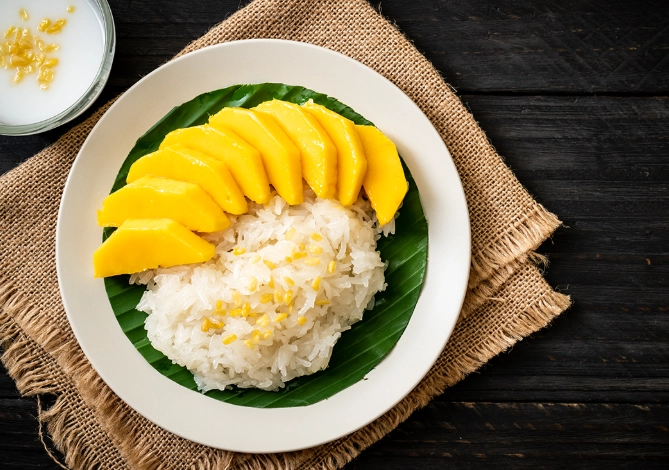
I remember my first real encounter. It was with a vendor selling kanom krok. I pointed, she scooped, and I was handed a little coconut pancake that was crisp on the bottom, creamy in the middle, and topped with a tiny, salty scallion. The balance was insane. Sweet, salty, creamy, crunchy—all in one bite. That's when I got it. Thai pastry isn't just dessert; it's a whole category of snack food that blurs the lines.
What even is a "Thai pastry"? That's the first question. Westerners might think of flaky croissants or buttery tarts. In Thailand, the term "kanom" covers a huge range. We're talking about steamed, baked, fried, or grilled snacks that can be sweet, savory, or somewhere in between. They're often based on rice flour, coconut, and palm sugar, and they're sold everywhere—from morning markets to late-night street stalls.
The Sweet Side: Desserts That Aren't Too Sweet
This is where most people start. Thai sweet pastries have a reputation, but let's clear something up: they're often less sweet than their Western counterparts. The magic is in the contrast.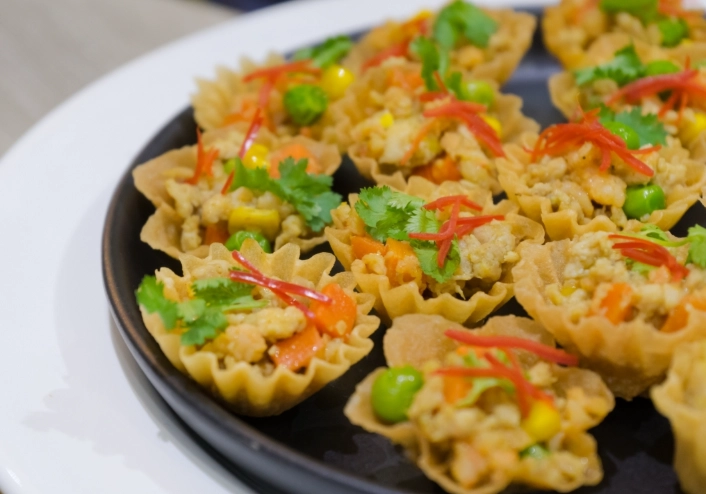
Kanom Krok (Coconut Rice Pancakes)
The king of street snacks, in my opinion. You need a special cast iron pan with little half-sphere holes. The batter is a mix of rice flour, coconut milk, and sugar. They pour it in, let the bottom crisp up, then sometimes add a savory topping like green onion, corn, or taro. The result is this perfect two-bite wonder. The texture is everything—a crispy shell giving way to a soft, almost custardy center. You can't eat just one. Seriously, you'll order six and wish you'd gotten twelve.
Finding a good one is an art. The best have a pronounced crispy lace around the edge. If it's just soft all over, keep walking.
Khanom Thuai (Steamed Coconut Custard)
This one's a textural dream. It's steamed in little ceramic cups, creating distinct layers. The bottom is a salty-sweet coconut cream mixture, and the top is a firm, white layer made from rice flour. You eat it with a tiny spoon, getting both layers in one scoop. The flavor is pure, clean coconut. It's not overly complex, but it's incredibly satisfying. Some places, like the famous street food hubs recommended by the Tourism Authority of Thailand, have vendors who have been perfecting this for decades.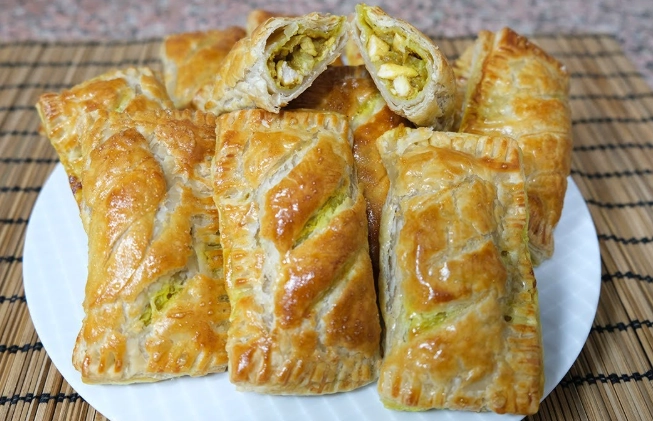
Thong Yip & Thong Yod (Golden Egg Yolk Sweets)
These are the fancy ones. You'll see them in beautiful gift boxes. Thong Yip (pinched gold) and Thong Yod (drop of gold) are made from a syrup of sugar and water, kneaded with egg yolk until it forms a dough, then shaped. They're rich, dense, and very sweet—a holdover from the royal court cuisine. I'll be honest, they're an acquired taste. They can be cloying if you're not ready for it. But with a strong, bitter Thai coffee? Suddenly it makes sense. They're a cultural experience more than an everyday snack.
Texture is king in Thai sweets. It's never just about flavor.
The Savory & Snack Side: Beyond Dessert
This is the category that often gets overlooked, but it's where some of the most exciting Thai pastry action happens. These are the snacks you grab when you're actually hungry, not just peckish.
Khanom Pang Na Moo (Pork Toast)
Imagine a slice of fluffy white bread, slathered with a seasoned paste of minced pork, coriander root, and pepper, then deep-fried until golden. It's sliced into fingers and served with a sweet chili sauce. It's greasy, crunchy, meaty, and absolutely irresistible. The bread soaks up the pork juices, creating this incredible savory flavor bomb. It's the ultimate beer snack. Not exactly health food, but who's thinking about that?
Khanom Jeeb (Steamed Dumplings)
Yes, they're dumplings, but the wrapper is a wheat-based pastry dough, so they belong here. These are delicate, open-faced steamed dumplings filled with pork and shrimp, topped with a sliver of garlic. The dipping sauce is a mix of soy, vinegar, and sugar with fresh chilies. They're light, elegant, and a staple of dim sum-style eating in Thailand. You can find fantastic recipes and technique breakdowns on sites like EThaiCook, which is a great resource for authentic Thai cooking methods.
My personal favorite is when they add water chestnuts to the filling for a bit of crunch.
The Frying Pan Heroes: Crispy, Crunchy & Addictive
If it's deep-fried, chances are it's delicious. Thai pastry masters know how to use the fryer to create textures you can't get any other way.
Thong Muan (Crispy Rolled Cookies)
These are like edible magic tricks. A super-thin batter (coconut milk, rice flour, sesame seeds) is poured onto a hot griddle, spread paper-thin, and just as it sets, it's rolled up around a metal rod into a crisp cylinder. They cool into these impossibly light, shatteringly crisp tubes. They're slightly sweet, nutty from the sesame, and melt in your mouth. They're often sold in bags as a take-home treat. The skill required to make them is breathtaking—it's a dying art, so seek it out.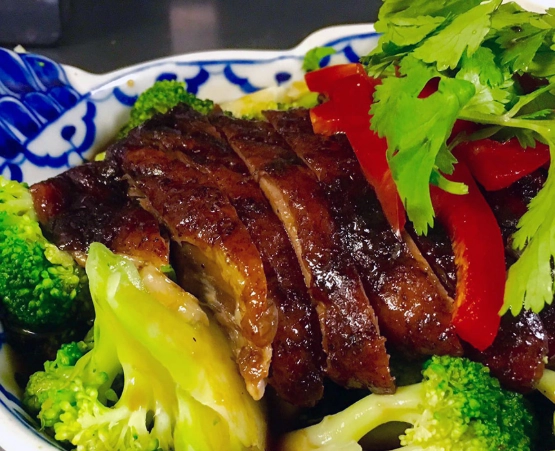
Khanom Buang (Thai Crispy Pancakes)
Often called "Thai tacos," these are my go-to for showing friends something uniquely Thai. A crispy, lace-thin crepe (made from rice and mung bean flour) is folded in half. One side gets a sweet topping like shredded sweet egg yolk strands (foi thong). The other side gets a savory-sweet meringue-like cream and shredded coconut. You eat it taco-style. The contrast in one bite—crispy shell, sweet strands, creamy filling—is a party in your mouth. The texture combination is unbeatable.
Pro Tip: For Khanom Buang, eat it immediately. If it sits, the moisture from the cream will soften the crisp shell, and you'll lose the magic. Stand by the cart and devour it.
Where to Find the Best Thai Pastries
You won't find most of these in a fancy restaurant. The soul of Thai pastry is on the street.
- Morning Markets (Talad): This is for fresh, steamed items like Khanom Thuai or Kanom Krok. Go early.
- Daytime Street Carts: Look for carts near schools, temples, or busy commercial areas. The Khanom Pang Na Moo guy is often here.
- Night Markets: The full spectacle. You'll find everything here, especially the fried items. The energy is part of the experience.
- Specialty Shops (Raan Khanom): Small shops that specialize in 2-3 items, often passed down in families. This is where quality is highest.
In Bangkok, areas like Bang Rak (near the old customs house) or around Wongwian Yai have incredible hidden spots. Outside Thailand, your best bet is a Thai temple during a festival or a densely populated Thai neighborhood in cities like Los Angeles or London. The community keeps the traditions alive.
Can You Make Thai Pastries at Home?
Yes, but temper your expectations. Some are surprisingly accessible; others are frankly a pain without the specialized tools.
Easy Wins: Khanom Pang Na Moo (pork toast) is very doable. You just need good mince and a pot of oil. Khanom Jeeb (dumplings) are also manageable if you buy pre-made wrappers.
Moderate Challenge: Kanom Krok. You can buy the special pan online (it's called an "aebleskiver pan" or a "takoyaki pan," which is similar). The batter is simple, but getting the heat right and the technique for flipping/removing them takes practice. My first batch was a sticky, half-raw mess. Don't get discouraged.
Expert Level: Thong Muan (crispy rolls) or Thong Yip. These require specific skills, temperature control, and often special tools. I'd recommend taking a class first. Many cooking schools in Thailand, like Bangkok Thai Cooking Academy, offer fantastic one-day courses focused solely on Thai desserts and pastries. It's a fun way to dive deep.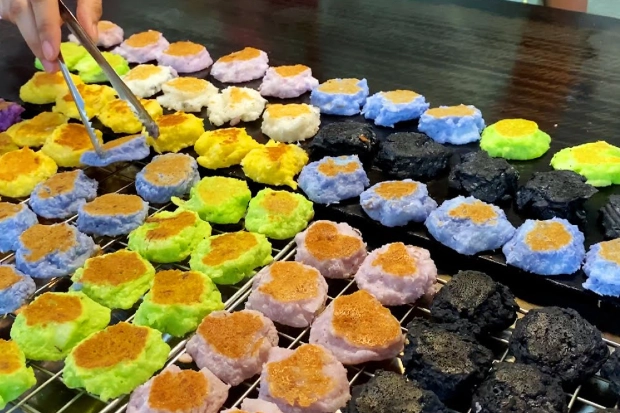
A word on ingredients: Seek out Thai rice flour (not glutinous). It's finer. Palm sugar and coconut milk are non-negotiable for authentic flavor. The bright green color in many pastries comes from pandan leaf extract, not artificial coloring.
A Quick Guide to Thai Pastry Types
It can get confusing, so here's a cheat sheet to help you navigate.
| Pastry Name | Main Ingredients | Texture | Flavor Profile | Where to Find |
|---|---|---|---|---|
| Kanom Krok | Rice flour, coconut milk, sugar | Crispy outside, soft/custardy inside | Sweet & savory (if topped) | Street carts (day) |
| Khanom Thuai | Coconut milk, rice flour, sugar | Soft, layered, jiggly | Sweet, salty, coconut | Morning markets |
| Thong Yip/Yod | Egg yolk, sugar syrup | Dense, fudgy, sticky | Very sweet, eggy | Gift shops, festivals |
| Khanom Pang Na Moo | Bread, minced pork, herbs | Crunchy, greasy, hearty | Salty, meaty, peppery | Street snacks, beer bars |
| Khanom Jeeb | Wheat wrapper, pork, shrimp | Soft, bouncy wrapper | Savory, umami, garlicky | Dim sum shops, markets |
| Thong Muan | Rice flour, coconut milk, sesame | Extremely light, crispy, fragile | Mildly sweet, nutty | Specialty vendors, festivals |
| Khanom Buang | Rice/mung bean flour, coconut, egg yolk | Crispy shell, creamy filling | Dual sweet & savory | Street carts (day/evening) |
Common Questions About Thai Pastries (Stuff You Actually Want to Know)
Let's get practical. Here are the questions I get asked all the time, and the straight answers.
Not always. The savory ones obviously aren't. Even the sweet ones often use palm sugar and coconut milk, which give a more rounded, caramel-like sweetness than just plain white sugar. Items like Thong Yip are the exception—they're intensely sweet. But a good Kanom Krok or Khanom Thuai is about balance, not sugar shock.
You're in luck! Many traditional Thai pastries are naturally gluten-free because they're based on rice flour, tapioca starch, or mung bean flour. Kanom Krok, Khanom Thuai, Thong Muan, Khanom Buang (the shell)—all typically gluten-free. Major exception: Anything with wheat-based wrappers (Khanom Jeeb) or bread (Khanom Pang Na Moo). Always ask the vendor, but the odds are good.
Trickier. Coconut-based sweets often are, but you must check for eggs (used as a binder or in toppings like foi thong) and dairy (rare, but sometimes condensed milk is used). Palm sugar is plant-based. Savory pastries almost always contain meat, fish sauce, or shrimp. For clear vegan guidance, resources like Thai Food Master often break down ingredients in traditional recipes.
Most are best eaten within hours, especially the crispy fried ones. Steamed items might last a day in the fridge, but the texture will suffer. They're not meant for keeping. Think of them as an immediate experience.
Start with Kanom Krok. It's approachable, not too weird texturally for a newcomer, and perfectly encapsulates the sweet-savory balance. If you like that, move on to Khanom Buang for the texture contrast, then maybe a savory Khanom Pang Na Moo. That's a solid intro trilogy.
The beauty is in the exploration. There's no wrong answer, only new favorites.
The Final Bite
So that's the world of Thai pastry, or at least a big, delicious chunk of it. It's not a single thing. It's a spectrum that runs from morning-market comfort food to royal court delicacies, from finger-licking street snacks to intricate festival treats. What ties it all together is a focus on contrasting textures and balanced flavors, and a deep connection to everyday Thai life.
You don't need to be an expert. Just be curious. Next time you see a cart with a steaming pot or a sizzling pan, point to something that looks good. That's how you find your own favorite Thai pastry. Mine's still that first kanom krok with the salty scallion on top. I'm still looking for one as good as that first one. Maybe that's the point—the search is part of the fun.
Go on, take a bite.
Reader Comments