Your Thai Food Journey Map
Look, I get it. You search for "popular Thailand foods" and you get a million lists that just throw names at you: Pad Thai, Green Curry, Mango Sticky Rice. Done. But that doesn't really tell you anything, does it? What do they actually taste like? Where do you find a good one? Are you going to regret ordering that super spicy-looking thing?
I've spent a lot of time eating my way through Thailand, from fancy Bangkok restaurants to plastic stool street stalls in Chiang Mai. I've had transcendent meals and a few... interesting experiences. Let's cut through the noise and talk about the popular Thailand foods that are actually worth your time and stomach space. This isn't just a list; it's a field guide.
The Heart of the Meal: Curries & Soups
If you think all Thai curries are just "curry," you're missing out on a whole world of flavor. They're not just sauces; they're complex, layered experiences. And the soups? They're meals in a bowl.
Green Curry (Gaeng Keow Wan)
Let's start with the poster child. Green curry gets its color and fresh, herbaceous kick from green chilies, lemongrass, and makrut lime. It's usually cooked with coconut milk, making it rich and creamy, but don't let that fool you—it can pack serious heat. You'll often find it with chicken (gai) or beef (nuea), and those little round Thai eggplants that pop in your mouth.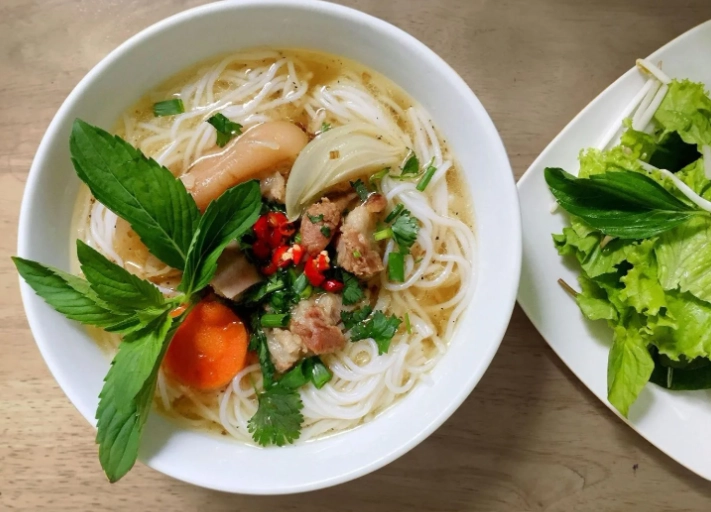
The key is balance. A good green curry should hit you with aromatic herbs first, then the creamy coconut, then the slow-building warmth of the chilies. If it just tastes like spicy coconut milk, you've got a bad one.
Tom Yum Goong
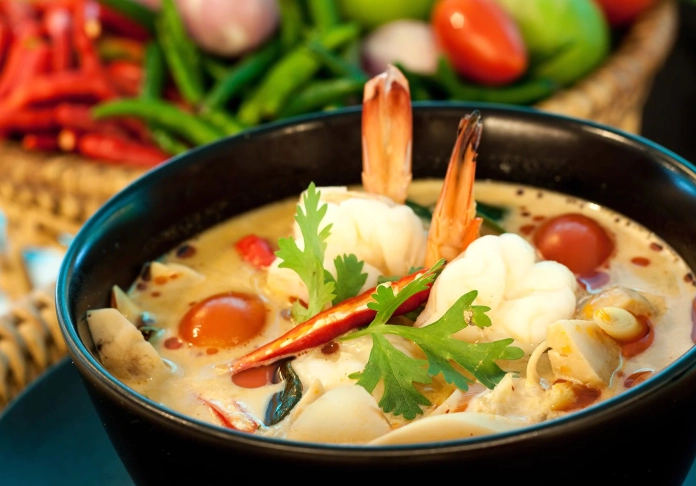
This is the soup that started my love affair. It's the national soup for a reason. "Tom" means to boil, "yum" is a spicy and sour salad, and "goong" is shrimp. Put it together, and you get a clear, broth-based soup that's an explosion of sour (from lime juice), spicy (from chilies), salty (from fish sauce), and fragrant (from lemongrass, galangal, and kaffir lime leaves).
The shrimp are usually added whole, with heads on. Don't be shy—suck the heads! That's where a lot of the incredible, briny flavor is. There's also a creamy version (Tom Yum Nam Khon) with a splash of evaporated milk or coconut milk, which tones down the acidity a bit. I prefer the clear version; it feels more punchy and authentic to me.
You'll see this on the menu of every single Thai restaurant, but the quality varies wildly. A great Tom Yum is a life-changing soup. A bad one tastes like sour water with chili flakes. The Tourism Authority of Thailand even has a whole page dedicated to it, which tells you how serious this dish is.
Massaman Curry
This is the gentle giant of Thai curries. It has Persian roots, which explains its unique flavor profile. It's milder, sweeter, and nuttier than other curries, thanks to ingredients like cinnamon, cardamom, star anise, and roasted peanuts or cashews. It often features big chunks of potato and tender beef or chicken.
It's less about fiery heat and more about deep, warming spices. If you're nervous about spice, this is your safe, delicious entry point into the world of popular Thai foods. It's rich, hearty, and incredibly comforting.
The Stars of the Street: Noodles & Salads
This is where Thai food gets fun, fast, and incredibly vibrant. Forget the boring salads you know.
Pad Thai
Okay, I have to talk about it. Yes, it's the most famous Thai dish abroad. And yes, in Thailand, it's often considered tourist food. But a really good Pad Thai is a thing of beauty. It's a stir-fried rice noodle dish with a subtle sweet-and-sour tamarind sauce, scrambled egg, tofu, and your choice of protein, all topped with crushed peanuts, bean sprouts, and a wedge of lime.
The problem? It's often made poorly—too sweet, too soggy, or just bland. A great Pad Thai should be slightly dry, with a distinct smoky flavor from high-heat wok cooking ("wok hei"). The noodles should be chewy, not mushy. You can find decent ones on many streets, but for a truly great one, you might need to seek out a specialist.
Som Tum (Green Papaya Salad)
This is not a passive salad. It's an event. You'll hear the rhythmic pounding of the mortar and pestle before you see it. Shreds of unripe green papaya are pounded with garlic, chilies, green beans, tomatoes, lime juice, fish sauce, and palm sugar. The result is a cacophony of flavors: fiercely spicy, sour, salty, and sweet, all at once, with an incredible crunchy texture.
There are many variations. Som Tum Thai is the classic. Som Tum Pu has fermented black crab added for a funky, salty punch (not for beginners!). Som Tum Lao omits the peanuts and adds a fermented fish sauce (padaek).
Be honest with the vendor about your spice tolerance.
They'll ask "pet mai?" (spicy?). If you say "pet" (spicy), you're getting Thai-level spicy. If you're not sure, say "pet nit noi" (a little spicy) or "mai pet" (not spicy). Trust me on this.
Khao Soi
If you go to Northern Thailand (Chiang Mai, Chiang Rai), you must eat Khao Soi. It's a dish with Burmese influence and it's unlike any other noodle soup in Thailand. It features soft, boiled egg noodles in a rich, creamy, and slightly spicy coconut curry broth, topped with a handful of crispy fried noodles for texture. It's usually served with a chicken drumstick or beef.
On the side, you get a plate of raw red onion, pickled mustard greens, and lime wedges. You add these to your taste, which completely changes the flavor profile as you eat. The contrast between the creamy broth, the tender meat, the soft noodles, the crunchy noodles, and the sharp pickles is just masterful. It's my personal favorite among all the popular Thailand foods.
Can't-Miss Street Food & Snacks
This is the soul of Thai eating. It's cheap, fast, delicious, and everywhere.
| Dish Name | What It Is | What to Expect / Personal Tip |
|---|---|---|
| Moo Ping | Grilled pork skewers marinated in coconut milk, garlic, and coriander root. | Sweet, savory, smoky. The ultimate grab-and-go breakfast or snack. Always served with a little bag of sticky rice. A perfect combo. |
| Gai Tod (Fried Chicken) | Thai-style fried chicken, often marinated with garlic and pepper. | It's not KFC. The skin is shatteringly crisp, the meat is juicy and flavorful. Often served with sticky rice and sweet chili sauce. Life-changing from a street cart. |
| Khanom Buang | Often called "Thai crispy pancakes." Tiny, crispy crepes topped with sweet or savory fillings. | The sweet version has a meringue-like cream and shredded egg yolk threads. The savory one has shrimp, coconut shreds, and chives. Get one of each! |
| Roti Gluay | A thin, flaky fried bread (from Muslim influence) cooked to order and topped with sliced banana and sweetened condensed milk. | Watching them stretch the dough is a show. Hot, sweet, greasy, and absolutely delicious. A must-try street dessert. |
The Sweet Finale: Thai Desserts
Thai desserts are a world of their own. They're often based on coconut, rice flour, and palm sugar, creating textures that might be unfamiliar but are utterly delightful.
Mango Sticky Rice (Khao Niew Mamuang)
This is the one you know. It's simple: ripe, golden mango (the right variety is key—it should be fragrant and silky, not stringy) served with sweetened sticky rice that's been cooked in coconut milk, and topped with a drizzle of more coconut cream and crunchy toasted mung beans.
It's only available during mango season (roughly March to June). If you see it off-season, the mango will likely be disappointing. When it's good, it's a perfect balance of sweet, creamy, and fragrant. When it's bad, it's just a gummy mess.
Other Sweet Treats
Look out for tubs of colorful Thai sweets in markets. Things like Kanom Chan (steamed layered coconut cake), Lod Chong (green pandan noodle strands in sweet coconut milk), and various jelly-like desserts. They're not very sweet by Western standards and have unique, subtle flavors. Worth a small try to be adventurous.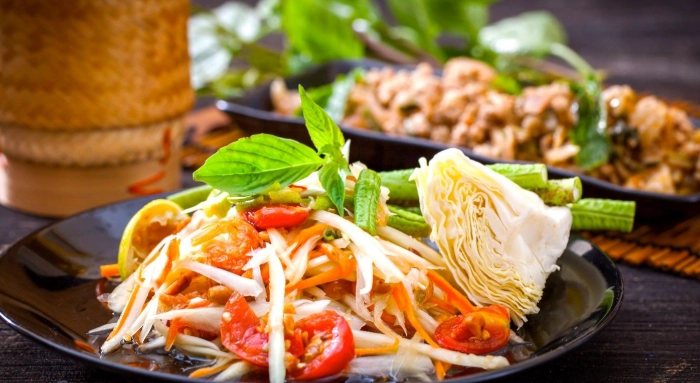
Your Burning Questions, Answered
Let's tackle some stuff you're probably wondering about when searching for info on popular Thailand foods.
Wrapping It Up: How to Actually Enjoy Thai Food
Forget trying to "tick off a list" of popular Thailand foods. That's not the point. The point is to experience a culture through its flavors.
Start with something familiar but authentic, like a good Green Curry or Pad Thai. Then get adventurous. Try the fiery punch of a real Som Tum. Slurp a bowl of Khao Soi in the north. Grab a Moo Ping skewer for a 30-cent snack. End your day with the perfect seasonal Mango Sticky Rice.
Don't just eat in tourist areas. Wander down a side street. Follow the locals. The best meal you have might be from a cart with no English sign and a grandma who just smiles and points at her one amazing dish.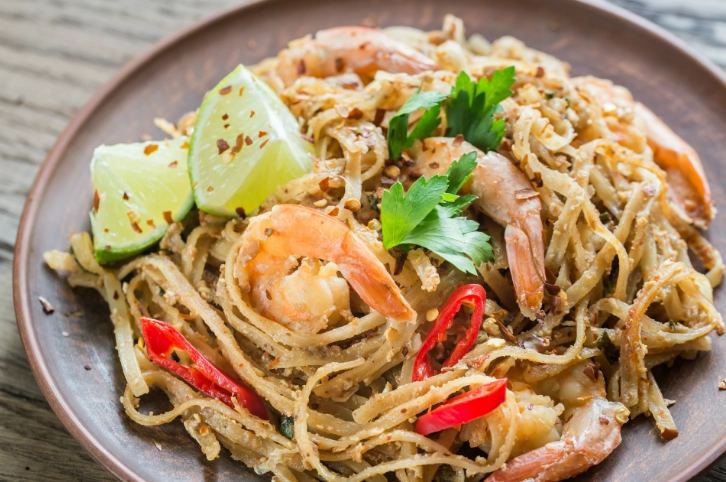
So go on. Dive in. Order that thing you can't pronounce. Mix it with plenty of rice. And discover for yourself why these dishes have earned their place as truly popular Thailand foods loved around the world.
Reader Comments