Quick Navigation
- The Pillars of the Real Deal: Core Elements You Can't Miss
- The Must-Try Dishes: A Hit List of Authentic Korean Cuisine
- Navigating a Korean Meal: Etiquette That Makes You Feel Like a Pro
- The Kimchi Conundrum: More Than Just Cabbage
- How to Find an Authentic Korean Restaurant (Anywhere in the World)
- Wrapping It Up: The Soul in the Bowl
Let's be real. You see "authentic" slapped on restaurant menus everywhere, from pizza joints to taco stands. It's lost a lot of its meaning. But when it comes to Korean food, the word carries real weight. It's not just about a recipe. It's about a feeling, a philosophy, and a whole lot of fermented history.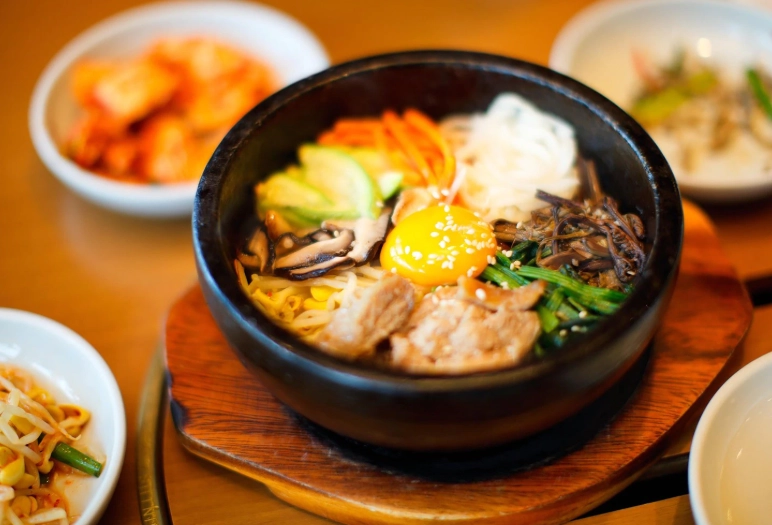
I remember my first "aha" moment with authentic Korean cuisine. It wasn't in a fancy restaurant. It was in a cramped, steamy basement spot in Seoul's Jongno district. The air was thick with the smell of garlic, sesame, and gochujang. An ajumma (a respected older lady) plonked down a dozen little side dishes without a word. The main event was a bubbling, rust-red jjigae (stew). It was fiery, complex, salty, sweet, and deeply comforting all at once. That meal had soul. It had history. It wasn't trying to be pretty for Instagram; it was trying to feed you, to warm you, to balance you. That's the heart of it.
The journey to understanding it is a delicious one, but it can be confusing. Is all that glossy, cheese-covered fried chicken you see online truly authentic? Well, it's authentically modern Korean, for sure. But the roots go much deeper. This guide is here to cut through the noise. We're going beyond the K-drama dinner scenes to explore the real stuff—the foundational dishes, the etiquette that makes the experience, and how you can find it, whether you're planning a trip to Korea or just looking for a great meal in your own city.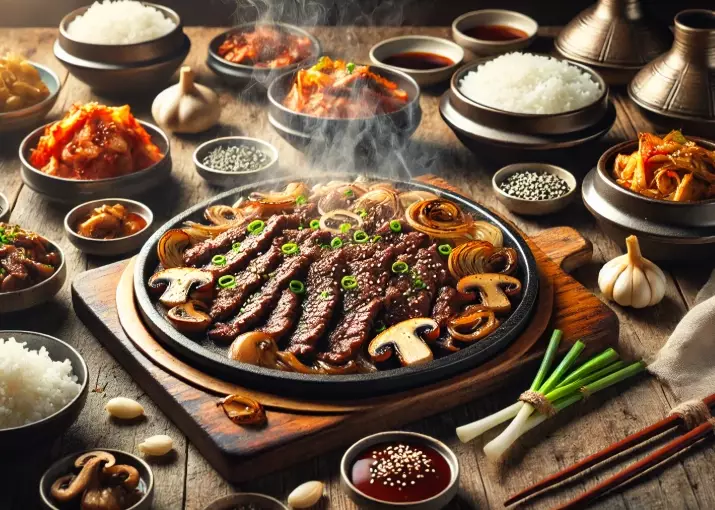
The Pillars of the Real Deal: Core Elements You Can't Miss
If you strip everything back, a few non-negotiable elements define a genuine Korean meal. Miss these, and you're just eating Korean-inspired food.
Banchan (반찬): The Symphony of Sides. This is the ultimate test. A place serving authentic Korean food will bring you an array of small side dishes, often for free, the moment you sit down. It's not an appetizer you order; it's a given. The variety is staggering—could be kimchi (of course), seasoned spinach (sigeumchi-namul), savory pancakes (jeon), marinated beansprouts, radish strips... The list goes on. The quality and variety of banchan tell you everything about a restaurant's dedication. A sad little dish of pickled cabbage and some bean sprouts? Hmm. A vibrant, rotating selection of 6-10 different, freshly made banchan? You're in the right place.
Fermentation is King (or Queen). Korea's culinary soul is fermented. It's the deep, funky, umami-rich backbone of the cuisine. Kimchi is the rockstar, but it's not alone.
- Gochujang (고추장): That magical, sweet-spicy fermented red chili paste. It's in marinades, stews, dips, everything. The good stuff is aged for years and has a deep, rounded heat.
- Doenjang (된장): Fermented soybean paste. Think of it as miso's more robust, earthy cousin. It's the base for the ultimate comfort food, doenjang jjigae.
- Ganjang (간장): Soy sauce, but specifically the Korean style, often used in conjunction with fermentation.
This fermentation culture isn't just for taste. Historically, it was about preservation, making nutrients available year-round. The Korean government's official cultural portal has some fascinating insights into how these practices are woven into national identity.
Rice is the Heart, Soup is the Soul. A proper Korean meal is built around bap (cooked rice) and guk or jjigae (soup or stew). They are inseparable partners. The rice is your neutral base, the calm center. The soup or stew is the flavorful, often pungent or spicy counterpart that you eat spoonful by spoonful alongside the rice. You might mix a little into your rice, or eat them alternately. This bap-guk combination is the ultimate comfort, the definition of a home meal.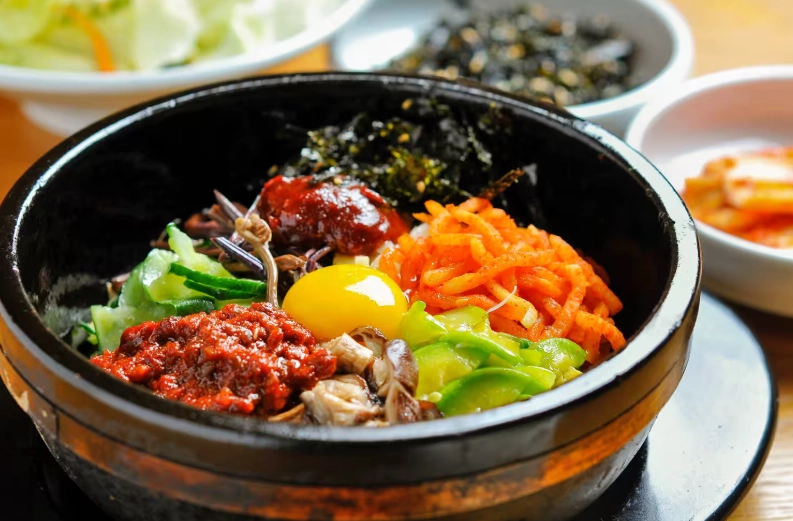
The Must-Try Dishes: A Hit List of Authentic Korean Cuisine
Okay, let's get practical. You're sitting down at a restaurant. What should you order to get the full, authentic experience? Here's a breakdown, moving beyond just "Korean BBQ."
The Grilled & Sizzling Essentials
Yes, BBQ is iconic for a reason. But there's nuance.
- Samgyeopsal (삼겹살): Thick, unmarinated pork belly. The purest form of Korean BBQ. You grill it yourself, snip it with scissors, and wrap it in fresh lettuce or perilla leaves with garlic, ssamjang (a dipping paste), and maybe a bit of kimchi. It's social, interactive, and delicious.
- Galbi (갈비): Marinated beef short ribs (usually LA Galbi, cut flanken-style). The marinade of soy, sugar, fruit, and sesame is sublime. It's often considered more of a special occasion dish.
- Bulgogi (불고기): Literally "fire meat." Thinly sliced beef marinated in a sweet-soy sauce. It can be grilled at the table or stir-fried in the kitchen. It's the gateway drug for many into authentic Korean food.
The Stews That Will Heal You (Jjigae & Jeongol)
This is where the depth of flavor really shines. These are communal pots of bubbling goodness.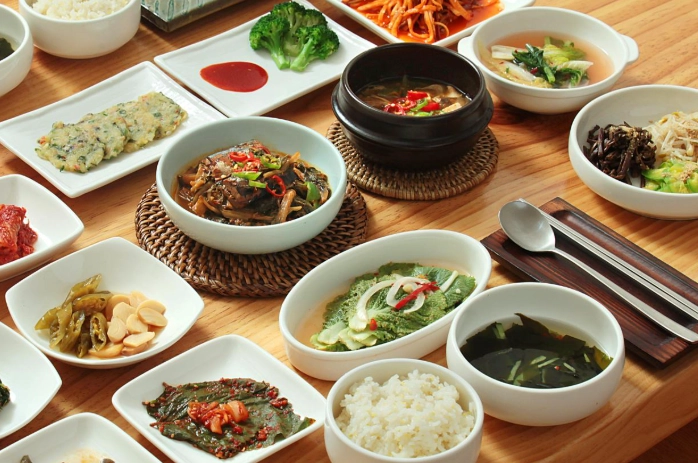
| Stew Name | Key Ingredients | Flavor Profile & When to Eat It |
|---|---|---|
| Kimchi Jjigae (김치찌개) | Aged kimchi, pork (often belly or shoulder), tofu, onion. | Spicy, sour, deeply savory. The ultimate comfort food, especially when hungover or cold. |
| Doenjang Jjigae (된장찌개) | Doenjang (soybean paste), zucchini, tofu, potato, chili, anchovy broth. | Earthy, umami-rich, pungent. Surprisingly addictive. A daily staple in Korean homes. |
| Sundubu Jjigae (순두부찌개) | Uncurdled soft tofu (sundubu), seafood or meat, chili powder, egg. | Spicy, silky, and soothing. Often served boiling hot in a stone pot with a raw egg cracked in at the table. |
| Budae Jjigae (부대찌개) | Spam, hot dogs, baked beans, instant noodles, kimchi, gochujang. | A wild, spicy, salty fusion born post-Korean War from US military rations. Inauthentic origins, but now a beloved, authentic part of modern Korean food culture. |
Noodles, Street Food & Other Classics
The world of authentic Korean cuisine is vast.
Japchae (잡채): Glass noodles (made from sweet potato starch) stir-fried with colorful vegetables and beef in a sesame-soy glaze. Served hot or cold, it's a festive dish with a uniquely chewy, satisfying texture.
Bibimbap (비빔밥): "Mixed rice." A bowl of warm rice topped with an artful arrangement of namul (seasoned vegetables), meat, a fried egg, and gochujang. The magic happens when you mix it all together. Dolsot bibimbap is served in a scorching hot stone bowl, which crisps the rice at the bottom—a textural game-changer.
Haemul Pajeon (해물파전): A savory, crispy seafood and green onion pancake. It's the perfect sharing food, often enjoyed with a glass of makgeolli (rice wine) on a rainy day. The best ones are loaded with octopus, shrimp, and squid.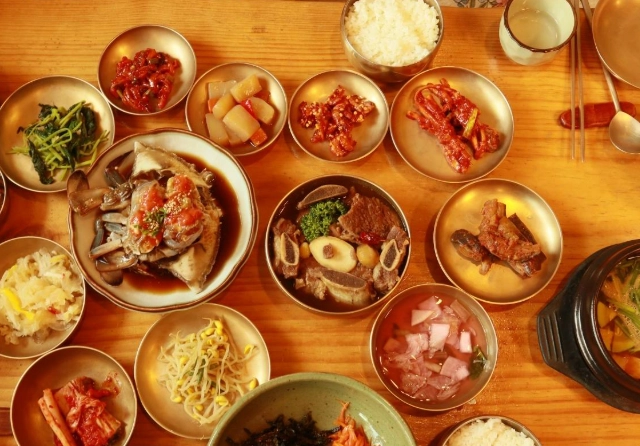
And then there's the street food... Tteokbokki (chewy rice cakes in sweet-spicy sauce), hotteok (sweet filled pancakes), and odeng (fish cake skewers in broth). They're an integral, vibrant part of Korea's food landscape. The Michelin Guide's feature on Seoul street food does a great job capturing this energy, though nothing beats being there in person.
Navigating a Korean Meal: Etiquette That Makes You Feel Like a Pro
Knowing what to order is half the battle. The other half is not accidentally committing a faux pas. Don't worry, Koreans are generally forgiving of foreigners, but knowing a few rules smooths the way.
Seriously. It resembles incense sticks at a funeral and is considered very bad luck. Just lay them across the top of the bowl or on the provided rest.
Sharing is Caring (Mostly). Many dishes, especially stews, pancakes, and BBQ, are meant to be shared from the center of the table. But your bowl of rice and your soup? Those are yours. Don't go dipping your spoon into the communal jjigae pot and then straight into your mouth—use your personal spoon to take some stew and put it in your own rice bowl or a small side dish first.
Handling the Banchan. It's polite to take small portions of banchan at a time, not heap your plate with one favorite. And if a dish is running low, it's fine to ask for a refill (most places offer free refills on banchan).
Pouring Drinks. This is a big one. You never pour your own drink. You pour for others, and they pour for you. When someone is pouring for you, hold your glass with both hands (or at least touch your right hand to your left wrist or elbow as a sign of respect). It's a small gesture that shows cultural awareness.
The Kimchi Conundrum: More Than Just Cabbage
We have to talk about kimchi separately. It's the national dish, a UNESCO Intangible Cultural Heritage item, and so much more than spicy cabbage.
First, there are hundreds of types. Baechu kimchi (napa cabbage) is the most famous, but there's kkakdugi (cubed radish kimchi), oi sobagi (stuffed cucumber kimchi), and pa kimchi (green onion kimchi), to name a few. The taste evolves with fermentation. Fresh kimchi (geotjeori) is crisp and bright. Aged kimchi (mugeunji) is sourer, softer, and funkier—and it's absolutely essential for making a proper, deep-flavored kimchi jjigae.
Is store-bought kimchi authentic? Sure, if it's from a reputable Korean brand. But the gold standard is homemade, following family recipes passed down generations. The World Institute of Kimchi is a real, research-focused organization in Korea that delves into the science and history behind it all. Their existence shows how seriously Korea takes its kimchi.
The fermentation process, using lactobacilli, is what gives kimchi its purported health benefits and that incredible depth of flavor. A meal without some form of kimchi feels incomplete.
How to Find an Authentic Korean Restaurant (Anywhere in the World)
This is the million-dollar question, right? You're not in Seoul. How do you find the real stuff?
- Look at the Clientele: This is the number one tip. If the restaurant is full of Korean people (especially families or older Koreans), it's a very good sign. They're the toughest critics.
- Check the Banchan: As mentioned, a good spread of varied, fresh-tasting banchan is a green flag. Kimchi that tastes like it has some age and funk to it, not just vinegar and chili powder, is key.
- Menu Depth: Does the menu have a range of jjigae (stews), jeon (pancakes), and bokkeum (stir-fries), or is it just BBQ, bibimbap, and bulgogi? A deeper menu often indicates more expertise.
- Language & Atmosphere: Menus with Korean script, staff that speak Korean to each other, K-dramas playing on a TV in the corner—these are all positive environmental clues.
- Trust Reviews, But Wisely: Look for reviews that mention "authentic," "like in Korea," or "Korean customers." Ignore reviews that just say "good" or "spicy." Food blogs or YouTube channels by Koreans or long-term Korea expats are often more reliable than general crowd-sourced sites.
In major cities with large Korean communities (LA's Koreatown, NYC's Flushing, Toronto, Sydney), you're spoiled for choice. In smaller towns, you might have to adjust expectations, but a family-run spot is often your best bet.
Wrapping It Up: The Soul in the Bowl
At the end of the day, seeking out authentic Korean cuisine is about more than just a tasty meal. It's about experiencing a culture that expresses its history, its resilience, its sense of community, and its view on health through what's on the table. It's loud, it's messy, it's communal, and it's deeply satisfying.
It's about that feeling I had in that Seoul basement—of being welcomed, nourished, and surprised. Don't get too hung up on rules. Be curious, be respectful, and don't be afraid to use your hands to wrap that samgyeopsal. The best Korean meals are felt, not just eaten. Now go find one.